Table of Contents >> Show >> Hide
- What Are Light Therapy Wands?
- Can Light Therapy Wands Actually Help Skin Problems?
- Are Light Therapy Wands Safe?
- FDA Cleared vs. FDA Approved: Why the Label Matters
- How to Use a Light Therapy Wand More Safely
- What Results Should You Realistically Expect?
- Real-World Experiences With Light Therapy Wands
- Final Verdict: Are Light Therapy Wands Worth It?
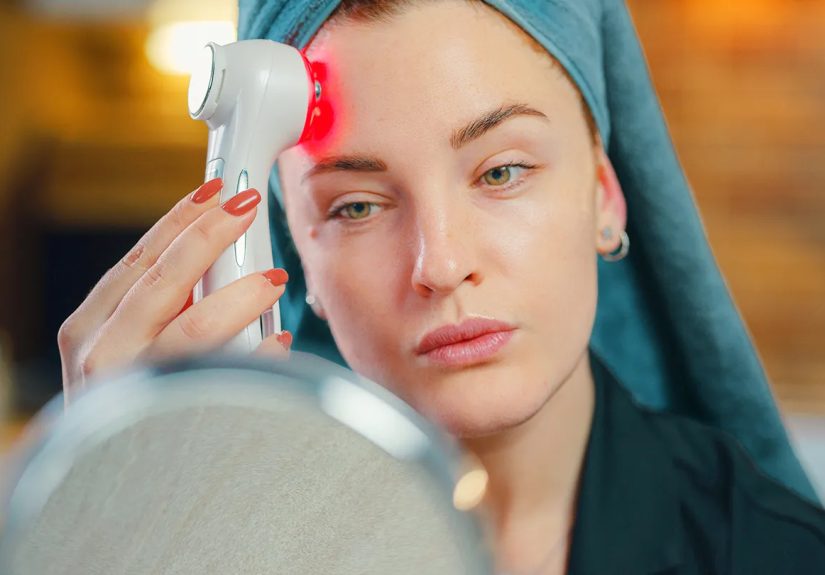
There is something irresistibly futuristic about aiming a glowing wand at a breakout and expecting your skin to behave itself. It feels like a tiny lightsaber for your faceminus the dramatic cape, soundtrack, and ability to defeat the Dark Side.
Light therapy wands, usually powered by LEDs, have become popular home skincare devices for acne, redness, fine lines, dark spots, and general “my skin looks tired and has not received the memo” concerns. But while red and blue light therapy can have legitimate dermatology uses, these devices are not miracle sticks that erase every skin problem by Tuesday.
The honest answer is this: light therapy wands may be a safe and useful addition to a skincare routine for certain concerns, especially mild inflammatory acne and subtle signs of skin aging. However, results vary widely depending on the device, wavelength, dose, consistency, and the actual condition being treated. They work best as part of a larger skincare plan, not as a replacement for medical treatment when your skin is waving a very large red flag.
What Are Light Therapy Wands?
Light therapy wands are handheld devices that expose the skin to specific wavelengths of visible or near-infrared light. Most at-home devices use LED bulbs rather than lasers. They are usually marketed as red light therapy, blue light therapy, or combination red-and-blue light therapy.
Unlike ultraviolet light from the sun or tanning beds, LED skincare devices generally do not use UV radiation. That distinction matters because ultraviolet radiation can damage skin cells, speed up visible aging, and increase skin cancer risk. Red and blue LED devices work differently: they are designed to trigger biological responses in the skin without intentionally heating or injuring it.
Still, “light therapy” is a broad term. A handheld LED wand is not the same as a dermatologist’s laser, an intense pulsed light treatment, medical UVB phototherapy, or photodynamic therapy. They may all involve light, but so do a flashlight and the sun, and nobody should confuse those job descriptions.
Red Light Therapy
Red light therapy usually uses wavelengths in the visible red or near-infrared range. It is often promoted for wrinkles, loss of firmness, rough texture, mild redness, and post-inflammatory discoloration. Researchers believe red light may influence cellular activity, circulation, inflammation, fibroblast function, and collagen-related processes.
The evidence for red light is most promising for modest cosmetic improvements, such as smoother texture, softer fine lines, and a more even-looking complexion. The key word is modest. A red light wand may help skin look more refreshed over time, but it is unlikely to deliver the instant transformation of a heavily filtered social-media before-and-after photo. The American Academy of Dermatology notes that some studies have found subtle to noticeable improvements in fine lines, redness, discoloration, rough texture, and loose skin, while also emphasizing that at-home devices are difficult to compare because studies use different devices and treatment schedules.
Blue Light Therapy
Blue light therapy is most commonly associated with acne treatment. Blue light can interact with substances produced by Cutibacterium acnes, a bacterium involved in inflammatory acne. This interaction may create a chemical reaction that reduces bacterial activity and inflammation in the skin.
That makes blue light potentially useful for red pimples, pustules, and other inflammatory acne lesions. However, it is less likely to solve blackheads, whiteheads, hormonal acne, cystic acne, or acne triggered by medications. Acne is not one single problem wearing different hats; it is a complicated mix of oil production, clogged pores, inflammation, bacteria, hormones, and genetics.
Combination Red and Blue Light
Many light therapy wands combine red and blue wavelengths. The theory is sensible: blue light targets acne-related bacteria, while red light may help calm inflammation and support skin recovery. Clinical studies suggest that blue and red LED therapy can improve mild to moderate inflammatory acne, especially when used repeatedly. However, study quality, device settings, treatment length, and patient populations vary greatly, which makes it difficult to promise the same result from every wand sold online.
Can Light Therapy Wands Actually Help Skin Problems?
Yes, sometimesbut “skin problems” is doing an enormous amount of work in that sentence.
Light therapy wands may be helpful for a narrow range of cosmetic and mild dermatologic concerns. They are less reliable for serious, painful, persistent, or medically complicated conditions. The best candidates are people with realistic expectations, uncomplicated mild acne, early signs of photoaging, or skin that could benefit from a gentle supplemental treatment.
Mild Inflammatory Acne
Blue or red-and-blue light may reduce inflammatory acne lesions over several weeks. This can be particularly useful for someone who gets occasional red pimples but does not need prescription acne medication. Improvement usually requires repeated sessions, patience, and a routine that also includes gentle cleansing, non-comedogenic moisturizer, and sunscreen.
However, light therapy rarely clears acne completely by itself. Dermatologists often use light-based treatments as one piece of a broader acne plan that may also include benzoyl peroxide, retinoids, topical antibiotics, hormonal treatment, or oral medication. The American Academy of Dermatology specifically notes that lasers and light treatments can reduce acne but rarely clear it alone.
Fine Lines and Dull-Looking Skin
Red LED light may offer mild improvement in fine lines, skin texture, redness, and overall brightness. It is not the same as resurfacing, injectable treatment, a chemical peel, or a facelift. Think of it more like consistently watering a plant than buying a new plant: it may help your existing skin look healthier, but it does not replace the entire botanical department.
For skin aging, consistency matters more than intensity. Many devices require several sessions per week for weeks or months. Results are typically gradual, and maintenance treatments may be needed. Dermatology experts also point out that professional devices may offer more controlled dosing than over-the-counter products.
Redness, Post-Acne Marks, and Mild Inflammation
Some people notice reduced redness or a calmer appearance after regular red light treatment. This may be useful for mild post-acne inflammation or temporary irritation. Still, persistent facial redness may be rosacea, contact dermatitis, eczema, lupus-related photosensitivity, or another condition that deserves a proper diagnosis.
Using a light wand on undiagnosed redness is a little like putting a bandage over a dashboard warning light. It might make you feel proactive, but it does not tell you why the warning appeared.
Conditions That Need More Than a Wand
At-home light therapy should not be relied on to treat suspicious moles, painful cystic acne, infected skin, skin cancer, severe eczema, psoriasis flares, deep scars, melasma, or unexplained rashes. Medical phototherapy for conditions such as psoriasis and eczema often uses carefully calibrated ultraviolet wavelengths under clinical supervision, which is very different from using a consumer LED wand in your bathroom mirror.
Are Light Therapy Wands Safe?
For most healthy adults, an appropriately designed LED light therapy wand used exactly as directed is generally considered low risk in the short term. Red and blue LED devices are noninvasive and usually do not cause the peeling, prolonged recovery, or strong irritation associated with more aggressive procedures.
But “low risk” is not the same as “risk-free.” Mild side effects can include temporary redness, warmth, dryness, irritation, headaches, or eye discomfort. Overusing a device, holding it too close to the skin, ignoring treatment-time limits, or using a poorly designed product can increase the chance of irritation or injury.
Eye Protection Is Not Optional Decor
Blue light can be uncomfortable for the eyes, and bright light exposure should be taken seriously. Follow the manufacturer’s instructions regarding goggles or built-in eye shields. Do not substitute regular sunglasses for protective eyewear unless the device instructions specifically say they are acceptable.
FDA guidance for photobiomodulation devices highlights eye protection as a precaution, and dermatologists similarly recommend using the exact protective equipment included or specified by the manufacturer. Your eyeballs are not a beta-testing program.
Who Should Be Careful or Avoid At-Home Light Therapy?
Talk with a dermatologist or healthcare professional before using a light therapy wand if you have lupus, a photosensitivity disorder, a history of light-triggered rashes, eye disease, skin cancer, unexplained lesions, or a condition that reduces skin sensation.
You should also ask about possible interactions if you take medications that increase sensitivity to light. Some prescription medicines, acne treatments, antibiotics, diuretics, and other medications can affect how skin reacts to light exposure. The American Academy of Dermatology cautions that red light therapy may not be appropriate for people whose medications or medical conditions increase photosensitivity.
FDA Cleared vs. FDA Approved: Why the Label Matters
When shopping for a light therapy wand, watch the wording carefully. Many legitimate at-home devices are marketed as “FDA cleared” or “FDA 510(k) cleared.” That generally means the device has gone through a process showing it is substantially equivalent to another legally marketed device for a specific intended use.
It does not mean every claim in a flashy product advertisement has been proven. A device may be cleared for mild to moderate inflammatory acne or wrinkle reduction, but that does not automatically make it effective for scars, melasma, eczema, hair loss, cellulite, jawline sculpting, spiritual alignment, or whatever else the marketing department added after lunch.
Some FDA-cleared home-use LED devices are indicated for mild to moderate inflammatory acne and facial wrinkles. The exact claim, intended user, wavelength, treatment area, and instructions can differ substantially from one device to another.
How to Use a Light Therapy Wand More Safely
- Start with a diagnosis. Make sure you know whether you are treating acne, irritation, rosacea, pigmentation, or something else.
- Choose a device for your actual concern. A red-light anti-aging wand is not automatically an acne device, and a blue-light acne device is not automatically a wrinkle device.
- Look for clear labeling. Avoid products that hide their wavelength, treatment time, intended use, safety instructions, or manufacturer information.
- Use clean, dry skin unless instructions say otherwise. Heavy makeup, oily residue, or irritating skincare products can complicate treatment.
- Follow the schedule exactly. More light is not automatically better light.
- Protect your eyes. Use recommended goggles or shields, especially with blue light.
- Stop if your skin reacts badly. Burning, blistering, persistent redness, itching, swelling, or eye symptoms are not signs that the device is “working harder.”
What Results Should You Realistically Expect?
Most people who benefit from a light therapy wand notice gradual change, not overnight drama. Mild acne may become less inflamed after several weeks. Fine lines may look a little softer. Skin may seem calmer, brighter, or more even. Those are reasonable goals.
Unreasonable goals include expecting a handheld wand to erase deep acne scars, cure a chronic inflammatory condition, replace sunscreen, correct hormonal acne, remove a suspicious mole, or make you look like you have slept eight hours while raising toddlers, running a business, and drinking coffee at 9 p.m.
Light therapy can be a useful tool, but it is still a tool. A toothbrush is excellent at cleaning teeth; it is not excellent at fixing a cracked molar. The same logic applies here.
Real-World Experiences With Light Therapy Wands
Note: The following are composite educational scenarios based on common treatment patterns and dermatology guidance. They are not individual medical testimonials or guarantees of results.
Experience One: Mild Breakouts and Better Routine Discipline
A college student with mild inflammatory acne starts using a blue light wand after seeing countless videos promising “clear skin in seven days.” The first week is mostly underwhelming. The wand does not erase existing pimples, and one particularly stubborn chin breakout remains emotionally committed to its lease.
However, after four to six weeks of consistent use, the student notices fewer new red pimples and less swelling around active breakouts. The biggest improvement does not come from the device alone. It comes from using a gentle cleanser, stopping harsh scrubs, applying a non-comedogenic moisturizer, and finally remembering sunscreen.
The wand becomes a helpful addition rather than the entire treatment plan. The student learns that blue light may support acne management, but it does not replace basic skincare or medical treatment when acne becomes painful, cystic, or scarring.
Experience Two: The Anti-Aging Expectation Reset
A 42-year-old office worker buys a red light wand hoping to soften fine lines and brighten dull-looking skin. After two treatments, there is no visible change. After two weeks, there is still no visible change, except perhaps a growing suspicion that the wand is judging them.
By the sixth week, the user notices that their skin looks slightly smoother and less blotchy in the morning. A friend comments that their complexion looks “rested,” which is flattering because the user has not actually been rested since 2019.
The changes are subtle, but meaningful. Fine lines are not erased, and sun damage does not vanish. The device works best alongside sunscreen, moisturizer, a retinoid recommended by a dermatologist, and realistic expectations. The user decides the wand is worthwhile as a maintenance tool, not as a substitute for professional treatment.
Experience Three: When a Wand Is the Wrong Tool
A person with persistent facial redness buys a red light therapy wand after assuming the redness is “sensitive skin.” Instead of improving, the area occasionally becomes more irritated. After visiting a dermatologist, the person learns they have rosacea and need a targeted treatment plan.
The lesson is not that red light therapy is inherently dangerous. The lesson is that visible redness can have many causes. A device designed for general skin rejuvenation may not be appropriate for every inflammatory condition. Once the underlying problem is identified, the person can use medical treatment, skincare changes, and professional guidance rather than guessing their way through a cabinet full of glowing gadgets.
Experience Four: The Overuse Trap
Another user assumes that doubling treatment time will double results. It does not. After using a wand longer and more often than instructed, the skin becomes dry, irritated, and temporarily red. The person pauses treatment, focuses on gentle skincare, and learns the central rule of at-home devices: instructions are not suggestions written by a bored lawyer.
Consistent, moderate use is generally smarter than aggressive use. Skin improvement often comes from repetition, patience, and proper device selectionnot from treating your face like a science fair project powered by enthusiasm.
Final Verdict: Are Light Therapy Wands Worth It?
Light therapy wands can be safe and effective for some skin concerns, especially mild inflammatory acne and subtle signs of aging. Red light may support smoother-looking, calmer skin over time, while blue light may help reduce acne-related inflammation and bacterial activity. The strongest results usually come from regular use, realistic expectations, and pairing the device with a sensible skincare routine.
They are not universal solutions for every skin problem. Serious acne, unexplained rashes, painful lesions, pigment changes, suspicious growths, and chronic inflammatory skin conditions deserve evaluation by a dermatologist. A light therapy wand can be a helpful sidekick, but it should not be promoted to superhero status without evidence.
Note: This article is for general educational purposes and does not replace individualized medical advice. Stop using a device and seek professional care if you develop persistent pain, burns, blisters, swelling, worsening rash, vision symptoms, or a skin change that concerns you.