Table of Contents >> Show >> Hide
- What Are Salmon Salad Tartines?
- Why This Salmon Salad Tartine Recipe Works
- Ingredients for the Best Salmon Salad Tartines
- How To Make Salmon Salad Tartines
- Recipe Card: Salmon Salad Tartines
- Using Fresh Salmon Instead of Canned Salmon
- Best Bread for Salmon Salad Tartines
- Flavor Variations
- What To Serve With Salmon Salad Tartines
- Storage and Meal Prep Tips
- Common Mistakes To Avoid
- Nutrition Notes
- Frequently Asked Questions
- Personal Kitchen Experience: Why Salmon Salad Tartines Deserve a Regular Spot on the Menu
- Conclusion
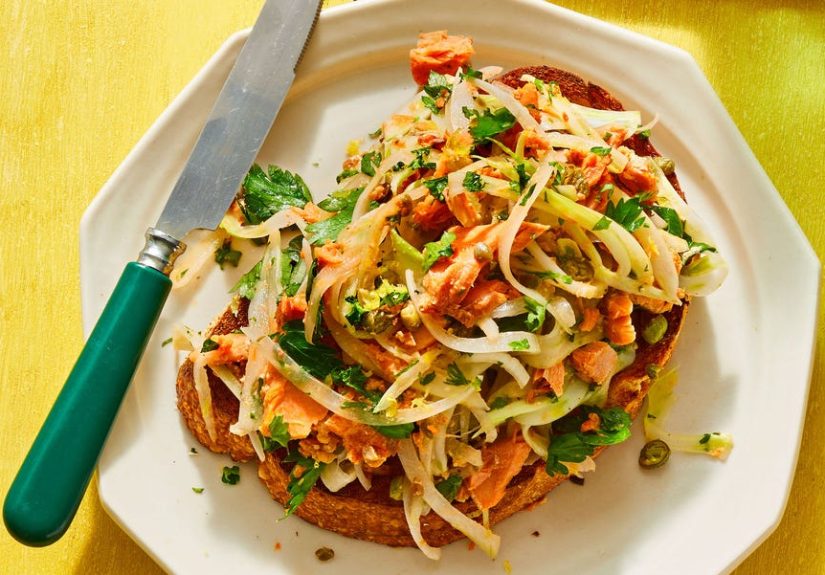
A salmon salad tartine is what happens when a practical lunch puts on a crisp shirt and suddenly looks like it belongs at a sunny café with tiny tables, linen napkins, and someone saying “just a light bite” before ordering dessert. It is an open-faced sandwich built on toasted bread, topped with creamy, lemony salmon salad, and finished with fresh herbs, crunchy vegetables, and enough briny little pops to make your fork feel underdressed.
This best salmon salad tartines recipe is designed for real life. It works with canned salmon, leftover cooked salmon, or freshly cooked salmon. It takes about 15 minutes if you use canned or leftover fish, and it tastes bright, savory, creamy, crunchy, and satisfying without feeling heavy. In other words, it is lunch with good manners and excellent shoes.
The secret is balance. Salmon is rich, so it needs acid from lemon and vinegar. The creamy binder needs sharpness from Dijon mustard. The bread needs to be toasted enough to hold the topping without collapsing into a soggy little raft. Add celery, fennel, scallions, capers, dill, and a few peppery greens, and suddenly you have a meal that feels polished but still lets you eat it while standing at the counter.
What Are Salmon Salad Tartines?
A tartine is a French-style open-faced sandwich: one sturdy slice of bread with toppings arranged on top instead of tucked between two slices. For salmon salad tartines, the base is usually sourdough, rye, multigrain, or country bread. The topping is a flaky salmon salad mixed with creamy, tangy, crunchy, and herbal ingredients.
Unlike a basic salmon sandwich, a tartine gives you a better topping-to-bread ratio. You get crunch from toast, richness from salmon, freshness from herbs, and a juicy finish from tomatoes, greens, or quick-pickled vegetables. It is also easier to make pretty, which is helpful if you enjoy pretending your lunch has a publicist.
Why This Salmon Salad Tartine Recipe Works
It uses pantry-friendly salmon
Canned salmon is convenient, protein-rich, and perfect for quick lunches. It flakes easily, mixes well with creamy dressings, and keeps the recipe affordable. If you have leftover baked, poached, or grilled salmon, that works beautifully too.
It balances creamy and bright flavors
Mayonnaise gives the salad body, while Greek yogurt lightens it. Dijon mustard, lemon juice, lemon zest, and white wine vinegar cut through the richness. Capers add a salty, briny punch that keeps every bite interesting.
It protects the bread from sogginess
Toasting the bread is not optional. A crisp slice of sourdough or rye acts like a delicious foundation. For extra insurance, brush the toast lightly with olive oil or spread on a thin layer of yogurt-mayo dressing before adding tomato slices and salmon salad.
Ingredients for the Best Salmon Salad Tartines
For the salmon salad
- 2 cans salmon, 5 to 6 ounces each, drained, or 12 ounces cooked salmon, flaked
- 2 tablespoons mayonnaise
- 2 tablespoons plain Greek yogurt
- 1 tablespoon Dijon mustard
- 1 tablespoon fresh lemon juice
- 1 teaspoon lemon zest
- 1 teaspoon white wine vinegar
- 1 tablespoon capers, chopped
- 1 celery rib, finely diced
- 2 tablespoons finely chopped fennel or red onion
- 2 scallions, thinly sliced
- 2 tablespoons chopped fresh dill
- 1 tablespoon chopped chives or parsley
- Freshly ground black pepper, to taste
- Kosher salt, to taste
For the tartines
- 4 large slices sourdough, rye, multigrain, or country bread
- 1 tablespoon olive oil
- 1 large ripe tomato, thinly sliced
- 1 cup baby arugula or watercress
- Extra dill, chives, or scallions for garnish
- Lemon wedges, for serving
How To Make Salmon Salad Tartines
Step 1: Toast the bread
Brush both sides of the bread lightly with olive oil. Toast in a toaster, skillet, or oven until golden and crisp around the edges. The center should still have a little chew. You want toast, not roofing material.
Step 2: Make the creamy lemon dressing
In a medium bowl, whisk together mayonnaise, Greek yogurt, Dijon mustard, lemon juice, lemon zest, white wine vinegar, capers, black pepper, and a small pinch of salt. Taste it before adding the salmon. It should be bright, creamy, and slightly sharp.
Step 3: Fold in the salmon and vegetables
Add the drained salmon, celery, fennel or red onion, scallions, dill, and chives. Gently fold everything together with a fork. Do not mash the salmon into paste. The best salmon salad tartines have flakes and texture, not baby-food energy.
Step 4: Build the tartines
Place tomato slices on each piece of toast. Add a generous scoop of salmon salad. Top with arugula or watercress, more herbs, and a final squeeze of lemon. Serve immediately while the toast is still crisp.
Recipe Card: Salmon Salad Tartines
Prep Time
15 minutes
Total Time
15 minutes with canned or leftover salmon; about 30 minutes if cooking salmon from fresh
Servings
4 tartines
Best For
Quick lunch, brunch, light dinner, meal prep, picnic-style meals, or elegant appetizers
Using Fresh Salmon Instead of Canned Salmon
Fresh salmon makes these tartines feel especially luxurious. Season a 12-ounce salmon fillet with olive oil, salt, and pepper. Bake at 400°F until the fish flakes easily and reaches a safe internal temperature of 145°F. Let it cool, then flake it gently and use it in the recipe.
Poached salmon is another excellent choice. It stays moist and delicate, especially when cooked gently in water with lemon slices, herbs, and a pinch of salt. After cooling, it folds into the dressing without becoming dry or crumbly.
Best Bread for Salmon Salad Tartines
Bread matters. Salmon salad is creamy, so the bread needs structure. Choose something with character: sourdough, seeded rye, pumpernickel, multigrain, or a rustic country loaf. Avoid very soft sandwich bread unless you toast it aggressively and accept that the tartine may require a fork.
Sourdough brings tang. Rye adds earthy depth. Multigrain gives nuttiness and crunch. A baguette works well for appetizer-sized tartines, especially if you slice it on the diagonal to create longer, sturdier pieces.
Flavor Variations
Mediterranean salmon salad tartines
Add chopped cucumber, parsley, olives, and a little crumbled feta. Swap some of the mayonnaise for extra Greek yogurt and finish with oregano and lemon.
Smoked salmon tartines
Use thin slices of smoked salmon instead of canned salmon salad. Spread toast with lemon-dill yogurt, then layer smoked salmon, capers, red onion, and herbs.
Spicy salmon salad tartines
Stir in a teaspoon of hot sauce, a pinch of cayenne, or a small spoonful of horseradish. Add pickled jalapeños if your lunch needs to stop whispering and start making announcements.
No-mayo salmon tartines
Replace mayonnaise with Greek yogurt and olive oil. The result is lighter, tangier, and still creamy enough to hold everything together.
What To Serve With Salmon Salad Tartines
These tartines pair well with crisp, simple sides. Try a cucumber salad, kettle chips, tomato soup, roasted asparagus, pickled vegetables, or a green salad with lemon vinaigrette. For brunch, serve them with soft-boiled eggs, fresh fruit, and iced tea.
For a more filling meal, add a cup of soup or a grain salad. A chilled farro salad with herbs, lemon, and cucumbers is especially good because it echoes the fresh flavors without competing with the salmon.
Storage and Meal Prep Tips
Store salmon salad in an airtight container in the refrigerator for up to 3 days. Keep the bread separate until serving so it stays crisp. If the salad thickens after chilling, loosen it with a small squeeze of lemon juice or a spoonful of yogurt.
Do not assemble tartines too far ahead of time. Toast plus moist topping equals a countdown clock. For parties, prepare the salmon salad in advance, toast the bread shortly before serving, and assemble right before guests arrive.
Common Mistakes To Avoid
Using too much dressing
Salmon salad should be creamy, not soupy. Start with less dressing and add more only if needed.
Skipping the acid
Lemon juice, zest, vinegar, mustard, and capers are what keep the salad lively. Without acidity, salmon salad can taste flat and heavy.
Under-toasting the bread
Soft bread becomes soggy quickly. Toast until the surface is crisp enough to support the topping.
Over-mixing the salmon
Fold gently. Big flakes make the tartines taste more elegant and satisfying.
Nutrition Notes
Salmon is naturally rich in protein and omega-3 fatty acids, making it a smart choice for a filling lunch. Canned salmon can also be a convenient pantry staple, and varieties with edible bones may provide additional calcium. Greek yogurt adds creaminess and protein while reducing the need for a heavy amount of mayonnaise.
To make the recipe lighter, use more Greek yogurt and less mayonnaise. To make it heartier, add avocado slices or a hard-boiled egg. To reduce sodium, choose low-sodium canned salmon, rinse capers briefly, and season carefully at the end.
Frequently Asked Questions
Can I use canned salmon for tartines?
Yes. Canned salmon is one of the easiest options for salmon salad tartines. Drain it well, remove any large bones if preferred, and flake it gently before mixing.
Can I make salmon salad tartines without mayonnaise?
Absolutely. Use plain Greek yogurt, olive oil, Dijon mustard, lemon juice, and herbs for a creamy no-mayo version.
Are salmon salad tartines served hot or cold?
They are usually served with cool or room-temperature salmon salad on warm, toasted bread. The contrast is part of the charm.
Can I make these gluten-free?
Yes. Use your favorite gluten-free bread and toast it well. A sturdy gluten-free sourdough-style loaf works best.
Can I serve these as appetizers?
Yes. Use baguette slices or cut large tartines into smaller pieces. Add a small sprig of dill on top so everyone knows you are a person of taste and possibly owns tiny spoons.
Personal Kitchen Experience: Why Salmon Salad Tartines Deserve a Regular Spot on the Menu
The first time I made salmon salad tartines, I was not trying to be impressive. I was trying to rescue lunch from becoming a handful of crackers and a stare into the refrigerator. There was a can of salmon in the pantry, half a lemon rolling around like it had no responsibilities, and a few slices of sourdough that were one day away from becoming breadcrumbs. Somehow, those ordinary ingredients turned into something that felt intentional.
That is the beauty of this recipe. It does not require a special shopping trip or a culinary pep talk. It rewards small details. Toasting the bread properly makes the whole thing feel restaurant-worthy. Adding lemon zest makes the salmon taste fresher. Chopping celery finely gives crunch without making each bite feel like a vegetable obstacle course. Capers bring that salty spark that makes you take a second bite before you have fully finished the first.
I have also learned that salmon salad tartines are extremely forgiving. If I am out of dill, parsley works. If there is no celery, cucumber or fennel steps in nicely. If the tomato is perfect, I use thick slices. If the tomato looks like it has seen things, I skip it and add arugula instead. The structure stays the same: crisp bread, creamy salmon, fresh crunch, bright acid, herbs on top.
They are especially good for busy weekdays because the salmon salad can be made ahead. I like keeping a container in the fridge and building tartines as needed. One day it goes on rye with cucumber. Another day it lands on sourdough with tomato and extra pepper. By day three, it might become a lettuce cup or cracker topping. That flexibility makes the recipe feel less like leftovers and more like a tiny lunch strategy.
For entertaining, salmon salad tartines punch above their weight. Arrange smaller toasts on a platter, garnish with dill and lemon zest, and suddenly everyone thinks you planned a charming coastal brunch. No one needs to know the main technique was “open can, stir nicely.” The tartines look colorful, taste fresh, and are easy to eat with one hand, which is important because the other hand may be holding coffee, wine, or a phone showing someone a dog photo.
The biggest lesson is not to overcomplicate them. Salmon already brings flavor. Good bread brings texture. Lemon, mustard, herbs, and capers bring personality. When those pieces are balanced, the tartine becomes more than a sandwich. It becomes a quick meal that feels calm, bright, and just fancy enough to improve the mood of an ordinary afternoon.
Conclusion
The best salmon salad tartines are crisp, creamy, lemony, and fresh. They turn canned salmon or leftover cooked salmon into a polished meal in minutes, and they are flexible enough for lunch, brunch, dinner, or party appetizers. Use sturdy toasted bread, keep the dressing bright, fold the salmon gently, and finish with herbs and greens. The result is a simple open-faced sandwich that tastes like you tried harder than you did, which is honestly one of the great kitchen victories.