Table of Contents >> Show >> Hide
- What Makes a Sausage and Egg Sandwich Actually Great?
- Ingredients for the Best Sausage and Egg Sandwiches
- The Best Sausage and Egg Sandwich Recipe (Step-by-Step)
- Flavor Variations (Because Morning You Gets Bored)
- Make-Ahead and Freezer Breakfast Sandwiches (Future You Will Brag About This)
- Food Safety and Storage (Short, Clear, Non-Scary)
- Troubleshooting and Pro Tips
- Kitchen Experiences: 10 Lessons From a Life of Sausage-and-Egg Sandwiches (Extra )
- Conclusion
There are two kinds of mornings: the ones where you wake up refreshed and greet the day like a motivational poster, and the ones where you’d trade your email password for five more minutes of sleep. This sausage-and-egg sandwich is built for both. It’s quick enough for a weekday sprint, comforting enough for a weekend brunch, and customizable enough to keep everyone at the table from starting a condiment civil war.
The goal here isn’t “just stack sausage and eggs and hope.” The goal is a sandwich that tastes like it came from your favorite breakfast spotsavory sausage, tender eggs, properly melted cheese, and bread that’s toasted on purpose (not “accidentally charred while you checked your phone”). We’ll nail the technique, then show you how to riff: spicy, sweet, extra-crispy, freezer-friendly, or “I’m feeling fancy but still wearing pajama pants.”
What Makes a Sausage and Egg Sandwich Actually Great?
The best breakfast sandwich is a little engineering project. You want bold flavor, clean structure, and textures that don’t fight each other. Here’s what matters most:
1) The sausage should be browned, not steamed
Browning equals flavor. A good sausage patty needs a deep golden crust and a juicy interior. That means medium heat, patience, and flipping only when it releases easily. If you crowd the pan or crank the heat, you’ll get a burnt outside and an undercooked middlebasically the culinary version of a bad first date.
2) Eggs should be tender and sandwich-shaped
For a classic deli-style breakfast sandwich, the egg should fit the bread. You can fry an egg, sure, but a folded egg (soft, layered, and square-ish) bites cleaner and reheats better. The trick is to pull the egg just before it’s fully set, then let carryover cooking finish the job.
3) Cheese has a job: glue
Cheese isn’t just a toppingit’s the warm, melty “mortar” that keeps everything together. American cheese melts like a dream, which is exactly why diners and breakfast counters keep it in business.
4) Bread should be toasted with intention
Toasting creates a barrier so your sandwich doesn’t turn into a handheld sponge. English muffins are the classic choice, but biscuits, bagels, and sturdy sandwich bread can all work if you treat them right.
5) The “wrap-and-rest” finish
This is the underrated move: wrap the assembled sandwich for a minute or two. The trapped heat lightly steams the bread, finishes melting the cheese, and helps the layers settle into one cohesive bite instead of a messy ingredient avalanche.
Ingredients for the Best Sausage and Egg Sandwiches
This recipe makes 4 hearty sandwiches. Scale up easily for a crowd (or for Future You, who deserves a freezer stash).
Core ingredients
- 4 English muffins (or biscuits/bagelssee variations)
- 4 sausage patties (pork breakfast sausage is classic; turkey or chicken works too)
- 6 large eggs (we’ll use 1½ eggs per sandwich for a thicker, fluffier fold)
- 4 slices American cheese (or cheddar if you insistno judgment, just fewer melt points)
- 1–2 tablespoons butter (or a neutral oil)
- Kosher salt and black pepper
Optional but extremely “worth it” add-ons
- Hot sauce or chili crisp
- Maple syrup (a tiny drizzle on sausage is breakfast magic)
- Caramelized onions or quick sautéed onions
- Arugula or baby spinach (peppery greens cut richness)
- Tomato (thin-sliced, salted)
- Pickled peppers or jalapeños (for tang + heat)
- Mayo (a thin layer helps everything slide into place)
The Best Sausage and Egg Sandwich Recipe (Step-by-Step)
Step 1: Toast the bread (do this first)
Split the English muffins and toast until golden. If you have a skillet or griddle going, you can toast cut-side down with a tiny smear of butter for extra crisp edges. Set aside.
Step 2: Cook the sausage patties
Heat a skillet over medium heat. Add sausage patties and cook until browned on the first side (about 3–4 minutes), flip, and cook until fully done (another 3–4 minutes, depending on thickness). Transfer to a plate.
Pro move: If there’s a little sausage fat left in the pan, keep it. That’s flavor you already paid for. We’ll use it for eggs.
Step 3: Make folded, sandwich-ready eggs
In a bowl, whisk 6 eggs with a generous pinch of salt and a few grinds of pepper. If you like extra-tender eggs, add 1 tablespoon of water or milk (optional, not mandatory).
Lower the heat to medium-low. Add a small pat of butter (or use the sausage drippings). Pour in about 1½ eggs’ worth of beaten egg per sandwich (you can eyeball itroughly ⅜ cup). Tilt the pan so the egg spreads into a thin layer.
As the egg sets, use a spatula to gently push cooked egg toward the center and let uncooked egg flow into the empty spaces. When it’s mostly set but still a bit glossy on top, place a slice of cheese on the egg and fold the egg into a neat square or rectangle that matches your muffin. Let it sit 15–30 seconds to finish setting, then transfer to a plate. Repeat for the remaining sandwiches.
Step 4: Assemble like you mean it
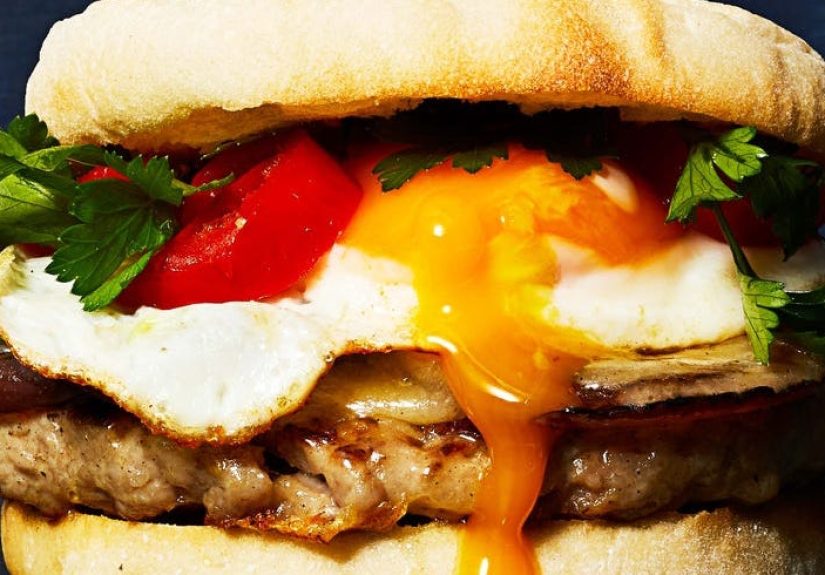
- Bottom half of toasted muffin
- Sausage patty
- Folded cheesy egg
- Optional extras (hot sauce, greens, onions, etc.)
- Top half of muffin
Step 5: The final upgradewrap and rest
Wrap each sandwich tightly in parchment paper or foil for 1–2 minutes. This tiny pause melts, melds, and “sets” the sandwich so every bite feels like it came from a breakfast counter that knows your order.
Flavor Variations (Because Morning You Gets Bored)
1) Classic Diner-Style Sausage, Egg, and Cheese
English muffin + sausage patty + folded egg + American cheese + a dash of hot sauce. Minimalist, iconic, undefeated.
2) Sweet-and-Savory Maple Sage
Choose sausage with sage notes (or add a tiny sprinkle of rubbed sage to the eggs). Finish with a very small drizzle of maple syrup on the sausage before topping with egg. It’s like brunch and comfort food shook hands.
3) Spicy Pepper Wake-Up Call
Add pickled jalapeños or pickled cherry peppers, plus a swipe of mayo mixed with hot sauce. The acidity cuts the richness so you can actually taste the sausage, not just feel it in your soul.
4) Biscuit-Shop Vibes
Swap English muffins for split biscuits. Toast the cut sides briefly in the skillet. Biscuits + sausage + egg is pure weekend energyeven if it’s a Tuesday.
5) Bagel Breakfast Tank
Use a toasted bagel (everything bagel = instant seasoning). Consider a slightly thinner sausage patty so the sandwich doesn’t become a jaw workout.
6) Lower-Carb “Sausage Bun” Sandwich
Make it Delish-style: use two sausage patties as the “bun,” with egg and cheese in the middle. It’s not subtle, but it is effective.
Make-Ahead and Freezer Breakfast Sandwiches (Future You Will Brag About This)
If you want a batch that reheats like a champ, consider an oven-baked egg slab: it’s easier than flipping a dozen eggs and gives you uniform portions.
Make-ahead method (for 6–8 sandwiches)
- Bake the eggs: Whisk 10 eggs with salt, pepper, and a splash of milk or cream. Pour into a greased, parchment-lined 9×13-inch pan and bake until set (start checking around 12–18 minutes at 325–350°F, depending on your pan). Cool slightly, then cut into sandwich-sized squares.
- Cook sausage patties and let them cool.
- Assemble on toasted English muffins with cheese.
- Wrap each sandwich tightly in parchment (then foil if you want extra freezer protection). Freeze in a bag.
Reheating tips (so it doesn’t taste like “freezer vibes”)
- Microwave + crisp: Unwrap foil, keep parchment, microwave until hot, then toast the muffin halves or finish in a toaster oven/air fryer briefly to re-crisp.
- Oven/air fryer: Reheat at a moderate temperature until warmed through, then unwrap for the last minute to bring back texture.
Freezer sandwiches are at their best quality within a couple monthsafter that they’re still safe, but texture can drift from “craveable” to “acceptable.”
Food Safety and Storage (Short, Clear, Non-Scary)
Breakfast sandwiches are friendly. Bacteria are not. A few basics keep everything safe and delicious:
- Cook sausage thoroughly: ground sausage should reach a safe internal temperature (use a thermometer if you can).
- Don’t let sandwiches hang out on the counter: perishable foods shouldn’t sit out too long, especially in warm kitchens.
- Refrigerate leftovers promptly and eat within a few days for best safety and quality.
- Egg dishes: cooked egg leftovers should be refrigerated and used within a similar window.
If you’re packing these for travel, keep hot food hot and cold food cold. If that’s not possible, treat it like a “eat soon” situation, not an “I’ll snack on this at 4 p.m.” situation.
Troubleshooting and Pro Tips
My muffin got soggy
Toast darker. Also, avoid watery add-ons (like thick tomato slices) unless you salt and blot them. Wrapping is great, but if you wrap a barely toasted muffin with steamy eggs, you’re basically making breakfast sauna bread.
My egg tastes rubbery
Heat is too high, or you cooked it too long. Pull the egg when it’s almost set; carryover heat finishes it. Also, don’t over-whisk like you’re auditioning for a cardio classjust combine until smooth.
My sausage burned before it cooked through
Medium heat, not high. If patties are thick, cover the pan for a minute after flipping to help the center cook without torching the outside.
My cheese didn’t melt
Put cheese against something hot (egg or sausage), then wrap for a minute. Heat + gentle steam = melt. Cold cheese slapped onto a lukewarm egg is just “dairy décor.”
Want that “drive-thru neatness” at home?
Use an egg ring or a metal jar lid to shape your egg. You’ll get a tidy round that stacks cleanly and looks suspiciously professionallike you own a tiny breakfast franchise.
Kitchen Experiences: 10 Lessons From a Life of Sausage-and-Egg Sandwiches (Extra )
I used to think a sausage-and-egg sandwich was too simple to mess up. Then I made one while half-awake and learned that breakfast has ruleseven if it wears sweatpants.
Lesson one: toast is not optional. The first time I skipped it, the muffin absorbed egg steam like it was training for a sponge Olympics. The flavor was fine, but the texture was “sad pillow.” Now I toast first, alwaysbecause a crispy edge is basically a tiny insurance policy.
Lesson two: sausage needs space. I once tried to cook four patties in a small pan and ended up with steamed sausage. It tasted okay, but it didn’t have that browned crust that makes your brain go, “Yes, this is the right decision.” If you want browning, you need breathing room. Crowding is how you get the culinary equivalent of a damp handshake.
Lesson three: eggs are divas about heat. High heat makes them tough fast, like they’re trying to prove a point. Medium-low heat makes them soft, custardy, and forgiving. When I finally started pulling the eggs before they were completely done, I got that tender, layered texture that feels like it came from a corner diner where the cook calls you “hon” and somehow remembers your order.
Lesson four: American cheese is not here for prestige; it’s here for performance. I tried “fancier” cheeses and kept getting oil separation, uneven melt, or a slice that refused to cooperate. American cheese melts like it went to grad school for the job. When you want a unified bite, you want the cheese that behaves.
Lesson five: wrapping is a cheat code. The first time I wrapped my sandwich and let it sit for a minute, everything clicked. The bread softened just enough, the cheese finished melting, the egg settled into place, and suddenly my sandwich stopped falling apart like a badly planned Jenga tower. It also tasted warmer and more “together,” which is exactly what you want at 7:12 a.m.
Lesson six: salt your tomatoes (or don’t invite them). Tomatoes can be amazing in a breakfast sandwich, but if you slice them thick and skip salting/blotting, they leak and your bread pays the price. Now, if I add tomato, I slice thin, salt lightly, and let it sit on a paper towel for a minutelike a tiny spa day before joining the sandwich.
Lesson seven: a little acid goes a long way. Pickled peppers, a dab of hot sauce, even a swipe of mustard anything tangy keeps the richness from feeling heavy. It’s the difference between “wow, that was satisfying” and “wow, I need a nap immediately.”
Lesson eight: freezer sandwiches are a lifestyle. The first batch I froze taught me to cool components before assemblinghot eggs plus a sealed wrap equals trapped moisture. Now I cool, assemble, wrap, and freeze, then reheat with a quick crisping step. It’s not complicated, but it makes the result taste intentional instead of like “a sandwich I found in the tundra.”
Lesson nine: the sandwich should fit your mouth, not your ego. If you use a giant bagel with a thick patty and a big folded egg, you’ll need to unhinge your jaw like a cartoon snake. Sometimes a thinner patty or a smaller bread is the real pro move.
Lesson ten: the best sausage-and-egg sandwich is the one you’ll actually make. Keep it simple on weekdays. Go wild on weekends. Add greens when you want balance, add syrup when you want comfort, and wrap it for one minute no matter whatbecause good breakfast is part cooking and part kindness to your future self.