
Table of Contents >> Show >> Hide
- First, what “polycythemia” actually means (and why legs get involved)
- Leg pain “red flags”: when to treat it like an emergency
- Common (non-emergency) leg pain patterns seen with polycythemia
- How clinicians figure out what’s causing your leg pain
- Treatment: reduce risk first, then calm the legs
- Practical ways to relieve polycythemia-related leg pain
- Prevention: a realistic plan for calmer legs and lower clot risk
- FAQ: quick answers people actually want
- Real-life experiences: what people commonly report (and what tends to help)
- Conclusion
Leg pain can be annoying, scary, or bothespecially when you’ve been told you have polycythemia
(meaning your body has too many red blood cells, or sometimes just too little plasma, making your blood “thicker”).
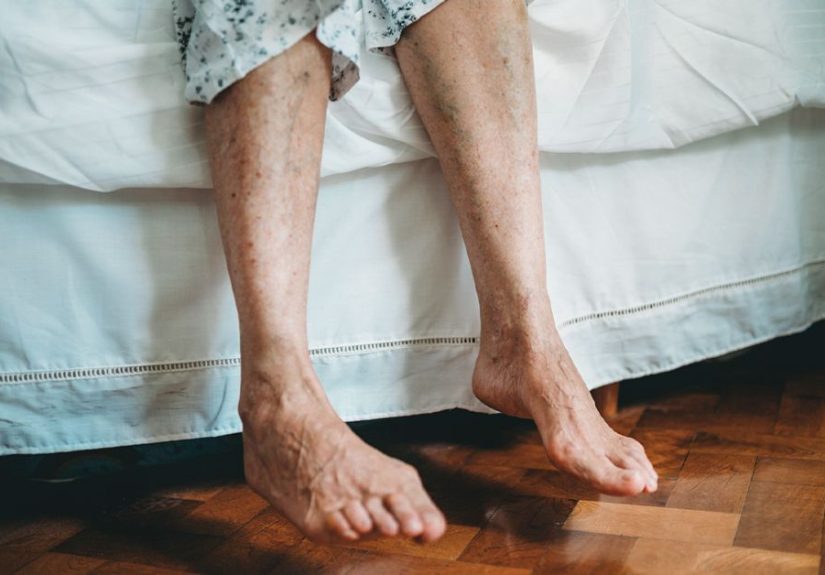
If your legs are aching, burning, cramping, or feeling heavy, it’s not “all in your head.” In polycythemia,
leg symptoms can come from several real, fixable pathwaysranging from irritated tiny blood vessels to
blood clots that deserve immediate attention.
This article breaks down what polycythemia-related leg pain can mean, how clinicians typically treat the root causes,
what you can do to prevent flare-ups, and when leg pain is your body’s way of waving a big red emergency flag.
(Yes, we’ll be serious when it mattersand just a little funny when it doesn’t.)
First, what “polycythemia” actually means (and why legs get involved)
Polycythemia vera vs. secondary (and “relative”) polycythemia
Polycythemia vera (PV) is a type of blood disorder (a myeloproliferative neoplasm) where the bone marrow
produces too many blood cellsespecially red blood cells. This can raise blood viscosity and increase the risk of
circulation problems and clotting.
Secondary polycythemia happens when something else pushes your body to make more red blood cellsoften
because of chronic low oxygen (like untreated obstructive sleep apnea, certain lung diseases, or living at high altitude).
There’s also relative polycythemia, where red cell numbers may be normal but the plasma portion is low
(dehydration can do this), making blood look concentrated.
Why leg pain shows up in polycythemia
Legs are ground zero for circulation drama. They’re far from the heart, they work against gravity, and they’re where
blood can pool if you’re sitting still for long stretches. In polycythemia, leg pain can show up due to:
- Blood clots in deep veins (DVT) or, less commonly, arterial clots that reduce blood flow.
- Microvascular issues (small blood vessel flow problems) causing burning pain or redness.
- Nerve irritation (tingling, burning, pins-and-needles) that some people with PV report.
- Inflammation and metabolic effects like gout attacks in joints (often the big toe, but not always).
- Plain-old cramps from dehydration, electrolyte imbalance, or overdoing itsometimes layered on top of everything else.
Leg pain “red flags”: when to treat it like an emergency
Here’s the hard truth: with polycythemiaespecially PVyou never want to ignore possible clot symptoms.
Many leg aches are benign, but some are time-sensitive.
Possible DVT (deep vein thrombosis)
Call your clinician urgently (same day) or seek emergency care depending on severity if you have:
- Swelling in one leg (especially new or rapidly worsening)
- Warmth, redness, or tenderness along the calf or thigh
- Pain that feels like a cramp but doesn’t behave like one (doesn’t ease with stretching/rest)
- Visible surface veins that look more prominent than usual
Possible pulmonary embolism (PE)
If a clot travels to the lungs, symptoms can include sudden shortness of breath, chest pain, fast heart rate,
coughing blood, or feeling faint. That’s an emergencycall emergency services.
Possible acute limb ischemia (arterial blockage)
Seek emergency care if you have sudden severe leg pain plus signs like pale/cool skin, numbness,
weakness, or inability to move the foot. Time matters because tissues need oxygen.
Common (non-emergency) leg pain patterns seen with polycythemia
1) Burning feet or hot, red legs: erythromelalgia and microvascular pain
Some people with PV experience episodes of burning pain, warmth, and rednessoften in the feet.
Symptoms can flare with heat, exercise, or letting the legs hang down, and may improve with cooling and elevation.
This pattern is often discussed under erythromelalgia or related microvascular symptoms.
Important nuance: people sometimes try aggressive ice baths. Cooling can help, but extreme cold can irritate skin and
trigger a rebound problem. Think “cool cloth” more than “arctic expedition.”
2) Tingling, numbness, or “electric” sensations
PV can be associated with tingling, burning, or weakness in the limbs in some patients.
This isn’t automatically dangerous, but it does deserve a real medical conversationespecially if symptoms are new,
worsening, or one-sided.
3) Heavy, achy legs after sitting (or standing) too long
Thickened blood, dehydration, and slower venous return can create a “my legs feel like sandbags” sensation.
Sometimes the fix is surprisingly unglamorous: move more often, hydrate consistently, and address underlying causes
such as sleep apnea or smoking.
4) Joint pain (including the foot)
PV can be linked with gout in some people, causing hot, swollen, painful joints (classically the big toe).
This is a different kind of pain than vascular symptomsmore localized to a joint, often with visible swelling and sensitivity.
How clinicians figure out what’s causing your leg pain
Key tests and questions that often come up
Because “leg pain” is a symptom, not a diagnosis, clinicians usually work from the most urgent possibilities down to the most likely:
- History and exam: one leg or both, sudden or gradual, worse with walking/heat, any swelling or redness.
- Blood tests: complete blood count (CBC), hematocrit/hemoglobin trends, sometimes iron studies.
- PV workup: tests such as JAK2 mutation and erythropoietin (EPO) level may be considered when PV is suspected.
- Clot evaluation: ultrasound for suspected DVT; additional imaging if PE is a concern.
- Oxygen assessment: pulse oximetry and evaluation for sleep apnea or lung disease when secondary polycythemia is possible.
Helpful details to bring to your appointment
- When the leg pain started and what it feels like (burning vs cramp vs heaviness)
- Triggers (heat, hot showers, exercise, sitting, dehydration)
- Whether one leg is swelling, warm, or red
- Recent travel, surgery, immobilization, hormone therapy, smoking, or dehydration
- Your latest hematocrit/hemoglobin numbers if you have them
Treatment: reduce risk first, then calm the legs
The most effective “leg pain treatment” in polycythemia is often not a painkillerit’s treating the
underlying blood and circulation issue. Your plan will depend on whether you have PV, secondary polycythemia,
or another cause.
Polycythemia vera: the core treatment pillars
-
Phlebotomy: removing blood to reduce hematocrit. Many guidelines and expert sources emphasize
keeping hematocrit under a target (commonly <45% in PV) to lower thrombosis risk. -
Low-dose aspirin: often used (when appropriate) to reduce clot risk and may help microvascular symptoms
in some patients. It’s not for everyoneyour clinician considers bleeding risk and platelet-related issues. -
Cytoreductive therapy (lowering blood cell production) for higher-risk patients or persistent symptoms:
commonly discussed options include hydroxyurea and interferon-alfa, with
ruxolitinib used in certain situations (such as intolerance or inadequate response to first-line approaches).
If your leg pain is driven by poor micro-circulation (burning feet, hot red flares), improving blood flow and lowering
viscosity can make a real difference over timeespecially when hematocrit control is consistent.
Secondary polycythemia: treat the “why”
When polycythemia is secondary, the best long-term relief often comes from correcting the trigger:
- Sleep apnea: effective treatment (often CPAP) can reduce chronic low-oxygen signaling.
- Lung disease: oxygen therapy may be used in select situations under medical supervision.
- Smoking cessation: helps oxygen delivery and reduces clot risk.
- Medication review: clinicians may check for drugs or hormones that affect clotting risk.
If leg pain is from a clot: treat the clot (don’t “walk it off”)
If DVT is diagnosed, treatment typically centers on anticoagulation (blood-thinning medication) to prevent
the clot from growing and to reduce the chance of PE. In higher-risk cases, additional interventions may be considered.
Your team may also discuss mobility and, in some cases, compressiontailored to your situation.
Practical ways to relieve polycythemia-related leg pain
For burning, heat-triggered flares
- Cool (not freezing) strategies: cool cloths, fans, breathable socks, avoiding hot baths.
- Elevate legs during flares to reduce dependency-related symptoms.
- Track triggers: heat, tight shoes, intense workouts, dehydration, and long standing can be repeat offenders.
- Talk to your hematology team: if microvascular symptoms persist, it may signal the need to optimize PV therapy.
For cramps and “tight calves”
- Hydrate steadily (think “small sips all day,” not “chug a lake at night”).
- Gentle stretching of calves and hamstrings, especially before bed.
- Review electrolytes and medications with your clinician if cramps are frequent.
For heaviness after sitting
- Movement snacks: stand, march in place, or do calf pumps every 30–60 minutes.
- Walking: a few short walks can beat one heroic, exhausting workout.
- Foot/ankle mobility: ankle circles and toe raises are small but surprisingly effective.
If you’re considering compression socks, ask your clinician firstespecially if you have arterial disease risk,
significant swelling, or a history of clots. Compression can be useful in some cases, but the “right” approach depends on
your diagnosis and circulation status.
Prevention: a realistic plan for calmer legs and lower clot risk
1) Keep hematocrit and symptoms consistently controlled
In PV, prevention starts with the boring-but-powerful basics: keep appointments, follow the phlebotomy plan if prescribed,
take medications as directed, and monitor trends. Many complications are risk-of-time-and-consistency problems, not
“one bad day” problems.
2) Make movement non-negotiable (but not extreme)
You don’t need to train for a marathon to protect your legs. You need regular circulation.
Aim for frequent light-to-moderate activity and fewer long motionless stretches.
3) Hydrate like it’s your job (but don’t DIY fluid restrictions)
Adequate hydration supports circulation. If you have heart failure, kidney disease, or fluid restrictions,
follow your clinician’s guidance. Otherwise, consistent hydration can reduce crampiness and may help prevent “thick feeling” blood days.
4) Reduce cardiovascular and clot risk factors
- Don’t smoke (and get help quitting if you need itthis is a high-return change).
- Manage blood pressure, cholesterol, and diabetes if applicable.
- Discuss hormones and clot history with your clinician.
- Prioritize sleepespecially if sleep apnea is suspected (snoring, daytime fatigue, witnessed pauses in breathing).
5) Travel and desk-work strategy (because life happens)
If you’re sitting for long periods (flights, road trips, marathon Zoom days), use a simple routine:
- Set a timer to move every 45–60 minutes.
- Do ankle pumps and calf squeezes while seated.
- Stay hydrated and limit alcohol (which can dehydrate you and disrupt sleep).
- Wear comfortable, non-restrictive footwear.
FAQ: quick answers people actually want
Can polycythemia cause leg pain at night?
It can. Nighttime symptoms may come from cramps, restless legs-like sensations, neuropathic tingling/burning,
or circulation changes when you’re less active. If symptoms are new, one-sided, or paired with swelling/warmth,
get checked promptly.
Does heat make polycythemia leg pain worse?
Heat can worsen burning flares and microvascular symptoms for some people (especially in erythromelalgia patterns).
But a gentle warm compress might help a plain muscle cramp. The key is pattern recognition: burning + redness + heat sensitivity
often behaves differently than a simple “tight calf after leg day.”
Should I exercise if I have PV and leg pain?
Many people benefit from regular, moderate activity, but the plan should be individualizedespecially if you’ve had clots,
heart/lung disease, or severe symptoms. If walking reliably triggers calf pain (especially with exertion), ask about circulation evaluation.
Real-life experiences: what people commonly report (and what tends to help)
The “experience” of polycythemia leg pain is often less like a single symptom and more like a rotating cast of characters.
People describe good weeks where their legs feel normaland then a stretch where their calves act like they’re auditioning
for a drama series.
One common story is the “hot shower surprise”. Someone steps into a warm shower, expecting relaxation,
and instead walks out itchy or with feet that feel like they’ve been plugged into a toasterburning, red, and angry.
Many learn (through trial, error, and mild betrayal) that heat can be a trigger. What tends to help is surprisingly practical:
slightly cooler water, a fan afterward, and loose socks/shoes. A few people keep a “cool kit” at homea gel pack wrapped in a towel,
or a cool damp clothbecause a gentle cooling strategy is easier than playing detective mid-flare.
Another frequent experience is the “Is this a clot or am I spiraling?” moment. Leg pain can trigger anxiety,
especially once you learn that PV and clot risk can go together. People say it helps to have a clinician-approved checklist:
“Is it one-sided swelling? Warmth? Redness? Sudden onset? Shortness of breath?” Having clear criteria can reduce panic
without encouraging denial. In other words: you’re not trying to become your own emergency roomyou’re trying to know
when it’s time to call one.
There’s also the “phlebotomy day routine” many PV patients develop. People often report feeling better
when hematocrit control is steady, but the day of treatment can come with fatigue or light-headedness. What many find useful:
hydrating beforehand (as advised), eating a sensible meal, and planning a lighter schedule after. Some describe it like
“giving blood, but with better reasons.” Over time, a routine can turn a dreaded appointment into a manageable errand.
Desk workers and frequent travelers often share a fourth storyline: the long-sit leg slump.
After hours in a chair, legs can feel heavy, tight, or crampy. The wins here are tiny but consistent:
setting a timer to stand every hour, doing ankle pumps during calls, taking a short walk after meals, and keeping water nearby.
People are often shocked that these “small” changes matter. Your circulatory system, it turns out, is not impressed by your inbox.
Finally, many people mention the emotional side: leg symptoms can feel unpredictable, and unpredictability is exhausting.
Support groups, symptom journals, and a clinician who takes complaints seriously can be game-changers. A lot of people say
the best prevention tool isn’t a gadgetit’s a plan: knowing their targets (like hematocrit goals if they have PV),
knowing their triggers (heat, dehydration, long sitting), and knowing their red flags (possible clot symptoms).
The goal isn’t perfection. It’s fewer surprisesand legs that go back to being legs instead of a daily mystery novel.
Conclusion
Polycythemia leg pain has more than one cause, so the best treatment is targeted: rule out emergencies, control blood counts
and viscosity when PV is involved, treat underlying oxygen issues in secondary polycythemia, and build daily habits that keep
blood moving. If your leg pain is one-sided with swelling, warmth, or rednessor you have chest pain or sudden shortness of breath
treat it as urgent. Otherwise, work with your clinician to optimize your plan, identify triggers, and prevent flare-ups.
Your legs do a lot for you; it’s okay to return the favor with a little strategy.





 Close
Close