Table of Contents >> Show >> Hide
There are few kitchen victories more satisfying than pulling a loaf of homemade bread from the oven and pretending, just for a moment, that you now own a tiny bakery with excellent lighting and zero payroll. Bread recipes have a magical way of turning basic pantry staples into something deeply comforting, wildly useful, and almost suspiciously delicious. Flour, water, salt, and yeast do not look impressive on the counter. Give them time, heat, and a little patience, though, and suddenly you have sandwich bread, focaccia, dinner rolls, quick breads, and crusty artisan loaves that make store-bought bread look like it forgot to dress up.
This guide breaks down the best bread recipes for home bakers, from beginner-friendly loaves to rustic breads with real character. You will also find smart bread baking tips, common mistakes to avoid, and practical ways to store your loaf so it stays fresh instead of turning into a brick with emotional issues. Whether you want soft sandwich bread, chewy sourdough, hearty whole wheat bread, or a quick bread that skips yeast altogether, these bread recipes cover the full carb-loving spectrum.
Why Homemade Bread Still Wins
Homemade bread is not just about flavor, although that alone is reason enough to preheat the oven. It is also about texture, freshness, and control. When you bake your own loaf, you decide whether it should be tender and buttery, rustic and crackly, or sturdy enough to handle a heroic amount of peanut butter. You can adjust sweetness, salt, flour blends, seeds, herbs, or enrichment ingredients like butter, eggs, and milk.
Another advantage is that learning a few core bread recipes teaches you technique that transfers beautifully. Once you understand how a basic yeast dough behaves, you can move from sandwich bread to dinner rolls, from pizza dough to focaccia, and from “I can’t bake” to “I now discuss hydration percentages at parties.” That last phase arrives faster than expected.
The Best Bread Recipes Every Home Baker Should Know
1. Classic White Sandwich Bread
If there is a workhorse loaf in the homemade bread world, this is it. A classic sandwich bread recipe usually relies on bread flour or all-purpose flour, water or milk, yeast, salt, and a bit of sugar or butter for softness. The result is a loaf with a tender crumb, even slices, and enough structure for toast, grilled cheese, and weekday sandwiches that deserve better than flimsy bread from a plastic bag.
The key here is balance. Too much flour and the loaf turns dry. Too little kneading and the structure never develops. A properly mixed sandwich bread dough should feel soft, slightly tacky, and smooth after kneading. Let it rise until puffy, shape it tightly, and bake until the crust is golden and the loaf sounds lightly hollow when tapped. This is one of the most useful bread recipes to master because it fits real life, not just romantic baking montages.
2. Rustic No-Knead Artisan Bread
No-knead bread is the overachiever of easy bread recipes. It asks for very little active work and still shows up with a crackly crust and open crumb like it trained in Paris. The secret is a wetter dough and a longer rise. Instead of relying on heavy kneading, time does the gluten development for you. Translation: the dough does most of the job while you do absolutely anything else.
This kind of bread is often baked in a Dutch oven, which traps steam and helps create that glossy, deeply browned crust. A basic no-knead loaf pairs beautifully with soups, pasta, olive oil, or a dramatic amount of salted butter. If you are new to bread baking, this is one of the best homemade bread recipes to start with because it proves you do not need fancy shaping skills to make impressive bread.
3. Soft Whole Wheat Bread
Whole wheat bread has a reputation for being worthy, dense, and slightly too committed to wellness. It does not have to be. The best whole wheat bread recipes produce a loaf that is hearty but still soft, flavorful, and sliceable. Many bakers use a mix of whole wheat flour and bread flour to keep the loaf lighter while still delivering nutty flavor and better nutrition.
The trick is hydration and patience. Whole wheat flour absorbs more liquid and benefits from enough resting time to soften the bran and improve texture. Adding a touch of honey, oil, or milk can make the crumb more tender. This loaf is excellent for toast, turkey sandwiches, and feeling faintly superior while eating breakfast.
4. Rosemary Focaccia
Focaccia is one of the most rewarding bread recipes because it is forgiving, dramatic, and deliciously oily in the best possible way. A good focaccia dough is high-hydration, which helps create a light interior and those gorgeous irregular air pockets. The surface gets dimpled with your fingertips, then showered with olive oil, flaky salt, and often rosemary.
The beauty of focaccia is that it welcomes variation. Add roasted garlic, cherry tomatoes, olives, caramelized onions, or parmesan. Serve it as a side, use it for sandwiches, or tear off pieces while standing in the kitchen pretending you are “just testing it.” Everybody knows that means you are eating half the pan.
5. Irish Soda Bread
When you want bread today and yeast sounds like too much emotional labor, Irish soda bread is the answer. This quick bread uses baking soda and buttermilk instead of yeast, which means no proofing, no extended rise, and no waiting around while your stomach files a complaint. The crumb is tighter than yeast bread, but the flavor is lovely and slightly tangy.
Traditional soda bread is simple and rustic, but modern versions may include raisins, seeds, oats, or a touch of sugar. It is especially good warm, with butter melting into the cracks. For beginners, this is one of the easiest bread recipes around, and for experienced bakers, it is a reminder that not every great loaf needs a three-act fermentation process.
6. Sourdough Country Loaf
Sourdough bread remains the celebrity loaf of the home baking world, and yes, it deserves some of the hype. A well-made sourdough loaf has complex flavor, a chewy crumb, and a crust that makes a very satisfying crackle when sliced. It uses a live starter rather than commercial yeast, which means flavor develops through natural fermentation.
Sourdough does require more planning than most bread recipes. You need an active starter, a sense of dough development, and a willingness to respect fermentation instead of trying to bully it. But once you get the hang of it, sourdough becomes less intimidating and more meditative. It is the bread recipe that teaches patience, humility, and the importance of not slicing too early, no matter how amazing the loaf smells.
7. Soft Dinner Rolls or Milk Bread
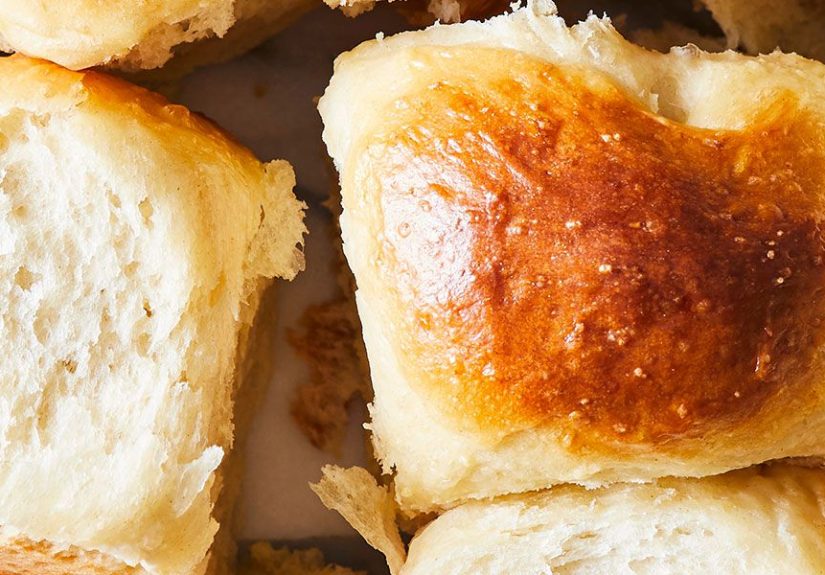
Some days you want rustic. Other days you want clouds. Soft dinner rolls and milk bread live firmly in the cloud category. These enriched bread recipes often include milk, butter, eggs, and sometimes sugar, which create a plush crumb and delicate flavor. They are perfect for holiday dinners, sliders, breakfast toast, or sneaking from the pan before guests arrive.
If you want bread that stays soft longer, enriched doughs are your friend. They may take a bit more kneading, but the payoff is enormous. These are the breads that make people say, “You made this?” with genuine disbelief, which is one of the better sounds in life.
8. Banana Bread and Other Quick Breads
Technically, quick breads are not yeast breads, but they absolutely belong in any conversation about bread recipes. Banana bread, zucchini bread, pumpkin bread, and similar loaves are fast, flexible, and ideal for using ingredients that are one day away from becoming a science experiment. They rely on baking powder or baking soda for lift, which makes them weeknight-friendly and beginner-safe.
Good quick bread should be moist, flavorful, and not overloaded with so many mix-ins that it collapses under the weight of its own ambition. Banana bread remains the reigning champion because it is easy, nostalgic, and wonderfully adaptable. Chocolate chips, walnuts, cinnamon, brown butter, or a crumb topping all work beautifully.
Smart Bread Baking Tips That Actually Matter
The best bread recipes are only as good as the habits behind them. First, measure with care. A kitchen scale is not a fussy luxury; it is one of the easiest ways to improve consistency. Bread dough is all about ratios, and even a little too much flour can make the difference between a lofty loaf and a bread-shaped regret.
Next, learn what dough should feel like. Written instructions are useful, but bread is tactile. A healthy dough often feels elastic, soft, and alive. It should not be dry and stubborn, nor should it puddle across the counter like it has given up on everything. If a dough is sticky, resist the urge to drown it in extra flour immediately. Sometimes it just needs rest, not panic.
Fermentation also matters more than force. Dough rises on its own schedule, influenced by room temperature, flour type, and hydration. That is why the smartest bread bakers watch the dough, not just the clock. If a recipe says “rise for 1 hour,” read that as a guideline, not a legally binding contract.
Finally, let bread cool before slicing. Yes, this is cruel. Yes, the loaf smells amazing. Yes, waiting matters. Cutting too early releases steam that should stay inside the bread, and the crumb can turn gummy. Give the loaf at least enough time to stop acting like molten lava in a crust costume.
Common Bread Mistakes and How to Fix Them
- Dense loaf: Usually caused by underproofing, too much flour, or weak gluten development. Measure carefully and allow enough rise time.
- Flat loaf: Often a sign of overproofing or too much water for the dough structure. Shape more tightly and watch the final rise.
- Pale crust: Your oven may run cool, or the loaf may need more bake time. Steam and proper preheating also help with crust color.
- Dry bread: Too much flour, overbaking, or poor storage are common culprits. Start with accurate measurements and cool the loaf on a rack.
- Gummy interior: The bread may be underbaked or sliced too early. Give it a few more minutes in the oven and more patience on the counter.
Most bread problems are not disasters. They are clues. A loaf that comes out less than perfect is still usually edible, often delicious, and always educational. Also, toast exists for a reason.
How to Store Bread Without Ruining It
Fresh bread is at its best on day one, but that does not mean day two is hopeless. Soft sandwich loaves can be wrapped and kept at room temperature for several days. Crusty artisan bread is happiest in paper or loosely wrapped at room temperature if you plan to eat it quickly. Refrigeration is usually not ideal for crusty loaves because it speeds up staling, even though it may slow mold.
For longer storage, freezing is the real hero. Slice the loaf first if you want easy access later, wrap it well, and freeze it. Reheat slices in a toaster or refresh a crusty loaf in the oven. Stale bread also has a second life in croutons, breadcrumbs, strata, bread pudding, and panzanella. A dry loaf is not a failure. It is just a plot twist.
The Experience of Baking Bread: Why These Recipes Stick With You
There is a reason bread recipes become family rituals instead of one-time kitchen experiments. Baking bread is not just about feeding people. It is about repetition, memory, smell, and those oddly peaceful moments when your hands are busy and your mind finally quiets down. The first time many people bake bread, they are not chasing perfection. They are chasing the warm idea of home. Then the dough sticks to the counter, the flour goes everywhere, and the kitchen looks like a bakery exploded. Somehow, that only makes the experience better.
One of the most memorable parts of baking bread is learning that dough has a personality. Some days it behaves beautifully, rising on cue and shaping like a dream. Other days it sulks because the room is cold, the flour is thirsty, or your “quick adjustment” was not actually very quick or very wise. Bread recipes teach patience in a way few kitchen projects can. You cannot rush fermentation with positive thinking. You cannot glare a loaf into better oven spring. You have to slow down, pay attention, and work with the dough instead of trying to dominate it like a reality-show judge.
The sensory side of bread baking is what keeps people hooked. The smell of yeast blooming in warm liquid. The feel of dough changing from shaggy mess to smooth elasticity. The sight of a risen loaf that suddenly looks alive and hopeful. Then comes the baking itself, when the kitchen fills with the smell that every candle company has tried and failed to capture. Fresh bread smells generous. It smells like somebody cares. It smells like dinner might actually be okay.
There is also a quiet confidence that comes from returning to the same bread recipes over time. The first loaf might be clumsy. The third gets better. By the sixth, you stop rereading every line and start understanding the rhythm of the process. You notice small things: how whole wheat dough feels different from white dough, how a wetter dough rewards gentler handling, how a little extra olive oil transforms focaccia from good to unforgettable. These are not flashy victories, but they are deeply satisfying ones.
Bread also has a social superpower. People react to homemade bread with a level of joy usually reserved for puppies and tax refunds. Bring a warm loaf to a table and the mood changes immediately. Neighbors remember it. Friends ask for the recipe. Family members suddenly appear in the kitchen “just to check on things,” which is code for hovering until slicing becomes possible. Bread recipes create moments that feel bigger than the ingredient list. A loaf on the table says comfort, effort, and welcome without needing a speech.
And maybe that is why bread baking stays so relevant, even when life gets busy and convenience is always within reach. Bread recipes ask for time, but they give something back that convenience rarely can. They turn waiting into part of the pleasure. They reward attention. They make ordinary days feel a little warmer, a little slower, and a lot more human. Even when a loaf comes out crooked, dense, or less photogenic than planned, it still carries that handmade charm. In the end, bread recipes are not only about bread. They are about practice, generosity, comfort, and the small miracle of making something wonderful from ingredients that looked completely unremarkable an hour earlier.
Conclusion
The best bread recipes are the ones that fit your life. Maybe that means a crusty no-knead loaf for weekends, a reliable sandwich bread for school lunches, a pan of focaccia for sharing, or banana bread for rescuing overripe fruit from the brink. Start with one recipe, learn the feel of the dough, and build from there. Bread baking is part science, part instinct, and part refusing to let the last heel of butter go to waste. In other words, it is a very worthwhile hobby.