Table of Contents >> Show >> Hide
Butternut squash is one of those vegetables that seems to show up every fall wearing a cozy sweater and acting like it owns the season. To be fair, it kind of does. Sweet, nutty, and surprisingly versatile, this winter squash works in soups, grain bowls, pasta, casseroles, salads, and even desserts. It is also packed with nutrients that make dietitians smile in a very professional way.
If you have ever looked at a butternut squash and thought, “That is either dinner or a kettlebell,” you are not alone. The good news is that once you get past the hard outer skin, you get a food that delivers fiber, potassium, vitamin C, carotenoids, and a generous dose of provitamin A. In plain English, it is a low-calorie, nutrient-dense vegetable that can fit into many healthy eating patterns.
This article breaks down the health benefits of butternut squash, practical ways to use it, and the possible risks to keep in mind. No scare tactics, no miracle-food nonsense, and no pretending that one bowl of squash soup will fix your entire life. But it can absolutely make lunch better.
What is butternut squash?
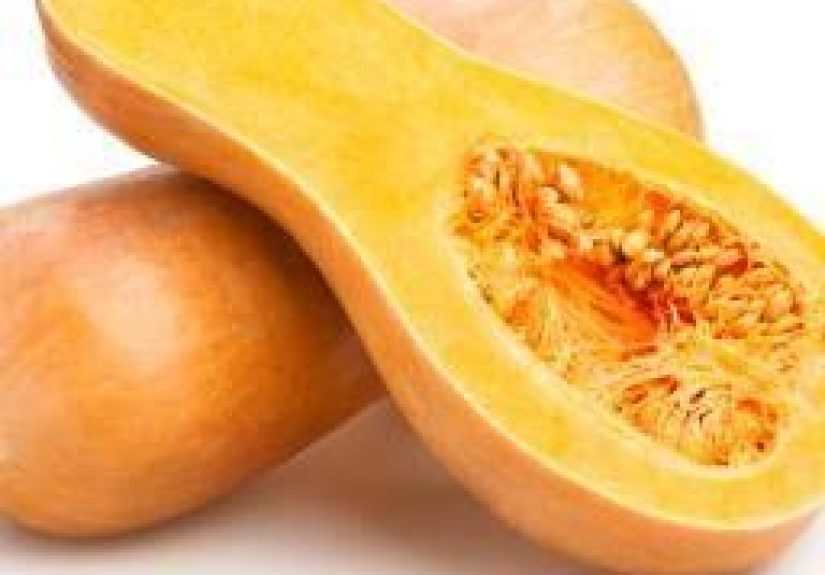
Butternut squash is a type of winter squash with beige skin and deep orange flesh. Despite the name, it is harvested in late summer and fall and stores well for months, which is why it becomes a cold-weather staple. Its flavor is mildly sweet and slightly nutty, somewhere between pumpkin and sweet potato, but with its own personality.
Unlike watery summer squash, butternut squash has dense flesh that becomes creamy when roasted or pureed. That texture makes it especially useful in hearty meals. It can be cubed and roasted, steamed, mashed, blended into soup, stirred into risotto, or tucked into tacos and pasta dishes. In other words, it is the overachiever of the produce aisle.
Butternut squash nutrition at a glance
One cup of cooked butternut squash is relatively modest in calories but generous in nutrients. It provides about 82 calories, 21.5 grams of carbohydrates, 1.84 grams of protein, and 3.2 grams of fiber. That same serving also contains about 582 milligrams of potassium, 31 milligrams of vitamin C, and roughly 59 milligrams of magnesium.
The standout nutrient, though, is vitamin A activity from carotenoids, especially beta carotene, which gives butternut squash its bright orange color. It also contains other carotenoids such as lutein and zeaxanthin, along with smaller amounts of vitamin B6 and other minerals. That is a strong nutritional package for a vegetable that tastes like comfort food.
Health benefits of butternut squash
1. It supports eye health
The orange flesh of butternut squash is a clue that it is rich in carotenoids. Some of these compounds, especially beta carotene, can be converted by the body into vitamin A. Vitamin A is important for normal vision, including vision in low light, and it also helps keep the retina and other tissues functioning properly.
That does not mean butternut squash gives you superhero night vision. It does mean it is a smart food choice if you want more vitamin A-rich vegetables in your routine. Since many Americans could stand to eat more colorful produce, butternut squash is a practical way to do exactly that without chewing your way through a sad plate of plain greens.
2. It helps support immune function
Vitamin A and vitamin C both play important roles in immune health, and butternut squash provides both. Vitamin A supports the normal function of the immune system, while vitamin C helps with wound healing and acts as an antioxidant. A cup of cooked squash does not cover every nutrient your immune system needs, but it contributes meaningfully.
This is one reason butternut squash often earns a place in cooler-weather meals. When people are looking for comforting foods during cold and flu season, a roasted squash dish or soup can bring flavor and useful nutrients to the table. No, it is not a magic shield against every germ in the universe. It is just a genuinely nutritious food, which is honestly enough.
3. It fits well into a heart-healthy diet
Butternut squash is naturally low in fat and sodium and provides a good amount of potassium. Potassium helps balance sodium in the diet and supports healthy blood pressure regulation. That matters because many people get far too much sodium and not enough potassium-rich foods.
Just as important, butternut squash helps people eat more vegetables overall. Diets rich in vegetables, fruits, whole grains, legumes, and minimally processed foods are consistently associated with better heart health. Butternut squash is not doing all the work by itself, but it absolutely pulls its weight on the team.
4. It can support digestive health
Fiber is one of butternut squash’s quiet strengths. A cooked cup gives you more than 3 grams, which helps move digestion along and contributes to fullness after meals. Fiber-rich diets are linked with digestive benefits and better overall diet quality, and many adults still fall short of their daily fiber needs.
If your usual vegetable intake is somewhere between “not great” and “I had fries yesterday,” butternut squash can help close the gap. It is easy to blend into soups, mash into side dishes, or add to grain bowls, which makes fiber intake feel less like homework.
5. It provides antioxidants in a low-calorie package
Carotenoids and vitamin C have antioxidant activity, meaning they help protect cells from oxidative stress. While the word antioxidant often gets tossed around like confetti in wellness marketing, the real point is simpler: foods rich in plant compounds can support overall health when they are part of a balanced diet.
Butternut squash is especially useful because it delivers those compounds without a heavy calorie load. That makes it appealing for people who want a filling, flavorful side dish that feels satisfying without relying on excess butter, cream, or sugar. Of course, if you add three cups of marshmallows and call it a vegetable, the math changes a bit.
6. It may help with satiety and meal balance
Because butternut squash contains fiber and carbohydrates with a naturally rich texture, it can make meals feel substantial. Roasted cubes in a salad, mashed squash under a piece of salmon, or blended squash in soup can add volume and comfort without turning the meal into a calorie bomb.
This is especially helpful for people trying to build meals that are both nutritious and realistic. “Healthy eating” tends to fall apart when lunch is depressing. Butternut squash helps with that. It tastes good, has a naturally creamy texture, and pairs well with protein, legumes, grains, herbs, spices, and healthy fats.
Best ways to use butternut squash
Roast it for maximum flavor
Roasting is the easiest way to make butternut squash taste like it has its life together. Cube it, toss it with olive oil, add a little salt, pepper, and maybe smoked paprika or cinnamon, then roast until tender and caramelized. The edges get sweet and savory at the same time, which is the culinary equivalent of having excellent range.
Blend it into soup
Butternut squash soup is popular for a reason. The flesh becomes silky when cooked, so it blends beautifully with broth, onions, garlic, ginger, apples, carrots, or coconut milk. You can keep it simple or make it more filling with white beans or lentils.
Use it in grain bowls and salads
Roasted butternut squash pairs well with quinoa, farro, brown rice, spinach, arugula, chickpeas, goat cheese, toasted nuts, and vinaigrettes. It adds color, fiber, and a little sweetness that balances bitter greens and tangy dressings.
Swap it in for some starches
Mashed butternut squash can stand in for part of the potatoes in a mash, and pureed squash can be stirred into pasta sauces, risotto, mac and cheese, or casseroles. It works because it adds body and sweetness without overpowering everything else.
Try it in baked goods
Pureed butternut squash can also go into muffins, quick breads, pancakes, and pies. Think of it as pumpkin’s slightly less famous but equally capable cousin. It brings moisture, color, and a mild sweetness that works especially well with cinnamon, nutmeg, maple, and pecans.
How to choose, store, and prep it
Look for a squash that feels heavy for its size, with matte beige skin and no major soft spots or cracks. Whole winter squash stores best in a cool, dry place. Under proper conditions, it can last for months, which is one reason it is such a useful pantry-adjacent vegetable.
If cutting it feels like a full upper-body workout, microwave it for a minute or two first to soften the skin slightly. Then trim the ends, cut through the neck and bulb, scoop out the seeds, peel if needed, and cube. Cooked squash freezes well, so you can batch-prep it and save yourself future knife-related drama.
Possible risks and downsides
It can be high in potassium for some people
Butternut squash is a plus for many people because of its potassium content, but that same feature can be a drawback for people with chronic kidney disease or others who have been told to limit potassium. In that setting, portion size matters. A vegetable can be healthy and still not be the right fit for every medical situation.
If you follow a low-potassium diet, do not assume that “it is a vegetable, so it must be fine.” Check with your doctor or dietitian, especially if you have kidney disease or take medications that affect potassium balance.
A sudden increase in fiber can cause bloating
If you do not usually eat much fiber, adding large servings of butternut squash all at once may lead to bloating, gas, or digestive discomfort. That is not a sign the squash is evil. It is usually a sign that your digestive system would prefer a gentler ramp-up.
A better strategy is to increase fiber gradually and drink enough fluids. Your stomach generally appreciates not being ambushed.
Allergic reactions are possible, though uncommon
Some people can have oral allergy syndrome, also called pollen-food allergy syndrome, after eating raw fruits or vegetables. Symptoms may include itching or mild swelling in the mouth or throat. Severe reactions are uncommon, but any breathing trouble or widespread reaction needs urgent medical attention.
Cooking often reduces these reactions in people with oral allergy syndrome, because heat can break down the proteins involved. If squash consistently causes symptoms, that is a good reason to talk with an allergist instead of conducting your own very unscientific kitchen experiments.
Do not eat squash that tastes unusually bitter
One practical food-safety note: if a squash tastes sharply bitter, stop eating it. Certain cucurbit compounds can make squash taste bitter and may cause illness. This is uncommon, but it is a real issue. A dramatically bitter squash is not “extra flavorful.” It is a red flag.
Vitamin A toxicity is usually about supplements, not squash
Because butternut squash is rich in provitamin A carotenoids, some people worry that eating it often might cause vitamin A toxicity. In practice, vitamin A toxicity is far more commonly linked to high-dose supplements or excessive amounts of preformed vitamin A, not to eating vegetables like butternut squash.
That said, if you take supplements containing vitamin A, especially during pregnancy, it is smart to review them with a healthcare professional. Food is one thing. Mega-dose capsules are another story entirely.
Everyday experiences with butternut squash
For many people, the first experience with butternut squash is not elegant. It is usually something like this: you buy one because it looks wholesome and seasonal, bring it home, and then realize it has the structural integrity of a bowling pin. There is often a brief moment of staring, a deep sigh, and a search for “how to cut butternut squash without ruining my afternoon.” Once people get past that part, though, they tend to become loyal fans.
A common experience is discovering how filling butternut squash can be without making a meal feel heavy. Someone who is used to a small, unsatisfying salad may toss in roasted squash cubes, chickpeas, pumpkin seeds, and a tangy dressing and suddenly have a lunch that actually keeps them full until dinner. That tends to be the turning point. The vegetable stops being a side character and starts acting like a real meal builder.
Home cooks also notice that butternut squash is one of those rare “healthy” foods that children and skeptical adults will sometimes accept without a dramatic negotiation. Roasted with a little olive oil, cinnamon, or maple, it leans sweet enough to feel familiar. Blended into soup or stirred into mac and cheese, it can disappear into the background while quietly improving the texture and nutrition. That is basically the vegetable version of being charming and useful at the same time.
People who meal prep often appreciate how well butternut squash holds up. It can be roasted on Sunday and used for several different meals: tucked into tacos one day, layered into grain bowls the next, then folded into pasta or soup later in the week. Unlike delicate greens that seem to wilt from emotional stress alone, butternut squash tends to stay sturdy and dependable. It is not flashy, but it is reliable, and that counts for a lot on busy weeknights.
Another real-world experience is learning that butternut squash rewards seasoning. Some people try it plain the first time and decide it is fine but not life-changing. Then they roast it with garlic and sage, or cumin and chili flakes, or thyme and black pepper, and suddenly things get interesting. Its mild sweetness makes it flexible enough to go savory, spicy, or subtly sweet. That versatility is why it keeps showing up in so many kitchens once people learn how to use it.
There is also the seasonal comfort factor. Butternut squash soup, especially on a cold day, has the kind of cozy reputation that is completely deserved. It is warm, creamy, and satisfying, yet it does not leave you feeling like you accidentally ate a brick. For people trying to eat more vegetables without feeling deprived, that matters. Healthy food has a much better chance of becoming a habit when it feels comforting rather than punishing.
In the end, the experience many people report is simple: butternut squash makes healthy eating feel more doable. It is nourishing without being boring, practical without being plain, and versatile enough to earn a repeat invitation to dinner. Sure, it may ask for a sharp knife and a little patience up front. But once it is on the plate, it usually makes a very convincing case for itself.
Final thoughts
Butternut squash is more than a seasonal favorite. It is a nutrient-dense vegetable that brings fiber, potassium, vitamin C, and carotenoids to the table in a form that is genuinely enjoyable to eat. It supports a healthy diet, works in a huge range of dishes, and offers serious culinary flexibility for such a humble-looking vegetable.
The main cautions are also pretty manageable: watch portions if you need to limit potassium, increase fiber gradually if your diet is low in it, avoid any squash that tastes very bitter, and pay attention to allergy symptoms if they happen. For most people, though, butternut squash is a smart, delicious ingredient worth keeping in regular rotation. Autumn may be its peak season, but honestly, it has year-round main-character potential.