
Table of Contents >> Show >> Hide
- The Short Answer
- What a CPAP Machine Actually Does
- Why This Question Comes Up So Often
- When CPAP May Help Someone with Asthma
- Why CPAP Is Not a Substitute for Asthma Treatment
- What Evidence-Based Asthma Treatment Usually Looks Like
- Could CPAP Ever Be Used During a Severe Asthma Flare?
- The Downsides of Using CPAP When You Do Not Need It
- Signs You Should Ask Your Doctor About Sleep Apnea If You Have Asthma
- What Real People Often Experience with Asthma and CPAP
- Final Takeaway
If you have asthma, a CPAP machine can look a little like a miracle box. It pushes air. Asthma makes breathing harder. The math seems suspiciously simple. So it is completely reasonable to ask: Can you treat asthma with a CPAP machine?
The honest answer is nuanced. CPAP is not a standard treatment for asthma by itself. It is mainly used to treat obstructive sleep apnea, a condition in which the upper airway repeatedly collapses during sleep. But here is where things get interesting: if a person has both asthma and sleep apnea, treating the sleep apnea with CPAP may improve nighttime breathing, sleep quality, and sometimes overall asthma control. In other words, CPAP can be a helpful teammate in certain situations, but it is not the star player for asthma management.
That distinction matters. Asthma is a chronic inflammatory airway disease. It involves swelling, sensitivity, mucus production, and airway tightening. CPAP does not replace inhaled corticosteroids, rescue inhalers, trigger control, or an asthma action plan. What it may do is help some people breathe better at night, sleep more deeply, and reduce the extra burden that untreated sleep apnea places on already cranky airways.
The Short Answer
No, a CPAP machine is not considered a primary treatment for asthma. If you have asthma, the main evidence-based treatments are usually controller medicines, quick-relief inhalers, trigger avoidance, and regular follow-up with a clinician. However, CPAP may help if your asthma is being worsened by obstructive sleep apnea, especially if your symptoms are worse at night, you snore loudly, wake up gasping, feel exhausted during the day, or have been told you stop breathing in your sleep.
So if you were hoping a CPAP machine could replace your asthma medications, that is the medical equivalent of trying to fix a leaky roof by wearing a better hat. Helpful in a narrow way? Maybe. A total solution? Not even close.
What a CPAP Machine Actually Does
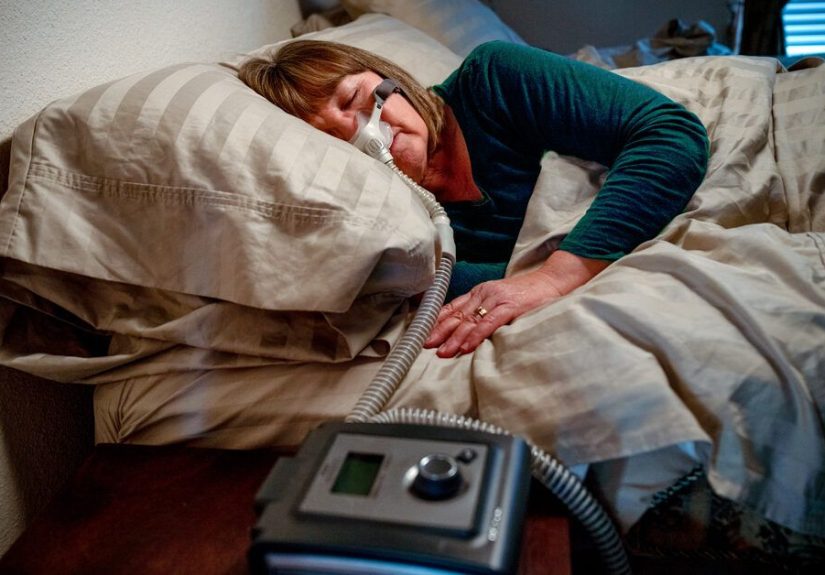
CPAP stands for continuous positive airway pressure. The machine sends a gentle stream of pressurized air through a mask worn over the nose, or nose and mouth, while you sleep. That pressure helps keep the upper airway open so it does not collapse over and over during the night.
That is why CPAP is a common treatment for sleep apnea. It is designed to address airway collapse during sleep, not the airway inflammation and bronchospasm that define asthma. The mechanism is different. Asthma usually affects the lower airways in the lungs. Sleep apnea mainly affects the upper airway in the throat during sleep.
Still, bodies love making things complicated. When sleep apnea and asthma show up to the same party, they can make each other worse. Poor sleep can increase inflammation, worsen fatigue, and make nighttime symptoms feel more intense. Repeated drops in oxygen and disrupted sleep can also leave people feeling as though their asthma is impossible to control.
Why This Question Comes Up So Often
People with asthma are more likely than average to have sleep issues, and some also have obstructive sleep apnea. That overlap matters because the symptoms can blur together. If someone is waking up coughing, short of breath, or with chest tightness, they may assume asthma is the whole story. Sometimes it is. Sometimes it is asthma plus sleep apnea. And sometimes it is asthma, sleep apnea, allergies, reflux, and a bedroom fan that has been collecting dust since the Obama administration.
Untreated sleep apnea can make asthma feel more stubborn. A person may need their rescue inhaler at night more often, wake up unrefreshed, or feel like their asthma is “controlled on paper” but not in real life. This is one reason clinicians may consider evaluating sleep apnea in people with poorly controlled asthma, especially when symptoms cluster around bedtime or early morning.
When CPAP May Help Someone with Asthma
CPAP may be useful for asthma indirectly rather than directly. It may help when a person has asthma plus diagnosed obstructive sleep apnea. In that situation, treating the sleep apnea can reduce nighttime breathing interruptions, improve sleep quality, and sometimes lead to fewer nighttime asthma symptoms or better quality of life.
People who may especially benefit from a sleep evaluation include those who:
- Snore loudly on a regular basis
- Wake up choking, gasping, or feeling panicked
- Feel sleepy, foggy, or headachy during the day
- Have high blood pressure, obesity, or chronic nasal congestion
- Notice that asthma symptoms are worse at night despite using treatment
- Use quick-relief medicine often but still do not feel well controlled
For these patients, CPAP is not “treating asthma” in the usual sense. It is treating a coexisting sleep-breathing disorder that may be aggravating asthma. That is an important difference. If CPAP helps, it does not mean asthma vanished. It usually means one of the things making asthma harder to manage has finally been addressed.
Why CPAP Is Not a Substitute for Asthma Treatment
Asthma is driven by airway inflammation, hyperresponsiveness, and intermittent narrowing of the bronchial tubes. Standard treatment is aimed at those underlying problems. That often includes anti-inflammatory medicines such as inhaled corticosteroids, bronchodilators for symptom relief, and tailored add-on therapies when asthma is moderate to severe.
A CPAP machine does not calm down the immune pathways involved in asthma. It does not work like a rescue inhaler during sudden wheezing. It does not replace an inhaled steroid. It does not erase allergens, cigarette smoke, viral infections, cold air, pet dander, or any of the other delightful plot twists that can trigger symptoms.
That is why someone with asthma should not start using CPAP as a DIY substitute for actual asthma care. Borrowing a machine from a friend because “it helped their breathing” is not smart medicine. It is just expensive optimism with straps.
What Evidence-Based Asthma Treatment Usually Looks Like
1. Controller Medicine
For persistent asthma, controller treatment is often the backbone. In many cases, that means an inhaled corticosteroid, taken daily or as directed. The goal is to reduce airway inflammation over time, not just rescue you in the moment. For some people, additional medicines may be added, such as long-acting bronchodilators, leukotriene modifiers, or biologic therapies for severe asthma.
2. Quick-Relief Medicine
Quick-relief inhalers are used when symptoms flare up. They work fast to open the airways and ease coughing, wheezing, chest tightness, and shortness of breath. If you are needing quick-relief medicine often, that can be a sign that asthma is not well controlled and the treatment plan needs adjusting.
3. Trigger Management
Asthma treatment is not just about what goes into the lungs from an inhaler. It is also about what stays out. Common triggers include smoke, air pollution, pollen, dust mites, mold, pet dander, respiratory infections, exercise without a plan, weather changes, and strong odors. Identifying patterns can be surprisingly useful. Sometimes the “mystery flare” turns out to be a very non-mysterious candle collection.
4. An Asthma Action Plan
A written asthma action plan can help you know what to do when you feel well, when symptoms are increasing, and when you need urgent care. It takes the guesswork out of decision-making when your lungs decide to be dramatic at 2:13 a.m.
5. Follow-Up and Reassessment
If symptoms persist, clinicians may reassess inhaler technique, medication adherence, allergies, reflux, sinus disease, exercise patterns, and sleep disorders. Sometimes uncontrolled asthma is not a medication failure. Sometimes it is a diagnosis issue, a technique issue, a trigger issue, or a sleep issue wearing a fake mustache.
Could CPAP Ever Be Used During a Severe Asthma Flare?
This is where the conversation needs extra precision. In some hospital or emergency settings, clinicians may use forms of noninvasive ventilation in carefully selected patients with severe breathing problems. That is a very different scenario from a person at home using CPAP as routine asthma treatment.
So yes, positive-pressure breathing support can appear in medical discussions around acute respiratory distress, but that does not mean home CPAP is a standard at-home treatment for asthma attacks. If you are having a serious asthma flare, the priority is your prescribed rescue medicine and urgent medical care as directed by your clinician or asthma action plan.
The Downsides of Using CPAP When You Do Not Need It
CPAP is generally safe when prescribed appropriately, but it is not a harmless gadget for casual experimentation. Common issues include:
- Dry mouth or dry nose
- Nasal congestion or runny nose
- Nosebleeds
- Mask irritation or pressure marks
- Air leaks that make sleep worse
- Bloating or stomach discomfort from swallowed air
- Claustrophobic or anxious feelings with the mask
For someone without sleep apnea, those side effects may deliver all the charm of an unnecessary scuba mask and none of the benefit. That is why proper evaluation matters.
Signs You Should Ask Your Doctor About Sleep Apnea If You Have Asthma
If your asthma is worse at night, do not assume asthma is acting alone. Ask about sleep apnea if you:
- Snore loudly or have been told you stop breathing during sleep
- Wake up unrefreshed even after a full night in bed
- Have morning headaches or dry mouth
- Feel sleepy during the day
- Have obesity, resistant high blood pressure, or chronic nasal blockage
- Wake up with coughing or choking more than expected
A sleep study may reveal whether obstructive sleep apnea is part of the picture. If it is, CPAP could become a useful addition to care. But the key phrase here is addition to care, not replacement for asthma therapy.
What Real People Often Experience with Asthma and CPAP
When people talk about CPAP and asthma, their experiences usually fall into a few recognizable patterns. These are not one-size-fits-all stories, but they do reflect the kinds of situations many patients describe in real life.
The “I Thought My Asthma Was Just Bad” Experience
One common story starts with nighttime symptoms that never seem to calm down. A person uses their inhaler, props themselves up with pillows, and still wakes up tired, achy, and annoyed. They may blame stress, allergies, weather, or the universe in general. Then someone mentions their snoring sounds like a chainsaw with commitment issues. A sleep study shows obstructive sleep apnea. After starting CPAP, they do not suddenly become a non-asthmatic superhero, but they sleep more deeply, wake up less often, and stop confusing sleep-apnea-related awakenings with asthma alone. Their rescue inhaler use may drop at night, and the whole picture starts making more sense.
The “CPAP Helped My Nights, Not My Entire Disease” Experience
Another very typical experience is improvement, but not magic. A patient with asthma and sleep apnea starts CPAP and says, “I’m definitely sleeping better, but I still need my controller inhaler.” That is exactly the kind of result clinicians expect. CPAP can reduce one source of nighttime breathing disruption, but it does not erase airway inflammation. People often notice fewer awakenings, less morning grogginess, and better quality sleep before they notice anything dramatic in daytime asthma symptoms. Sometimes the benefit is subtle: fewer rough nights, less chest tightness at dawn, or a stronger sense that their treatment plan is finally working as intended.
The “This Mask Is Not My Friend Yet” Experience
Then there is the adjustment period, and it deserves honesty. Some people start CPAP and think, “Absolutely not. I appear to be sleeping in a wind tunnel.” Dry mouth, nasal stuffiness, mask leaks, and the strange sensation of pressurized air can make the first few nights frustrating. People with asthma who also have allergies or chronic nasal congestion may find this especially annoying. A heated humidifier, better mask fit, or different mask style often helps. So does patience. CPAP success is not always love at first night. Sometimes it is more like a cautiously optimistic truce.
The “I Tried to Shortcut the Process” Experience
Some people assume any breathing machine must be good for breathing problems in general, and that is where trouble can start. Using a CPAP without evaluation can leave a person treating the wrong problem. If the main issue is poorly controlled asthma, they still need asthma treatment. If the issue is vocal cord dysfunction, reflux, anxiety, sinus disease, or something else, CPAP may not help much at all. People in this category often say the machine made them uncomfortable, did nothing for wheezing, or simply confused the situation. The lesson is not that CPAP is bad. The lesson is that lungs, sleep, and airways are complicated, and guessing is a poor substitute for a diagnosis.
The most encouraging experiences usually come from people who get the right diagnosis, the right asthma plan, and the right sleep treatment at the same time. When that happens, CPAP can be genuinely helpful. It just works best when it is solving the problem it was actually designed to solve.
Final Takeaway
Can you treat asthma with a CPAP machine? Not in the usual sense. CPAP is not a first-line or stand-alone treatment for asthma. It does not replace controller medicine, rescue inhalers, trigger management, or regular medical follow-up.
But if you have asthma and obstructive sleep apnea, CPAP may absolutely improve your nights and sometimes your overall asthma control by treating the sleep apnea that is adding fuel to the fire. The smartest move is not to pick one condition and ignore the other. It is to figure out which problems are happening together and treat each one appropriately.
So the bottom line is simple: CPAP can help some people with asthma, but usually only when sleep apnea is part of the story. If nighttime symptoms, snoring, exhaustion, or morning headaches are part of your routine, it may be time to ask whether your lungs are sharing the spotlight with your sleep.




 Close
Close