Table of Contents >> Show >> Hide
- What Most People Call Cinnamon Isn’t Always the Same Spice
- Ceylon vs. Cassia at a Glance
- The Biggest Difference: Coumarin
- Can Cinnamon Help With Blood Sugar?
- How to Tell Which Cinnamon You’re Buying
- Which One Tastes Better?
- Best Uses for Ceylon and Cassia in the Kitchen
- Safety Tips for Everyday Cinnamon Users
- So, Which Cinnamon Should You Choose?
- Experiences Related to Ceylon vs. Cassia: What People Notice in Real Life
- Conclusion
Cinnamon seems simple. It lives in a tiny jar, makes oatmeal taste less like punishment, and turns toast into comfort food with almost suspicious efficiency. But here is the twist: the cinnamon most Americans buy is not always the same kind of cinnamon. In fact, “cinnamon” is often a catch-all label for several related spices, and the two names that matter most are Ceylon and cassia.
If you have ever stood in the spice aisle wondering why one bag says “Ceylon cinnamon” and costs more than the regular stuff, welcome to the club. This is not just foodie drama. The difference between Ceylon and cassia affects flavor, texture, price, and even how smart a choice each one is for daily use. So let’s settle the cinnamon debate once and for all, without turning it into a chemistry lecture that tastes like cardboard.
What Most People Call Cinnamon Isn’t Always the Same Spice
True cinnamon is usually Ceylon cinnamon, also known as Cinnamomum verum. It is traditionally associated with Sri Lanka and is prized for its lighter color, delicate aroma, and softer flavor. Cassia cinnamon, on the other hand, is the bolder, cheaper, more common cousin. It is what many shoppers in the United States buy when a label simply says “cinnamon.”
To make things even more interesting, cassia is not just one neat, tidy variety. In the U.S. market, products sold as cinnamon may include Chinese cassia, Indonesian cassia, or Vietnamese cinnamon, often called Saigon cinnamon. They are related, they are all bark-based spices, and they all bring warm sweetness to baked goods. But they are not interchangeable in every sense.
That matters because spice labels do not always make the species clear. If your jar says only “ground cinnamon,” you may be getting cassia. If it specifically says “Ceylon,” “true cinnamon,” or Cinnamomum verum, then you know you are buying the more delicate variety.
Ceylon vs. Cassia at a Glance
Here is the easiest way to think about it: cassia is the loud cinnamon, and Ceylon is the elegant one.
Flavor
Cassia has a stronger, spicier, sharper taste. It is the familiar “red-hot cinnamon roll” kind of flavor many Americans grew up with. Ceylon tastes softer, sweeter, and more layered. It is still warm, but less aggressive. Think velvet slipper versus work boot.
Appearance
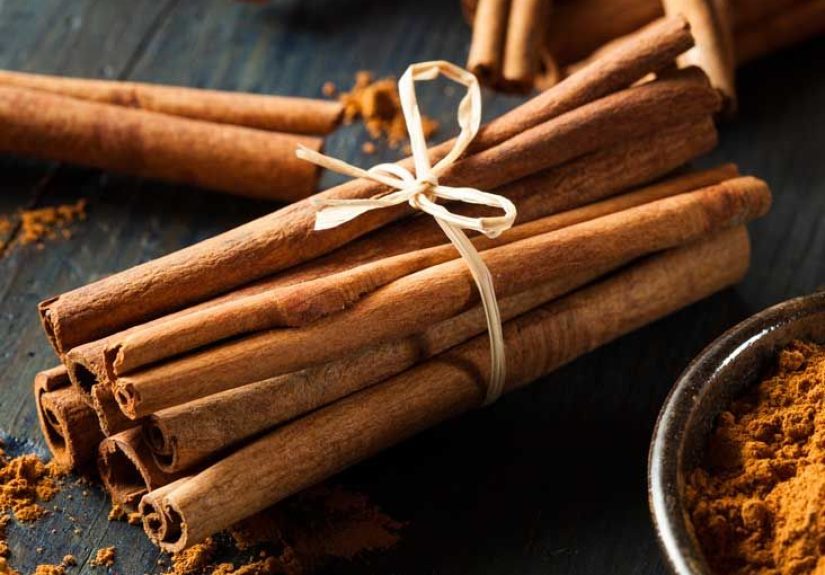
Ceylon cinnamon sticks are usually lighter in color and made of many thin, papery layers rolled together. Cassia sticks tend to be darker, thicker, and harder, often looking like a single heavy curl of bark. In ground form, the difference is less obvious, which is exactly why labels matter.
Texture
Ceylon is more fragile and easy to crumble. Cassia is denser and tougher. That difference shows up in everything from how the bark is processed to how it behaves in cooking.
Price
Ceylon is usually more expensive. That is one reason cassia dominates supermarket shelves. If you are baking holiday cookies for a small army, cassia is easier on the budget. If you use cinnamon every day, some people decide the upgrade is worth it.
The Biggest Difference: Coumarin
This is where the cinnamon conversation stops being purely culinary and starts becoming practical. Cassia cinnamon contains much more coumarin, a naturally occurring compound that can be a problem in high amounts, especially with frequent long-term intake. Ceylon cinnamon contains only trace amounts by comparison.
That does not mean cassia is evil. It means context matters. A little cassia in apple pie, French toast, or a weekend batch of snickerdoodles is generally not the issue people make it out to be. The bigger concern is regular heavy use: the daily smoothie, the giant cinnamon supplement, the “I put it in everything because it’s healthy” phase that starts in January and ends with a drawer full of wellness powders.
If you use cinnamon often, especially in large amounts, Ceylon is generally considered the safer everyday option because it is much lower in coumarin. That is one reason it gets so much attention in wellness circles. For once, the expensive version is not just flexing. It actually has a point.
Who Should Pay Extra Attention?
Some people should be more careful about daily cassia intake than others. That includes people with liver disease, people who take blood thinners, and anyone using concentrated cinnamon supplements without medical guidance. Cinnamon may seem harmless because it comes from a spice jar, but “natural” and “risk-free” are not synonyms. Arsenic is natural too, and nobody is sprinkling that on oatmeal for antioxidants.
Can Cinnamon Help With Blood Sugar?
This is the question that launched a thousand supplement bottles. Cinnamon has been studied for blood sugar control, insulin sensitivity, and possible metabolic benefits. Some studies suggest modest benefits. Other studies are less impressive. Major health sources in the U.S. still describe the evidence as mixed.
That means cinnamon is not a magic cure for diabetes, prediabetes, or the consequences of eating three muffins and calling it “stress management.” It may have a place as part of an overall healthy diet, but it is not a substitute for medical care, prescribed treatment, exercise, or a balanced eating plan.
If someone wants to try cinnamon as a supplement for blood sugar support, this is exactly where the Ceylon-versus-cassia distinction becomes important. A capsule taken every day is not the same thing as a dash of spice in oatmeal. Concentrated products raise the stakes, and species matters.
How to Tell Which Cinnamon You’re Buying
Shopping for cinnamon can feel like a tiny detective story, except the clues smell fantastic.
Read the Front Label Carefully
If the package says Ceylon cinnamon, true cinnamon, or Cinnamomum verum, that is a good sign you are getting the low-coumarin variety. If it simply says “cinnamon,” with no species listed, it may be cassia.
Look for Origin Clues
Ceylon cinnamon is strongly associated with Sri Lanka. Cassia varieties are more commonly associated with China, Indonesia, or Vietnam. Origin alone is not a perfect test, but it can help.
Check the Sticks
If you are buying cinnamon sticks rather than powder, Ceylon usually looks like a layered cigar made of thin bark sheets, while cassia looks like one thick, tough curl. If the stick looks sturdy enough to build a tiny cabin, odds are good it is cassia.
Use Price as a Hint, Not Proof
Ceylon often costs more. A bargain bin “premium true cinnamon” should probably earn a raised eyebrow and a second look at the label.
Which One Tastes Better?
This is not a trick question. It depends on what you want.
If you love a strong, classic cinnamon punch in sticky buns, cinnamon toast, chai, coffee cake, or spice-heavy desserts, cassia may be exactly what you want. It is bold, familiar, and unapologetically dramatic.
If you prefer a gentler, more nuanced spice for tea, custards, poached fruit, oatmeal, rice pudding, or savory dishes where cinnamon should whisper instead of shout, Ceylon can be lovely. It brings warmth without bulldozing the room.
In other words, cassia kicks the door open. Ceylon knocks politely, arrives with good manners, and still somehow steals the show.
Best Uses for Ceylon and Cassia in the Kitchen
When Cassia Makes More Sense
Cassia shines in recipes where you want that deep, obvious cinnamon flavor and where the spice is not being used in large daily amounts. It works beautifully in cinnamon rolls, muffins, pies, spice cookies, and rich baked goods. It is also practical for big-batch cooking because it is usually cheaper.
When Ceylon Is the Better Pick
Ceylon is a smart choice for people who use cinnamon often, especially every day. It also suits dishes where complexity matters more than brute force: lighter desserts, warm milk drinks, yogurt bowls, delicate sauces, fruit compotes, and some savory recipes. If cinnamon is part of your regular routine, Ceylon is often the more thoughtful pantry staple.
Safety Tips for Everyday Cinnamon Users
If cinnamon is an occasional baking ingredient in your home, you probably do not need to overcomplicate things. But if you use it regularly, a few basic habits can help:
- Choose Ceylon cinnamon for frequent or daily use.
- Be cautious with cinnamon supplements, especially if you take prescription medications.
- Talk to a healthcare professional before using high-dose cinnamon for blood sugar or other health goals.
- Buy from reputable brands and pay attention to labeling.
- If you are feeding young children foods with cinnamon regularly, it is wise to stay alert to FDA safety notices and recalls involving contaminated products.
That last point matters more than people realize. In recent years, FDA alerts have reminded shoppers that cinnamon quality is not just about flavor. Contamination issues in some products have made it clear that the source and brand matter too. So yes, your spice rack now deserves standards. It has become that kind of decade.
So, Which Cinnamon Should You Choose?
If you want the short answer, here it is:
Choose cassia if you want strong classic cinnamon flavor and use it mostly for occasional baking and cooking.
Choose Ceylon if you use cinnamon frequently, prefer a milder taste, or want a lower-coumarin option for everyday use.
Neither one is automatically “good” or “bad.” The better choice depends on how often you use it, why you use it, and whether you care more about intensity, cost, or long-term safety. The real mistake is assuming all cinnamon is identical just because the jar says so.
Experiences Related to Ceylon vs. Cassia: What People Notice in Real Life
One of the most common experiences people report when they switch from cassia to Ceylon cinnamon is simple surprise. They expect cinnamon to taste like the bold, spicy version they grew up with, then they open a bag of Ceylon and wonder if their taste buds have gone on vacation. The aroma is softer. The flavor is gentler. For some, that first impression feels underwhelming. For others, it is a revelation.
Home bakers often have a split reaction. People making sticky buns, cinnamon toast, or heavily spiced cookies sometimes prefer cassia because it delivers the strong cinnamon hit they expect. In those recipes, Ceylon can seem almost too refined, like a violin trying to compete with a marching band. But cooks who make oatmeal, tea, stewed apples, poached pears, or rice pudding often fall in love with Ceylon because it adds warmth without overpowering everything else in the bowl.
Another common experience comes from people who use cinnamon daily for wellness reasons. These shoppers tend to become much more label-conscious once they learn about coumarin. At first, many assume “cinnamon is cinnamon.” Then they start checking for phrases like “Ceylon,” “true cinnamon,” or Cinnamomum verum. What begins as a casual grocery purchase turns into a surprisingly specific ritual. Suddenly the spice aisle feels less like a pantry stop and more like a research project with excellent fragrance.
People who buy whole sticks often say the visual difference is what finally makes everything click. Once they see a delicate, many-layered Ceylon quill next to a thick, woody cassia stick, the abstract debate becomes real. It is one of those “oh, these are actually different” moments that changes shopping habits for good.
Tea drinkers and coffee lovers also tend to notice the contrast quickly. Cassia gives drinks a punchier, spicier edge. Ceylon feels smoother and more aromatic. Some people describe Ceylon as slightly citrusy or floral, while cassia comes across as hotter and sweeter in a more obvious way. Neither reaction is wrong. It just depends on whether you want your cinnamon to sing backup or grab the microphone.
There is also a practical experience many regular users mention: Ceylon often feels like the “grown-up” cinnamon they save for everyday routines, while cassia remains the pantry workhorse for big baking days. In real kitchens, that may be the smartest compromise of all. One cinnamon for quantity, one for quality.
And then there are the shoppers who feel mildly betrayed when they discover that the cinnamon they have been using for years is probably cassia. That moment usually lasts about five minutes, right up until they smell a fresh batch of cinnamon rolls and decide life is still worth living. The real lesson is not that cassia is the villain. It is that informed choices beat accidental ones every time.
Conclusion
Ceylon and cassia may share a name in everyday conversation, but they are not the same experience on the shelf, in the pan, or in the body. Cassia is bolder, cheaper, and more common in American kitchens. Ceylon is lighter, subtler, and better suited to regular use if you want to keep coumarin intake lower. Once you know the difference, choosing the right cinnamon becomes a lot easier.
So the next time a recipe calls for cinnamon, you do not have to shrug and hope for the best. You can pick the version that fits your flavor, your habits, and your health goals. That is a pretty good outcome for a spice most of us met on toast.