Table of Contents >> Show >> Hide
- What Is a Doberge Cake?
- A Short, Sweet History (New Orleans Edition)
- Choosing Your “Classic” Flavor: Chocolate, Lemon, or Half-and-Half
- Tools and Prep Checklist
- Classic Doberge Cake Ingredients
- Step-by-Step: How to Make a Classic Doberge Cake
- 1) Prep your pans like you mean it
- 2) Make the cake batter
- 3) Bake 3 layers (then split into 6)
- 4) Make the chocolate custard filling
- 5) Make the buttercream
- 6) Optional: Make simple syrup
- 7) Assemble the cake (the satisfying part)
- 8) Crumb coat with buttercream (smooth it like you’re icing a secret)
- 9) Make the poured fondant glaze
- 10) Pour and finish
- How to Turn This Into Lemon or Half-and-Half (Without Stress)
- Pro Tips for Thin Layers That Don’t Break Your Spirit
- Troubleshooting: Common Doberge Problems (and Fixes)
- Make-Ahead, Storage, and Serving
- FAQ: Quick Answers for First-Timers
- Real-World Doberge Experiences (500+ Words of What It’s Actually Like)
- Conclusion
If you’ve never met a Doberge cake, imagine a layer cake that went to New Orleans, fell in love with drama, and came back wearing a glossy fondant coat.
It’s tall, sleek, sliceable, and made for celebrationsespecially birthdaysbecause nothing says “I care about you” like baking six (or more) thin layers on purpose.
This guide walks you through a classic New Orleans-style Doberge cake recipe: thin vanilla cake layers, a smooth chocolate custard filling,
a light buttercream “insurance policy,” and a shiny poured fondant glaze that makes the whole thing look bakery-level. You’ll also get smart shortcuts,
troubleshooting tips, and a bonus “baker’s reality” section at the endbecause Doberge is beautiful, but it’s not shy.
What Is a Doberge Cake?
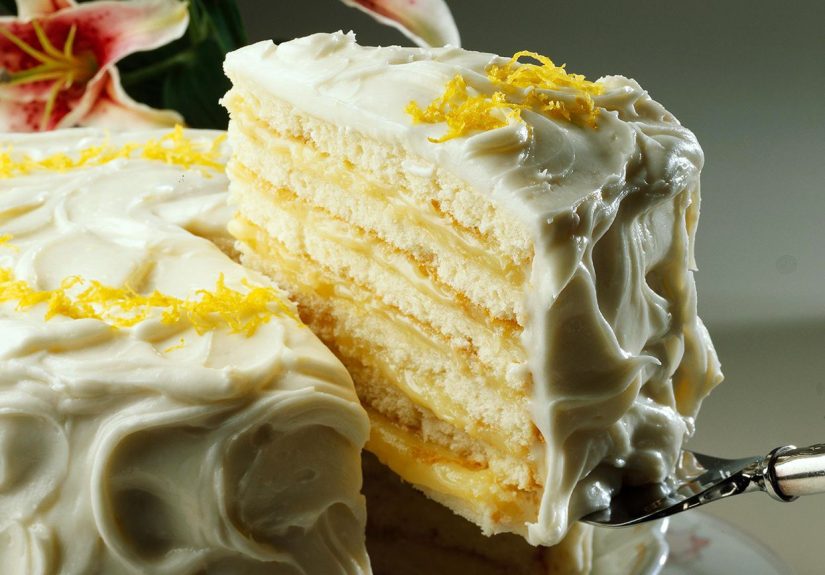
Doberge cake (say it like “DOH-berzh” or the local “DOH-bash”) is a New Orleans classic built from multiple thin cake layersoften
six to eightstacked with custard-style filling (commonly chocolate or lemon). The outside is usually finished with a thin layer of
buttercream and a smooth, pourable icingoften called poured fondantthat sets into a soft, glossy shell.
A Short, Sweet History (New Orleans Edition)
The Doberge cake is widely credited to New Orleans baker Beulah Levy Ledner, who adapted the idea from the Hungarian Dobos torte.
The concept stuck because it’s genius: thin layers (so every bite has filling), a custard that feels fancy but friendly, and a finish that looks like a celebration
even before the candles show up.
Choosing Your “Classic” Flavor: Chocolate, Lemon, or Half-and-Half
If you’re ordering from a New Orleans bakery, “classic” often means one of three paths:
- Chocolate Doberge: vanilla layers + chocolate custard + chocolate finish (bold, crowd-pleasing).
- Lemon Doberge: vanilla layers + lemon custard/curd + lemon or vanilla finish (bright, tangy, dangerously easy to overeat).
- Half-and-Half: one side lemon, one side chocolatetwo personalities, one cake.
This recipe focuses on a classic chocolate Doberge, with easy options to make it lemon or half-and-half without turning your kitchen into a physics lab.
Tools and Prep Checklist
- Three 8-inch round cake pans (or two pans + extra bake time)
- Parchment rounds + nonstick spray
- Stand mixer or hand mixer
- Serrated knife (or cake leveler) for splitting layers
- Offset spatula + bench scraper (helpful for the buttercream coat)
- Medium saucepan + whisk (for custard)
- Instant-read thermometer (optional, but great for custard + glaze confidence)
- Wire rack + sheet pan (for pouring fondant without redecorating your floor)
Classic Doberge Cake Ingredients
Thin Vanilla Cake Layers (Makes 6 layers)
The easiest home method is to bake 3 thin cakes and split each one horizontally to make 6 layers.
That keeps the spirit of Doberge without requiring six pans and a personal assistant.
- 2 1/4 cups cake flour (or all-purpose flour, spooned and leveled)
- 2 1/2 tsp baking powder
- 1/2 tsp fine salt
- 3/4 cup unsalted butter, softened
- 1 3/4 cups granulated sugar
- 4 large eggs, room temperature
- 1 tbsp vanilla extract
- 1 cup whole milk or buttermilk, room temperature
- 1/4 cup neutral oil (optional, for extra moisture insurance)
Chocolate Custard Filling (Sturdy, sliceable “pudding”)
- 3 cups whole milk
- 3/4 cup granulated sugar
- 1/4 cup cornstarch
- 1/4 cup unsweetened cocoa powder (Dutch-process or natural)
- 1/4 tsp fine salt
- 4 large egg yolks
- 4 oz semi-sweet chocolate, chopped
- 2 tbsp unsalted butter
- 1 1/2 tsp vanilla extract
Vanilla Buttercream (Thin coat + borders)
Traditional Doberge often uses buttercream under the poured icing. Think of it as the cake’s shapewear: it smooths everything out so the glossy top layer looks sharp.
- 1 cup unsalted butter, softened
- 3 1/2 to 4 cups powdered sugar
- 2 tsp vanilla extract
- Pinch of salt
- 2–4 tbsp milk or heavy cream (as needed for texture)
Poured Fondant Glaze (Classic glossy finish)
- 5 cups powdered sugar (about 20 oz)
- 1/2 cup water
- 1/4 cup light corn syrup
- 1/2 tsp vanilla extract
- Pinch of salt
- Optional: 2–3 tbsp cocoa powder or melted chocolate (for chocolate poured fondant)
Optional: Simple Syrup (Keeps thin layers plush)
- 1/2 cup water
- 1/2 cup sugar
- Optional: 1 tsp vanilla or a strip of lemon peel
Step-by-Step: How to Make a Classic Doberge Cake
1) Prep your pans like you mean it
Heat oven to 350°F. Grease three 8-inch pans, line with parchment rounds, then grease the parchment.
Doberge layers are thin and tenderparchment is your best friend and also your future emotional support.
2) Make the cake batter
- Whisk flour, baking powder, and salt in a bowl.
- Cream butter and sugar until light and fluffy, 3–4 minutes.
- Add eggs one at a time, mixing well. Stir in vanilla.
- Add dry ingredients in 3 additions, alternating with milk (start and end with dry). Mix just until combined.
- If using oil, mix it in at the end for an extra moist crumb.
3) Bake 3 layers (then split into 6)
Divide batter evenly among the pans (a kitchen scale helps). Bake 18–22 minutes, or until a toothpick comes out clean and the tops spring back.
Cool 10 minutes, then turn out onto racks and cool completely.
Once fully cool, wrap and chill the cakes for 30–60 minutes. Cold cake splits cleaner. Then use a serrated knife to split each cake horizontally into two even layers.
You now have 6 thin layers. Congratulationsyour cake has entered its Doberge era.
4) Make the chocolate custard filling
- In a saucepan, whisk sugar, cornstarch, cocoa, and salt.
- Whisk in milk until smooth. Cook over medium heat, whisking constantly, until it thickens and starts to bubble.
- In a bowl, whisk egg yolks. Slowly whisk a ladle of hot mixture into yolks to temper, then pour tempered yolks back into the pot.
- Cook 1–2 minutes more, whisking, until glossy and thick.
- Remove from heat. Add chopped chocolate, butter, and vanilla; stir until smooth.
- Press plastic wrap directly onto the surface and chill until cold and spreadable (at least 2 hours).
5) Make the buttercream
- Beat butter until creamy, 2 minutes.
- Add powdered sugar gradually, then vanilla and salt.
- Add milk/cream a tablespoon at a time until smooth and spreadable.
You’re not looking for a giant cupcake swirl situation here. For Doberge, the buttercream is usually a thin, smooth layer that supports the poured icing.
6) Optional: Make simple syrup
Bring sugar and water to a simmer until dissolved. Cool completely. Lightly brushing syrup on each layer can keep thin cake slices moist for days.
7) Assemble the cake (the satisfying part)
- Place one cake layer on a cake board or plate. If using syrup, brush lightly.
- Spread a thin, even layer of chocolate custard (about 1/2 cup, depending on your cake diameter).
- Repeat with remaining layers, keeping layers aligned and level. Top with the final cake layer.
- Chill the stacked cake 20–30 minutes so it firms up and behaves.
8) Crumb coat with buttercream (smooth it like you’re icing a secret)
Apply a thin coat of buttercream over the top and sides. This seals crumbs and gives the poured fondant a tidy surface.
Chill again until the buttercream feels firm to the touchabout 20 minutes.
9) Make the poured fondant glaze
- In a saucepan, bring water and corn syrup just to a boil. Remove from heat.
- Whisk in powdered sugar, vanilla, and salt until smooth.
- If you want chocolate poured fondant, whisk in cocoa (or a little melted chocolate) until the color and flavor suit you.
- Let the glaze cool slightly until it’s thick but pourablethink warm honey. If it’s too thick, add a teaspoon of hot water at a time.
10) Pour and finish
Set the chilled cake on a wire rack over a sheet pan. Pour glaze over the center and gently nudge it to the edges so it drips down the sides.
Work quickly: poured fondant sets as it cools. If you want a super-smooth finish, use an offset spatula lightlydon’t overwork it.
Let set 20–30 minutes. If you’d like, pipe a simple buttercream border at the base or top edge for a classic bakery look.
How to Turn This Into Lemon or Half-and-Half (Without Stress)
Lemon Doberge option
Replace chocolate custard with lemon pastry cream, lemon curd, or a curd-custard blend. Keep the buttercream vanilla, and use a vanilla poured fondant
(or a lemon-tinted glaze using a little lemon zest and a tiny splash of lemon juicecareful, too much liquid thins the glaze fast).
Half-and-Half option
Make one batch of chocolate custard and use store-bought lemon curd (or homemade lemon filling). Assemble layers with chocolate filling on one half and lemon on the other,
or alternate fillings by layer. Many New Orleans fans prefer “two halves” rather than mixing flavors in every bitechoose your own cake adventure.
Pro Tips for Thin Layers That Don’t Break Your Spirit
- Chill before slicing: cold cake splits cleanly and reduces crumbling.
- Even layers matter: use a ruler or eyeball carefully; uneven layers make the cake lean like it’s listening to gossip.
- Custard must be cold: warm filling will slide. Doberge is not the time for gravity experiments.
- Use a light hand with syrup: moist is great; soggy is a tragedy.
- Glaze temperature is everything: too hot = runs off; too cool = lumps. Aim for thick-pourable.
- Chill between steps: brief fridge time makes stacking, smoothing, and glazing dramatically easier.
Troubleshooting: Common Doberge Problems (and Fixes)
My layers cracked when I split them
Usually the cake was too warm or the knife was sawing aggressively. Chill longer, use a gentle back-and-forth motion, and rotate the cake as you cut.
If a layer breaks, don’t paniccustard is basically edible spackle.
My custard is lumpy
Whisk constantly and temper the yolks slowly. If lumps happen anyway, strain through a fine mesh sieve while warm, then chill.
The cake will never know. Your confidence will, though.
The poured fondant looks dull or streaky
This often happens if the glaze cooled too much before pouring or was overworked with a spatula. Rewarm gently over low heat (or short microwave bursts),
then pour again in a smooth, confident stream.
The glaze ran right off
It was too warm or too thin. Let it cool to a thicker consistency, or whisk in a bit more powdered sugar.
Also make sure the cake is chilled; warm buttercream makes glaze slip.
Make-Ahead, Storage, and Serving
- Make-ahead: Bake layers 1 day ahead, wrap well, and chill. Custard can be made 1–2 days ahead.
- Assembled cake: Store covered in the refrigerator for up to 3–4 days.
- Serve: For best texture, let slices sit at room temp 20–30 minutes so the custard softens slightly.
- Freezing: Freeze cake layers (unfilled) tightly wrapped up to 1 month. Filled and glazed cake can be frozen, but texture is best when freshly glazed.
FAQ: Quick Answers for First-Timers
Is Doberge the same as Dobos torte?
They’re related, not identical. Dobos torte traditionally uses thin sponge layers with buttercream and a caramel top.
Doberge is the New Orleans remix: custard filling and a poured icing finish.
Do I have to use poured fondant?
It’s the classic look, but you can finish with ganache or buttercream if you prefer. That said: poured fondant is the signature “Doberge shine.”
How many layers should a classic Doberge have?
Many bakery versions are known for six to eight thin layers. This recipe yields six, which still reads unmistakably “Doberge” in every slice.
Real-World Doberge Experiences (500+ Words of What It’s Actually Like)
Making a classic Doberge cake at home tends to follow a predictable emotional storyline. First comes confidence: “I’ve made layer cakes before.
How different can this be?” Then you meet the thin layers. They cool faster, dry faster, andif you look away for one dramatic secondseem to develop the
fragile temperament of an award-winning actor. The best advice most experienced bakers share is simple: treat thin layers like fine china.
Chill them before slicing, move them with a wide spatula, and don’t demand perfection from the first pass. Doberge is a celebration cake, not a courtroom exhibit.
Another universal experience: the custard is where people either fall in love with Doberge or start bargaining with the universe. If you’ve never made a
pudding-style custard on the stove, the first time can feel like it’s doing nothing… doing nothing… doing nothing… then suddenly becoming thick in about
fourteen seconds. That’s normal. The trick is steady heat and constant whisking, especially around the corners of the pan where lumps like to form a
secret society. Many bakers eventually develop a sixth sense for the moment it turns glossy and thickright when the whisk starts leaving trails that don’t
immediately disappear. And if lumps happen anyway? Straining the custard is a totally respectable move. Plenty of great cakes have been saved by a sieve and
a little self-forgiveness.
The stacking step is the part people describe as “weirdly relaxing,” as long as the filling is cold. Cold custard behaves. Warm custard tries to become a slip-and-slide.
Seasoned Doberge fans often build in short chilling breaks: stack two layers, chill ten minutes, stack two more, chill again. It sounds fussy, but it’s the kind of
fussiness that prevents your cake from leaning like it’s posing for a jazz album cover. Also, most bakers learn quickly that spreading custard to the very edge
is a rookie temptation. If you leave a small marginabout a quarter inchthe weight of the next layer pushes the filling outward naturally, and you avoid
“custard avalanches” on the sides.
The poured fondant stage is where the cake goes from homemade to “wait, did you buy this?” and it’s also where people most often panic.
The shared experience here is realizing that poured fondant has a narrow window between too-hot and too-cool. Too hot and it runs off the cake like it has places to be.
Too cool and it turns into a thick paste that drags and streaks. Bakers who do this more than once usually set themselves up like professionals:
cake chilled, rack ready, sheet pan underneath, glaze smooth and warm, and everything measured before the pour. The actual pouring feels thrillinglike you’re
giving the cake a glossy raincoatespecially when it drips down the sides in even ribbons. And if it’s not perfect? Here’s the comforting truth:
Doberge is a layered cake with a shiny coat, not a museum sculpture. A quick second pour or a gentle smoothing pass can fix most issues, and a piped buttercream
border can hide a multitude of sins with a smile.
Finally comes the moment of slicing, which is the real payoff. A good Doberge slice looks almost architectural: neat stripes of cake and custard repeating all the way down.
That visual is part of why people remember it. Many bakers say their favorite part isn’t even the first biteit’s seeing the first clean slice and realizing,
“Oh. I actually made a Doberge.” Then someone takes a bite, closes their eyes for a second, and the kitchen suddenly feels like a New Orleans birthday party.
That’s the Doberge magic: a little extra effort, a lot of celebration energy, and a cake that refuses to be boring.
Conclusion
A classic Doberge cake recipe is part technique, part tradition, and part “look at me, I made a fancy cake on purpose.”
With thin vanilla layers, chocolate custard, and that signature poured fondant shine, you get a dessert that feels unmistakably New Orleans
festive, a little extra, and absolutely worth slicing into.