Table of Contents >> Show >> Hide
- Why Do Hips Click During Leg Raises?
- Is Hip Clicking During Leg Raises Dangerous?
- Common Causes of Clicking in the Hips When Doing Leg Raises
- How to Modify Leg Raises If Your Hips Click
- Exercises That May Help Reduce Hip Clicking
- What Not to Do When Your Hip Clicks
- When to See a Professional
- Practical Workout Plan for Clicky Hips
- Experience-Based Notes: What People Often Notice With Clicking Hips During Leg Raises
- Conclusion
- SEO Tags
There you are, lying on the mat, ready to build stronger abs with a clean set of leg raises. The first rep goes up. Then it happens: click. The second rep? Click again. Suddenly your core workout sounds like someone opening a tiny plastic container inside your hip. The good news is that clicking in the hips when doing leg raises is often harmless, especially when it is painless. The not-so-good news is that it can also be your body’s way of saying, “Hey, we should probably talk about hip mechanics.”
Hip clicking during leg raises can come from tight hip flexors, tendons sliding over bone, weak core control, poor pelvic positioning, or irritation around the hip joint. In some cases, it may relate to a condition commonly called snapping hip syndrome. In other cases, especially when clicking comes with pain, catching, locking, swelling, or a deep pinch in the groin, it may point to something inside the joint that deserves medical attention.
This guide breaks down why your hips click during leg raises, when it is usually no big deal, when it is worth getting checked, and how to adjust your workout so your hips stop providing the soundtrack.
Why Do Hips Click During Leg Raises?
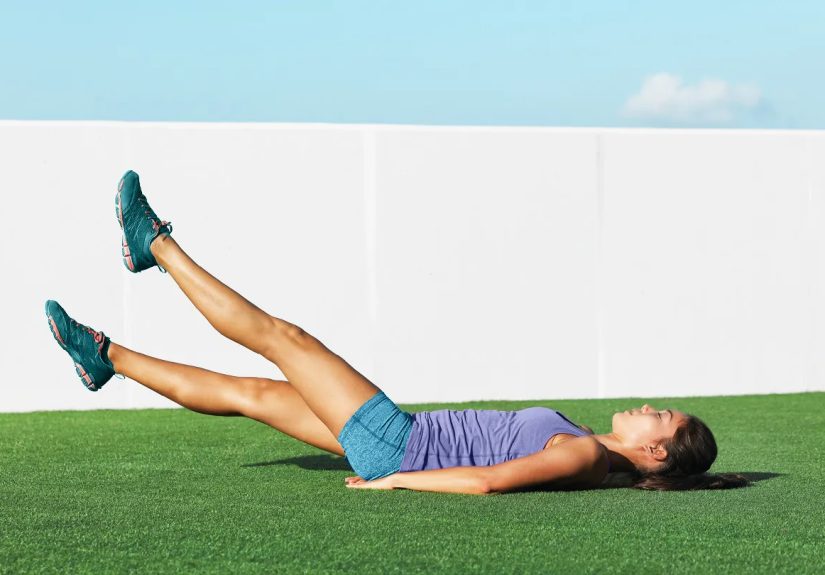
Leg raises look simple: lie down, lift the legs, lower them, repeat, pretend your abs are not filing a complaint. But the movement asks a lot from your hips. Your hip flexors lift the legs, your lower abs help control the pelvis, your thigh muscles stabilize the movement, and your hip joint moves through repeated flexion and extension. If one part of that system is tight, weak, irritated, or poorly coordinated, clicking may show up.
1. Tendons May Be Snapping Over Bony Areas
The most common explanation for a painless hip click is tendon movement. A tendon can slide over a bony part of the pelvis or thigh bone, creating a snapping or clicking sensation. This is often called snapping hip syndrome, or coxa saltans. It may happen in the front of the hip, outside of the hip, or less commonly deep inside the joint.
During leg raises, the hip flexor group works hard. One important hip flexor, the iliopsoas, passes near the front of the hip. When it becomes tight, irritated, or overactive, it may snap over nearby structures as the leg moves. That click can feel like it is coming from the front of the hip or groin. If it does not hurt, it may simply be annoying rather than dangerous.
2. Your Hip Flexors Are Doing Too Much Work
Leg raises are often treated as an abdominal exercise, but the hip flexors are heavily involved. If your lower abs are not controlling the movement well, your hip flexors may take over. This can create tension at the front of the hip and increase the chance of clicking.
A common sign is that you feel leg raises more in the front of your hips than in your abs. Another clue is your lower back arching off the floor as your legs lower. When the pelvis tips forward and the back arches, the hip flexors get even more leverage, and the movement becomes less about controlled core strength and more about your hips trying to survive a group project they did not sign up for.
3. Tightness Around the Hip Can Change the Movement Path
Tight hip flexors, tight quadriceps, a stiff iliotibial band, or limited hip rotation can all affect how smoothly the hip moves. If the joint does not glide comfortably through the movement, nearby tissues may compensate. That compensation can create clicking, popping, or a feeling that something is shifting.
This is why clicking may happen only at a certain point in the leg raise. For example, the hip may click when your legs move from low to mid-range, or when you lower your legs close to the floor. That specific angle may be where your hip flexors, tendons, and pelvis are under the most tension.
4. Weak Glutes and Core Muscles May Reduce Stability
Your hips love stability. When the glutes, deep core muscles, and pelvic stabilizers are not doing their share, the front of the hip often picks up the extra work. Weak glutes can also change thigh positioning, making the hip flexors and outer hip tissues work harder during exercise.
Think of the hip as a door hinge. If the frame is steady, the door opens smoothly. If the frame wobbles, the hinge complains. Your core and glutes are part of that frame. When they are undertrained or poorly coordinated, the hip may still move, but it may not move quietly.
Is Hip Clicking During Leg Raises Dangerous?
Not always. Painless clicking that is repeatable, mild, and not associated with weakness or loss of motion is often not dangerous. Many active people, dancers, runners, gym-goers, and athletes experience some kind of hip popping or snapping. The body is not a silent machine. It is more like an old house: sometimes something creaks, and nothing is actually falling apart.
However, clicking should not be ignored if it is painful or changing over time. A hip click that feels deep, sharp, catching, or locking may be different from a harmless tendon snap. If the hip feels stuck, unstable, swollen, weak, or painful in the groin, it is wise to stop pushing through and get evaluated by a qualified healthcare professional.
Red Flags to Watch For
Consider getting medical or physical therapy guidance if hip clicking during leg raises comes with any of the following:
- Pain in the groin, front of the hip, side of the hip, or buttock
- A catching, locking, grinding, or stuck sensation
- Swelling, warmth, or tenderness around the hip
- Loss of range of motion or trouble lifting the leg
- Limping or difficulty walking, climbing stairs, or sitting
- Clicking after a fall, sports injury, or sudden twist
- Symptoms that keep getting worse despite rest and exercise changes
These signs do not automatically mean something serious is happening, but they do mean your hip deserves more than a shrug and another set of 20 reps.
Common Causes of Clicking in the Hips When Doing Leg Raises
Snapping Hip Syndrome
Snapping hip syndrome is one of the most common reasons for hip clicking during repeated leg movement. It can be internal, external, or related to structures inside the joint. Internal snapping often involves the hip flexor tendon near the front of the hip. External snapping usually involves tissues moving over the outside of the thigh bone. Intra-articular snapping is less common and may involve cartilage, labral issues, or loose bodies inside the joint.
Painless snapping is often managed with activity modification, stretching, strengthening, and better movement control. Painful snapping may require a more structured physical therapy plan.
Hip Flexor Tightness or Irritation
If you sit for long hours, sprint, cycle, lift weights, dance, or do lots of core work, your hip flexors may become tight or overworked. Tight hip flexors can pull the pelvis forward and make leg raises feel pinchy or clicky. This does not mean your hip flexors are “bad.” They are useful muscles. They just become dramatic when asked to do everything alone.
Poor Leg Raise Form
Form matters. During leg raises, the most common mistake is lowering the legs too far before the core is strong enough to control the pelvis. As the legs get closer to the floor, the demand on the abs increases. If the abs cannot keep the pelvis stable, the lower back arches and the hip flexors dominate.
Another common mistake is moving too fast. Momentum may help you finish reps, but it can also make the hips snap more aggressively. Slow, controlled movement is usually friendlier to both the hip joint and the ego.
Hip Labral Tear or Hip Impingement
A labral tear affects the ring of cartilage that helps stabilize the hip socket. Hip impingement, also called femoroacetabular impingement, occurs when the shape or movement of the hip bones causes pinching during certain motions. Both conditions can sometimes create clicking, catching, stiffness, or deep groin discomfort.
These issues are more likely when the click feels deep inside the joint, is painful, or happens with a catching or locking sensation. Leg raises involve hip flexion, which can aggravate symptoms in some people with hip impingement or labral irritation.
How to Modify Leg Raises If Your Hips Click
You do not always have to delete leg raises from your life. Sometimes you just need to make them less rude to your hips. The goal is to reduce clicking, improve control, and keep the exercise focused on your abs instead of turning it into a hip flexor talent show.
1. Bend Your Knees
Bent-knee leg raises reduce the lever length, making the movement easier to control. Lie on your back, bend your knees to about 90 degrees, brace your core, and slowly lift and lower your legs. If the clicking disappears, your hips may simply be telling you that straight-leg raises are too advanced for your current control level.
2. Limit the Range of Motion
Do not lower your legs all the way to the floor if your back arches or your hips click. Stop at the point where you can keep your lower back gently controlled and your pelvis steady. Over time, you can increase the range as your strength improves.
3. Slow Down the Reps
Try a three-second lower and a one-second lift. This reduces momentum and gives your core a chance to actually participate. If you can only do six clean reps slowly, that is better than twenty noisy reps that make your hips sound like a desk drawer.
4. Press Your Lower Back Gently Toward the Floor
A slight posterior pelvic tilt can help engage the lower abs. Think about bringing your belt buckle toward your ribs. Avoid smashing your spine into the floor with maximum effort; the goal is control, not turning your workout mat into a crime scene.
5. Switch to Dead Bugs
Dead bugs are excellent for training core control with less hip flexor strain. Lie on your back with knees bent and arms up. Slowly extend one leg and the opposite arm while keeping your pelvis steady. Return and switch sides. This teaches the same anti-arching control needed for leg raises.
Exercises That May Help Reduce Hip Clicking
The best approach depends on the cause, but many people benefit from a mix of mobility, glute strengthening, and core control. Start gently and stop any exercise that causes sharp pain, catching, or worsening symptoms.
Hip Flexor Stretch
Use a half-kneeling position with one knee on a soft surface and the other foot in front. Gently tuck your pelvis under and shift forward until you feel a stretch in the front of the hip on the kneeling side. Hold for 20 to 30 seconds. Do not crank into your lower back. The stretch should feel controlled, not like a negotiation with your skeleton.
Glute Bridges
Lie on your back with knees bent and feet on the floor. Brace your core, squeeze your glutes, and lift your hips until your body forms a straight line from shoulders to knees. Lower slowly. Glute bridges help strengthen the posterior chain, which can reduce overreliance on the hip flexors.
Side-Lying Hip Abduction
Lie on your side with the top leg straight. Keep the pelvis stacked and lift the top leg slightly back and up, leading with the heel. Lower with control. This targets the outer hip muscles, including the gluteus medius, which supports pelvic stability during leg movement.
Dead Bug Progressions
Start with heel taps, then progress to longer leg extensions. The key is keeping the ribs down and pelvis steady. If the lower back arches, shorten the range. Dead bugs may look easy, but done correctly, they humble everyone equally.
Standing March With Core Brace
Stand tall, brace lightly, and lift one knee toward hip height without leaning backward. Lower slowly and switch sides. This trains hip flexion with better trunk control. If clicking occurs only when lying down, standing variations may help you rebuild movement patterns without irritating the hip as much.
What Not to Do When Your Hip Clicks
First, do not aggressively stretch the hip for ten minutes and then attack the same painful leg raises again. Stretching can help some people, but it is not magic. If the issue is poor control or weakness, stretching alone may not solve it.
Second, do not force through painful clicking. Pain changes movement quality, and repeated painful reps may irritate the area more. Exercise should challenge you, not make you wonder whether your hip is trying to unsubscribe from your body.
Third, do not assume every click is a serious injury. Anxiety can make normal body sounds feel alarming. Look at the full picture: pain, function, strength, range of motion, and whether symptoms are improving or worsening.
When to See a Professional
If your hip clicking is painless and improves with form changes, you may be able to manage it with smarter exercise programming. But if the clicking is painful, deep, worsening, or associated with locking, catching, weakness, or reduced mobility, consider seeing a physical therapist, sports medicine clinician, or orthopedic specialist.
A professional can assess your hip range of motion, strength, gait, pelvic control, and exercise technique. They may also help determine whether the clicking is likely tendon-related or whether further medical evaluation is needed. In some cases, imaging may be used to rule out joint-related problems.
Practical Workout Plan for Clicky Hips
Here is a simple, hip-friendly core sequence to try two or three times per week if your clicking is painless or mild:
- Dead bugs: 2 sets of 6 to 10 reps per side
- Glute bridges: 2 sets of 10 to 15 reps
- Side-lying hip abductions: 2 sets of 8 to 12 reps per side
- Bent-knee leg raises: 2 sets of 6 to 10 slow reps
- Half-kneeling hip flexor stretch: 20 to 30 seconds per side
Keep the movement slow and quiet. Your goal is not just to finish reps; it is to teach your hips, pelvis, and core to cooperate. Basically, you are hosting a team meeting for muscles that have been sending passive-aggressive emails.
Experience-Based Notes: What People Often Notice With Clicking Hips During Leg Raises
Many people first notice hip clicking during core workouts, not because the hip suddenly became “bad,” but because leg raises expose movement habits that everyday life hides. Someone may walk, climb stairs, and sit without symptoms, then lie down for ab exercises and hear a click on every rep. That can feel alarming, but the pattern often makes sense: leg raises demand repeated hip flexion while the pelvis stays stable. If the pelvis is not stable, the hip flexors jump in like overenthusiastic interns.
A common experience is that the click appears only on one side. For example, the right hip may click while the left hip stays quiet. This can happen when one hip flexor is tighter, one glute is weaker, or one side of the pelvis rotates slightly differently. People sometimes notice that the clicking side also feels tighter during lunges, squats, or long periods of sitting. The hip is not necessarily injured; it may simply be less coordinated under load.
Another familiar pattern is clicking that goes away after warming up. The first few leg raises may sound crunchy or snappy, but after mobility work and lighter core activation, the click becomes softer or disappears. This often suggests that tissue stiffness and motor control are part of the issue. A warm-up with dead bugs, bridges, and gentle hip flexor mobility can make the hip feel smoother before harder exercises.
Some people find that straight-leg raises always click, while bent-knee raises do not. That is a useful clue. Straight legs create a longer lever, which makes the hip flexors and lower abs work harder. Bending the knees lowers the demand. This does not mean bent-knee versions are “less effective.” It means they are a smarter level for the body right now. Strength training works best when the exercise is difficult enough to build capacity but not so difficult that joints start making protest music.
People also report that clicking improves when they stop chasing huge rep counts. Instead of doing thirty fast leg raises, they do eight slow reps with a stable pelvis. The abs work harder, the hip flexors calm down, and the clicking often decreases. This is a classic fitness lesson: better reps beat more reps, especially when your joints are trying to provide percussion.
The most important experience-based takeaway is to track symptoms, not just sounds. A painless click that improves with form changes is usually less concerning than a painful click that gets sharper, deeper, or more frequent. If the hip starts locking, catching, aching at night, or limiting walking and sports, it is time to get help. Your body gives feedback in many ways. Clicking is one message. Pain, weakness, and loss of motion are messages written in bold font.
Conclusion
Clicking in the hips when doing leg raises is common, and it is often related to tendon movement, tight hip flexors, weak core control, or poor pelvic positioning. If the clicking is painless and improves when you bend your knees, slow down, brace better, or reduce your range of motion, it may be more of a technique issue than a major injury.
Still, painful clicking deserves respect. A hip that clicks, catches, locks, swells, or limits movement should be evaluated by a professional, especially if symptoms are worsening or started after an injury. The smartest path is not panic and not denial. It is paying attention, modifying your exercises, building strength gradually, and letting your hips move like well-oiled hinges instead of bargain-bin maracas.