Table of Contents >> Show >> Hide
- Why Defrosting Scallops Properly Matters
- Choose the Best Defrosting Method for Your Schedule
- Method 1: Defrost Scallops in the Refrigerator
- Method 2: Defrost Scallops in Cold Water
- Method 3: Defrost Scallops in the Microwave
- What to Do After the Scallops Are Thawed
- Common Mistakes to Avoid When Thawing Frozen Scallops
- Frequently Asked Questions About Defrosting Scallops
- Kitchen Experiences: What the Three Defrosting Methods Feel Like in Real Life
- Final Thoughts
Frozen scallops are one of those rare freezer staples that can make a Tuesday night dinner feel suspiciously fancy. Add a hot pan, butter, lemon, and five minutes of confidence, and suddenly you are serving something that looks like it belongs beneath a tiny restaurant spotlight.
The catch is that scallops are delicate. Defrost them the wrong way and they can become watery, unevenly cooked, or frustratingly rubbery. Nobody buys scallops hoping to create seafood erasers. Fortunately, learning how to defrost scallops safely is simple once you know the three reliable methods: refrigerator thawing, cold-water thawing, and microwave defrosting.
This guide explains exactly how to thaw frozen scallops, when to use each method, how long it takes, and what to do afterward for tender scallops with a golden crust instead of a pan full of mysterious seafood puddle.
Why Defrosting Scallops Properly Matters
Scallops are mostly water and protein, which means they react quickly to temperature changes. When they thaw slowly and stay cold, they tend to hold their shape and cook more evenly. When they sit on a warm countertop or soak in hot water, the outside can drift into unsafe temperatures while the middle remains frozen like it is still waiting for winter.
Proper thawing also improves texture. Excess moisture is the sworn enemy of a beautiful sear. Instead of browning, wet scallops steam. A steamed scallop is not necessarily terrible, but it does not deliver that buttery, caramelized crust people expect when they order scallops at a restaurant and briefly reconsider their financial choices.
For the best result, thaw your scallops safely, dry them thoroughly, and cook them soon afterward. That simple sequence protects both flavor and food safety.
Choose the Best Defrosting Method for Your Schedule
| Method | Typical Time | Best For | Important Rule |
|---|---|---|---|
| Refrigerator | 8 to 12 hours | Best flavor and texture | Keep scallops cold on a tray or bowl |
| Cold Water | 20 to 45 minutes | Last-minute dinners | Keep scallops sealed in a leakproof bag |
| Microwave | 2 to 6 minutes | True kitchen emergencies | Cook immediately after thawing |
Sea scallops and bay scallops thaw at different speeds. Large sea scallops may need a little more time, while tiny bay scallops can thaw quickly enough to make you wonder whether they were ever frozen at all. Check them often rather than relying on the clock alone.
Method 1: Defrost Scallops in the Refrigerator
Refrigerator thawing is the best method when you have time. It is gentle, reliable, and usually produces the best texture for pan-seared scallops, grilled scallops, baked scallops, pasta dishes, or seafood risotto.
What You Need
- A package of frozen scallops
- A shallow bowl, rimmed plate, or baking dish
- Paper towels
- Plastic wrap or a loose cover
How to Thaw Scallops Overnight
- Remove the scallops from the freezer the night before you plan to cook them.
- Place the unopened package, or a sealed bag of scallops, in a shallow bowl or baking dish.
- Set the dish on the bottom shelf of your refrigerator, where any drips cannot land on ready-to-eat foods.
- Allow the scallops to thaw overnight, usually for 8 to 12 hours.
- Once thawed, transfer them to a paper towel-lined plate and pat them dry before cooking.
If your scallops are vacuum-packed, check the package instructions first. Some seafood products have specific thawing directions. When in doubt, follow the manufacturer’s label and keep the scallops refrigerated throughout the process.
Why Refrigerator Thawing Works Best
Slow thawing helps preserve the scallops’ tender structure and reduces the amount of liquid released during cooking. That matters most when you want a deep brown crust. A properly dried scallop hits the pan and sizzles. A soggy scallop hits the pan and begins a tiny weather system.
Refrigerator thawing is also the least hands-on method. There is no changing water, no microwave timer, and no standing in front of the sink wondering whether you have become a seafood lifeguard.
Method 2: Defrost Scallops in Cold Water
Cold-water thawing is the best option when dinner is happening soon and your scallops are still frozen solid. It is faster than refrigerator thawing but still gentle enough to protect texture when done correctly.
What You Need
- A leakproof zip-top bag or tightly sealed original package
- A large bowl
- Cold tap water
- Paper towels
How to Defrost Scallops in Cold Water
- Place the frozen scallops in a leakproof plastic bag if they are not already securely sealed.
- Press out excess air and close the bag tightly.
- Fill a bowl with cold water. Do not use warm or hot water.
- Submerge the sealed bag in the water.
- Change the water every 30 minutes so it stays cold.
- Check the scallops after 20 minutes. Small scallops may thaw quickly; large sea scallops can take 30 to 45 minutes.
- Remove the scallops as soon as they are pliable and no longer icy in the center.
- Pat them very dry and cook them immediately.
Why the Bag Matters
Never drop loose scallops directly into water. They can absorb moisture, lose flavor, and become harder to brown. A sealed bag keeps the water outside where it belongs, minding its own business.
The cold-water method works especially well for individually quick-frozen scallops because the pieces are separated rather than frozen into one seafood iceberg. If your scallops are frozen in a solid block, they may need a little extra time.
When to Use Cold-Water Thawing
Use this method when you want scallops for dinner within the hour. It is ideal for a quick pasta, a warm salad, garlic-butter scallops, or a simple seared scallop dinner with vegetables. Because the scallops have been thawed quickly, cook them right away instead of returning them to the refrigerator for later.
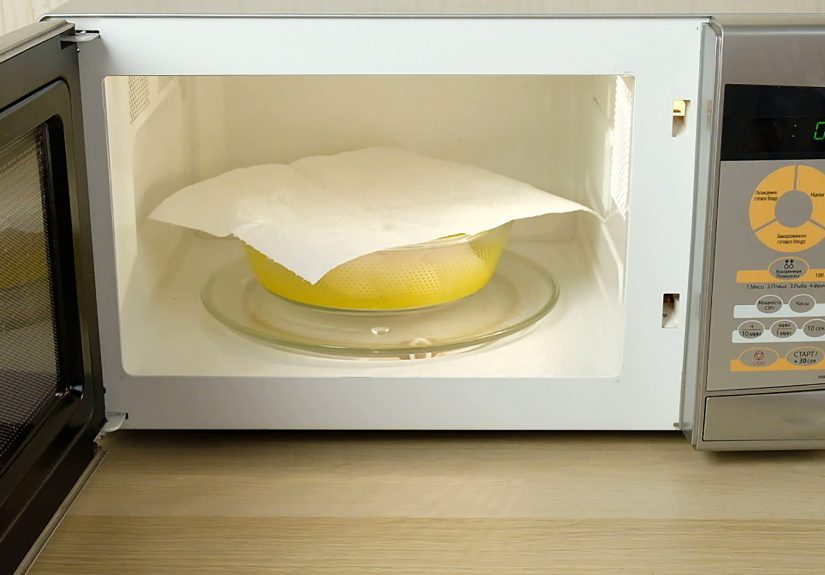
Method 3: Defrost Scallops in the Microwave
Microwave thawing is the emergency button. It can save dinner, but it requires attention because scallops can start cooking around the edges before the centers thaw. This is not the method to use while answering emails, folding laundry, or trying to teach a dog what “leave it” means.
How to Microwave Defrost Scallops
- Remove scallops from their packaging and place them in a microwave-safe dish.
- Arrange them in a single layer whenever possible.
- Use the microwave’s defrost setting or low power setting.
- Heat in short bursts of 30 seconds.
- Check and separate the scallops after each burst.
- Stop when they are still slightly icy but flexible.
- Pat them dry and cook immediately.
Avoid microwaving until the scallops feel warm. Warm spots mean partial cooking, and partially cooked scallops are much more likely to turn tough when they hit the skillet. The goal is not to cook them in the microwave. The goal is simply to help them graduate from frozen hockey pucks to cookable seafood.
When Microwave Defrosting Makes Sense
Use the microwave when you need scallops immediately and have no time for cold-water thawing. It is particularly useful for chopped scallops going into a soup, seafood stuffing, pasta sauce, or casserole. For restaurant-style seared sea scallops, refrigerator thawing remains the better choice whenever possible.
What to Do After the Scallops Are Thawed
Thawing is only half the job. The next few minutes determine whether your scallops become tender and golden or pale and bouncy.
1. Check for the Side Muscle
Some sea scallops have a small, firm flap of muscle attached to the side. It is edible, but it can be chewy. Pinch it off and discard it before cooking. Think of it as removing the scallop’s tiny seatbelt.
2. Dry Them Thoroughly
Lay thawed scallops on paper towels and gently blot the tops dry. For especially good searing results, place another paper towel on top and let them sit for a few minutes. Moisture prevents browning, so dry scallops are your shortcut to a better crust.
3. Season at the Right Time
Season with salt and pepper shortly before cooking. If you salt scallops far in advance, they can release additional moisture. A light seasoning just before they go into the pan is usually enough.
4. Cook Without Crowding the Pan
Give each scallop space. A crowded skillet traps steam, which means your scallops may poach instead of sear. Cook in batches when necessary. Yes, it takes a few extra minutes. No, your skillet does not deserve to become a scallop sauna.
5. Cook Until Firm and Opaque
Scallops cook quickly. In a hot skillet, large sea scallops often need about 1 to 2 minutes per side, depending on size. They should be firm and opaque, with a lightly translucent center disappearing as they finish. Overcooking is the fastest route to rubbery texture, so let the scallops be elegant, not exhausted.
Common Mistakes to Avoid When Thawing Frozen Scallops
- Thawing on the counter: Room-temperature thawing can leave the outside too warm while the middle remains frozen.
- Using hot water: Hot water can partially cook the scallops and damage their texture.
- Soaking unsealed scallops: Loose scallops can absorb water and become difficult to sear.
- Skipping the paper towels: Wet scallops steam instead of brown.
- Refreezing quick-thawed scallops: Scallops thawed in cold water or the microwave should be cooked promptly.
- Cooking them too long: Scallops go from tender to chewy with alarming speed.
Frequently Asked Questions About Defrosting Scallops
Can You Cook Scallops from Frozen?
You can cook frozen scallops in some recipes, especially soups, stews, sauces, and casseroles. However, frozen scallops release a lot of water, so they are not ideal for pan-searing. For a crisp golden crust, thaw and dry them first.
How Long Do Thawed Scallops Last in the Refrigerator?
For best quality, cook refrigerator-thawed scallops within a day or two. If they smell strongly fishy, feel slimy, or look unusual, do not use them. Fresh scallops should smell clean and mild, not like a suspicious pier at low tide.
Should You Rinse Thawed Scallops?
Rinsing is usually unnecessary unless there is visible debris. If you do rinse them briefly under cold water, dry them extremely well afterward. The goal is clean scallops, not scallops that have just completed a spa treatment.
Are Frozen Scallops Good Quality?
Yes. High-quality frozen scallops can be excellent, especially when they are individually quick-frozen and properly stored. Look for packages with minimal ice buildup and consider choosing dry-packed scallops when available. Dry-packed scallops generally contain less added moisture and are easier to sear.
Kitchen Experiences: What the Three Defrosting Methods Feel Like in Real Life
The refrigerator method is the calm, organized version of cooking scallops. It is what happens when you remember dinner before 5:45 p.m. You move the scallops to the refrigerator the night before, wake up feeling quietly superior, and have seafood that is ready to cook with very little drama. The thawed scallops tend to feel plump rather than squishy, and they usually release less liquid in the skillet. For anyone planning a date night dinner, a holiday meal, or a meal where the potatoes are already getting enough attention, refrigerator thawing is the dependable choice.
Cold-water thawing is the method for normal human life. It is for the evenings when you bought scallops because they sounded glamorous, then forgot they were buried behind a bag of frozen peas. A bowl of cold water can rescue the plan surprisingly fast. The important part is keeping the scallops sealed and changing the water if the thaw takes longer than about half an hour. Once they are flexible, dry them thoroughly and move straight to cooking. Cold-water-thawed scallops can still sear beautifully, especially when the pan is hot and the scallops are not packed shoulder-to-shoulder.
Microwave thawing is less romantic, but sometimes dinner does not care about romance. It cares about the fact that everyone is hungry and the pasta water is already boiling. The microwave can work, but it rewards patience in tiny 30-second installments. The moment you see opaque edges, stop. A scallop that begins cooking in the microwave can still be tasty in a sauce, chowder, or pasta dish, but it may not give you the clean restaurant-style sear you imagined when you first opened the freezer.
One lesson many home cooks learn quickly is that drying matters more than almost any fancy trick. A scallop can be expensive, beautifully sourced, and perfectly thawed, but if it goes into the pan dripping wet, it will mostly steam. Paper towels may not be glamorous kitchen equipment, but they are often the difference between golden-brown scallops and pale little moons floating in their own juices.
Another useful experience is learning to trust a hot pan and a short cook time. Scallops do not need to be poked, flipped repeatedly, shuffled around, or interrogated about their feelings. Put them in the pan, leave them alone long enough to form a crust, flip once, and remove them before they become chewy. The first successful batch can feel almost magical: crisp edges, tender centers, and a smell that makes plain vegetables suddenly seem much more cooperative.
Finally, scallops are a good reminder that frozen food is not a culinary defeat. A well-frozen bag can be smarter than “fresh” seafood that has spent too long traveling, sitting in a display case, or having an identity crisis under fluorescent lighting. Keep a bag in the freezer, use one of the three safe thawing methods, and you can turn an ordinary night into a dinner that feels special without needing reservations, valet parking, or a waiter who explains the salt in three paragraphs.
Final Thoughts
The best way to defrost scallops depends on how much time you have. Use the refrigerator when you can plan ahead, cold water when dinner is approaching quickly, and the microwave only when speed matters most. Whatever method you choose, keep scallops cold, avoid hot water and countertop thawing, dry them thoroughly, and cook them soon after thawing.
With a little care, frozen scallops can become one of the easiest ways to make dinner feel restaurant-worthy. No chef jacket required. A hot skillet, a few paper towels, and enough confidence to leave the scallops alone for one minute will do nicely.