
Table of Contents >> Show >> Hide
- What Are Cotton Loops for a Small Loom?
- Why Cotton Is the Favorite Fiber
- Small Loom Sizes: Traditional vs. Pro
- How to Choose the Best Cotton Loops
- How to Weave With Cotton Loops on a Small Loom
- Pattern Ideas for Small-Loom Cotton Loops
- Cotton Loops vs. Synthetic Craft Loops
- Common Mistakes and How to Avoid Them
- Care Tips for Finished Cotton Loop Projects
- Why Cotton Loop Weaving Is Great for Kids and Beginners
- Creative Uses Beyond Potholders
- Buying Guide: What to Look for in Cotton Loop Packs
- Experience Notes: Real-Life Lessons From Using Cotton Loops for Small Loom Projects
- Conclusion
Small looms have a funny way of making people feel powerful. Give someone a square frame, a hook, and a pile of cotton loops, and suddenly they are not just “doing a craft.” They are engineering a tiny textile, negotiating color theory, practicing patience, and possibly making the most emotionally important potholder in the kitchen. That is the charm of cotton loops for small loom projects: they are simple enough for beginners, satisfying enough for adults, and useful enough that the finished piece does not have to live in a drawer of forgotten good intentions.
Whether you are making classic potholders, mug rugs, coasters, play mats, doll blankets, or mini wall hangings, cotton loops are the heart of the project. They stretch across the loom, interlace neatly, and create a thick woven fabric that feels handmade in the best possible way. Unlike flimsy craft loops that lose shape after a few pulls, quality cotton loops are chosen for texture, durability, and fit. In small-loom weaving, fit matters. A loop that is too short fights you like a tiny bungee cord. A loop that is too long sags dramatically, as if it has seen too much.
This guide explains how cotton loops work, how to choose them, what sizes fit small looms, how to weave and finish projects, and how to turn a humble bag of loops into something that looks intentional instead of “my cat helped.”
What Are Cotton Loops for a Small Loom?
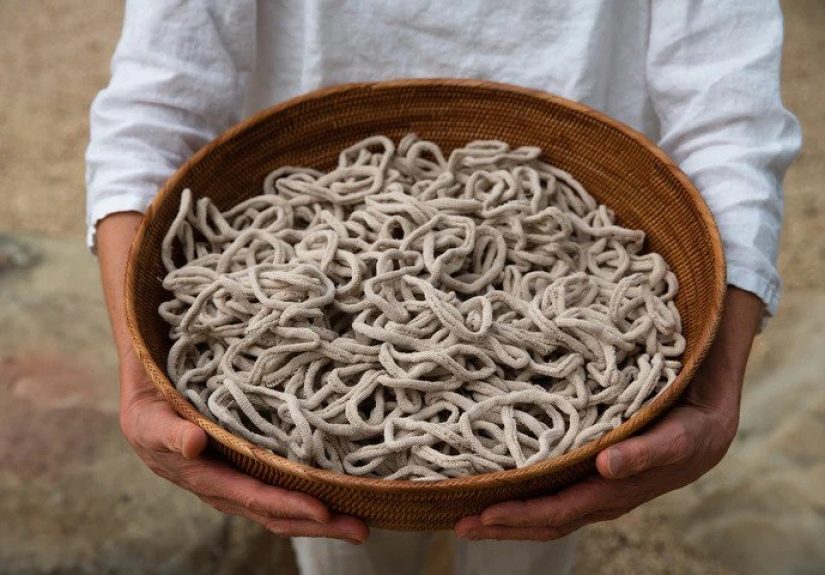
Cotton loops are stretchy fabric rings used on small peg looms, most commonly potholder looms. The traditional small loom is often around 7 inches square, while larger “pro” potholder looms are commonly around 10 inches square. On a small loom, the cotton loops are stretched from peg to peg to form the warp, then woven over and under to create the weft. The result is a compact, thick square of woven cotton.
The classic use is the handmade potholder, but the same basic technique can produce coasters, trivets, sensory squares, decorative patches, and beginner weaving samples. Many U.S. craft brands sell cotton loops specifically sized for traditional 7-inch looms, and some sell larger loops for 10-inch looms. Traditional 7-inch looms usually create finished potholders around 6 inches square, while larger pro looms can create finished pieces around 8 inches square. That difference may sound small, but in kitchen terms it is the difference between “cute for a mug” and “I can rescue a casserole.”
Why Cotton Is the Favorite Fiber
Cotton is popular because it is soft, flexible, easy to handle, and practical for household crafts. For potholders and hot pads, cotton is generally preferred over synthetic-only loops because it feels sturdy and natural. Cotton loops also produce a pleasant woven texture: slightly cushy, slightly structured, and not too slippery. When the loops are well made, they hold tension on the loom without snapping back like angry spaghetti.
Another advantage is grip. A woven cotton potholder has enough texture to help you hold a pot handle or mug without feeling like you are using a shiny plastic placemat. Cotton also absorbs dye beautifully, which is why quality loop packs often come in rich palettes: brights, pastels, earth tones, jewel tones, neutrals, and seasonal mixes. This matters because small-loom projects are mostly about pattern. The loom is tiny; the colors do the talking.
Small Loom Sizes: Traditional vs. Pro
Traditional 7-Inch Looms
The traditional small potholder loom is usually the best starting point. It is compact, affordable, easy to store, and comfortable for children and beginners. Traditional cotton loops are designed to fit this size without excessive pulling. If you are buying refill loops, look for wording such as “traditional size,” “7-inch loom,” or “fits standard potholder loom.”
Pro 10-Inch Looms
The 10-inch pro loom uses longer loops and creates a larger finished square. It is great for adults, gift projects, larger hot pads, and more complex designs. However, pro loops are usually not interchangeable with traditional loops. A traditional loop on a pro loom will stretch too tightly, and a pro loop on a small loom may droop like a hammock. Matching loop size to loom size is the first rule of peaceful weaving.
How to Choose the Best Cotton Loops
Check the Fiber Content
Look for loops labeled as 100% cotton or high-quality cotton. Some inexpensive craft packs use polyester, nylon, acrylic, or blends. Those materials can be colorful and fun for decorative crafts, but they may not have the same feel, thickness, or heat-friendly reputation as cotton. If the finished piece will be used in the kitchen, cotton is the safer and more traditional choice.
Match the Loop to the Loom
Before buying, confirm whether your loom is traditional or pro size. The easiest mistake is buying a beautiful bag of loops that belongs to a different loom size. It is a craft tragedy, but at least it is a colorful tragedy.
Look for Consistent Stretch
Good cotton loops should stretch enough to reach the pegs without feeling brittle or overstretched. Inconsistent loops create uneven tension, which can make the final potholder warp, curl, or look like it has strong opinions about geometry.
Choose Colors With a Plan
Random colors can be delightful, but planned colors create better results. Beginners can start with two colors: one for the warp and one for the weft. More advanced weavers can try stripes, checkerboards, houndstooth-inspired layouts, ombré effects, log cabin patterns, or seasonal palettes.
How to Weave With Cotton Loops on a Small Loom
Step 1: Set Up the Warp
Place the loom flat on a table. Stretch one cotton loop from the top peg to the matching bottom peg. Continue across the loom until every vertical peg pair is filled. These vertical loops are called the warp. Keep the colors in your chosen order. If you are making stripes, this is where the stripe pattern begins.
Step 2: Weave the Weft
Take a new loop and weave it horizontally across the loom, going over one warp loop and under the next. On the next row, reverse the pattern: under where the previous row went over, and over where it went under. This alternating structure is plain weave, the dependable peanut butter sandwich of textile construction. It is simple, reliable, and somehow always satisfying.
Step 3: Use the Hook Near the End
The first rows can often be woven with fingers. As the fabric tightens, the hook becomes useful. Slide the hook over and under the warp loops, catch the new cotton loop, and pull it back through. Do not rush this part. Tight rows are normal, but forcing the loop can distort the fabric or launch a loop across the room. Nobody wants to explain a craft-related projectile incident.
Step 4: Finish the Edge
To remove the woven square from the loom, finish the edge by chaining the loops around the perimeter. Lift one loop off its peg, then pull the next loop through it. Continue around all four sides. The final loop becomes the hanging loop. This finishing method locks the edges and keeps the piece from unraveling.
Pattern Ideas for Small-Loom Cotton Loops
Classic Checkerboard
Use two colors and alternate them in both warp and weft. This creates a cheerful checkerboard that looks clean, classic, and giftable.
Modern Neutrals
Try cream, tan, gray, chocolate, and black. Neutral cotton loops can make a potholder look surprisingly elegant, especially in farmhouse, minimalist, or Scandinavian-style kitchens.
Rainbow Rows
Use rainbow order across the warp, then repeat it across the weft. The result is bright, playful, and perfect for kids’ craft tables or cheerful kitchen decor.
Seasonal Sets
For fall, use rust, mustard, brown, olive, and cream. For winter, try red, white, evergreen, and navy. For spring, use mint, pink, butter yellow, and lavender. A small loom lets you make coordinated sets without needing a giant crafting budget or a separate room labeled “fiber studio,” although that would be nice.
One-Color Texture
A single-color potholder can look surprisingly refined because the woven texture becomes the focus. White, natural cotton, charcoal, or deep blue can all look polished.
Cotton Loops vs. Synthetic Craft Loops
Not all loops behave the same. Cotton loops usually feel thicker, softer, and more traditional. Synthetic loops may be stretchier, shinier, or cheaper, and they can work well for decorative pieces or practice projects. However, when the goal is a functional potholder, many crafters prefer cotton because it has a better kitchen-craft reputation and a more substantial feel.
The difference becomes obvious during weaving. Cotton loops tend to grip each other slightly, helping the structure stay in place. Very slick synthetic loops can slide around, making the pattern less stable. That does not mean synthetic loops are useless; it means you should choose based on the project. For a decorative wall square, go wild. For grabbing a hot pan, choose quality cotton and use common kitchen safety.
Common Mistakes and How to Avoid Them
Using the Wrong Loop Size
This is the most common problem. Traditional loops belong on traditional looms; pro loops belong on pro looms. If your loops are painfully tight or oddly loose, check the size before blaming your technique.
Pulling Rows Too Tight
Small-loom weaving naturally tightens as you work. Pulling too hard can bend the edges inward. Keep the tension firm but relaxed. Think “secure handshake,” not “opening a pickle jar.”
Ignoring Color Placement
A beautiful color can disappear if placed beside a similar shade. Use contrast when you want a pattern to show. Pair dark with light, warm with cool, or bright with neutral.
Skipping the Final Edge Check
Before removing the piece from the loom, check all loops. Make sure none were skipped, twisted badly, or left hanging halfway. Fixing mistakes is much easier while the fabric is still on the loom.
Care Tips for Finished Cotton Loop Projects
Finished cotton loop potholders and small woven squares can usually handle everyday use, but they appreciate basic care. Shake out crumbs, let damp pieces dry fully, and wash gently when needed. If machine washing is allowed by the loop manufacturer, use a mild cycle and air dry to help preserve shape. Cotton may shrink or tighten slightly, which can actually make the weave feel denser.
For potholders, inspect the fabric over time. If it becomes thin, scorched, loose, or damaged, retire it from heat duty and promote it to coaster, plant mat, or “sentimental square of honor.” Handmade items deserve career development too.
Why Cotton Loop Weaving Is Great for Kids and Beginners
Small-loom weaving is excellent for beginners because the structure is visible. You can see the warp, the weft, the over-under pattern, and the final edge. It teaches patience, sequencing, hand-eye coordination, and basic textile logic without requiring needles, complicated knots, or a vocabulary test in ancient weaving terms.
For kids, cotton loops are especially friendly because the materials are soft and the results appear quickly. A child can complete a small potholder in one sitting, which is helpful because “delayed gratification” is not always a crowd favorite at the craft table. Adults benefit too. The repetitive motion is calming, the colors are fun, and the finished object is useful. It is hard to doom-scroll when both hands are busy weaving a tiny square of domestic optimism.
Creative Uses Beyond Potholders
Cotton loops for small loom projects are not limited to potholders. Finished squares can become coasters, trivets, dollhouse rugs, play kitchen accessories, patchwork panels, holiday ornaments, table protectors, or stitched-together blankets for toys. Several woven squares can be joined to make a larger mat or decorative runner. Mini weavings can also be used as teaching samples for art classes, color theory lessons, and introductory textile design.
If you are crafting for gifts, make sets. Two potholders and two matching coasters feel intentional. A stack of seasonal hot pads tied with cotton ribbon looks charming at a housewarming party. A child’s first handmade potholder can become a grandparent gift with maximum emotional impact and minimal shipping weight. That is what experts call a win.
Buying Guide: What to Look for in Cotton Loop Packs
When shopping for cotton loops, look for clear sizing, good fiber information, color variety, and realistic project counts. Some packs make one potholder, some make two, and larger bags may make several. If you are teaching a group, buy more loops than you think you need. Color negotiations among young crafters can become intense. One child will absolutely need “the exact blue,” and suddenly your peaceful activity has a supply-chain crisis.
For beginners, a mixed-color pack is useful because it encourages experimentation. For design-focused projects, single-color packs are better because they allow you to control the pattern. If you plan to weave often, larger refill packs are more economical and reduce the chance of running out halfway through a matching set.
Experience Notes: Real-Life Lessons From Using Cotton Loops for Small Loom Projects
The first thing most people learn from cotton loop weaving is that the loom looks easier than it is. Not difficult, exactly, but more thoughtful than expected. You begin with confidence: stretch, stretch, stretch, weave, weave, weave. Then halfway through the project, the rows tighten, the hook becomes essential, and the loom quietly asks whether you are still the boss. This is where good cotton loops make a huge difference. When the loops are consistent, the project feels smooth. When they are uneven, every row becomes a small negotiation.
One practical experience is to sort colors before starting. Dumping the loops into a bowl looks lovely, but it also invites chaos. If you want a clean pattern, line up the loops in order beside the loom. This tiny preparation step saves time and prevents the classic mistake of placing three beautiful rows, then realizing the final color is missing. Another helpful habit is to take a quick photo of the layout before weaving. That way, if someone bumps the table, you are not forced to reconstruct your artistic vision from memory and mild panic.
Another lesson: the finishing edge matters more than beginners expect. A potholder can be woven beautifully and still look messy if the edge is rushed. Chaining each loop carefully gives the piece a tidy border and helps the square keep its shape. It also creates the hanging loop, which is the small but mighty detail that makes the project feel complete. The last loop should be snug, but not stretched so tightly that the corner curls.
Color experiments are where small looms become addictive. A simple two-color design can look bold and graphic. Earth tones can look expensive, even if the project was made while drinking coffee in pajamas. Bright rainbow loops create instant happiness. The surprise is that “ugly” colors often become interesting when woven together. A dull brown, a strange orange, and a stubborn green may suddenly turn into a retro kitchen masterpiece. Cotton loops are forgiving like that.
For family crafting, small-loom cotton loops work best when the goal is relaxed creativity rather than perfection. Younger kids may skip a row or twist a loop. That is fine. The finished piece will still have charm. Adults, on the other hand, may become unexpectedly competitive. Give them a pro loom and a neutral palette, and suddenly they are designing a boutique collection called “Heritage Toast.” This is normal. Small looms awaken the textile designer hiding inside ordinary people.
The best experience tip is to make useful sets. One potholder is fun; a pair feels intentional. Add two coasters, and you have a handmade gift. Use the same colors in different patterns, and the set looks curated. Cotton loops for small loom projects are affordable, portable, and easy to revisit. You can weave while watching a movie, helping kids with crafts, or taking a quiet break from screens. The finished square may be small, but the satisfaction is not.
Conclusion
Cotton loops for small loom weaving prove that simple materials can still create beautiful, practical, and personal results. A small loom does not require advanced weaving knowledge, expensive equipment, or a heroic attention span. It only asks for cotton loops that fit, a little patience, and a willingness to follow the over-under rhythm until fabric appears. From classic potholders to coasters, trivets, decorative squares, and handmade gifts, cotton loops turn a compact frame into a tiny textile workshop.
The key is choosing quality loops, matching them to the correct loom size, planning colors before weaving, and finishing the edges carefully. Do that, and your small loom will reward you with sturdy, cheerful pieces that feel both nostalgic and fresh. Also, they make your kitchen look like someone in the house has wholesome hobbies. That alone is worth a bag of loops.
Note: This article was synthesized from current U.S. craft retailers, loom makers, and weaving education sources, including Harrisville Designs/Friendly Loom, Schylling, Michaels, Little Looms, ARTBAR, Southern Living, The Yarnery, and potholder-pattern resources. Product sizing and project-count details were cross-checked against manufacturer and retailer descriptions.






 Close
Close