Table of Contents >> Show >> Hide
- Why Pantries Turn Into Disaster Zones (It’s Not a Moral Failing)
- Your Pantry Makeover Game Plan
- Step-by-Step: The Disaster Zone Pantry Makeover
- Step 1: Pull Everything Out (Yes, Everything)
- Step 2: Food Safety Reality Check (Because “Smells Fine” Is Not a Strategy)
- Step 3: Clean Like You Mean It (But Don’t Overthink It)
- Step 4: Create Pantry Zones (Your Pantry’s New Neighborhood Map)
- Step 5: Choose Containers That Solve Specific Problems
- Step 6: Label Like a Grown-Up (Future You Will Write You a Thank-You Note)
- Step 7: Build in Rotation (The Secret Sauce of a Pantry That Stays Great)
- Make It Emergency-Ready Without Turning It Into a Doomsday Display
- Common Pantry Makeover Mistakes (So You Can Skip Them)
- Sample Layouts: Copy-Paste These Ideas
- Experiences From the Pantry Front Lines ( of “Yep, That Happened”)
- Conclusion
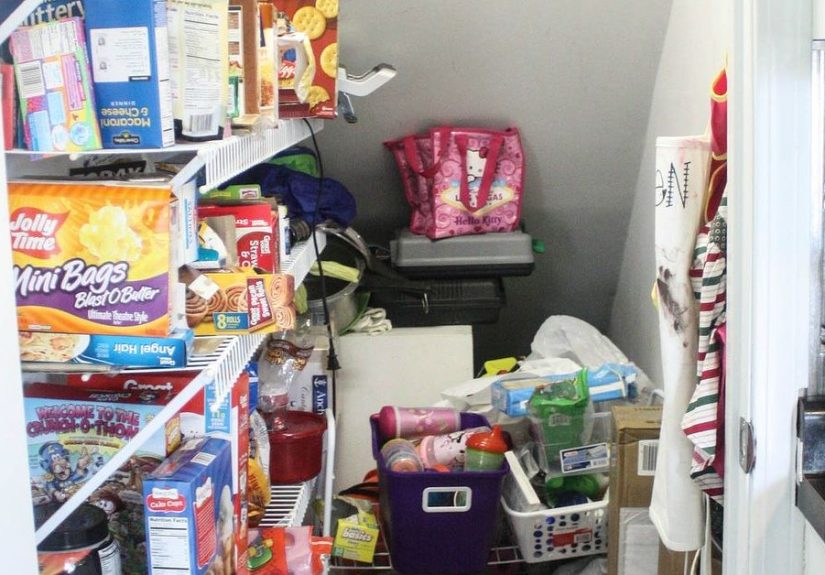
If your pantry has become the place where half-used bags of pasta go to hide, spice jars form mysterious civilizations,
and you routinely buy a “backup” peanut butter because you can’t find the three you already own… welcome.
This is your Disaster Zone Pantry Makeover: a practical, slightly funny, very doable reset that turns chaos into
a system you’ll actually maintain.
This makeover isn’t about turning your pantry into a showroom. It’s about making it functional:
easier meal planning, fewer expired surprises, less food waste, andbonusan emergency-ready stash that doesn’t feel like a bunker.
You’ll get step-by-step instructions, real-world examples, and a “future you” maintenance plan that takes about as long as a microwave burrito.
Why Pantries Turn Into Disaster Zones (It’s Not a Moral Failing)
Pantry chaos usually comes from a few predictable villains:
- Visibility problems: deep shelves and tall stacks make food disappear like it’s in witness protection.
- Category drift: snacks migrate, baking supplies start squatting with canned goods, and suddenly cinnamon is living with tuna.
- Packaging chaos: floppy bags, bulky boxes, and “family size” anything create clutter fast.
- Emergency buys with no plan: you stock up “just in case,” then never rotate, so “just in case” becomes “just expired.”
The solution isn’t perfection. It’s simple structure: clear zones, containers that behave, labels that tell the truth,
and a rotation habit that prevents “ancient rice archaeology.”
Your Pantry Makeover Game Plan
Think of this as a mini renovation without power tools. You’ll do four big things:
empty, edit, organize, and maintain.
The goal is a pantry that supports everyday cooking and keeps you prepared for disruptions like storms, power outages, or surprise guests who eat like locusts.
What You’ll Need (No, Not a Label Maker… Unless You Want One)
- Trash bag + donation box (the “be honest” duo)
- All-purpose cleaner, warm soapy water, and a towel
- Painter’s tape + marker (cheap labeling that doesn’t commit)
- A few bins or baskets (start with what you already own)
- Optional upgrades: airtight containers, a Lazy Susan/turntable, shelf risers, and clear stackable bins
Step-by-Step: The Disaster Zone Pantry Makeover
Step 1: Pull Everything Out (Yes, Everything)
This is the only time in this makeover where you’re allowed to create a bigger mess to make a smaller one later.
Emptying the pantry lets you see duplicates, forgotten items, and expiration-date jump scares.
As you unload, sort into quick piles:
Keep, Toss, Donate, and Relocate (items that don’t belong in the pantry).
If you’re short on time, do it shelf by shelfstill effective, less dramatic.
Step 2: Food Safety Reality Check (Because “Smells Fine” Is Not a Strategy)
Pantry makeovers are mostly about convenience, but they’re also a perfect moment to get smart about food safety.
Follow package instructions, discard food you suspect is spoiled, and avoid “taste-testing” questionable items as a safety check.
For shelf-stable items, you’re mainly watching for damaged packaging (bulging cans, torn bags, pests, weird odors),
and keeping foods in a cool, dry place away from heat and moisture. If you want help estimating how long foods stay at best quality,
use a reputable storage reference (many people use the USDA-backed FoodKeeper guidance to reduce waste and confusion).
Step 3: Clean Like You Mean It (But Don’t Overthink It)
Wipe shelves, corners, and sticky mystery rings left by honey bottles that “weren’t leaking.”
If you spot crumbs, vacuum or wipe them upcrumbs are basically party invitations for pests.
Step 4: Create Pantry Zones (Your Pantry’s New Neighborhood Map)
Zoning is the difference between “organized for a week” and “organized for a year.”
Pick zones that match how your household actually eats.
Common, highly functional pantry zones:
- Everyday cooking: oils, vinegar, salt, pepper, frequently used spices
- Breakfast: cereal, oats, pancake mix, coffee/tea
- Snacks: bars, crackers, applesauce, lunchbox stuff
- Baking: flour, sugar, chocolate chips, baking powder/soda, extracts
- Meal starters: pasta, rice, beans, jarred sauce, canned tomatoes
- Cans & jars: soups, veggies, tuna, nut butters
- Backstock: duplicates, bulk buys
- Emergency-ready: a separate section for shelf-stable “grab foods”
Put your most-used zones at eye level. Less-used items go higher or lower. If you have kids,
put kid snacks where kids can reach themunless you enjoy hearing “I’m staaaarving” while they stare directly at a full pantry.
Step 5: Choose Containers That Solve Specific Problems
Containers are tools, not trophies. The best ones do three jobs:
they keep dry goods fresher, stack neatly, and let you see what you have.
Many home-organization experts recommend decanting staples (like cereal, flour, rice, and snacks) into clear, airtight containers
to reduce visual clutter and make inventory obvious.
Match the tool to the issue:
- Airtight containers: for flour, sugar, cereal, rice, and anything that goes stale or attracts pests
- Clear bins: for grouping (snacks, baking, sauces) and pulling a whole category out at once
- Turntables (Lazy Susans): for oils, nut butters, saucesanything that gets lost in the back
- Shelf risers/tiered organizers: for cans and spices so labels aren’t hiding behind each other
- Door storage: for light items (wraps, small snacks, seasoning packets) if space allows
If you’re budget-conscious, start with just a few containers for your messiest categories (often snacks and baking),
then expand only if the system proves it deserves more funding.
Step 6: Label Like a Grown-Up (Future You Will Write You a Thank-You Note)
Labels prevent “Is this powdered sugar or flour?” and reduce duplicate purchases.
You don’t need anything fancy: a marker and simple labels work great.
What to label:
- Decanted containers (name + optional “opened on” date)
- Bins (“Snacks,” “Baking,” “Pasta & Rice,” etc.)
- Backstock bins (“Extra peanut butter,” “Extra soup”) so duplicates don’t scatter
Step 7: Build in Rotation (The Secret Sauce of a Pantry That Stays Great)
Use the FIFO methodfirst in, first out. Put newer items behind older ones so the older items get used first.
This is especially important for shelf-stable emergency food, where the goal is readiness without a museum of expired crackers.
A simple habit: once a week (or once per grocery trip), do a 60-second “front-facing check.”
Bring older items forward, scan for near-expiration foods, and plan one meal that uses them.
Make It Emergency-Ready Without Turning It Into a Doomsday Display
A pantry makeover is the perfect time to quietly level up your household preparedness.
Many U.S. emergency readiness guidelines encourage keeping at least a several-day supply of non-perishable food,
focusing on foods your household will actually eat.
Emergency Pantry Basics: Practical, Not Paranoid
- Choose familiar foods: comfort matters when life is stressful.
- Plan for no-cook options: canned proteins, nut butters, ready-to-eat soups, shelf-stable milk, bars.
- Don’t forget special needs: baby food/formula, medical diets, allergies, pet food.
- Store water too: food is great, but water is non-negotiable.
Power Outage Reality: Know What to Save and What to Toss
Pantry foods are usually fine during outages, but refrigerators and freezers are the wildcard.
A simple plan helps: keep fridge and freezer doors closed, use a thermometer if you have one,
and when in doubt, throw it outespecially for perishable foods.
Stocking a small “no-cook” pantry zone (plus a manual can opener) means you’re not staring into a dark fridge
like it’s a dramatic movie scene.
Common Pantry Makeover Mistakes (So You Can Skip Them)
- Buying containers before you sort: you’ll end up with a beautiful container full of regret.
- Making too many categories: if it takes a flowchart to put away crackers, the system will fail.
- Hiding snacks in the back: that’s how snacks become stale fossils.
- Ignoring maintenance: even the best pantry needs tiny check-ins to stay friendly.
Sample Layouts: Copy-Paste These Ideas
Small Pantry (Apartment Edition)
- Top shelf: backstock + rarely used appliances
- Eye level: meal starters + everyday cooking
- Lower shelf: snacks in a single pull-out bin
- Turntable: sauces and nut butters to prevent “back shelf limbo”
Family Pantry (Lunchbox Headquarters)
- Kid zone: grab-and-go snacks, bars, applesauce pouches
- Parent zone: cooking essentials + coffee/tea
- Bulk zone: cereal, rice, flour in airtight containers
- Emergency zone: a labeled bin for shelf-stable, no-cook meals
“Prepared, Not Panicked” Pantry
- Everyday food: your normal staples, rotated regularly
- Two-week cushion: extras you already eat (pasta, canned beans, soups)
- Power-outage helpers: instant meals, shelf-stable proteins, electrolyte drinks
- Tracking: a simple list taped inside the door: what to replenish, what to use next
Experiences From the Pantry Front Lines ( of “Yep, That Happened”)
The best part of a Disaster Zone Pantry Makeover is realizing you’re not the only person who’s ever discovered
three open bags of the same pasta shape and a single cinnamon stick that has clearly seen things.
The stories below are composites based on common pantry patterns shared by home cooks, organizers, andhonestlyanyone who has ever bought groceries while hungry.
1) The Snack Avalanche Household. This pantry looked fine until you opened the door, and then gravity did what gravity does.
The “system” was stacking. Stacking is not a system; stacking is a hope-and-prayer lifestyle.
The fix was hilariously simple: one large, labeled snack bin at kid height and one “backup snacks” bin up top.
Once snacks had a home, nobody shoved crackers behind cereal anymore. The bonus win? Parents stopped buying duplicates because they could actually
see the snack situation at a glance.
2) The Baking Bermuda Triangle. Flour, sugar, and baking powder were scattered across three shelves like they were playing hide-and-seek.
Every baking day began with a scavenger hunt and ended with “We’re out of sugar” (they were not out of sugar).
The makeover move: decant baking staples into airtight containers, label them clearly, and group them into one baking zone.
Suddenly baking became “make cookies” instead of “rebuild civilization from scratch.”
3) The “Emergency Supplies” Time Capsule. There was an “emergency shelf,” which sounded responsibleuntil anyone looked closely.
It contained foods nobody liked, plus cans from an era when flip phones were cool. During a storm warning, the household realized they had stocked
anxiety, not dinner. The fix: rebuild the emergency zone with familiar foods (soups, canned beans, tuna, nut butter, instant oats),
add a manual can opener, and use FIFO rotation so the emergency food stays fresh by being used in normal life.
The shelf stopped being a museum and became a practical buffer.
4) The Power-Outage Wake-Up Call. After a long outage, this household realized they didn’t have a plan for the fridge and freezer.
They also didn’t have a “no-cook” backup planso dinner turned into “chips and vibes.”
Post-outage, they made two smart changes: keep a small pantry section for no-cook meals and store a simple appliance thermometer.
The pantry wasn’t just prettier; it was calmer under pressure.
5) The “I Want It Pretty, But I Also Want to Live Here” Makeover. This was the household that tried a hyper-aesthetic setupuniform jars,
fancy labels, and categories so specific you’d need a librarian to restock the pantry.
Two weeks later, the system collapsed because it demanded perfection. The second attempt worked because it focused on function:
fewer categories, bigger bins, clear labels, and a weekly two-minute reset. The pantry still looked great,
but it also survived real life, which is the highest compliment a pantry can receive.
Conclusion
A Disaster Zone Pantry Makeover isn’t about becoming a different personone who always decants lentils and never buys duplicate ketchup.
It’s about creating a pantry that makes dinner easier on normal days and keeps you steadier on weird days.
Empty it, zone it, containerize the chaos, label with confidence, and rotate like you mean it.
The payoff is daily: less stress, less waste, and a pantry that finally feels like it’s on your team.