
Table of Contents >> Show >> Hide
- Why a DIY Beer Carrier Makes Such a Great Gift
- Pick Your Beer Carrier Style
- Planning the Size (So Your Beer Doesn’t Clank Like Wind Chimes)
- Materials and Tools
- The Build: Step-by-Step Classic Wooden Beer Caddy
- Step 1: Choose a simple cut list (adjustable template)
- Step 2: Mark the side shape (taper + handle hole)
- Step 3: Cut the sides cleanly
- Step 4: Cut the bottom and rails
- Step 5: Dry fit everything (the underrated hero step)
- Step 6: Assemble the base
- Step 7: Add the handle (dowel or custom grip)
- Step 8: Build the dividers (optional but highly recommended)
- Step 9: Sand like you mean it
- Step 10: Finish for durability (and “gift vibes”)
- Make It Gift-Ready: Upgrades That Get “Whoa, You MADE This?!”
- Common Mistakes (And How to Avoid Them)
- Gift Presentation Ideas (Because Packaging Matters)
- FAQ
- Hands-On Experience: of Real-Life Beer Caddy Lessons
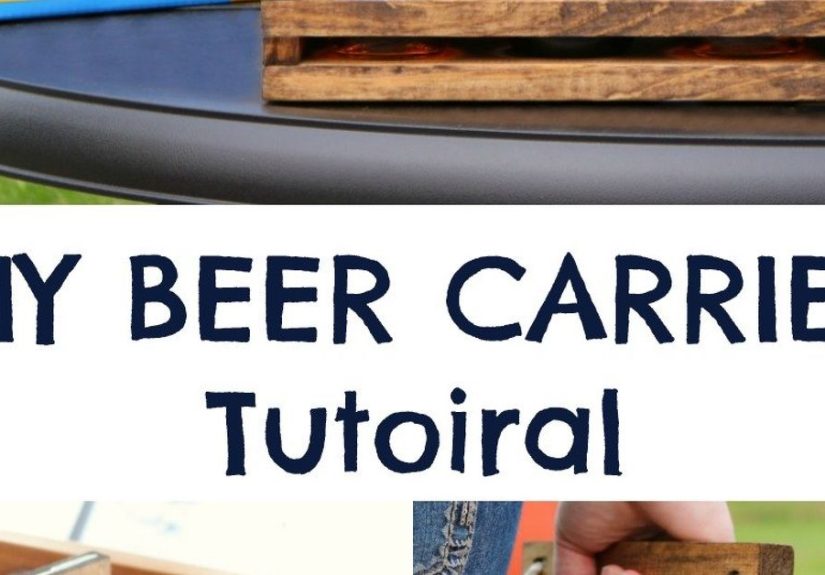
There are gifts you buy, and gifts you build. The first kind says, “I remembered you.” The second kind says, “I remembered you… and I also own sandpaper.” A DIY beer carrier (also called a wooden beer caddy or six-pack tote) hits that sweet spot between practical and personal: it transports bottles or cans safely, looks great on a table, and basically screams, “I have my life together,” even if you absolutely do not.
In this guide, you’ll learn how to make a sturdy, good-looking DIY beer carrier that holds a standard six-pack, feels comfortable in your hand, and can be customized into a downright legendary gift. We’ll cover sizing (so bottles don’t rattle like maracas), materials, a beginner-friendly build process, finishing tricks, and gift-ready upgrades like dividers, openers, and personalization.
Why a DIY Beer Carrier Makes Such a Great Gift
A beer carrier is one of those “I didn’t know I needed this until I had it” items. It solves real problems: carrying glass safely, keeping labels visible (important for craft beer bragging rights), and preventing that awkward party arrival where you’re juggling bottles like a circus intern.
Gift occasions where it absolutely shines
- Father’s Day: Dad gets a useful tool that isn’t a tie. Everyone wins.
- Groomsmen gifts: Make six carriers, add initials, and pretend it wasn’t a fun excuse to buy new clamps.
- Housewarming/host gifts: Bring a carrier filled with local brews; you’ll be invited back.
- Birthdays: Personalize it with a nickname, a date, or an inside joke that only makes sense after two IPAs.
- Tailgates and cookouts: Built-in portability + style points.
The best part: this is a project where “slightly rustic” can be a design choice. Tiny imperfections don’t ruin it; they make it look handcrafted, which is code for “I’m charming and not obsessed with perfection.” (We’ll still aim for solid joinery so it doesn’t collapse mid-walk like a bad relationship.)
Pick Your Beer Carrier Style
Most DIY beer carriers fall into a few popular styles. Choose based on your tools, time, and the vibe you want.
1) Classic wooden six-pack caddy (most popular)
Two shaped side panels, a bottom, side rails, and a handle (often a dowel). Add a divider and you’ve got a sturdy, giftable beer tote that works for bottles or cans.
2) Toolbox-inspired carrier (extra rugged look)
A little chunkier, sometimes with taller ends and more hardware. This style screams “weekend warrior,” even if the only thing you’ve repaired lately is your sleep schedule.
3) Flat-pack / minimalist carrier (lighter + modern)
Some designs use interlocking panels (great if you have access to a laser cutter or want a sleek look). Awesome for makers, and also awesome for people who enjoy saying “parametric design” at parties.
In this article, we’ll focus on the classic wooden beer caddy because it’s beginner-friendly, looks great, and can be built with common tools.
Planning the Size (So Your Beer Doesn’t Clank Like Wind Chimes)
A standard 12 oz longneck bottle is roughly 9 inches tall and about 2.4 inches in diameter. A standard 12 oz can is about 4.8 inches tall and roughly 2.6 inches in diameter. The takeaway: your interior spacing needs to be friendly to both, and dividers should keep bottles from kissing each other repeatedly during transport.
A simple spacing rule that works
- Give each bottle slot about 2.75–3 inches of width if you’re adding dividers.
- Keep the handle high enough so your knuckles don’t smash into bottle caps (a surprisingly common design flaw).
- Build for weight: six full bottles are heavy. Make sure your handle and joints are ready.
Many popular DIY plans land in a similar range: roughly 9–11 inches long, around 5–7 inches deep, and about 11–13 inches tall depending on handle style and side shape. That’s the “Goldilocks zone” for a six-pack that’s stable without being bulky.
Materials and Tools
You can build this from a single pine board and still end up with something gift-worthy if you finish it well. If you want it to feel premium, use a hardwood like oak, maple, or walnut. If you want it to feel like “I rescued this from a barn and now it has a second life,” reclaimed wood is perfect (just check for nailssurprise nails are the enemy).
Materials
- Wood boards (common choice: 1×6 and/or 1×4; or 1/2″–3/4″ stock)
- Wood glue
- Brad nails or wood screws (or pocket hole screws if you’re using a jig)
- 3/4″ wooden dowel (for handle) or a shaped wooden handle cut from scrap
- Optional: thin board for dividers, bottle opener, screws for opener
- Sandpaper (80/120/150/220 grit range)
- Finish: stain + polyurethane, wipe-on poly, or paint/milk paint + wax for a vintage look
Tools (choose what you have)
- Measuring tape, square, pencil
- Saw: miter saw, circular saw, or even a handsaw (patience included)
- Jigsaw (helpful for shaping the sides)
- Drill/driver
- Forstner bit or hole saw (great for clean handle holes)
- Clamps (the more, the merrier)
- Sander or sanding block
The Build: Step-by-Step Classic Wooden Beer Caddy
Below is a practical, flexible build that produces a carrier sized for most six-packs. Consider it a “master recipe” you can tweak. If you’d like a dead-simple approach, you can keep the cuts straight and skip fancy curvesthis still looks fantastic once sanded and finished.
Step 1: Choose a simple cut list (adjustable template)
Here’s an easy cut list that balances capacity and comfort. This assumes 3/4″ thick lumber (typical 1x boards). Adjust if you’re using different thickness.
- Sides (2): 12.5″ long × 5.5″ tall (cut a taper/curve at the top for style)
- Bottom (1): 8.5″ long × 5.5″ wide
- Side rails (2): ~8.5″ long × 1.5″ tall (or rip from scrap)
- Handle dowel (1): 3/4″ diameter × ~10″ long (trim to fit)
- Optional dividers: thin strips to form a 2×3 grid (measure interior after assembly)
Why this size works: it’s compact, holds six bottles/cans reliably, and keeps the handle centered. If you want a roomier interior (especially for wider craft bottles), add 1/2″–1″ to the bottom length and rail length.
Step 2: Mark the side shape (taper + handle hole)
On each side panel, mark a taper so the carrier looks intentional instead of “I cut rectangles and called it design.” A classic method:
- Measure about 8″ up from the bottom and make a mark.
- Measure about 2.25″ in from the top edge and make a mark.
- Draw a line between those marks and cut along it (repeat on both ends for symmetry).
For the handle: mark a point roughly 1/2″ down from the top edge and centered front-to-back on each side. Drill a 3/4″ hole for the dowel. Tape the two side boards together before drilling so the holes align perfectly. Future-you will say thank you.
Step 3: Cut the sides cleanly
Use a jigsaw for the taper and any curves. Keep your cuts just outside the pencil line, then sand to the line. This is a fancy way of saying, “Let sanding fix what cutting couldn’t.” It’s not cheating. It’s woodworking.
Step 4: Cut the bottom and rails
Keep the bottom square and true. This is your foundation, and foundations are not the place for improvisational geometry. Cut the rails from scrap or a ripped board. They help keep bottles stable and give you more nailing/screwing surface.
Step 5: Dry fit everything (the underrated hero step)
Before glue enters the chat, assemble the pieces without fasteners. Check that:
- The bottom is centered between the side panels.
- The rails sit evenly and don’t create a wobble.
- The handle dowel slides in and sits level.
Dry fitting takes five minutes and saves you from the soul-crushing experience of realizing your caddy leans like it’s had one too many.
Step 6: Assemble the base
Apply wood glue where the bottom meets the side panels. Clamp if you can. Then fasten with brad nails or screws. If you’re using screws, pre-drill and countersink to prevent splitting and to keep everything neat.
Add the side rails next. These rails stiffen the build and give the carrier that “real product” feel. Glue + fasteners is a great combo here.
Step 7: Add the handle (dowel or custom grip)
Put a small amount of glue on each end of the dowel and insert it through the side holes. Center it so it’s even on both sides. If you want extra security, you can pin it with a brad nail through the side into the doweljust keep it neat and pre-drill if needed.
Comfort upgrade: slightly round over the dowel with sandpaper so it feels good in the hand. Your palm will appreciate it, especially when the carrier is fully loaded.
Step 8: Build the dividers (optional but highly recommended)
Dividers prevent bottles from clinking and help the carrier feel premium. The easiest divider system is a simple “grid”: one long strip running lengthwise and two shorter strips running widthwise to create a 2×3 layout.
- Measure the interior length and width after assembly.
- Cut divider strips from thin stock (1/4″–3/8″ is nice and light).
- Cut half-depth notches where strips cross so they interlock.
- Dry fit, then glue lightly (or make it removable so it’s easier to clean).
Removable dividers are also great if the recipient sometimes carries tall cans, short cans, or odd-sized bottles. Flexibility = more use = more gift glory.
Step 9: Sand like you mean it
Start with a coarser grit if needed (80–120) to remove roughness and saw marks, then move up through 150 and finish at 220 for a smooth feel. Don’t skip the edgessoftened edges look better and feel better, especially around the handle area.
Step 10: Finish for durability (and “gift vibes”)
A beer carrier will see moisture, drips, and condensation. A finish isn’t optional; it’s how you prevent your beautiful build from looking like a sad sponge.
- Stain + polyurethane: Classic, durable, and brings out the grain.
- Wipe-on poly: Easy, forgiving, and great for beginners.
- Paint (including milk paint) + wax: Vintage look that photographs beautifully.
- Outdoor/semi-outdoor use: Consider spar urethane for extra moisture resistance.
Pro tip: finishing individual pieces before final assembly can make it easier to reach corners and divider areas. If you assembled first, no worries just be patient and use a small brush for tight spots.
Make It Gift-Ready: Upgrades That Get “Whoa, You MADE This?!”
Add a bottle opener (the crowd-pleaser)
Mount a metal bottle opener to one side using short screws. Place it high enough that you can pop a cap without smacking the bottle into the caddy. This single add-on turns your carrier into a tiny portable party station.
Personalize it
- Wood burning: Names, initials, dates, logos, or “PROPERTY OF DAD.”
- Stencil + paint: Clean, graphic, and easy to redo if you mess up.
- Engraving: Laser engraving looks premium if you have access.
- Custom handle: Swap the dowel for a leather-wrapped grip or a shaped wooden handle.
Upgrade the wood
Walnut or white oak instantly makes the project feel high-end. Reclaimed wood makes it feel storied. Pine keeps it affordable and beginner-friendly. There’s no wrong answerjust match the vibe to the person.
Line the bottom (bonus durability)
If you want extra protection, add a thin rubber or cork liner to the bottom. It reduces slipping and helps with moisture. It’s like giving your beer a tiny yoga mat.
Common Mistakes (And How to Avoid Them)
1) Handle too low
If the handle is too close to bottle caps, your knuckles will collide with “cap city” every time you carry it. Keep the handle comfortably above the tallest bottle tops, and test with an actual bottle during dry fit.
2) No dividers (or dividers that don’t fit)
Without dividers, bottles can knock together and chip. Dividers that are too tight make bottles hard to remove. Aim for snug-but-not-stuck.
3) Weak joints
Six bottles are heavy. Use glue, and use enough fasteners. If you’re using softwood, consider slightly thicker stock or reinforce the bottom/rails. The goal is “heirloom,” not “one-time use.”
4) Rushing the finish
The finish is where the gift magic happens. Let it dry fully between coats, and lightly sand between coats if the finish instructions recommend it. If you rush, you’ll end up with fingerprints immortalized like a tiny crime scene.
Gift Presentation Ideas (Because Packaging Matters)
Want the “perfect gift” effect? Don’t hand over an empty carrier like it’s a promise. Fill it.
- The Local Flight: 6 different local craft beers + a handwritten tasting note card.
- The Grill Buddy: 4 beers + 2 sauces/spice rubs + a “BBQ commander” label on the caddy.
- The Classy Version: Swap beer for sparkling water, ginger beer, or fancy sodas for a non-alcohol gift that still looks awesome.
- The Nostalgia Pack: Favorite childhood snacks + root beer (and a wink).
FAQ
How long does it take to build a DIY beer carrier?
If you’re keeping the design simple: an afternoon for cutting and assembly, plus drying time for finish. If you add dividers and personalization, plan a bit more time (and maybe a second podcast episode).
Can I build one without power tools?
Yes. A handsaw, a drill (even a basic one), sandpaper, and patience can get it done. Power tools just make it faster and reduce the chances of inventing new curse words.
What’s the best finish for a beer caddy?
For durability against moisture, polyurethane (brush-on or wipe-on) is a common favorite. For a vintage look, painted finishes with wax can be beautiful. Choose based on how “rustic” versus “sleek” you want it to feel.
Hands-On Experience: of Real-Life Beer Caddy Lessons
The first time I built a DIY beer carrier, I thought, “This is a cute little project.” That is the exact mindset that leads to sanding at midnight while questioning your life choices. Here’s what actually happenedand what I’d do again in a heartbeat.
I started with inexpensive pine because I was “just testing the idea.” Translation: I wasn’t emotionally prepared to ruin walnut. I cut the sides and immediately learned Lesson #1: symmetry is a liar. You can draw matching tapers, but if you cut them separately, they will not match. The fix was simple and brilliant: tape the side boards together and cut them as a pair. Suddenly my beer carrier stopped looking like it was melting.
Lesson #2 was about the handle. I drilled the dowel holes a little too low because I eyeballed it and believed in myself. Confidence is great, but bottle caps are taller than your confidence. When I loaded the carrier, my knuckles hit the caps every time I lifted itlike the carrier was giving me tiny high-fives I did not request. I redid the sides, drilled the holes higher, and sanded the handle until it felt comfortable. After that, carrying it felt solid and balanced instead of awkward and clunky.
Then came Lesson #3: dividers change everything. Without dividers, the bottles clinked like a celebratory wind chime. It wasn’t just noise; it was that uneasy feeling you get when glass is having too much fun near other glass. I added a simple removable divider grid. Instantly the carrier felt more “store-bought” (in a good way), and it made loading and unloading smoother. Bonus: dividers made the gift look more thoughtful, like I planned it and didn’t just panic-build it the night before a birthday party.
Lesson #4 was finishing. I used stain and a clear topcoat, but I rushed between coats because impatience is my brand. The result was tacky spots and dust embedded in the finishtiny evidence that I live on planet Earth where air contains particles. On the next carrier, I wiped everything down carefully, let coats dry fully, and lightly sanded between coats. The difference was ridiculous: smoother feel, richer color, and a finish that looked intentional instead of “I tried.”
My favorite upgrade ended up being a bottle opener on the side. It’s a small detail with big “wow” energy. People notice it immediately. It also sparks conversation, which is basically the whole point of bringing beer to a gathering. Add a name or initials with a wood-burning pen and suddenly your beer carrier goes from “nice” to “you’re not allowed to show up empty-handed ever again.”
The best moment was gifting it. I filled the carrier with a mix of local brews and included a little note that said, “Six-pack not included… because I already drank it while sanding.” The laugh was worth it. But more importantly, the carrier became a repeat-use itemsomething that shows up at cookouts, game nights, and tailgates. That’s the real win: a handmade gift that doesn’t get shoved into a drawer. It gets carried. Refilled. Used again. And every time it shows up, it quietly says, “Someone made this for me.” Which is a pretty great thing for a chunk of wood to communicate.






 Close
Close