
Table of Contents >> Show >> Hide
- Why a Pantry Door Spice Rack Works So Well
- Before You Build: Measure Like You Mean It
- Materials and Tools
- How to Build a DIY Pantry Door Spice Rack
- Best Design Tips for a Better Spice Rack
- How to Store Spices So They Stay Fresher
- Mistakes to Avoid
- Real-World Experience: What Building One Actually Feels Like
- Final Thoughts
- SEO Tags
If your spice collection currently lives in a chaotic pile where paprika plays hide-and-seek with cumin, a DIY pantry door spice rack might be the kitchen upgrade your sanity has been begging for. It is smart, space-saving, and oddly satisfying. Instead of sacrificing precious shelf space, you turn the back of your pantry door into a hardworking storage zone that keeps your favorite seasonings visible, organized, and easy to grab while dinner is bubbling away.
The beauty of this project is that it solves two problems at once. First, it clears clutter from shelves and cabinets. Second, it makes your cooking routine faster because you can actually see what you own. No more buying a fourth jar of garlic powder because the other three were hiding behind a rogue bag of pasta. A pantry door spice rack is one of those DIY ideas that feels small at first, then ends up making your kitchen function better every single day.
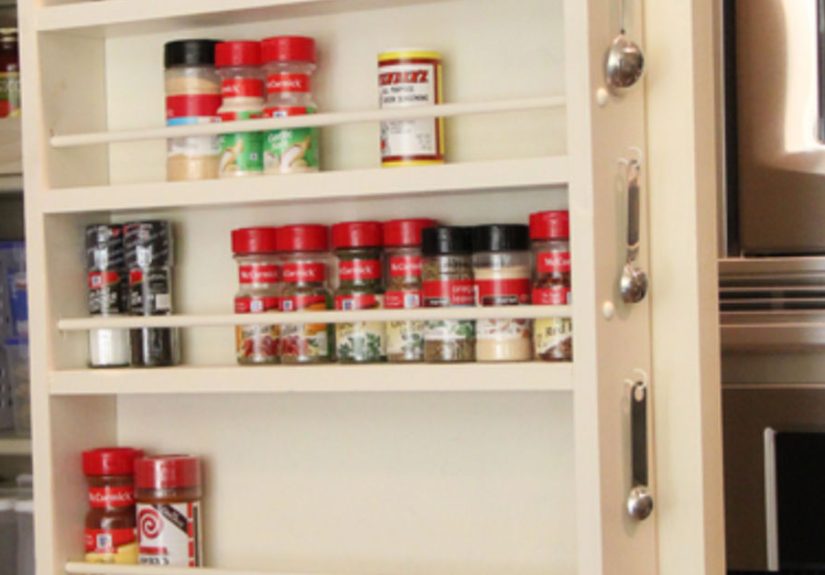
This guide walks through how to plan, build, install, and organize a pantry door spice rack that looks custom without acting like it needs its own design show. Whether you want a rustic wood rack, a clean painted finish, or something that looks like it came from a boutique kitchen store with a dramatic markup, the core idea is the same: build shallow, sturdy shelves with a front rail, install them securely, and design them around the jars you actually use.
Why a Pantry Door Spice Rack Works So Well
A pantry door is often wasted vertical real estate. It swings open, does its one job, and otherwise contributes very little to the storage situation. A spice rack changes that. By mounting narrow shelves on the inside of the door, you create storage that is highly visible, easy to reach, and surprisingly efficient.
This setup works especially well for spices because spice jars are small, lightweight, and usually used often. They do not need deep shelves, and they benefit from being arranged in a single visible layer rather than stacked in a cabinet like tiny glass traffic jams. A door-mounted rack also keeps them out of the way of baking supplies, canned goods, and other bulkier pantry staples.
Another bonus is flexibility. You can customize the shelf spacing for standard spice bottles, taller grinders, seasoning packets, or even small oils and extracts. In other words, you are not building a one-size-fits-none organizer. You are building exactly what your kitchen needs.
Before You Build: Measure Like You Mean It
This is the part where excitement meets reality. Before cutting a single board, measure the door, the clearance behind it, and the shelf depth your space can handle. This is the difference between a genius project and a beautiful rack that prevents your pantry from closing.
1. Measure the door interior
Start with the usable height and width on the inside face of the pantry door. If the door has decorative panels, measure the flattest mounting area. If it is a plain slab door, congratulations, your door is already cooperating.
2. Check pantry shelf clearance
Open and close the door while noting what sits behind it. If your pantry shelves are deep or close to the door swing, your spice rack must stay shallow. In many kitchens, a depth of around 3 to 4 inches works well for standard jars, but always test with your own containers before committing.
3. Measure your jars
Do not guess. Line up your actual spice jars and measure their diameter and height. If your dream shelf depth only works for the three cutest jars and not the twenty-seven others, it is not a dream. It is decor with trust issues.
4. Consider the door type
Hollow-core pantry doors are common, and they can handle this project when installed correctly, but they are not the same as solid wood doors. Keep the rack reasonably lightweight, distribute weight evenly, and use hardware appropriate for the door construction.
Materials and Tools
You can build this project with basic woodworking supplies. The exact dimensions will depend on your door, but the general material list stays pretty simple.
Materials
- 1/2-inch or 3/4-inch plywood, pine, or another paint- or stain-grade wood
- 1/4-inch plywood for the back, if building a boxed rack
- Wood glue
- Brad nails or finish nails
- Screws
- Front rails, dowels, thin trim strips, or metal rods
- Primer and paint or stain and clear topcoat
- Hollow-door anchors or suitable mounting hardware
- Wood filler
- Sandpaper
- Optional edge banding for a cleaner plywood finish
Tools
- Tape measure
- Level
- Saw
- Drill and drill bits
- Nail gun or hammer
- Clamps
- Sander or sanding block
- Stud finder if mounting into a solid section or wall instead of the door
How to Build a DIY Pantry Door Spice Rack
Step 1: Choose your rack style
You have two popular options. The first is a full-frame rack with two side pieces, several shelves, and a back panel. This style looks custom and polished. The second is a series of individual shallow shelves mounted directly to the door. This style is simpler and works well if you want a lighter build.
If you want the rack to feel built-in and furniture-like, go with the framed version. If you want fast, functional, and less bulk, install separate shelves. Both can look great.
Step 2: Cut the wood
Cut two side panels to the height you want. Then cut your shelves to width. For most spice storage, the shelves should be narrow and uniform, with enough room between them for labels to stay visible. Add a plywood back if using a box-style design.
A smart move is to dry-fit everything with your jars before assembly. This lets you check spacing and make adjustments before the nail gun starts making permanent life choices.
Step 3: Assemble the frame
Mark shelf positions carefully on both side panels or on the back board if you are using that method. Apply wood glue, attach the shelves, then reinforce with brad nails or finish nails. If using a full back panel, glue and nail that on after the shelves are secured.
This part goes quickly, which is great, because it gives you a burst of confidence exactly when DIY projects usually start trying to humble you.
Step 4: Add front rails or retaining lips
This step is not optional unless you enjoy the sound of twenty spice jars launching themselves onto the pantry floor. Each shelf needs a front barrier to keep bottles from sliding out when the door opens and closes.
You can use thin wood strips, dowels, brass rods, or decorative rails. A slim rail gives the rack a more finished look and keeps labels visible. Install the barrier low enough that you can still grab jars easily, but high enough to stop them from tipping.
Step 5: Sand, paint, or stain
Sand the whole piece thoroughly, paying attention to shelf edges and corners. If the rack is made from plywood, edge banding can make it look far more expensive than it really is. Then finish it to match your pantry or kitchen style.
Paint creates a crisp, built-in look. Stain adds warmth and highlights the wood grain. A clear topcoat helps protect against scratches and kitchen humidity.
Step 6: Install it securely
Hold the rack against the pantry door and mark placement with a level. If you are attaching to a hollow-core door, use anchors made for that application. Keep screws where they will be hidden by spice jars whenever possible. If the rack is large, use several fastening points so the weight is distributed evenly.
If you are nervous about weight, keep the rack narrower, use lightweight jars, and reserve the heaviest items for pantry shelves instead of the door. Spices are fine. A family-sized bottle of olive oil with a cast-iron personality is probably not.
Best Design Tips for a Better Spice Rack
Keep shelves shallow
Shallow shelves are the secret sauce of the whole project. A spice rack works because everything stays visible in one row. Once jars start hiding behind one another, you lose the entire point.
Put everyday spices at eye level
Store your most-used seasonings in the easiest-to-reach zone. Salt, pepper, garlic powder, chili flakes, cumin, paprika, and Italian seasoning usually belong in the prime real estate area.
Group by category
Organize by cuisine, use, or frequency. For example, baking spices can live together, grilling spices can share a shelf, and weeknight dinner favorites can stay front and center. This makes the rack more intuitive than alphabetical order for many cooks.
Use matching jars if possible
Matching containers are not required, but they do help maximize shelf space and create a cleaner look. They also make spacing easier when you are planning shelf height.
Label clearly
Side labels work best when jars sit upright. Top labels are helpful if the rack is mounted high or if shelf rails cover part of the bottle face. Many people use both, which is not overkill. It is simply refusing to play a guessing game with onion powder.
How to Store Spices So They Stay Fresher
A spice rack should be convenient, but it also needs to support good storage habits. Spices keep their flavor best when they are stored in a cool, dry, dark place with lids tightly closed. That means a pantry door is usually a better home than a shelf directly above the stove or next to the sink.
Avoid sprinkling spices straight from the jar into a steaming pot. It looks dramatic, but the steam introduces moisture, which can lead to caking and faster flavor loss. Instead, measure into a spoon or small bowl first.
It is also worth doing a quick spice audit once or twice a year. Whole spices generally keep quality longer than ground spices, and older jars may still be safe but no longer deliver much flavor. If a spice smells faint, looks dull, or tastes like dusty disappointment, it is probably time to replace it.
Mistakes to Avoid
- Making the shelves too deep: This can block the door from closing or cause jars to hit pantry shelves.
- Skipping the front rail: Beautiful but reckless.
- Ignoring door type: Hollow-core doors need appropriate hardware and a reasonable load.
- Using random jar sizes without planning: Shelf spacing becomes awkward fast.
- Overloading the rack: Keep it for spices, seasoning blends, and other lightweight items.
- Forgetting finish protection: A topcoat helps the rack hold up better in a busy kitchen.
Real-World Experience: What Building One Actually Feels Like
One of the best things about a DIY pantry door spice rack is that it delivers instant daily payoff. This is not one of those projects that looks lovely for photos but changes absolutely nothing about how the room works. Once it is installed, the difference is obvious every time you cook. The first thing most people notice is visual calm. The spice clutter disappears from shelves, and suddenly the pantry feels wider, more intentional, and a lot less like it has been freelancing without supervision.
The second thing you notice is speed. Cooking gets easier when everything is visible. You stop rummaging. You stop shifting jars around like tiny chess pieces. You stop finding duplicate cinnamon three months after buying more cinnamon. A good spice rack saves a surprising amount of time because it cuts out all the little delays that happen during meal prep.
There is also a learning curve, and honestly, that is part of the fun. Most people discover pretty quickly that the planning stage matters more than expected. The common temptation is to focus on the pretty part, meaning the finish, the labels, the brass rail, the paint color, the whole kitchen-glow-up fantasy. But the true hero of the build is measuring clearance correctly. If the rack fits your actual jars and your actual pantry shelves, you feel like a genius. If not, the pantry door becomes a very expensive lesson in optimism.
Another real-world takeaway is that lightweight, simple construction usually wins. You do not need to build a medieval fortress for oregano. A clean, sturdy rack with shallow shelves and proper anchors does the job beautifully. In fact, the projects that feel best in daily use are usually the ones that stay streamlined. They look neat, they open without drama, and they do not make the door feel like it is carrying emotional baggage.
People also tend to become unexpectedly picky about jar size after building one. Once you see how nicely a row of matching containers sits on a shelf, it is hard to go back to a chaotic mix of tall grinders, short tins, and mystery packets from three apartments ago. Transferring spices into uniform jars is not mandatory, but it does make the rack feel polished and easier to use. It is one of those details that takes the project from practical to genuinely satisfying.
Then there is the maintenance side, which is refreshingly low effort. A quick wipe-down, an occasional label update, and a seasonal spice check are usually enough. Because the jars are visible, you are more likely to notice when something is nearly empty or way past its best flavor. That visibility turns the spice rack into a sneaky little organization system that keeps itself under control.
Most of all, this project tends to make people feel more confident about DIY in general. It is useful, customizable, and beginner-friendly enough to be approachable. Even if the first attempt is not magazine-perfect, the result is still something you built with your own hands that improves your kitchen every single day. And that is the kind of project worth making room for.
Final Thoughts
A DIY pantry door spice rack is one of those rare home projects that checks every box. It saves space, improves organization, looks custom, and makes everyday cooking easier. It can be as simple or as styled-up as you want, but the winning formula stays the same: measure carefully, keep the shelves shallow, add a front rail, install it securely, and organize it around the way you actually cook.
Whether your style leans modern, farmhouse, classic, or somewhere between “minimalist” and “I own seventeen spice blends and I regret nothing,” this project can be tailored to fit your kitchen beautifully. Best of all, it turns an overlooked surface into practical storage without a full remodel. That is the kind of DIY magic worth keeping on repeat.





 Close
Close