Table of Contents >> Show >> Hide
- Why DIY Stain Removers Work (and Why Some Don’t)
- Safety First: The “Don’t Turn Laundry Day Into a Science-Fair Accident” Rules
- The 10-Minute Stain Triage (What to Do the Moment Disaster Strikes)
- Core DIY Stain Remover Recipes (Household Items Only)
- Stain-by-Stain Playbook (Specific Examples That Actually Help)
- DIY Stain Remover for Carpet and Upholstery
- Storage, Shelf Life, and Labeling (Yes, Even for DIY)
- FAQ
- Experience Notes: What Real-Life Laundry Teaches You (The Extra )
- Final Thoughts
Stains are tiny, chaotic lies your clothes tell about your day. “I definitely did not eat spaghetti in the car.”
“This coffee didn’t jump out of the mugI was attacked.” Whatever the story, you want a fix that’s fast, effective,
and doesn’t require a chemistry degree (or a trip to three different stores).
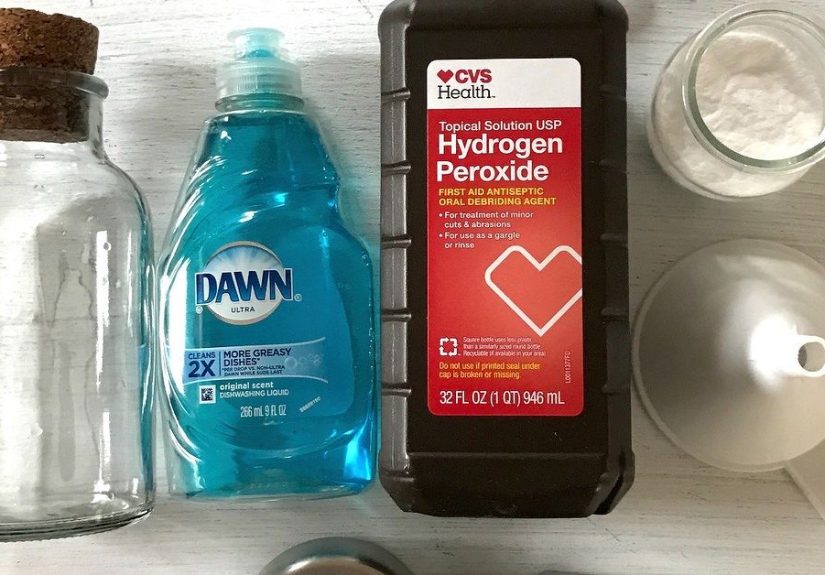
Good news: you can make a surprisingly powerful DIY stain remover from common household itemsthink
dish soap, baking soda, and hydrogen peroxidethen customize your approach depending on whether you’re battling grease,
wine, blood, grass, makeup, or the mysterious “gray smear” that appears only on your favorite shirt.
Why DIY Stain Removers Work (and Why Some Don’t)
Most stain removersstore-bought or homemaderely on the same core ideas. The trick is matching the tool to the stain.
Here’s the simple breakdown:
- Surfactants (like dish soap) loosen oily/greasy stains by breaking up and lifting fats so water can carry them away.
- Gentle abrasives/alkalis (like baking soda) help lift grime, neutralize odors, and boost cleaning powerespecially in hard water.
- Oxidizers (like 3% hydrogen peroxide) help break down colored organic stains (think coffee, wine, sweat yellowing) and brighten fabric.
- Enzymes (in many laundry detergents) “digest” protein-based stains like blood, sweat, dairy, and grass.
DIY shines because you can mix what you need, when you need itwithout overpaying for a plastic bottle that’s 80% water
and 20% marketing confidence.
Safety First: The “Don’t Turn Laundry Day Into a Science-Fair Accident” Rules
One more thing: “Natural” doesn’t automatically mean “harmless.” Hydrogen peroxide can lighten dyes. Vinegar is an acid.
Baking soda is alkaline. Used properly, they’re great. Used recklessly, they’re a memorable lesson.
The 10-Minute Stain Triage (What to Do the Moment Disaster Strikes)
- Blot, don’t rub. Press with a clean cloth or paper towel to lift what you can. Rubbing pushes stains deeper.
- Flush from the back (when possible). Run cool water through the back side of the fabric to push the stain out, not in.
- Identify the stain “family.” Grease? Protein? Tannin (coffee/tea/wine)? Dye (ink, some sauces)?
- Pretreat. Use the right DIY mix (recipes below). Give it time5 to 15 minutes is often the sweet spot.
- Wash smart. Follow the care label. Re-check before drying. If the stain’s still there, repeat pretreating.
That’s it. Five steps. The hardest part is accepting that the stain happened in the first place.
Core DIY Stain Remover Recipes (Household Items Only)
1) The All-Purpose “Laundry Spray” Pretreater
Best for: everyday stains, food smudges, collar grime, light grease, mystery spots.
You’ll need:
- 3% hydrogen peroxide
- Liquid dish soap (a grease-cutting type works well)
- (Optional) baking soda for extra lift/deodorizing
How to make it:
- In a small bowl, combine roughly 2 parts hydrogen peroxide to 1 part dish soap.
- If you want a “paste-y” boost, add 1–2 teaspoons baking soda and stir gently.
- Apply directly to the stain, lightly work it in with a soft toothbrush or your fingers, and let sit 5–15 minutes.
- Rinse or wash as usual. Re-check before drying.
Important: mix small batches and use them the same day. Hydrogen peroxide breaks down over time (especially in light),
and you don’t need a bottle hissing in your cabinet like it’s mad at you.
2) Baking Soda Paste for Ground-In Stains
Best for: deodorant marks, sweat rings, light grime, general “why is this shirt dull?” moments.
You’ll need: baking soda + warm water.
How to make it:
- Mix 6 tablespoons baking soda with 1/3 cup warm water to form a spreadable paste.
- Patch-test for colorfastness, then rub onto the stain.
- Let it dry, brush off the residue, then wash.
This works because mild alkalinity helps loosen grime and odors, while the paste clings long enough to do its job.
3) Washing Soda Paste for Heavy Grease (Not for Delicates)
Best for: deep grease stains, kitchen oils, mechanic-level messes.
You’ll need: washing soda (sodium carbonate) + warm water + gloves.
- Make a paste with 4 tablespoons washing soda and 1/4 cup warm water.
- Wearing gloves, gently rub into a dampened stain.
- Wash as usual and re-check before drying.
Washing soda is stronger than baking soda. Great for grease. Overkill for silk blouses and “dry clean only” dreams.
4) Grease-Soaking Method (When Oil Is the Main Villain)
Best for: butter, cooking oils, salad dressing, makeup oils, pizza-box fingerprints.
- Blot excess oil.
- Cover the stain with dry baking soda (no water yet).
- Let it sit several hours or overnight to absorb oil.
- Brush off powder, then pretreat with dish soap and wash in the warmest water safe for the fabric.
This is slow, but it’s magic on old grease stains because it absorbs before you try to “wash” an oil slick with water.
5) Enzyme-Boost Soak for Protein Stains
Best for: blood, sweat, dairy, egg, grass, and other protein-based stains.
- Rinse from the back with cold water.
- Work in a small amount of liquid laundry detergent (many contain enzymes).
- Soak in cold water for 30 minutes, then wash.
Protein stains often respond better to enzymes than to “brighteners.” And yes: cold water matters here.
Stain-by-Stain Playbook (Specific Examples That Actually Help)
Here’s a practical cheat sheet you can use without narrating your entire life story to the stain first.
| Stain Type | Best DIY Approach | Pro Tip |
|---|---|---|
| Grease / Oil | Dry baking soda soak → dish soap pretreat → wash warm | Don’t add water until after the powder absorbs the oil. |
| Coffee / Tea | Flush with cool water → detergent pretreat → oxygen-boost/peroxide mix if safe | Re-check before drying; tannins love heat. |
| Red Wine | Blot → cold water → dish soap → vinegar step if needed → 3% peroxide only if fabric is colorfast | Act fast. Wine is basically a dye with a personality. |
| Blood | Cold rinse → enzyme detergent soak → peroxide for whites/colorfast fabrics | Hot water can set protein stains. |
| Grass | Enzyme detergent pretreat + gentle brushing | Let enzymes work 10–15 minutes before washing. |
| Makeup | Dish soap pretreat (especially for oil-based) → wash | Blot first; don’t smear it wider “for coverage.” |
| Sweat / Deodorant | Baking soda paste or peroxide + dish soap mix (patch-test!) | Give it time; 15 minutes beats frantic scrubbing. |
| Tomato Sauce | Cold rinse → dish soap pretreat → peroxide/oxygen boost if safe | Don’t dry until it’s gonetomato stains “bake in.” |
How to Treat Coffee and Tea Stains (Tannin Stains)
Tannin stains (coffee, tea, wine, many fruit juices) behave differently than grease. The fastest win is often
a good detergent pretreat plus the warmest water the fabric can safely handle. One weird-but-useful note:
true “soap” (not detergent) can make some tannin stains harder to remove, so stick with laundry detergent.
- Flush with cool water from the back of the fabric.
- Pretreat with laundry detergent or the all-purpose DIY spray.
- Wash. If a shadow remains, try a short soak with an oxygen-based booster (color-safe) or carefully patch-tested peroxide.
How to Treat Red Wine Stains (When Life Gets Dramatic)
The key is to lift and dilute before the pigment bonds. A practical progression:
- Blot (don’t rub) with a clean towel.
- Rinse with cold water.
- Work in dish soap, rinse again.
- If needed, try a small amount of vinegar as a separate step (rinse after).
- If the fabric is colorfast, dab with 3% hydrogen peroxide and rinse.
If the item is delicate or valuable, skip the experiments and go professional early. Pride is washable. Silk sometimes isn’t.
How to Treat Blood Stains (Cold Water Is Not Optional)
Blood is a protein stain. Proteins can coagulate with heat (translation: hot water can make it stick). Your best sequence:
- Rinse thoroughly with cold water from the back side.
- Pretreat with enzyme-containing detergent and let sit 10–15 minutes.
- Wash cold or cool. For whites or truly colorfast items, peroxide can help brighten the leftover tint.
Ink Stains (A Cautionary Side Quest)
Many people reach for rubbing alcohol for ink. That can work, but keep it simple: use it alone, spot-test, blot carefully,
and never mix it with chlorine bleach or bleach-containing products. If you’re unsure about the fabric, take it to a pro.
DIY Stain Remover for Carpet and Upholstery
Fabric that isn’t machine-washable needs a gentler approach: less liquid, more blotting, more patience.
- Spot-test first in a hidden area.
- Mix a few drops of dish soap into a cup of warm water.
- Dab (don’t soak) the stain with a cloth, then blot with a dry towel.
- Rinse by dabbing with plain water, then blot dry.
- For odor stains, baking soda can be sprinkled on dry carpet, left to sit, then vacuumed.
For pet stains and old mystery smells, enzyme-based cleaners are often the real MVP. DIY can help, but enzymes are built for biology.
Storage, Shelf Life, and Labeling (Yes, Even for DIY)
- Make small batches of peroxide-based mixes. Light and time reduce effectiveness.
- Use an opaque container if you must store briefly, and don’t cap it so tightly that pressure can build.
- Label it (especially if you have kids, roommates, or a future self who forgets everything).
- Keep bleach separate from everything. “Mixing to make it stronger” is how you make it dangerous.
FAQ
Does vinegar + baking soda make a better stain remover?
Not reallyat least not at the same time. When you mix an acid (vinegar) with a base (baking soda), they fizz and neutralize each other.
The bubbling looks impressive, but the cleaning power often drops. Use them in separate steps if needed (and rinse between).
Can I use hydrogen peroxide on colored clothes?
Sometimesbut you must patch-test first. Peroxide can lighten dyes. Try a drop on an inside seam, wait a few minutes, rinse, and let it dry.
If the color changes, don’t use peroxide on the visible area.
Why did my stain “come back” after washing?
Some stains oxidize or wick back up as fabric dries (especially oils and certain dyes). The fix is usually:
pretreat again, wash again, and don’t machine-dry until the stain is fully gone.
Experience Notes: What Real-Life Laundry Teaches You (The Extra )
If you ask a group of people about stain removal, you’ll quickly learn two things: (1) everyone has a “legendary stain story,”
and (2) the stain always shows up on the item you like most. Not the old gym shirt you keep “for painting.” No, nostains have taste.
One of the most common experiences is the “I washed it twice and it’s still there” moment. This usually happens for two reasons:
the stain type wasn’t matched to the treatment, or the item was dried too soon. Grease stains, in particular, are sneaky.
They can look faintly “clean” when wet, then reappear as a darker spot once drylike a plot twist nobody asked for.
People who get consistent results with grease typically do the same boring-but-effective routine: blot, absorb with dry baking soda,
then dish soap pretreat, then wash warm (as fabric allows). It’s not glamorous. It is reliable.
Coffee stains are another classic. The real-world learning here is speed plus dilution. Folks who handle coffee stains best tend to
rinse quicklyoften from the back of the fabricand avoid aggressive rubbing. Rubbing spreads the stain and roughs up fibers,
which can make discoloration look worse even after the pigment is gone. A gentle pretreat and a proper wash cycle beat panic scrubbing.
Also: mugs with lids are not a personality flaw. They’re a lifestyle upgrade.
Then there’s the “family stains”: ketchup, spaghetti sauce, barbecue, and anything bright red that somehow travels
farther than physics would suggest. The experience-based tip is to stay coolliterally. People often report better outcomes
when they rinse these stains with cool water first, then use dish soap (for the oily component) and only bring in peroxide or oxygen boosters
after patch-testing. Tomato-based stains can oxidize and shift color, so multiple short treatments often work better than one long soak.
For kids’ grass stains, the laundry wisdom is: don’t fight biology with brute force. Enzymes exist for a reason, and they’re often the difference
between “mostly gone” and “actually gone.” The common experience is that letting a detergent pretreat sit for 10–15 minutes
(instead of immediately throwing the item into the washer) boosts results dramatically. The time does the work.
Finally, the best “experience tip” of all is emotional: don’t marry the first method you try. Stains can be combinationsoil plus pigment,
protein plus dye, sugar plus grease. When people succeed, they usually troubleshoot: absorb oils first, then treat pigment, then wash.
Laundry is less like a single magic spell and more like a small negotiation. The good news? With a few household ingredients and a calm plan,
you win most negotiations.