Table of Contents >> Show >> Hide
- What Is Bee Pollen, Exactly?
- Why Do People Think Bee Pollen Might Help Allergies?
- Does Bee Pollen Actually Help with Allergies?
- Could Bee Pollen Make Allergies Worse?
- Supplement Quality Is Another Problem
- What Works Better for Seasonal Allergies?
- So Should You Try Bee Pollen for Allergies?
- Common Experiences People Have When Exploring Bee Pollen for Allergies
- Final Takeaway
Every spring, allergy sufferers become part-time detectives, part-time weather analysts, and full-time sneezing machines. So it’s no surprise that a natural remedy like bee pollen gets a lot of attention. It sounds almost too perfect: bees gather pollen, you eat the pollen, your body gets used to pollen, and suddenly you’re strolling through wildflowers like a victorious Disney character. Cute theory. Real life? A lot messier.
Bee pollen is often promoted as a superfood and an old-school wellness fix for everything from low energy to inflammation. One of its most popular claims is that it can ease seasonal allergies, especially hay fever. The idea is appealing because it sounds similar to how allergy desensitization works. But that comparison leaves out one giant detail: medical allergy treatment is carefully tested, standardized, and supervised. Bee pollen supplements are not.
So, does bee pollen help with allergies? The best evidence-based answer is probably not in any reliable, proven way. There may be interesting biological reasons researchers keep studying it, but human evidence is limited, inconsistent, and nowhere near strong enough to put bee pollen in the same league as proven allergy treatments. Worse, if you’re already allergic to pollen or bee-related products, bee pollen may do the opposite of helping. It can trigger reactions, and in rare cases, severe ones.
This article breaks down what bee pollen is, why people think it works, what the science actually says, what the risks are, and what treatments have much better support behind them.
What Is Bee Pollen, Exactly?
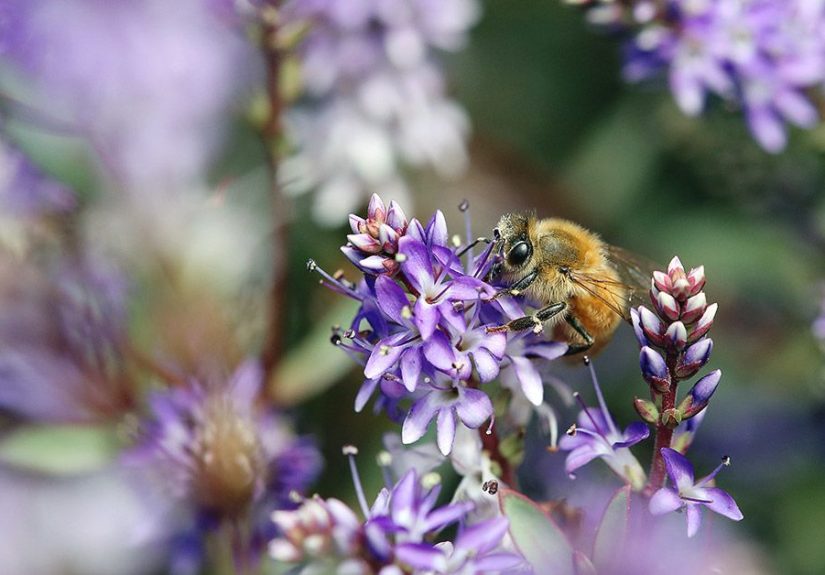
Bee pollen is a mixture of flower pollen, nectar, enzymes, honey, wax, and bee secretions. Worker bees collect pollen granules from plants and carry them back to the hive. Once packaged and sold as a supplement, bee pollen may appear as granules, capsules, tablets, or powder.
That sounds simple enough, but bee pollen is not one uniform ingredient. Its makeup can vary a lot depending on where it was collected, which flowers were involved, the season, and how the product was processed and stored. That variability matters. When a supplement changes from batch to batch, it becomes much harder to know what dose you are taking, what allergens it contains, or what effect it might actually have.
In other words, bee pollen is not like a precisely measured prescription allergy treatment. It is more like a grab bag from nature. Sometimes that sounds romantic. Sometimes it sounds like a reason to keep your EpiPen close.
Why Do People Think Bee Pollen Might Help Allergies?
The logic usually goes like this: allergies happen because your immune system overreacts to pollen, so taking small amounts of pollen by mouth might train your body to stop panicking. On paper, that resembles immunotherapy, the medical approach behind allergy shots and some under-the-tongue allergy tablets.
That resemblance is exactly why the bee pollen claim has staying power. It feels scientific. It feels intuitive. It feels like something your friend’s crunchy cousin would explain over iced herbal tea while everybody nods solemnly.
There is also some early laboratory and animal research suggesting that compounds in bee pollen may have anti-inflammatory or anti-allergy activity. That is part of why researchers remain interested. Bee pollen contains flavonoids and other biologically active compounds that may influence immune signaling. So the topic is not pure fantasy. It is just far from proven clinical practice.
The problem is that a plausible theory is not the same thing as a proven treatment. Lots of things look promising in a petri dish or animal model and then fail to help real people in controlled human studies. Bee pollen has not crossed that gap convincingly for seasonal allergies.
Does Bee Pollen Actually Help with Allergies?
The short answer
There is not enough good human evidence to say that bee pollen reliably helps relieve seasonal allergy symptoms.
That matters because the wellness world loves to confuse “interesting” with “established.” Bee pollen may be biologically active. It may contain compounds worth studying. It may even help inspire future therapies. But none of that proves that taking a spoonful of bee pollen granules will calm your itchy eyes, stuffy nose, or marathon-level sneezing.
What the research suggests
Some studies and reviews point to anti-inflammatory, antioxidant, or immune-modulating effects of bee pollen components. That sounds encouraging, but much of that evidence comes from test-tube research, animal studies, or small studies with limitations. These studies can help generate ideas, but they do not establish that a supplement works well for everyday allergy sufferers.
There are also major practical issues. Bee pollen products vary widely. Researchers are not always studying the same thing consumers buy online. One product might contain pollen from certain plants, another from totally different plants. One might be processed differently. One may have contaminants. Another may have a different concentration of active compounds. If the substance itself is inconsistent, the evidence becomes hard to apply to real life.
That is why medical experts tend to be cautious. The most responsible conclusion is not that bee pollen definitely never helps anyone under any circumstance. The responsible conclusion is that the evidence is too weak and too messy to recommend it as an allergy treatment.
Why bee pollen is not the same as allergy immunotherapy
This is the part that often gets skipped in casual health advice.
Allergy immunotherapy is a medically guided treatment that uses known allergens in carefully measured amounts. It is designed around your actual allergy profile. It is given according to established protocols, often over a period of years, and it has evidence showing it can reduce symptoms and change how the immune system responds.
Bee pollen supplements are not built that way. They are not standardized to match what you are allergic to. They are not FDA-approved allergy treatments. They are not dosed or monitored the way immunotherapy is. And because they may contain multiple pollen sources, they can expose you to substances your body really does not appreciate.
So while the phrase “a little exposure helps build tolerance” sounds familiar, self-treating with bee pollen is not a DIY version of allergy shots. It is more like trying to repair a watch with a garden shovel. Both involve tools. That does not make them interchangeable.
Could Bee Pollen Make Allergies Worse?
Yes, absolutely. This is the most important part of the conversation.
If you already have pollen allergies, hay fever, asthma linked to environmental allergies, or sensitivity to bee products, bee pollen may trigger an allergic reaction rather than prevent one. Reactions can include itching, swelling, hives, wheezing, light-headedness, and trouble breathing. Rare but serious reactions, including anaphylaxis, have been reported.
That risk makes the supplement especially tricky. The very people most interested in taking bee pollen for allergies are often the people who may be most likely to react badly to it.
This is why allergists generally do not recommend experimenting with pollen exposure on your own. If a treatment is intended to reduce sensitivity to allergens, it should be supervised by a qualified clinician who knows how to confirm what you are allergic to and how to manage a reaction if one happens.
People who should be especially cautious
- People with seasonal pollen allergies
- People with asthma triggered by allergens
- People with known reactions to bee stings, honey, royal jelly, or related bee products
- People with a history of anaphylaxis
- People who are pregnant, breastfeeding, or taking multiple medications unless a clinician says it is appropriate
Even if you are generally healthy, “natural” does not automatically mean “low risk.” Poison ivy is natural too, and yet nobody is tossing it into smoothies for immune support.
Supplement Quality Is Another Problem
Even aside from allergy risk, supplement quality is a real concern. Bee pollen products are sold as dietary supplements, and dietary supplements do not go through the same premarket approval process as prescription drugs. That means consumers are often relying on the manufacturer’s quality controls, which may vary.
That creates several issues:
- Inconsistent ingredients: The plant sources and pollen content can vary from product to product.
- Unclear dosing: There is no standard, evidence-based dose for treating allergies because bee pollen is not an established allergy therapy.
- Contamination concerns: Some products may contain molds, mycotoxins, pesticides, or undeclared ingredients.
- Marketing hype: Supplements may be sold with broad wellness promises that sound medical without actually proving disease treatment.
That last point matters. Under U.S. rules, dietary supplements are not supposed to claim they diagnose, treat, cure, or prevent disease in the way drugs do. So if a bee pollen product sounds like it is promising to “fix allergies,” that should trigger your skepticism, not your checkout cart.
What Works Better for Seasonal Allergies?
If your goal is fewer allergy symptoms and less daily misery, there are options with far more evidence behind them.
1. Avoidance strategies
Boring? Yes. Effective? Also yes. During high pollen days, keeping windows closed, showering after outdoor time, changing clothes, using HEPA filtration, and checking local pollen forecasts can make a real difference. Sometimes the least glamorous fix is the one that actually works.
2. Nasal steroid sprays
For many people with allergic rhinitis, intranasal corticosteroid sprays are among the most effective first-line treatments. They reduce inflammation in the nasal passages and can help with congestion, sneezing, and runny nose.
3. Antihistamines
Non-drowsy antihistamines can help control sneezing, itching, and runny nose. They may not solve every symptom, but they are standard, well-studied, and often useful.
4. Saline rinses
Saline irrigation will never become a glamorous social media trend, but it can physically wash pollen and irritants out of the nose. Simple, affordable, and surprisingly helpful.
5. Allergy immunotherapy
If symptoms are significant or persistent, this is where the real desensitization conversation begins. Allergy shots and certain FDA-approved allergy tablets can reduce sensitivity over time. This approach is not instant, but it is grounded in evidence and medical supervision.
That is the key contrast: if you want a treatment designed to retrain your immune system, allergen immunotherapy is the medically validated version. Bee pollen is not.
So Should You Try Bee Pollen for Allergies?
If you are asking from an evidence-first perspective, the answer is probably no.
Bee pollen is not a proven allergy remedy. It may carry a meaningful risk for the very people tempted to use it. And it should not replace treatments that are known to help. If someone says it worked for them, that does not necessarily mean bee pollen itself was responsible. Allergy symptoms naturally fluctuate. Pollen counts change. Placebo effects are real. People often start multiple remedies at once and credit the most exotic one.
If you are still curious, it is smart to talk to an allergist first, especially if you have a history of pollen allergy, asthma, food allergy, or reactions to bee products. That conversation may save you from turning “natural experiment” into “unexpected trip to urgent care.”
Common Experiences People Have When Exploring Bee Pollen for Allergies
People who look into bee pollen for allergies often start in the same place: frustration. Maybe over-the-counter antihistamines help a little but dry out the mouth. Maybe nasal sprays work, but only if used consistently, and consistency is not always humanity’s strongest hobby. Maybe every spring feels like a personal betrayal by trees. In that mood, bee pollen can sound wonderfully simple.
One common experience is the hopeful experiment. Someone hears that local bee pollen can help the body “get used to” local allergens. They start with tiny amounts, expecting a gradual transformation. For some, nothing dramatic happens at all. No miracle. No disaster. Just the same sneezing with a side of expensive granules in the pantry. This is one reason anecdotal support can be confusing: a person may feel they are “doing something healthy,” even when symptoms stay basically unchanged.
Another experience is the misleading improvement. Allergy seasons are not identical from week to week. Rain, wind, time indoors, air filters, and regular medication use can all affect symptoms. So a person may begin taking bee pollen during a week when pollen counts drop or while also using antihistamines more regularly. They feel better and assume bee pollen deserves the trophy. Maybe it does. Maybe it doesn’t. That is exactly why controlled studies matter more than casual impressions.
Then there is the unexpected reaction, which is the experience experts worry about most. Someone with seasonal allergies assumes bee pollen will be gentle because it is “natural.” Instead, they feel itching in the mouth, throat irritation, hives, wheezing, or swelling. Sometimes the reaction is mild. Sometimes it escalates fast. That kind of experience can be frightening because the person thought they were choosing a wellness product, not a trigger.
There is also the nutrition halo effect. Because bee pollen contains nutrients and antioxidants, some people assume that if it is nutritious, it must also be therapeutic for allergies. But nutrition and allergy treatment are not the same thing. A food or supplement can be nutrient-dense and still fail to treat a specific medical problem. Spinach is healthy. It is not a substitute for allergy shots. Bee pollen falls into a similar category of confusion.
Finally, many people have the allergist reality-check experience. They bring up bee pollen at a medical visit, expecting either a secret endorsement or a dramatic eye roll. What they usually get is something more useful: a calm explanation that the evidence is limited, the risks are real, and proven options exist. For many patients, that conversation is the turning point. Instead of chasing a maybe, they move toward treatments that actually match their allergy triggers and symptom pattern.
That may be the most relatable experience of all: realizing that when your immune system is acting like an overcaffeinated security guard, guessing is not the best strategy. A targeted plan usually beats a trendy supplement.
Final Takeaway
Bee pollen is interesting, nutritious in some contexts, and full of marketing mystique. But when it comes to allergy relief, the evidence simply does not justify the hype. The idea behind it sounds clever, yet the science has not firmly shown that eating bee pollen helps seasonal allergies in a meaningful, dependable way. Meanwhile, the risks are very real for people with pollen sensitivity or reactions to bee-related products.
If you want fewer sneezes, less congestion, and a spring season that feels less like a biological prank, your better bet is to stick with proven strategies: avoidance measures, standard allergy medications, saline rinses, and supervised immunotherapy when needed. Bee pollen may be a fascinating supplement. It is not a trustworthy stand-in for evidence-based allergy care.