Table of Contents >> Show >> Hide
- Can Lettuce Really Make You Sick?
- Why Lettuce Gets Linked to Food Poisoning So Often
- Which Germs Are Usually Involved?
- What Are the Symptoms of Lettuce Food Poisoning?
- Who Is Most at Risk?
- Can Washing Lettuce Remove the Risk?
- How Does Lettuce Get Contaminated in the First Place?
- How to Reduce Your Risk Without Breaking Up With Salad
- What Should You Do if You Think Lettuce Made You Sick?
- Should You Stop Eating Lettuce Altogether?
- The Bottom Line
- Experiences Related to “Does Lettuce Cause Food Poisoning?”
- SEO Tags
Lettuce has a reputation problem. It looks innocent, tastes crisp, and spends most of its life minding its own business in salads and sandwiches. Yet every so often, headlines make it sound like lettuce is plotting against humanity. So, does lettuce cause food poisoning? Not exactly. Lettuce itself is not poisonous, but it can carry harmful germs that cause foodborne illness.
That distinction matters. Saying “lettuce causes food poisoning” is a little like saying “cars cause flat tires.” The car is not the problem by default, but under the wrong conditions, trouble rolls in fast. With lettuce, the real issue is contamination. Because it is often eaten raw, there is no heat step to kill bacteria, viruses, or parasites before you eat it. That makes lettuce one of those foods that can go from healthy side dish to regrettable life choice in a surprisingly short amount of time.
This article breaks down why lettuce is sometimes linked to food poisoning, which germs are usually involved, what symptoms to watch for, and how to reduce your risk without swearing off Caesar salad forever.
Can Lettuce Really Make You Sick?
Yes, contaminated lettuce can make you sick. Lettuce and other leafy greens have been linked to outbreaks of E. coli, Salmonella, Listeria, and sometimes norovirus. Romaine lettuce tends to get the most bad press, but iceberg, leaf lettuce, spring mix, and bagged salad blends can also become contaminated.
The important thing to understand is that lettuce is only the messenger. The real villains are microbes that end up on the leaves somewhere between the field, processing facility, delivery truck, grocery shelf, kitchen counter, or cutting board. Because lettuce is usually eaten cold and uncooked, those germs may survive long enough to ruin your day, your week, and in severe cases, your entire relationship with lunch.
So the honest answer to the headline question is this: lettuce does not naturally cause food poisoning, but contaminated lettuce absolutely can.
Why Lettuce Gets Linked to Food Poisoning So Often
It is usually eaten raw
Chicken gets cooked. Burgers usually get grilled. Soup gets hot enough to make glasses fog up. Lettuce? It gets tossed in a bowl and called wellness. That means any germs on the leaves may still be there when you eat them.
Leafy greens have a lot of surface area
Lettuce is basically a stack of crinkly, folded leaves with plenty of nooks where dirt, moisture, and microbes can hang out. The texture that makes salads feel fresh can also make greens harder to clean perfectly.
Contamination can happen in multiple places
Lettuce may be exposed to contaminated irrigation water, nearby animal waste, poor worker hygiene, dirty harvesting tools, processing equipment, or cross-contamination during packaging. Even after it reaches your kitchen, it can pick up germs from unwashed hands, dirty sinks, or a cutting board that recently hosted raw meat.
Bagged salads travel far and touch many hands
Pre-chopped or packaged greens are convenient, but convenience has a food-safety catch. The more processing steps involved, the more opportunities for contamination somewhere along the chain. That does not mean bagged lettuce is unsafe by default. It means there are more moments where safety practices have to be done right.
Which Germs Are Usually Involved?
E. coli
E. coli is the germ most people associate with lettuce outbreaks, especially certain strains that produce shiga toxin. These infections can cause severe stomach cramps, diarrhea that may become bloody, vomiting, and sometimes kidney complications in more serious cases. Romaine lettuce has been linked to several well-known E. coli outbreaks in the United States, which is why consumers tend to side-eye it like an ex who “just wants to talk.”
Salmonella
Salmonella is another common cause of food poisoning from produce. It can trigger diarrhea, fever, cramps, nausea, and vomiting. People often associate Salmonella with eggs or poultry, but contaminated fruits and vegetables can spread it too.
Listeria
Listeria is especially concerning for pregnant women, older adults, newborns, and people with weakened immune systems. While healthy adults may only have mild symptoms, high-risk groups can become seriously ill. Packaged salads and mixed greens have occasionally been involved in listeria-related recalls and outbreaks.
Norovirus and other germs
Viruses can also contaminate lettuce, especially through poor hand hygiene or contaminated water. Norovirus is notorious because it spreads easily and can cause explosive vomiting, diarrhea, and a very fast end to your dinner plans.
What Are the Symptoms of Lettuce Food Poisoning?
Food poisoning symptoms vary depending on the germ, how much contaminated food was eaten, and the person’s age and health status. Common symptoms include:
- Diarrhea
- Stomach cramps or abdominal pain
- Nausea
- Vomiting
- Fever
- Headache
- Weakness and fatigue
- Dehydration
Some people get sick within hours. Others may not feel symptoms for a day, several days, or even longer, depending on the organism involved. That delay is one reason people often blame the wrong meal. It is easy to accuse last night’s tacos when the real culprit was yesterday’s “healthy” lunch salad.
Warning signs that need medical attention
Seek medical care if symptoms become severe or if you notice bloody diarrhea, signs of dehydration, high fever, confusion, fainting, or symptoms that do not improve. If the sick person is very young, pregnant, older, or immunocompromised, the threshold for calling a doctor should be lower. Food poisoning is often mild, but sometimes it is not playing around.
Who Is Most at Risk?
Anyone can get sick from contaminated lettuce, but some groups are more likely to develop severe illness:
- Children under 5
- Adults 65 and older
- Pregnant women
- People with weakened immune systems
- People with certain chronic illnesses
For these groups, a case of food poisoning is not just inconvenient. It may lead to dehydration, hospitalization, pregnancy complications, or more serious infection. That is why food-safety advice is not one-size-fits-all. The stakes are higher for some people than others.
Can Washing Lettuce Remove the Risk?
Washing lettuce helps, but it is not a magic force field. Rinsing leaves under running water can remove dirt and some germs, especially on whole heads of lettuce. But washing does not reliably eliminate all pathogens. If harmful bacteria are present in large numbers, tucked into folds, or spread during processing, a quick rinse may reduce risk without fully removing it.
That means washing is smart, but it is not a guarantee. Think of it as lowering the odds, not pressing the reset button.
How to wash whole lettuce safely
If you buy a whole head of lettuce, remove the outer leaves, discard any torn or slimy parts, and rinse the remaining leaves under cool running water. Gently rub the surface with clean hands. Then dry the leaves with a clean paper towel or salad spinner.
What about bagged lettuce?
If a package says ready to eat, triple washed, or no washing necessary, you generally do not need to wash it again. Rewashing pre-washed greens in a contaminated sink or with dirty hands can actually add new germs. In other words, your sink should not get the final word if the factory already did the washing properly.
Do not use soap, bleach, or produce wash
Plain running water is the safer choice. Soap, bleach, or household detergents are not recommended for lettuce or other produce because residues can remain and make you sick. Your salad should taste like lettuce, not like a chemistry experiment.
How Does Lettuce Get Contaminated in the First Place?
Contamination can happen before harvest, during harvest, during processing, in transportation, at retail, or at home. Common pathways include:
- Water: Contaminated agricultural water can spread germs onto crops.
- Animal intrusion: Cattle, wildlife, and runoff from nearby operations may introduce pathogens.
- Soil amendments: Improperly handled manure or compost can pose risks.
- Workers and equipment: Poor hygiene or dirty tools can spread contamination.
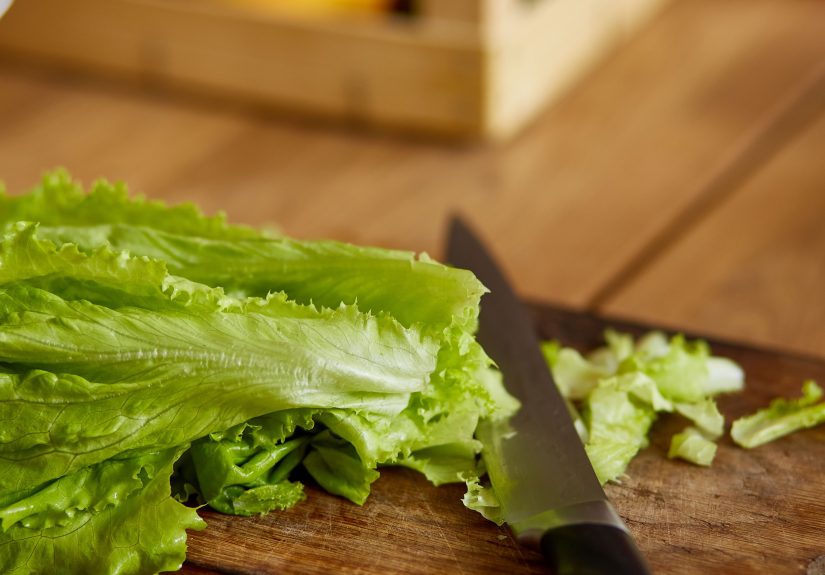
- Cross-contamination in the kitchen: Raw meat juices, dirty knives, and unsanitized cutting boards can contaminate lettuce after purchase.
This is why safe lettuce depends on a chain of good decisions. Growers, processors, distributors, grocery stores, restaurants, and home cooks all matter. One weak link can turn your lunch into a microbiology case study.
How to Reduce Your Risk Without Breaking Up With Salad
At the store
Choose lettuce that looks fresh and refrigerated, especially for bagged or cut greens. Avoid packages that appear slimy, damaged, puffed up, or unusually warm. If there is an active recall, do not try to “use it up.” That is a budget move with terrible emotional consequences.
At home
Refrigerate lettuce promptly. Keep it separate from raw meat, poultry, and seafood. Wash your hands before handling it. Clean knives, counters, salad spinners, and cutting boards before use. If lettuce touches raw meat juices, throw it out. This is not the moment for optimism.
When preparing salad
Use clean bowls and utensils. Wash whole lettuce under running water if needed. Dry leaves before storing or serving, because excess moisture can encourage spoilage. And do not prepare salad on the same board where you just trimmed raw chicken unless the board has been washed properly first.
When eating out
You cannot inspect the kitchen, but you can stay aware of active recalls and outbreak notices. If public health agencies advise consumers to avoid a specific lettuce product or growing region, listen. That is not paranoia. That is teamwork.
What Should You Do if You Think Lettuce Made You Sick?
First, focus on hydration. Sip water, oral rehydration fluids, broth, or other tolerated liquids. Rest. Avoid alcohol and very greasy foods while your stomach is staging its rebellion.
If symptoms are severe, bloody, persistent, or paired with dehydration or fever, contact a healthcare professional. If a recall is involved, keep the packaging if possible and check public health alerts. If you still have the lettuce, do not eat it. Throw it away in a sealed bag and clean any surfaces or refrigerator shelves it touched.
You may also want to think about what else you ate and whether anyone who shared the same meal got sick. Foodborne illness investigations often start with those patterns.
Should You Stop Eating Lettuce Altogether?
No. Lettuce and other leafy greens are nutritious, low in calories, hydrating, and useful in a balanced diet. The goal is not to fear lettuce. The goal is to respect the fact that raw produce, while healthy, is not sterile.
Completely avoiding lettuce because of occasional outbreaks would be an overcorrection for most healthy people. A more reasonable approach is to buy from reputable sources, follow recall news, handle greens safely, and be extra cautious if you or someone in your household is in a higher-risk group.
Salad should not feel like gambling. With good food-safety habits, it usually does not have to.
The Bottom Line
Does lettuce cause food poisoning? On its own, no. But contaminated lettuce can absolutely cause foodborne illness, and history has shown that leafy greens are a recurring source of outbreaks in the United States. The biggest reason is simple: lettuce is often eaten raw, which gives germs a free pass if contamination happens anywhere along the journey from farm to fork.
The smart response is not to panic and ban salads from your life. It is to understand the risk, watch for recalls, wash whole lettuce correctly, avoid cross-contamination, refrigerate greens promptly, and know when symptoms signal something more serious than an ordinary upset stomach.
In short, lettuce is not out to get you. But food safety still deserves a seat at the table.
Experiences Related to “Does Lettuce Cause Food Poisoning?”
One of the most common real-world experiences people describe starts innocently: a quick lunch salad during a busy workday. It feels like the responsible choice. You skip fries, choose greens, maybe add grilled chicken, and congratulate yourself for being an adult with self-control. Then later that night, stomach cramps arrive like uninvited guests. The tricky part is that many people do not immediately suspect the lettuce. They blame the dressing, the chicken, the coffee, or even “stress,” because salad seems too healthy to be the problem. That disconnect is exactly why lettuce-related food poisoning can catch people off guard.
Another common experience happens at home with bagged salad kits. Someone opens a package that looked perfectly normal, tosses it into a bowl, and everyone at dinner feels fine at first. A day or two later, one family member develops diarrhea and nausea, then another person gets sick too. Suddenly the half-used package in the fridge becomes very interesting. This kind of experience often teaches people an important lesson: contamination is not always visible. Lettuce does not need to smell weird, look slimy, or wear a tiny warning sign to carry germs.
There are also experiences tied to kitchen habits. For example, a person may wash produce carefully but set it on a cutting board that was only “kind of” cleaned after raw chicken. Or they may rinse pre-washed greens in a sink that is not as clean as they assume. Many people are shocked to learn that their own kitchen can be the plot twist. In those cases, the lettuce did not arrive as the villain. It was recruited later.
People in higher-risk groups often talk about the topic differently. A pregnant woman, an older adult, or someone going through cancer treatment may hear about a recall and react immediately by tossing every suspicious leafy green in the refrigerator. To some, that might seem dramatic. To them, it is practical. Their experience with food safety is shaped by the knowledge that “probably fine” is not always good enough.
Then there is the emotional aftermath. After a bad bout of food poisoning, plenty of people swear off lettuce for weeks or months. Some cannot look at romaine without remembering the cramps, the dehydration, or the sprint to the bathroom that deserved its own sports commentary. Over time, most return to salads, but often with new habits: checking recall notices, storing greens properly, separating produce from raw meat, and reading labels more carefully. In that way, an unpleasant experience often becomes a permanent lesson in food safety.
The biggest takeaway from these experiences is simple. Lettuce can be part of a healthy diet, but it should never be treated like it is automatically risk-free just because it is green. A little caution goes a long way, and sometimes the smartest kitchen skill is respecting the foods that look the most harmless.