Table of Contents >> Show >> Hide
- So… does paint change color as it dries?
- Why paint looks different wet vs. dry (the simple science)
- Does paint dry darker or lighter? Usually darker… but it depends
- The bigger plot twist: lighting can “change” paint more than drying does
- How long until you’re seeing the “real” color?
- Common situations that make paint look “different” as it dries
- How to test paint color the smart way (so you don’t get surprised)
- How to avoid paint color panic while you’re painting
- Troubleshooting: the paint is dry and it still looks wrongnow what?
- Bottom line
- Extra: Real-World “Dry-Down” Experiences You’ll Probably Recognize (and Survive)
- The “This Is Too Light” Spiral (aka The First Coat Freak-Out)
- The “This Is Too Dark” Panic (Usually a Wet-Gloss Illusion)
- The “Why Is One Section a Different Color?” Mystery (Lap Marks and Overlap)
- The “Touch-Up That Made It Worse” Classic (Flashing)
- The Bathroom Ceiling Betrayal (Humidity + Fresh Latex)
You know that moment: you roll the first stripe onto the wall, step back, and your brain goes, “Oh no. I have ruined my entire home.” The paint looks too light. Or too dark. Or weirdly green when you swear you picked “Calm Cozy Oatmilk Cloud” (a very real-sounding paint name that may or may not exist).
Take a breath and put the “repaint the whole house” playlist on pause. Yespaint can look different as it dries. But it’s usually normal, usually temporary, and usually explainable with a mix of chemistry, lighting, and a little bit of “walls love drama.”
So… does paint change color as it dries?
Yes, paint can appear to change color as it driessometimes noticeably. Most of the time, what you’re seeing is not the pigment magically shape-shifting. It’s the paint film transitioning from wet to dry (and then from “dry to the touch” to fully cured), plus how light hits the surface during each stage.
The most common pattern for wall paint is: wet paint looks lighter, then dries a bit darker. But depending on sheen, product formulation, humidity, how thick you applied it, and what’s underneath, some paints can dry lighteror look uneven until they settle into their final form.
Why paint looks different wet vs. dry (the simple science)
1) The “wet look” is basically a temporary optical illusion
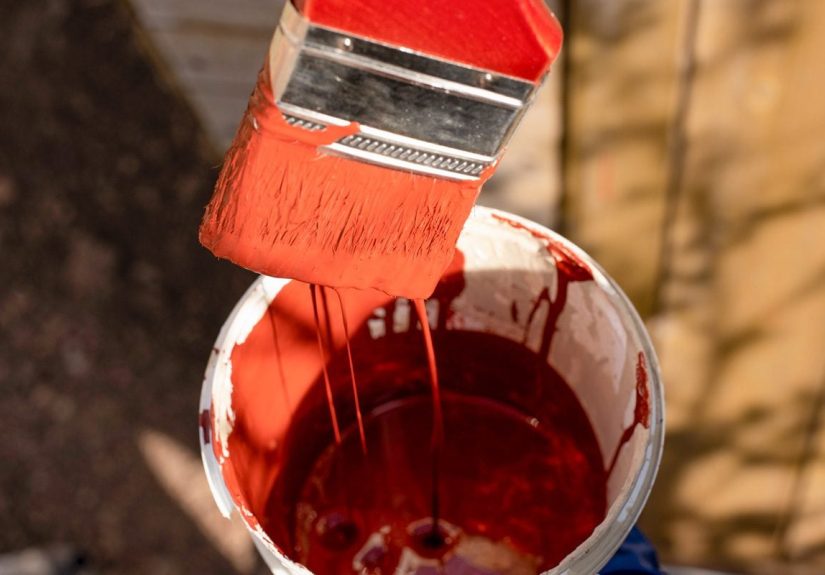
When paint is wet, it’s full of water or solvent. That liquid changes how light travels through the coating and reflects back to your eyes. As the liquid evaporates, the remaining solids (pigments + binders) form a continuous film, and the surface reflects/absorbs light differently. Translation: the color you see mid-roll is not the color you’ll live with.
2) “Wet hide” and “dry hide” are not the same thing
Paint coverage can look blotchy while wet and then even out as it dries. Pros actually talk about this: wet hide is how well a coating covers while wet; dry hide is the coverage once it’s dry/cured. That’s why a wall can look patchy at first and then magically calm down once it dries (the paint isn’t gaslighting youyou’re just catching it mid-transformation).
3) The paint film keeps changing after it feels “dry”
Many water-based paints go through two big phases: drying (liquid evaporates, surface feels dry) and curing (the film hardens and reaches its final durabilityand sometimes its final look). That means the “final” color can be more accurate after more time passes, especially with certain products, thicker coats, or humid conditions.
Does paint dry darker or lighter? Usually darker… but it depends
If you want the honest answer: paint often dries slightly darker than it looks when wet. But there are enough exceptions that the real rule is: don’t judge paint color until it’s fully dryand preferably after a second coat.
Factor #1: Sheen (a.k.a. the finish is messing with your eyes)
Sheen changes how much light reflects off the wall. Higher-sheen finishes (satin, semi-gloss, gloss) reflect more light and can make a color look richer, deeper, and sometimes darker at certain angles. Flat/matte finishes absorb more light and can look softer and sometimes lighter.
This is why two cans labeled the same color can still look different if one is eggshell and the other is satin. Same pigment, different light behaviorlike the paint is wearing different outfits.
Factor #2: Paint formulation (some products dry up, some dry down)
Different binders, pigment loads, and additives can change how a paint “dries down.” Some manufacturers even note that products may dry lighter or darker depending on formulation and conditions. This is especially noticeable when you’re doing touch-ups or working with deep base colors.
Factor #3: Temperature, humidity, ventilation, and coat thickness
Paint that dries too slowly (high humidity, cool temps, poor airflow, heavy coat) can look off longer and take more time to settle into its final appearance. Paint that dries too fast (hot, dry conditions) can also create unevenness because edges dry before you blend them.
Practical takeaway: the “final color” isn’t just about the color chipit’s also about your room behaving like a normal room (which, unfortunately, rooms do not always do).
Factor #4: Coverage and the color underneath
If the old wall color, primer, patched drywall, or bare wood is showing through, your new color can look lighter, grayer, dirtier, or just… wrong. Many colors (especially bright whites, reds, yellows, and some blues/greens) need two coats or a tinted primer to reach full depth and consistency.
The bigger plot twist: lighting can “change” paint more than drying does
Sometimes paint isn’t changing as it dries. Your lighting is changing as you look at it. Morning light, afternoon sun, warm bulbs, cool LEDs, shadows from window trimeach one can shift the way a color is perceived. There’s even a term for colors that match under one light source but look different under another: metamerism.
That’s why a color can look perfect in a store, okay at noon, and suspiciously minty at 8 p.m. under your “soft white” bulbs that are secretly not that soft.
How long until you’re seeing the “real” color?
For most interior wall paints, you’ll get a reliable read after the paint is dry and you’ve applied the recommended number of coats. But for the most accurate “final” look:
- Dry to the touch: often within an hour or so for many water-based paints (varies by product and conditions).
- Recoat time: typically a few hours (again, product-dependent).
- Full cure: often measured in days to weeks for many latex paints.
If you’re staring at your wall five minutes after rolling and spiraling… you’re basically judging a cake by licking the batter. Give it time to become the thing it’s trying to be.
Common situations that make paint look “different” as it dries
Lap marks: when you accidentally create two coats in one spot
Lap marks happen when you roll new paint onto an edge that has already started drying. Overlap areas end up with a thicker film (effectively a double coat), which can look darker or glossier. The fix is old-school and reliable: keep a wet edge, work in sections, and don’t take long breaks mid-wall unless you enjoy modern art.
Flashing: patchy sheen that shows up at certain angles
Flashing is when parts of the wall reflect light differentlyso you see dull patches, shiny patches, or “ghost rectangles” where touch-ups happened. It can be caused by uneven surface porosity (spackle spots), inconsistent roller pressure, mismatched sheen, or spot-priming without painting corner-to-corner.
The annoying part: flashing often looks worst in raking light (like sunlight hitting the wall from the side), so you may not notice it until the next morning when your wall decides to show you receipts.
Surfactant leaching: weird glossy/brownish streaks in humid rooms
In high humidity (bathrooms, laundry rooms), newly applied latex paint can sometimes develop streaks or shiny spots from surfactants migrating to the surface. It can look like discoloration and make you think the color is changing. It’s a real issue, and it’s one more reason bathrooms deserve strong ventilation and a little extra patience.
“It looks fine… except over the patched spot”
Fresh drywall compound and patches can absorb paint differently than surrounding areas. That changes both sheen and color depth. If you skip primer on patches, you can get dull spots, lighter areas, or texture differences that read like color differences.
How to test paint color the smart way (so you don’t get surprised)
Step 1: Test bigger than you think you need
A tiny swatch can lie. Paint a larger sample (at least 12″ x 12″, bigger if you can) or paint a sample board you can move around the room. Color is context-sensitiveyour floors, furniture, and lighting all influence what you see.
Step 2: Do two coats, and let it dry
Many colors don’t reveal their true depth until the second coat. If you test one thin coat and decide the color is “too light,” you might just be judging an under-coated sample.
Step 3: View it in multiple lighting conditions
Look at your sample in daylight, at night with lamps on, and during the times you actually live in the room. Check it straight on and from an angle. If the paint is going to act weird, it will usually do it under side light.
Step 4: Match sheen to your final plan
Don’t test a flat sample and then buy satin, or vice versa. Sheen can make the same color feel deeper, cleaner, warmer, cooler, or just “more intense.” If you want an accurate preview, test the actual sheen you’ll use.
Step 5: Prep like you mean it (primer is not a conspiracy)
Primer helps even out porosity and improves consistencyespecially over patches, stains, raw wood, or dramatic color changes. If you’re going from deep navy to warm white, the primer isn’t being dramatic. It’s being practical.
How to avoid paint color panic while you’re painting
- Stir thoroughly before you start, and stir again during long sessions (tint can settle).
- Box your paint (mix multiple cans in one bucket) if you’re doing a big area, to keep color consistent.
- Keep a wet edge to reduce lap marks and uneven overlap.
- Use consistent roller pressure and avoid “dry rolling” the wall.
- Wait for full dry time before judging coverageespecially with deep or bright colors.
- Don’t compare wet paint to the color chip. Compare dry paint to the color chip.
Troubleshooting: the paint is dry and it still looks wrongnow what?
If you’ve waited for it to dry and you’ve got the right number of coats on, here’s the order of operations that saves sanity:
- Confirm you used the right sheen and product. Same color name in different lines or sheens can look different on the wall.
- Check lighting. Turn on/off different lights. Swap one bulb. Look at the wall at a different time of day.
- Look for lap marks, flashing, or patch absorption. If the “wrong color” is only in certain spots, it’s probably application or surface variation, not the tint.
- Give it a little more time. Some coatings reach their final uniform look after more curingespecially in humid or cool conditions.
- Prime and repaint if needed. If the substrate is interfering (big color change, stains, patches), primer + a fresh topcoat can fix what extra coats can’t.
Bottom line
Yes, paint can appear to change color as it driesbecause wet paint and dry paint reflect light differently, and because “dry” and “cured” are not the same stage of life. Most of the time, what you’re seeing is normal dry-down, sheen and lighting effects, or temporary unevenness that resolves as the film forms.
The best way to stay confident is simple: test larger, wait for it to dry, view it in real lighting, and trust the process (even when the wall looks like it’s going through a breakup phase halfway through the first coat).
Extra: Real-World “Dry-Down” Experiences You’ll Probably Recognize (and Survive)
If paint had a personality, it would be the friend who texts “OMG we need to talk” and then turns out to mean “I found a new sandwich place.” In other words: dramatic, but not actually catastrophic. Here are some common experiences homeowners and DIYers run into when dealing with paint that looks different as it driesand what’s really happening in each case.
The “This Is Too Light” Spiral (aka The First Coat Freak-Out)
You start painting and the wall looks washed outlike the color chip went through the laundry. This is extremely common with light neutrals, soft greens, pale blues, and most whites. The first coat is often semi-transparent, and the old wall color can show through just enough to make the new color look wrong. In this phase, paint can also look brighter or chalkier because it hasn’t leveled out yet. The fix is boring but effective: let it dry, then do the second coat. That’s usually when the color deepens, the undertone settles, and you stop googling “can I return paint that is already emotionally exhausting me.”
The “This Is Too Dark” Panic (Usually a Wet-Gloss Illusion)
Sometimes the opposite happens: the fresh rolled section looks deep and intensealmost shinyso you assume you picked the color equivalent of a villain’s cape. Often that’s the wet film reflecting light in a way the dry film won’t. Many paints lose that wet shine as they dry, especially in lower sheens. If the color still looks too dark after it’s dry, check your lighting at different times of day. A moody north-facing room can make a mid-tone look like it belongs in a gothic novel (which is only a problem if you weren’t going for gothic).
The “Why Is One Section a Different Color?” Mystery (Lap Marks and Overlap)
You finish a wall and notice stripes or darker patches where you stopped and started. This is often lap marking: one area has a slightly thicker film because you overlapped onto paint that had already started drying. It can read as darker color, different sheen, or both. The experience is particularly common on big uninterrupted walls, in warm rooms, or when you pause to answer the door and return 10 minutes later like nothing happened. The prevention is keeping a wet edge and working in manageable sections. The cure, if it’s really visible, is often repainting the wall corner-to-corner with better technique (annoying, yeseffective, also yes).
The “Touch-Up That Made It Worse” Classic (Flashing)
Touch-ups feel like they should be simple: dab paint on the scuff and move on with your life. But sometimes the patch dries and you can see it from spaceespecially in side light. That’s flashing: the touched-up area reflects light differently because the surrounding paint has aged, the sheen is slightly off, or the wall texture/porosity isn’t uniform. This is why pros often recommend repainting the whole wall (or at least painting from one natural break to another) instead of spot-fixing, particularly with eggshell and satin finishes.
The Bathroom Ceiling Betrayal (Humidity + Fresh Latex)
In steamy rooms, fresh latex paint can sometimes develop glossy streaks or discolored drips that look like the color is changing. Often it’s not the pigmentit’s moisture interacting with the paint while it’s drying and curing. Good ventilation, appropriate bath/kitchen paint, and letting the coating cure before heavy moisture exposure can help. And yes, it’s unfair that bathrooms demand the most patience while providing the least.
The through-line in all these experiences is comforting: most “paint changed color” moments are actually “paint is still becoming paint.” Give it drying time, judge only when it’s dry, and remember: the wall is not final until the second coat (and decent lighting) says so.