
Table of Contents >> Show >> Hide
- What Is a Double Boiler?
- How a Double Boiler Works
- When to Use a Double Boiler
- How to Set Up a Double Boiler
- How to Use a Double Boiler the Right Way
- Common Double Boiler Mistakes
- Double Boiler vs. Microwave vs. Direct Heat
- Do You Need to Buy a Double Boiler?
- Best Foods to Practice With First
- Tips for Better Results Every Time
- Conclusion
- Real-World Kitchen Experiences With a Double Boiler
If the phrase double boiler sounds like something you would install in a Victorian mansion, relax. It is much less dramatic and far more useful. In the kitchen, a double boiler is one of those humble techniques that quietly saves chocolate, custards, sauces, and your dignity. It helps you heat delicate ingredients gently, which is chef-speak for “without turning them into a scorched, grainy, scrambled disaster.”
Whether you are melting chocolate for brownies, whisking hollandaise for brunch, or warming an egg-based mixture that does not appreciate being attacked by direct flame, a double boiler gives you control. And control, in cooking, is often the difference between “silky and gorgeous” and “why does this look like edible drywall?”
In this guide, you will learn exactly what a double boiler is, how it works, when to use one, how to make one from everyday kitchen gear, and the common mistakes that trip up home cooks. By the end, you will know how to use this method confidently, even if you do not own an official double boiler set.
What Is a Double Boiler?
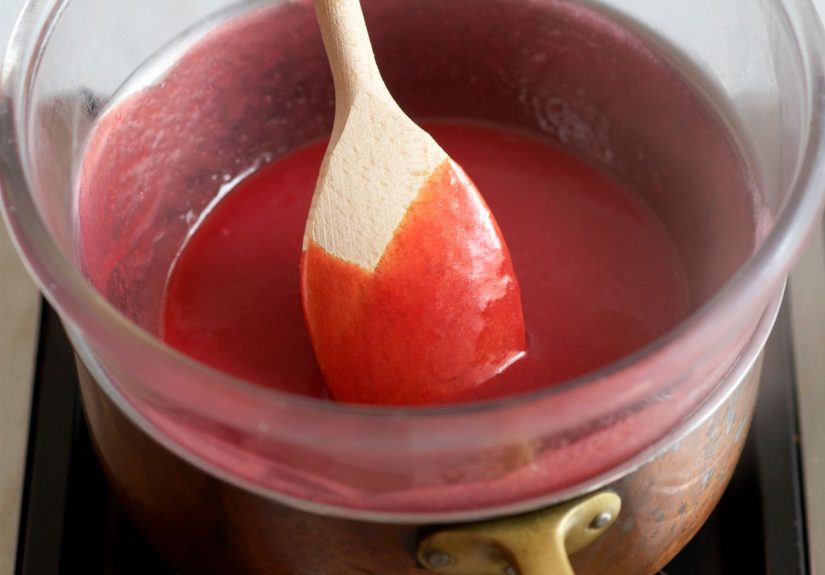
A double boiler is a two-part setup used to heat food gently. The bottom piece holds hot or simmering water. The top piece holds the ingredient you actually want to heat. Instead of sitting directly over a burner, the food in the top pan or bowl is warmed by indirect heat from the hot water and steam below.
This matters because some ingredients are fussy. Chocolate burns. Egg yolks scramble. Butter-based sauces separate. Custards curdle. A double boiler lowers the risk of all that chaos by slowing the heating process down.
You can buy a traditional double boiler set, which usually includes a bottom saucepan and a fitted top pan. But many home cooks simply place a heatproof bowl over a saucepan of simmering water. Same principle, same payoff, fewer specialty gadgets crowding your cabinets.
How a Double Boiler Works
The magic is all about indirect heat. On a regular stovetop pan, heat moves aggressively from burner to pan to food. In a double boiler, the heat first warms the water. Then that water and the steam it produces gently warm the bowl above it.
Because water heats more evenly than a dry pan over a burner, the upper bowl gets softer, steadier heat. That gentle heat is ideal for ingredients that melt, thicken, or emulsify best when they are coaxed rather than bullied.
Think of it like this: direct heat is a shouted command. A double boiler is a calm, persuasive conversation.
Why It Is Better for Delicate Foods
Delicate foods often fail when they get too hot too fast. A double boiler helps by:
- Reducing the chance of scorching
- Creating more even heating
- Giving you time to stir and monitor texture
- Helping sauces and melted ingredients stay smooth
- Protecting egg-based mixtures from scrambling
That is why this method shows up again and again in dessert recipes, pastry work, and classic sauces.
When to Use a Double Boiler
You do not need a double boiler for everything. In fact, if you use it for spaghetti sauce, your pasta may file a complaint. But it is perfect for jobs that require patience and low, even heat.
1. Melting Chocolate
This is the classic use. Chocolate melts beautifully in a double boiler because the heat is gentle enough to soften it without scorching it. It is especially helpful when you are melting baking chocolate, chocolate chips, or couverture for dipping, drizzling, ganache, truffles, brownies, or cake decoration.
The big warning: chocolate and water are not best friends. Even a little moisture can make melted chocolate seize into a thick, grainy mess. That is why your bowl, spatula, and hands should all be dry before you start.
2. Making Hollandaise or Similar Sauces
Hollandaise is luscious, buttery, and mildly terrifying the first time you make it. Since it relies on egg yolks thickening gently while butter is emulsified in, a double boiler makes the process much safer. The controlled heat helps the yolks thicken without turning into scrambled eggs wearing a lemon disguise.
3. Cooking Custards and Curds
Lemon curd, pastry cream, zabaglione, and some custard bases benefit from slower heating. A double boiler gives you the control to thicken the mixture gradually and keep the texture smooth instead of lumpy.
4. Warming Egg Whites and Sugar
If you make Swiss meringue or Swiss buttercream, you often need to warm egg whites and sugar together before whipping. A double boiler is ideal because it heats the mixture evenly while you whisk, helping the sugar dissolve without cooking the eggs too aggressively.
5. Keeping Cheese or Butter Mixtures Stable
Some cheese sauces, fondue components, and butter-based mixtures hold better over gentle heat. If direct heat tends to break or separate them, a double boiler can be the peace treaty your recipe needs.
How to Set Up a Double Boiler
Option 1: Use a Traditional Double Boiler
If you own one, wonderful. Fill the lower pot with a small amount of water, place the upper pan on top, and heat gently. Easy.
Option 2: Make a DIY Double Boiler
No official set? No problem. Here is the classic homemade version:
- Choose a small or medium saucepan.
- Add 1 to 2 inches of water.
- Set a heatproof bowl over the pan.
- Make sure the bowl fits snugly and does not touch the water.
- Bring the water to a gentle simmer, not a rolling boil.
- Add your ingredients to the bowl and stir as needed.
Stainless steel bowls are popular because they conduct heat well and are lightweight. Glass bowls can work too, though they often hold heat longer, so be a little more careful after removing them from the pan.
How to Use a Double Boiler the Right Way
Using one is simple, but the details matter. Here is the method that keeps the good stuff smooth.
Step 1: Add Only a Little Water
You do not need half a stockpot down there. About 1 to 2 inches is usually enough. The water should provide steady steam, not splash like it is auditioning for an action movie.
Step 2: Keep the Water at a Simmer
A low simmer is the sweet spot. If the water is boiling hard, the upper bowl can get too hot, and steam may sneak into your ingredients. That is especially risky with chocolate.
Step 3: Keep the Bowl Above the Water
The bottom of the bowl should never sit in the water. You want steam and gentle ambient heat, not direct contact with hot liquid.
Step 4: Stir Frequently
Stirring helps ingredients melt or thicken evenly. With chocolate, it keeps heat distributed. With sauces and custards, it helps prevent hotspots and clumps.
Step 5: Remove the Bowl Before the Food Seems “Totally Done”
This trick is especially useful with chocolate. Residual heat will continue melting it even after you take the bowl off the pan. Pull it a little early, keep stirring, and let carryover heat finish the job.
Step 6: Wipe the Bottom of the Bowl
When you remove the bowl, dry the underside with a towel. That prevents water droplets from sneaking into your mixture and making trouble.
Common Double Boiler Mistakes
Most double boiler disasters are small, preventable mistakes. Here are the big ones.
Using Boiling Water Instead of Simmering Water
Boiling water is too aggressive for most double-boiler tasks. It creates extra steam, extra heat, and extra opportunities for delicate food to rebel.
Letting Water Touch the Bowl
That defeats the whole purpose of gentle, indirect heat. If the bowl touches the water, your food may heat too quickly.
Allowing Moisture Into Chocolate
One stray drop can turn silky melted chocolate into a stiff, grainy paste. Dry tools matter here more than people expect.
Walking Away
A double boiler is forgiving, not magical. Chocolate can still overheat. Egg sauces can still overthicken. Stay close, stir, and pay attention.
Using the Wrong Bowl
If the bowl is too small, it may slip. If it is too large, it may wobble. If it is not heatproof, well, that is how kitchen stories begin and usually end badly.
Double Boiler vs. Microwave vs. Direct Heat
A double boiler is not the only way to handle delicate ingredients, but it is often the most forgiving.
Double Boiler
Best for control, consistency, and tasks where texture matters. Great for chocolate, egg sauces, curds, and meringue bases.
Microwave
Fast and convenient, especially for chocolate, but easier to overdo. It works well if you heat in short bursts and stir often. It is great for speed, less great for distraction-prone cooks.
Direct Heat
Fine for sturdy ingredients, risky for delicate ones. You can melt chocolate or cook custard directly if you know exactly what you are doing, but most home cooks get more reliable results with gentler heat.
Do You Need to Buy a Double Boiler?
Maybe. Maybe not.
If you frequently make candy, pastry cream, curds, Swiss meringue, or hollandaise, a dedicated double boiler can be handy. It is stable, fits well, and feels pleasantly official.
But if you only need this method now and then, a saucepan plus a heatproof bowl is usually enough. Many experienced home cooks never buy a dedicated set at all. They just build one when the recipe calls for it and move on with life.
So no, this is not one of those kitchen tools you must own before you are allowed to melt chocolate like an adult.
Best Foods to Practice With First
If you are new to the method, start with recipes that are low-stress and easy to observe.
- Melted chocolate for dipping strawberries You can see the texture change quickly.
- Simple ganache Excellent practice for smooth melting and stirring.
- Lemon curd Good for learning patience and consistency.
- Swiss meringue base Useful if you want to improve your frosting game.
- Hollandaise Slightly more advanced, but a classic.
Starting with chocolate is often easiest because it teaches the core rule of double boiler cooking: gentle heat wins.
Tips for Better Results Every Time
- Chop chocolate into small, even pieces so it melts faster and more evenly.
- Use low heat and be patient.
- Keep towels nearby to dry the bowl and wipe condensation.
- Whisk egg-based mixtures constantly.
- Use pasteurized eggs when a recipe is served lightly cooked or not fully cooked.
- Take the bowl off the heat as soon as the texture is right.
- Clean the setup right away before sugar or chocolate turns into kitchen cement.
Conclusion
A double boiler is one of the simplest ways to improve your cooking, especially when a recipe asks for finesse instead of brute force. It works by using gentle, indirect heat from simmering water to warm delicate ingredients slowly and evenly. That makes it perfect for melting chocolate, making hollandaise, preparing custards, warming egg whites and sugar, and handling other mixtures that can split, scorch, or scramble over direct heat.
The best part is that you do not need fancy equipment. A saucepan and a heatproof bowl can do the job beautifully, as long as the bowl stays above the water and the heat stays low. Once you understand the setup, the method feels less like a culinary mystery and more like a smart little trick you will use again and again.
In other words, the double boiler is not flashy. It will never trend on social media wearing edible glitter. But it is dependable, elegant, and surprisingly powerful. In a kitchen full of gadgets making big promises, that kind of quiet competence deserves some respect.
Real-World Kitchen Experiences With a Double Boiler
One of the most useful things about learning a double boiler is how quickly it changes the way a home cook feels in the kitchen. Before using one, many people assume melted chocolate is just chocolate plus heat. Then they try it over direct flame, walk away for twenty seconds, and come back to something that looks like a burnt science experiment. The first successful double-boiler moment is often a small kitchen revelation: the chocolate melts slowly, turns glossy, and suddenly baking feels much less like a gamble.
A lot of people also discover that a double boiler teaches patience in the best possible way. You cannot rush hollandaise, lemon curd, or Swiss meringue. The setup practically forces you to slow down, stir, watch texture, and pay attention. That sounds annoyingly wholesome, but it works. Home cooks who normally bounce around the kitchen often notice that this method makes them more deliberate. It is hard to multitask wildly when you are whisking egg yolks over steam and trying not to create breakfast-flavored wallpaper paste.
There is also a confidence boost that comes from rescuing recipes you used to avoid. A person who once bought store-bought chocolate sauce forever may suddenly be dipping strawberries, drizzling bark, or making ganache for cakes. Someone who thought hollandaise belonged only in restaurants may realize it is actually manageable with the right heat. The double boiler does not just cook food; it lowers the intimidation level of “fancy” recipes.
Another common experience is realizing that the method is more forgiving than it looks. Many beginners assume they need a professional pastry station and ten years of culinary school. In reality, they need a pan, a bowl, some simmering water, and the emotional maturity not to crank the burner to high because they are hungry. Once they get that, the process feels wonderfully accessible.
Then there is the cleanup lesson, which every chocolate-loving cook learns exactly once. The bowl comes off the heat, the chocolate is perfect, and everything feels triumphant. But if the bottom of the bowl drips water into the chocolate, the mood changes fast. After that, most people become extremely loyal to kitchen towels. A double boiler has a sneaky way of turning sloppy cooks into organized ones.
Over time, many home bakers develop little rituals around the method. They know which saucepan pairs with which bowl. They know the exact simmer they like. They know when chocolate is almost melted enough to come off the heat and finish with residual warmth. These are not dramatic chef moves, but they are the kind of tiny repeatable habits that make cooking feel smoother and more professional.
Perhaps the best experience of all is serving something that came together because you used gentle heat instead of force. The ganache is smooth. The curd is silky. The sauce does not break. You did not bully the ingredients into submission; you guided them. And that, honestly, is the charm of the double boiler. It makes you look calm, competent, and suspiciously good at dessert.






 Close
Close