Table of Contents >> Show >> Hide
- What Makes a Thai Fried Fish Recipe Taste So “Fantastic”?
- Pick the Right Fish (So Dinner Doesn’t Turn Into a Sad Science Experiment)
- The Crispy Secret: Dry Fish + Light Starch = Crunch You Can Hear
- Easy and Fantastic Thai Fried Fish Recipe
- Troubleshooting: How to Get Crispy Thai Fried Fish Every Time
- Serving Ideas That Make It Feel Like a Restaurant Plate
- Make-Ahead Tips and Leftovers
- of Real-World “Thai Fried Fish” Experiences (So You Know What to Expect)
If you’ve ever ordered Thai fried fish at a restaurant and thought, “Wow, this is unfairly delicious,” you’re not alone. The good news: you can absolutely pull off that shatter-crisp fish and bright, punchy Thai sauce at homewithout turning your kitchen into a smoky carnival ride.
This guide walks you through an easy Thai fried fish recipe with two sauce options: a lightning-fast Thai chili lime sauce (the kind that makes seafood taste like it just won a beauty pageant) and an optional tamarind sauce for that sweet-sour-salty-spicy “one more bite” energy. You’ll also get foolproof tips for crispiness, fish choices, and the small details that make the whole thing taste restaurant-level.
What Makes a Thai Fried Fish Recipe Taste So “Fantastic”?
Thai food has a superpower: it doesn’t rely on one note. A great Thai dish hits a balance of salty, sour, sweet, and spicyoften with a little herbal freshness on top. Fried fish is the perfect canvas for that balance because crispy texture loves bold flavors.
Here’s the magic combination you’re aiming for:
- Salt + umami: fish sauce brings depth (and yes, it smells intensethen tastes amazing).
- Sour brightness: lime juice wakes everything up.
- Sweet balance: a touch of sugar smooths the sharp edges.
- Heat: Thai chiles (or whatever chile you have) add the fun.
- Fresh aromatics: garlic, cilantro, and sometimes ginger turn “good” into “where has this been?”
Pick the Right Fish (So Dinner Doesn’t Turn Into a Sad Science Experiment)
Easy, reliable choices
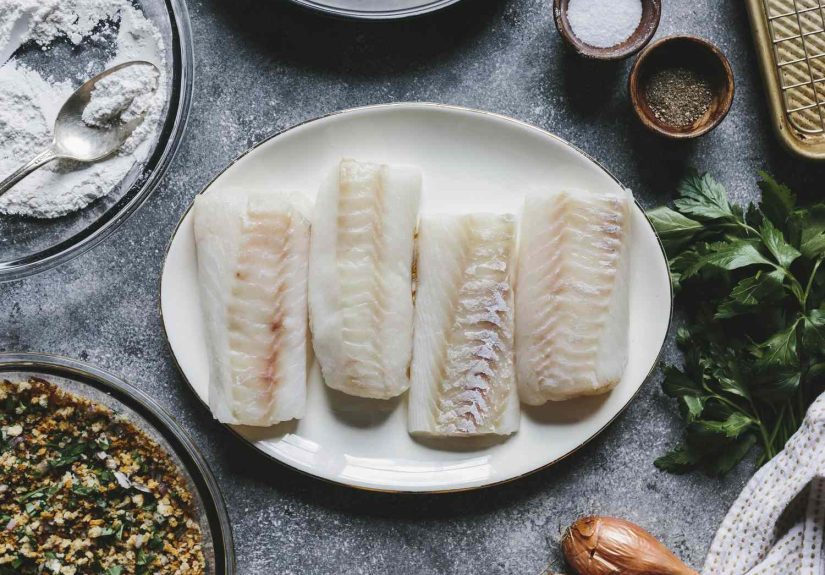
For a weeknight-friendly Thai fried fish recipe, choose a fish that’s mild and cooks quickly: tilapia, cod, catfish, snapper fillets, haddock, or pollock. If you want a special-occasion vibe, go for whole red snapper or branzino.
Fillets vs. whole fish
Fillets are easiest: less splatter anxiety, faster cooking, and no one at the table has to make eye contact with a fish head. Whole fish is dramatic (in a good way) and gets you ultra-crispy edges, but it’s a bit more hands-on. This recipe supports bothchoose your own adventure.
The Crispy Secret: Dry Fish + Light Starch = Crunch You Can Hear
If crispy fried fish had a résumé, it would list one key skill: staying dry until it hits hot oil. Moisture is the enemy of crunch because it turns your coating steamy and soft.
That’s why this recipe uses a light dusting of rice flour (or cornstarch, or a mix). These starches fry up crisp and delicatemore “crackle” than “heavy batter.” It’s the same reason certain tempura-style coatings feel airy instead of bready.
Easy and Fantastic Thai Fried Fish Recipe
Ingredients (Fish + Crispy Coating)
- Fish: 4 fillets (about the size of your hand) OR 1 whole cleaned fish (scaled and gutted)
- Salt and black pepper
- Rice flour (or cornstarch) for dusting
- Neutral oil for frying (vegetable, canola, peanut, etc.)
- Optional aromatics: a few smashed garlic cloves or slices of ginger (for frying fragrance)
Ingredients (Quick Thai Chili Lime Sauce)
This is a fast, bold Thai chili lime sauce that works beautifully with fried fish.
- Fish sauce
- Fresh lime juice
- Sugar (white, brown, or palm sugar if you have it)
- Garlic, finely minced or grated
- Thai chiles (or serrano/jalapeño), finely chopped
- Cilantro, chopped (stems are welcome here)
- Optional: a splash of water to mellow intensity
Ingredients (Optional Tamarind-Ginger Sauce)
If you want a glossy, sweet-sour sauce that feels like it came from a Thai restaurant, add this quick tamarind option.
- Tamarind paste (or tamarind concentrate mixed with a little water)
- Fish sauce
- Sugar
- Garlic and/or ginger, minced
- Chiles
- A small splash of water to loosen
Step-by-Step Instructions
- Dry the fish like you mean it. Pat fish very dry with paper towels. For whole fish, also dry inside the cavity. This is the difference between “crispy” and “why is my coating doing the limbo?”
- Season. Sprinkle both sides (and inside the cavity if whole) with salt and pepper. If using whole fish, lightly score the skin with a few diagonal cuts so it cooks evenly and crisps up nicely.
- Dust with starch. Lightly coat the fish in rice flour or cornstarch. Shake off excess. You want a thin, even layernot a winter coat.
- Mix the quick Thai chili lime sauce. In a bowl, stir fish sauce + lime juice + sugar until the sugar dissolves. Add garlic, chiles, and cilantro. Taste and adjust: more lime for brightness, more sugar to soften, more fish sauce for salt, more chile for heat. Set aside.
- Fry the fish. Heat a generous layer of oil in a heavy skillet (cast iron is great) over medium-high heat. When the oil is hot, carefully add fish. Don’t crowd the pancrowding traps steam and steals crispiness.
- For fillets: cook until golden and crisp on the first side, then flip and cook until done.
- For whole fish: fry until deeply golden on both sides; spoon hot oil over any exposed areas if needed.
The fish is ready when it looks opaque and flakes easily.
- Drain like a pro. Move fish to a rack (best) or paper towels (fine). Immediately sprinkle with a tiny pinch of salt if you like.
- Sauce and serve. You can drizzle sauce over the fish for maximum flavor coverage, or serve it on the side so everyone can dip at their own bravery level.
Optional Tamarind Sauce (Fast Version)
Want the sweet-sour “sticky” sauce vibe? Make it while the fish drains:
- In a small pan, warm a spoonful of oil and quickly sauté garlic/ginger and chiles until fragrant.
- Add tamarind paste, fish sauce, sugar, and a splash of water.
- Simmer briefly until glossy. Taste and adjust (more sugar = sweeter, more lime = brighter).
Troubleshooting: How to Get Crispy Thai Fried Fish Every Time
“My fish isn’t crispy.”
- Too wet: Pat it dry again. Moisture ruins crunch.
- Too crowded: Fry in batches. Steam is the villain here.
- Too much coating: Use a light dusting, not a thick layer.
“My fish is sticking to the pan.”
- Make sure the oil is hot before the fish goes in.
- Don’t move it too early. When it’s ready to flip, it releases more easily.
- A well-heated heavy pan helps a lot.
“The sauce tastes too intense.”
- Add a small splash of water to mellow it.
- Increase sugar slightly to soften the sharpness.
- Add more cilantro for freshness.
Serving Ideas That Make It Feel Like a Restaurant Plate
Thai fried fish loves simple sides that let it shine:
- Jasmine rice (classic, and it soaks up sauce like it trained for it)
- Cucumber slices or a quick cucumber salad with a pinch of salt and a squeeze of lime
- Fresh herbs like cilantro, Thai basil, or mint
- Something crunchy like shredded cabbage or carrots
- Optional toppings: sliced scallions, roasted peanuts, or crispy fried shallots
If you’re feeding people who like options (or debates), put sauce, herbs, and lime wedges on the table and let everyone build their perfect bite. It’s like a tiny dinner party, minus the stress and plus the crunch.
Make-Ahead Tips and Leftovers
Fried fish is at its best right awaycrispy foods love attention, and they don’t like waiting. But you can still plan ahead:
- Make the sauce early: It holds well in the fridge and often tastes even better after it sits.
- Prep aromatics: Chop garlic, chiles, and herbs in advance.
- Reheating: Warm leftover fish in an oven or air fryer until crisp again. (Microwaves are… not kind to crunch.)
of Real-World “Thai Fried Fish” Experiences (So You Know What to Expect)
The first time most home cooks try an easy Thai fried fish recipe, there’s a moment of suspense that feels strangely like a reality TV competition: “Will it be crispy? Will it stick? Will my kitchen smell like a seafood market for the next three business days?” Here’s what typically happensand how to make it a win.
Experience #1: The Great Splatter Surprise. Even with a shallow fry, fish can pop and crackle the instant it hits hot oil. That’s not your fish being dramatic; that’s moisture turning into steam and trying to escape. The easiest fix is also the least exciting: pat the fish very dry, then pat it again like you’re apologizing to it. Many cooks also find it helps to slide the fish into the oil gently, rather than dropping it in like a mic at a rap battle.
Experience #2: The “Is This Sauce Too Strong?” Question. Thai chili lime sauce has big personality. It’s salty, sour, garlicky, and spicybasically the friend who tells you the truth even when you didn’t ask. The trick is to taste and adjust before serving. A touch more sugar can round it out, and a small splash of water can soften the punch without making it bland. Many people discover they prefer the sauce on the side the first time, then go full drizzle-mode once they trust themselves.
Experience #3: The Crispiness Clock. Crispy fish doesn’t stay crispy forever, especially if it sits under sauce like it’s taking a long bath. A common win is serving the fish crisp and hot, then letting everyone dip bite-by-bite. If you love the look of a sauced fish platter, drizzle lightly right before it hits the table and keep extra sauce in a bowl.
Experience #4: The Fish Choice Revelation. Plenty of people start with inexpensive fillets (tilapia or cod) and are shocked by how “restaurant-y” it tastes once the sauce hits. Others try whole fish for the first time and realize why Thai restaurants do it: the edges get ridiculously crisp, and the presentation is pure showmanship. If whole fish feels intimidating, consider it a confidence-builderonce you do it once, it stops being scary and starts being fun.
Experience #5: The Leftover Strategy. Leftover fried fish can still be great if you reheat it in a dry heat environment (oven or air fryer). Many cooks learn the hard way that microwaves turn crisp coating into a soft sweater. The happy ending: leftover fish reheated until crisp, served with fresh lime and that same Thai sauce, makes an incredible next-day rice bowl with cucumbers and herbs.
The best part of all these experiences is that they’re normaland totally fixable. Once you’ve made this dish a couple of times, you’ll start cooking by feel: a little more lime here, a little more chile there, a lighter dusting for extra crunch, and suddenly you’re the person serving fantastic Thai fried fish like it’s no big deal. (It is a big deal. But you can act casual.)