Table of Contents >> Show >> Hide
- 1) Native plants go from “nice idea” to default setting
- 2) Pollinator lawns and “bee lawns” replace perfect turf as the flex
- 3) “No Mow May” evolves into “mow smarter, not harder”
- 4) Soil-first, no-dig gardening becomes mainstream
- 5) Composting, worm bins, and “make your own soil” energy
- 6) Water-wise gardening and smart irrigation step into the spotlight
- 7) Electric garden tools and quieter yards
- 8) Edible landscaping: vegetables and herbs move into “front-yard pretty”
- 9) Living fences and privacy planting replace hard barriers
- 10) Sensory gardens: fragrance, texture, and sound become “the point”
- 11) Houseplants get bolder: “holy moly” foliage and fenestrations
- 12) Gardening gets social againoffline
- Putting the trends into a simple plan (so it doesn’t stay “inspiration”)
- Bottom line: the biggest trend is gardening that makes sense
- Experiences you’ll recognize: of trend-tested reality
Gardening trends are a little like tomatoes: every year someone declares they’re “totally different this time,” and yet we
all end up arguing about the best varieties in the same sunhat. Still, the way Americans garden really is shiftingbecause
our schedules are different, our weather is moodier, and our yards are increasingly expected to do more than sit there and
look politely green.
The biggest change? Gardening is becoming less about controlling nature and more about collaborating with itwhile still
trying to keep the basil alive through a long weekend. Below are the most important gardening trends shaping right now,
along with what they look like in real backyards, balconies, and community plots across the U.S.
1) Native plants go from “nice idea” to default setting
Native plants aren’t trending because gardeners suddenly became saints. They’re trending because they’re practical:
once established, many regionally native plants can need less water, fewer inputs, and less fussing. They also support
wildlife that’s actually localpollinators, birds, beneficial insectsrather than offering an all-you-can-eat buffet to
the neighborhood pests.
What this trend looks like
- “Keystone” planting: choosing a handful of native species that provide outsized benefits (nectar, pollen, host habitat) across seasons.
- Right plant, right place: matching plants to sun, soil, and moisture instead of forcing a tropical vibe into a windy Midwestern corner.
- Wildlife corridors: linking beds, borders, and small meadows so pollinators can move through neighborhoods like they own the place (because, honestly, they kind of do).
If you want to try this trend without redesigning your whole yard, start with one “native backbone” bed: 3–5 native
perennials plus one shrub, then fill in with your favorite annuals while everything establishes.
2) Pollinator lawns and “bee lawns” replace perfect turf as the flex
The traditional lawn is being questioned from every angle: water use, chemical dependence, biodiversity loss, and the
sheer weekly time commitment. A major trend is turning parts of the lawn into pollinator-supportive spaceeither by
shrinking the lawn footprint, or by planting lawns that bloom.
Two popular approaches
- Reduce the mow zone: keep turf only where you truly need it (play, pets, paths) and convert the rest to beds, meadow strips, or shrubs.
- Bee lawn mixes: overseed with low-growing flowers that can tolerate mowing and foot traffic (common choices include clover and self-heal in appropriate regions).
A useful rule of thumb: if a section of lawn exists only because it’s always existed, it’s a candidate for conversion.
Even a 6-foot strip along a fence can become a pollinator border or “micro-meadow” that’s gorgeous and low drama.
3) “No Mow May” evolves into “mow smarter, not harder”
No Mow May is still a conversation-starter, but the trend is maturing. Many gardeners are moving toward a more
balanced version: mowing less often, mowing higher, and letting early-season blooms happenwhile still keeping lawns
from turning into a neighborhood dispute.
Smarter mowing moves
- Raise the mower height to reduce stress and help turf handle heat.
- Mow less frequently so lawn flowers get a chance to bloom.
- Mix in habitat (beds, shrubs, small native areas) so support for pollinators isn’t limited to one month.
4) Soil-first, no-dig gardening becomes mainstream
One of the most important shifts isn’t flashyit’s underground. More gardeners are adopting no-dig (or low-till)
methods to protect soil structure, feed soil life, and reduce weeds. Digging and tilling can bring buried weed seeds
to the surface; keeping soil covered with mulch or compost can help suppress weeds and retain moisture.
How gardeners are doing it
- Top-dressing with compost instead of turning soil every season.
- Mulch as a system: shredded leaves, straw, wood chips, or compost used to protect soil and reduce evaporation.
- Sheet mulching / “lasagna gardening”: layering cardboard, compostables, and mulch to create new beds with minimal digging.
This trend pairs beautifully with raised beds and small-space gardens because it keeps maintenance predictable: you add
compost, refresh mulch, and plant. The soil gets better each season instead of reverting to brick-like misery by July.
5) Composting, worm bins, and “make your own soil” energy
Home composting keeps gaining momentumnot just for sustainability points, but because bagged soil and amendments are
expensive. Plus, gardeners have realized compost is less like “optional garnish” and more like the entire flavor profile.
What’s hot (and what’s literally hot)
- Backyard compost piles for yard waste and kitchen scraps where allowed.
- Vermicomposting (worm bins) for apartment dwellers and year-round compost production.
- Leaf mold (a slow, magical transformation of leaves into soil conditioner) for people with more patience than the rest of us.
If you’re new to composting, the most trend-proof tip is simple: balance “greens” (food scraps, fresh clippings) with
“browns” (dry leaves, cardboard) and keep it aerated. Compost doesn’t need perfection; it needs oxygen and consistency.
6) Water-wise gardening and smart irrigation step into the spotlight
Water is becoming a bigger planning factor across many regions. Gardeners are responding with drought-tolerant plant
choices, better mulching, rain capture, and smarter irrigation scheduling. The “set it and forget it” sprinkler timer
is quietly getting replaced by controllers that adjust to weather or soil moisture.
Examples you’ll see in real yards
- Drip irrigation under mulch for beds (less evaporation than overhead watering).
- Weather- or soil-based controllers that reduce overwatering.
- Hydrozoning: grouping plants by water needs so you’re not watering lavender like it’s lettuce.
- Rain gardens and permeable areas to manage runoff and help recharge soil moisture.
The most “2026” mindset: you don’t water everything equally; you design so less watering is needed in the first place.
7) Electric garden tools and quieter yards
The tool trend is straightforward: more gardeners are choosing battery-powered equipment for convenience, noise
reduction, and (in some places) compliance with local policies. Cities and states have been exploring restrictions or
phase-outs for certain gas-powered equipment, and that nudges consumer behaviorespecially when the electric options
keep improving.
What gardeners are changing
- Battery mowers and trimmers for small and medium yards.
- Leaf management alternatives: mulching leaves into beds, raking strategically, and using blowers more selectively.
- Tool ecosystems: choosing one battery platform so you can swap batteries across tools.
Bonus benefit: your garden becomes a place where you can hear birds again, not just a perpetual engine test.
8) Edible landscaping: vegetables and herbs move into “front-yard pretty”
Edible gardening remains strong, but the style is changing. Instead of one big, separate vegetable patch, more gardeners
are blending food crops into ornamental bedskale as texture, peppers as color, rosemary as a shrub-like anchor, and
strawberries spilling from containers like they pay rent.
Design-friendly edible ideas
- Herb borders along paths or patios (fragrant and practical).
- Color-based planting: purple basil, rainbow chard, and red lettuces used like ornamentals.
- Fruit shrubs and dwarf fruit trees for long-term structure.
- Vertical edibles: beans on arches, cucumbers on trellises, and tomatoes trained for airflow.
The goal is a garden that looks intentional even when it’s producing dinner. It’s productivity with curb appeal.
9) Living fences and privacy planting replace hard barriers
“Living fences” are a major trend: using hedges, shrubs, and layered plantings for privacy instead of (or alongside)
traditional fencing. This approach can soften a yard, buffer noise and wind, and provide habitatwhile making the whole
space feel like a garden instead of a rectangle with rules.
How to pull it off
- Layer heights: tall shrubs or small trees in back, mid shrubs in the middle, perennials in front.
- Mix evergreen + deciduous so you get year-round screening and seasonal interest.
- Choose plants that feed wildlife (berries, seeds, nectar) if you want the full ecosystem boost.
10) Sensory gardens: fragrance, texture, and sound become “the point”
The garden isn’t just a photo backdrop anymore. A big trend is designing for sensesfragrant blooms, textured leaves,
rustling grasses, and small water features. It’s partly about wellness, partly about making outdoor time feel richer,
and partly because scented plants are delightful and we deserve delight.
Sensory garden building blocks
- Fragrance: herbs, flowering shrubs, and evening-scented blooms near seating.
- Texture: fuzzy leaves, ornamental grasses, and contrasting foliage shapes.
- Sound: grasses, bamboo-like plants (where appropriate), wind chimes, trickling water.
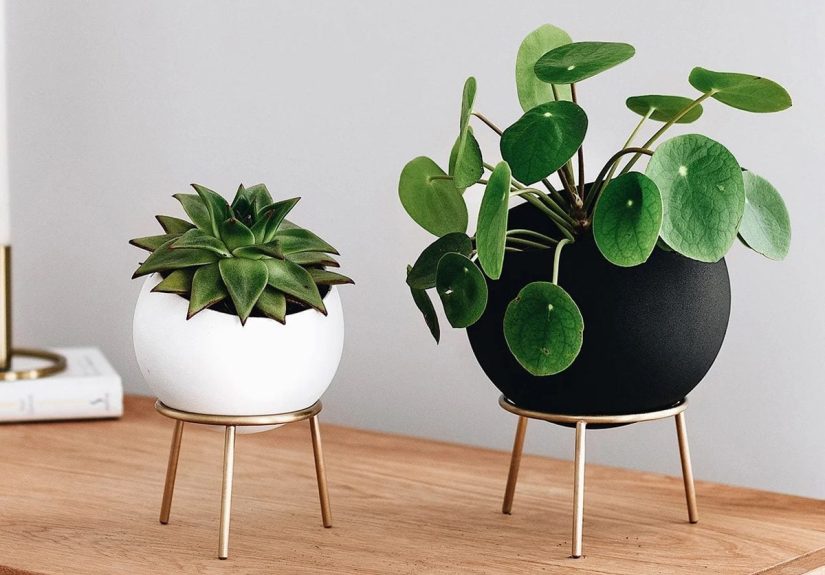
11) Houseplants get bolder: “holy moly” foliage and fenestrations
Indoor gardening continues to influence outdoor trends, and vice versa. One notable style trend is the love for
dramatic foliageplants with deep splits, holes, and architectural shapes (often described as “fenestrated” leaves).
These statement plants show up in patios, sunrooms, and bright windows where gardeners want a living sculpture.
If you want the look without the heartbreak, focus on light first. Most dramatic foliage plants are only dramatic when
they’re not surviving in a dim corner out of spite.
12) Gardening gets social againoffline
Another cultural trend is the shift toward in-person community: seed swaps, neighborhood plant cuttings, community
gardens, and local gardening groups. Gardening has always been social (if you count shouting “What is that weed?” across
the fence), but now it’s becoming intentionally communalpart hobby, part local resilience, part “please take these extra
zucchini before I leave them on strangers’ porches.”
Easy ways to join in
- Start a small seed or plant swap with neighbors.
- Join a community garden or volunteer day.
- Share starts: tomatoes, basil, peppers, and native seedlings are classic trade currency.
Putting the trends into a simple plan (so it doesn’t stay “inspiration”)
Trends are fun, but your garden needs a schedule more than it needs a vibe. Here’s a practical way to adopt several
trends without burning out:
A four-step “trend-proof” upgrade
- Pick one problem area (a thirsty lawn patch, a weedy corner, a bare fence line).
- Choose one ecosystem goal (pollinators, water-saving, edible yield, privacy, or low maintenance).
- Build soil and structure first (compost + mulch + a few anchor plants).
- Add seasonal fun second (annual color, containers, cut flowers, and experiments).
This approach is why so many modern gardens look “effortless.” They aren’t effortless. They’re just built on good soil
and realistic expectations.
Bottom line: the biggest trend is gardening that makes sense
If you had to summarize the modern gardening era in one sentence, it might be: “Stop fighting your yard.”
The trends point toward smarter water use, healthier soil, more biodiversity, and designs that fit real life. That doesn’t
mean every yard has to become a meadow or every gardener must compost with the passion of a Victorian scientist.
It just means we’re moving toward gardens that are resilient, useful, and genuinely enjoyable to be in.
Experiences you’ll recognize: of trend-tested reality
If you’ve ever tried to “follow gardening trends,” you’ve probably learned the first unwritten rule: trends don’t fail
timing fails. The most common experience gardeners report is going all-in on something (native plants! no-dig!
bee lawn!) and then realizing their calendar is still the same calendar that forgets to buy shampoo until the bottle is
making that sad gurgling sound. The good news is that the current trends are surprisingly forgiving once you approach them
as habits, not transformations.
Take native plants. The experience most people have is a rough first season where the plants look smaller than expected
and the weeds look like they’re on a sponsored fitness plan. This is normal. Native plant beds often spend year one
“sleeping,” year two “creeping,” and year three “leaping.” The leap is the moment you realize you’re watering less and
seeing more lifemore bees, more butterflies, more birdsand you didn’t have to bribe the plants with constant fertilizer.
With pollinator lawns or bee lawns, the experience is often social, not botanical. Your lawn changes and suddenly you’re
explaining it. People ask if you’re “letting it go.” You say, politely, that you’re creating habitat and reducing inputs.
Then, if you’re smart, you add a crisp edge along the sidewalk or a small signbecause nothing convinces a neighborhood
that something is intentional like a clean border. The plants do their part too: once clover and self-heal start blooming,
the lawn looks less like neglect and more like a soft, flowering carpet. And the first time you see bumblebees working your
“lawn,” you get that oddly proud feeling usually reserved for assembling furniture without extra screws.
No-dig gardening has its own classic moment: the day you realize you’re not spending spring wrestling a shovel like you’re
auditioning for an action movie. Instead, you’re layering compost and mulch, planting, and moving on. Most gardeners also
experience a learning curve: mulch is powerful, but too thick can slow soil warming in spring, and too thin can invite
weeds. Once you find your sweet spot, the trend becomes a lifestylebecause the soil gets easier each year, not harder.
And composting? The experience is humility. Everyone starts thinking it will be neat and Pinterest-perfect. Then it becomes
a living, warm pile of “science” that sometimes smells like you forgot a banana existed. Stick with it. Compost teaches the
most valuable gardening lesson: nature doesn’t demand perfectionjust steady inputs, a little air, and time. Which, honestly,
is also what most of our gardens are asking for.