Table of Contents >> Show >> Hide
- What Is Shibori, and Why Does This Grid Look So Good on Pillows?
- Understanding the Grid: Itajime Shibori Basics
- Design Ideas for Grid Shibori Pillows
- How to Make Your Own Grid Shibori Pillows
- Styling Tips: Where Grid Shibori Pillows Really Shine
- Care and Longevity: Keeping Your Shibori Pillows Fresh
- Real-Life Lessons: Living With Grid Shibori Pillows (Extra Experiences)
- Conclusion: Why Grid Shibori Pillows Are Worth the Dye-Stained Hands
If your sofa is looking a little “I’ve given up,” grid shibori pillows are the textile equivalent of a strong cup of coffee. They’re graphic, handmade, a bit artsy, and somehow make everything around them look more intentionallike you totally meant to leave that design magazine open on the coffee table.
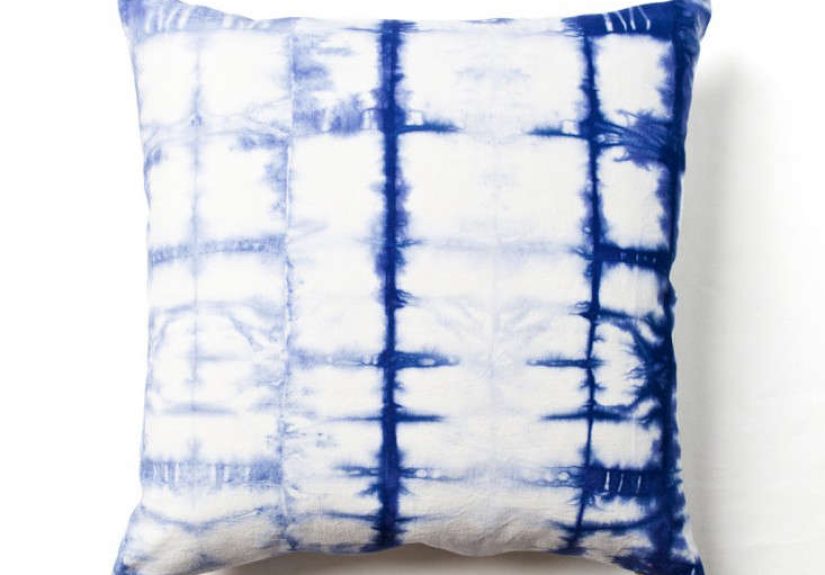
Grid shibori pillows combine the ancient Japanese resist-dye technique of shibori with a crisp, modern grid pattern (often in classic indigo and white). The result: throw pillows that feel both timeless and on-trend, equally at home in a boho loft, a coastal cottage, or a minimal city apartment.
Whether you want to DIY your own grid shibori pillow covers or simply understand what you’re buying when you see “itajime shibori” in a product description, this guide walks you through the history, technique, design ideas, styling tips, and real-life lessons from living with these beautifully imperfect pieces.
What Is Shibori, and Why Does This Grid Look So Good on Pillows?
Shibori is a traditional Japanese art of shaped resist dyeing, where fabric is folded, bound, stitched, clamped, or twisted so that certain areas resist the dye and remain light while others become saturated with color. The word comes from the Japanese verb “shiboru,” meaning to wring or squeezeexactly what happens to the fabric during the process.
While many people think of shibori as “fancy tie-dye,” it’s more controlled and pattern-driven. Instead of random swirls, shibori techniques create repeatable motifsstripes, circles, waves, and, in our case, clean geometric grids. The grid version is usually created with the itajime shibori technique, which uses folding and clamping to produce sharp lines and blocky squares.
On pillows, this grid pattern works especially well because:
- The straight lines echo the shape of the pillow itself, so it feels structured and intentional.
- The high contrast between dyed and undyed areas creates visual interest, even from across the room.
- The handmade variations give a soft, organic vibe that keeps the grid from feeling too rigid or sterile.
The most classic version uses natural indigo dye, giving that deep blue-and-white look you see in many Japanese textiles and modern boho interiors. But you’ll also find grid shibori pillows in soft pinks, grays, and even bold brights as contemporary makers experiment with different dyes and textiles.
Understanding the Grid: Itajime Shibori Basics
The secret behind grid shibori pillows is the itajime methoda clamp-resist technique that relies on careful folding and pressure. Here’s how the basic grid pattern happens:
- Accordion fold the fabric lengthwise into even strips, like folding a paper fan.
- Then fold it again in the opposite direction, turning your long strip into a compact square or rectangle.
- Place the folded bundle between two rigid shapestraditionally wood blocks or acrylic squaresand clamp it tightly with rubber bands or string to keep the dye from penetrating most of the interior.
- When the folded, clamped bundle is dyed, only the exposed edges pick up color, creating a grid or checkerboard effect once the fabric is unfolded and rinsed.
Variations in fold width, block size, and how you position the clamps will change the look of the gridlarge squares for a bold, graphic pillow, or tighter folds for a subtle plaid-like effect. Instructions from textile and dyeing resources consistently emphasize tight folding, firm clamping, and even pressure to keep the grid lines crisp.
For pillows, the grid usually ends up centered on the front of the cover, but you can rotate it, off-center it, or pair it with a solid back for more contrast and a little “secret party” when someone flips the pillow over.
Design Ideas for Grid Shibori Pillows
Before you dive into a dye bucket, it helps to think about the look you want. Grid shibori pillows can lean in very different style directions depending on color, scale, and how you mix them with other textiles.
Classic Indigo Grid
The most iconic version is indigo on white cotton or linen. This feels fresh, timeless, and instantly adds a handcrafted touch to neutral spaces. Pair indigo grid shibori pillows with:
- Crisp white sofas for a coastal or nautical look.
- Tan leather couches for a warm, modern boho vibe.
- Layered neutralscream throws, chunky knits, jute rugsfor a soft but structured palette.
Many artisan shops and marketplaces offer handmade indigo shibori pillows that highlight the grid pattern, often noting that each piece is one-of-a-kind due to the hand-dye process.
Soft Neutrals and Pastels
If deep blue feels too bold, you can achieve the same graphic look using softer dyesthink blush pink, warm gray, or smoky taupe. DIY tutorials have popularized sunlight-developing dyes and modern colors for shibori pillow projects, proving you’re not limited to traditional indigo.
These muted grid pillows work beautifully in Scandinavian-inspired spaces, nurseries, and bedrooms where you want pattern without visual noise.
Mixing Grids with Other Patterns
The grid is surprisingly easy to mix with other textiles:
- With solids: Use grid shibori as the “star” among plain pillows in coordinating colors.
- With stripes: Keep colors similar so the mix looks intentional, not chaotic.
- With organic shibori patterns: Combine grid pillows with more fluid, circular, or striped shibori designs for a layered “collected” look.
The key is repetition: repeat a color or a shape at least twice in the arrangement so the eye reads it as a pattern, not random chaos.
How to Make Your Own Grid Shibori Pillows
Buying ready-made shibori pillows is great, but making your own is where the fun (and the dye-stained fingernails) really begin. Fortunately, multiple DIY tutorials for shibori pillow covers follow a similar, approachable processeven for beginners.
Materials You’ll Need
- White cotton or linen pillow covers (or fabric cut to size for sewing your own)
- Natural fiber pillow inserts (cotton, down, or down alternative)
- Fiber-reactive or indigo dye kit (follow manufacturer’s instructions)
- Bucket or basin for dye
- Rubber gloves and old clothes (trust me on this)
- Wood or acrylic blocks (square or rectangular, slightly smaller than your folded bundle)
- Rubber bands or strong string
- Water, mild detergent, and a place to dry the fabric
Step 1: Pre-Wash and Prep
Pre-wash your pillow covers or fabric in hot water with a small amount of detergent to remove any sizing or finishes that could resist the dye. Skip the fabric softener. Dry and press them lightly so they’re easy to fold.
Step 2: Fold for the Grid
Lay the fabric flat and accordion fold it in one direction into long strips, making each fold the same width. Then fold the strip back and forth in the opposite direction, forming a compact square or rectangle. The tighter and more even your folds, the cleaner your final grid will be.
Step 3: Clamp and Bind
Sandwich your folded bundle between two blocks. Use rubber bands to clamp tightly around the bundle, running them in a grid pattern across both directions. The areas under the blocks and rubber bands will resist the dye and stay pale, forming the grid once you unfold.
Step 4: Dye Time
Prepare your dye bath according to the instructionsindigo kits often require careful mixing and a resting period so the vat reduces properly. Fiber-reactive dyes may simply need warm water and salt or soda ash. Slowly lower your clamped bundle into the dye, gently moving it around to avoid trapped air.
For indigo, you’ll usually dip the bundle several times, allowing it to oxidize between dips as the fabric turns from greenish to deep blue. For other dyes, you’ll soak for a set amount of time depending on how intense you want the color.
Step 5: Rinse, Reveal, and Dry
Remove the bundle and rinse in cool water, starting with everything still bound so excess dye rinses off the surface first. Then carefully cut away the rubber bands and take off the blocksthis is the best part. Keep rinsing until the water runs mostly clear.
Hang the fabric to dry out of direct sun if you’re worried about fading. Once dry, press with an iron to smooth out the folds and crispen the grid.
Step 6: Turn It into a Pillow
If you used ready-made pillow covers, you’re basically donejust stuff with inserts and fluff aggressively like you’re mad at your to-do list. If you dyed flat yardage, sew simple envelope pillow covers or use a zipper closure. Many DIYers recommend sewing after dyeing so you can better control the pattern placement on the pillow front.
Styling Tips: Where Grid Shibori Pillows Really Shine
Once you’ve got your grid shibori pillows, the styling options are wide open:
- On a sofa: Cluster two or three grid pillows with a couple of solid or textured pillows (like chunky knits or linen) to balance pattern with calm.
- On a bed: Use grid shibori pillows as shams or Euro pillows behind simpler neutrals, or layer them in front of white or natural linen bedding for an instant boutique-hotel upgrade.
- In reading corners: A single grid pillow on an armchair with a throw blanket can turn an ignored corner into a “cozy reading nook” in seconds.
- Outdoors: Weather-resistant shibori-inspired pillows bring pattern to porches and patios; just look for UV- and water-resistant covers if they’ll live outside.
Try mixing different grid scalesone large-block pattern, one tighter grid, and one lighter, more broken gridto create depth without making the arrangement look busy.
Care and Longevity: Keeping Your Shibori Pillows Fresh
Hand-dyed textiles can last for years with a little care:
- Wash gently: Remove covers and wash in cold water on a gentle cycle or by hand.
- Use mild detergent: Harsh detergents or bleach can strip color and weaken fibers.
- Skip the high heat: Air-dry or tumble-dry on low to reduce fading and shrinkage.
- Avoid prolonged direct sunlight: Indigo and other dyes can fade if left in strong sun for long periods, especially on window seats.
Many dyers recommend a few gentle washes early on to release any excess dye, especially with deep indigo. After that, color tends to mellow into a softer, lived-in look that suits the handmade character of shibori.
Real-Life Lessons: Living With Grid Shibori Pillows (Extra Experiences)
The internet is full of gorgeous photos of shibori pillows perfectly styled on sofas that have never seen a potato chip. Real life is messierand honestly, more fun. Here are some experience-based insights that tend to show up once people actually live with grid shibori pillows for a while.
1. The First Pillows Are “Practice Pillows”
Nobody talks about the first batch of shibori pillows that never make it to Instagram. Maybe the grid is crooked, one corner is much darker than the rest, or your carefully planned clean lines turned into “abstract clouds.” That’s normal.
It’s helpful to mentally label your first project as a test run. Use inexpensive cotton or drop cloth fabric, experiment with fold sizes, and try different dip times. Even if the result isn’t “living room centerpiece” level, those first pillows are perfect for a guest bed, a kid’s reading nook, or an outdoor bench.
2. Scale Matters More Than You Think
A grid that looks perfect on a 10-inch fabric sample can feel too busy on a 24-inch pillow. Larger furniture often benefits from bigger, more open grids, while smaller accent chairs or benches can handle denser patterns.
Before committing, fold and clamp a small test piece and hold it over your pillow insert or cover. If your eyes feel tired looking at it from a few feet away, consider widening the folds or using larger blocks so the grid has more “breathing room.”
3. The “Imperfections” Become the Best Parts
One of the most charming things about grid shibori pillows is that they never turn out exactly the same twice. Maybe one line breaks unexpectedly, or a corner softened into a gentle blur instead of a sharp square. Over time, those quirks become the pillow’s personality.
Many people end up loving their “mistake” pillows more than the perfectly crisp ones because they feel more organic and obviously handmade. When guests say, “Where did you get these?” you get to proudly say, “I made themand this weird line? Totally intentional. Eventually.”
4. Planning Around Your Existing Decor Pays Off
A little planning goes a long way. Before choosing dye colors, stand in the room where the pillows will live and look at what you already have: wood tones, rug colors, wall paint, metal finishes. Classic indigo works almost everywhere, but you can tweak the intensity or pair it with softer hues for a more cohesive look.
For example:
- In a bright, white space, deep navy grids create a high-contrast, modern feel.
- In a warm-toned room with terracotta and wood, a slightly softened, smoky blue can feel more harmonious.
- In kids’ rooms or creative spaces, pastel or even neon grids can add playful energy without feeling chaotic.
5. Hosting a Shibori Day Is Weirdly Bonding
Shibori dyeing is one of those projects that turns into a social event if you let it. Friends or family can each fold and clamp their own pillow covers, then share the dye vat. Everyone gets to experience the “reveal moment” togetheruntying rubber bands and unfolding fabric to see how their grid turned out.
The best part? At the end, everyone leaves with a pillow cover that actually works in their home, not just a random craft they have to find space for. It’s like a workshop, a mini science experiment, and a home-decor upgrade all in one.
6. They Age Gracefully
Over time, grid shibori pillows tend to soften. The fabric relaxes, the dye mellows, and the overall effect becomes slightly more vintage-looking. Instead of feeling “worn out,” they read as well-lovedespecially if you started with good-quality natural fibers.
If you ever feel like refreshing them, you can overdye the fabric with a slightly deeper shade or a new color, creating layers of pattern and tone that tell the story of your home evolving.
Conclusion: Why Grid Shibori Pillows Are Worth the Dye-Stained Hands
Grid shibori pillows bring together the best of both worlds: the discipline of geometric design and the warmth of handmade craft. They’re graphic but soft, modern yet rooted in centuries-old Japanese techniques, and they add character to a room without shouting for attention.
Whether you buy them from an artisan or roll up your sleeves and dye your own, grid shibori pillows are an easy way to upgrade your decor, experiment creatively, and bring a little “perfectly imperfect” beauty into everyday life. And once you’ve made one set, don’t be surprised if the rest of your textiles start eyeing the dye bucket, too.