Table of Contents >> Show >> Hide
- What Is a Gentlemen's Valet?
- Why a Gentlemen's Valet Still Matters Today
- Common Types of Gentlemen's Valets
- Key Features to Look For
- How to Use a Gentlemen's Valet Properly
- Where to Place a Gentlemen's Valet
- Gentlemen's Valet and Clothing Care
- Style Ideas for Different Homes
- DIY Gentlemen's Valet Ideas
- Common Mistakes to Avoid
- Experience: Living With a Gentlemen's Valet
- Conclusion
A gentlemen’s valet sounds like something that should arrive wearing white gloves, carrying a silver tray, and politely asking whether your cufflinks are feeling emotionally supported. In reality, it is far more practical: a gentlemen’s valet is a clothing stand, organizer, or dressing station designed to hold the next day’s outfit, recently worn garments, shoes, watches, wallets, keys, belts, and other daily essentials.
Think of it as the civilized alternative to “the chair.” You know the chair. Every bedroom has one. It begins life as seating and slowly becomes a fabric mountain made of jeans, shirts, jackets, and one mysterious sock that has not seen its partner since Tuesday. A gentlemen’s valet turns that chaos into a system. It gives your clothes a place to breathe, your accessories a home, and your morning routine a fighting chance.
Whether you call it a clothes valet, valet stand, suit stand, dressing valet, men’s valet, valet chair, or wardrobe organizer, the idea is simple: prepare, protect, and present. It helps you dress faster, keeps garments in better shape, and adds a touch of old-school elegance to a bedroom, closet, dressing room, or office corner.
What Is a Gentlemen’s Valet?
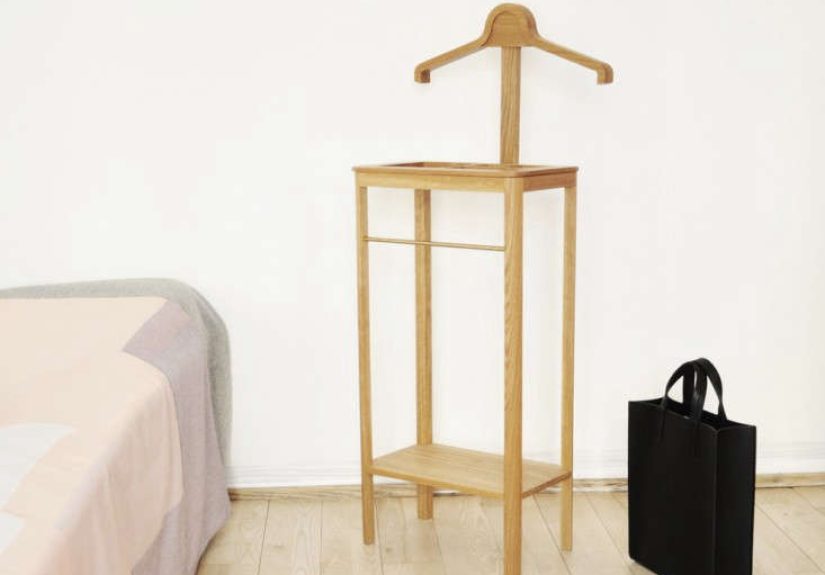
A gentlemen’s valet is a freestanding or wall-mounted organizer used to hang and arrange clothing and accessories. Traditional models often include a jacket hanger, trouser bar, shoe shelf, tie rack, and a small tray for everyday carry items such as a watch, wallet, phone, glasses, keys, or pocket knife. More modern versions may look minimalist, industrial, mid-century, rustic, or luxury-hotel sleek.
The original purpose was practical. Men’s suits, dress shirts, trousers, and coats often need airing between wears. A valet stand provides a dedicated place for items that are not fresh from the laundry but are not ready for the hamper either. That awkward category is where most bedroom clutter begins. The valet solves it with grace.
It also supports outfit planning. Instead of discovering five minutes before leaving that your trousers are wrinkled, your belt is missing, and your shoes look like they lost a bar fight, you can prepare the full look the night before. Jacket, pants, shirt, tie, socks, shoes, watch, and wallet can all sit together in one tidy station.
Why a Gentlemen’s Valet Still Matters Today
Some people assume a gentlemen’s valet is old-fashioned. That is true in the best possible way. It belongs to the same family as fountain pens, shoehorns, wooden hangers, handwritten notes, and actually knowing where your keys are. It brings intention back into the small rituals of daily life.
Modern homes are filled with storage products, but many of them hide items rather than organize behavior. A drawer can swallow your watch. A closet can bury your blazer. A laundry basket can become a black hole with handles. A gentlemen’s valet works because it is visible, limited, and specific. It is not meant to store your entire wardrobe. It is meant to manage what you are wearing next, what you just wore, and what you reach for every day.
It Makes Mornings Easier
The most obvious benefit is speed. When your outfit is ready, your morning gets calmer. A valet stand can hold a complete work outfit, travel outfit, gym-to-office combination, or formalwear arrangement. You do not need to conduct a sleepy archaeological dig through your closet at 7:18 a.m.
It Protects Better Clothing
Suits, sport coats, wool trousers, and structured jackets should not be dropped on the floor or crammed onto thin wire hangers. A quality valet with a broad shoulder hanger helps maintain shape. A trouser bar reduces creasing. A shoe shelf or lower rack prevents footwear from being kicked into a corner like evidence from a crime scene.
It Controls Clutter
A valet stand gives boundaries to the “worn once” zone. That shirt you wore for two hours? The jeans that are fine for tomorrow? The blazer that needs airing before it returns to the closet? They all get one designated place. When the valet fills up, it is time to make decisions: rehang, launder, brush, steam, polish, or retire.
Common Types of Gentlemen’s Valets
Not every valet looks the same. The best choice depends on your space, wardrobe, habits, and design taste.
Classic Wooden Valet Stand
The classic wooden valet is the gentleman of the group. It usually includes a curved jacket hanger, trouser rail, small accessory tray, and sometimes a lower shoe rack. Wood finishes such as walnut, oak, cherry, and mahogany give it a warm, traditional look. This type works beautifully in bedrooms, walk-in closets, and dressing areas.
Valet Chair
A valet chair combines seating with clothing storage. The back may be shaped like a jacket hanger, while the seat offers a place to sit while putting on shoes. Many mid-century valet chairs are now collected as vintage furniture because they are useful and sculptural. They are ideal for anyone who likes furniture that earns its square footage.
Wall-Mounted Valet Rod
A wall-mounted valet rod is a compact option for small rooms and closets. It usually pulls out from a wall or closet panel, giving you temporary hanging space for tomorrow’s outfit, dry-cleaning, or clothes in transition. This is a smart solution for apartments, narrow closets, and minimalist spaces.
Modern Metal Valet
Metal valet stands often have a slim profile and contemporary look. Black, brass, chrome, and matte steel finishes pair well with modern interiors. They can feel less formal than wood and may blend easily with industrial, urban, or Scandinavian-style rooms.
Catchall Valet Tray
Strictly speaking, a valet tray is not the same as a full clothing valet, but the two often work together. A tray holds pocket items: keys, coins, rings, sunglasses, earbuds, watch, wallet, and phone. It prevents the nightly ritual of scattering your belongings across three surfaces and then blaming the house.
Key Features to Look For
A good gentlemen’s valet should match your real routine, not an imaginary lifestyle where you wear a tuxedo to breakfast. Before buying or building one, look at how you actually dress.
Strong Jacket Support
If you wear suits, blazers, or coats, choose a valet with a wide, contoured shoulder hanger. It should support the garment without creating dents or stress points. Thin rails are fine for casual shirts but less ideal for structured jackets.
Trouser Bar
A trouser bar helps pants hang neatly overnight. Some bars are fixed, while others swing out. A smooth surface matters because rough edges can snag delicate fabrics. If you often wear dress trousers, this feature is not optional; it is the whole point.
Accessory Storage
A small tray or drawer is useful for watches, cufflinks, tie bars, collar stays, rings, wallets, and keys. The best accessory area is shallow enough that you can see everything at a glance. Deep drawers may look tidy, but they can become tiny caves where cufflinks go to start new lives.
Shoe Shelf or Foot Rail
A lower shoe shelf keeps footwear paired and ready. It is especially helpful if you rotate leather shoes, loafers, boots, or dress sneakers. Add shoe trees nearby if you want to help leather shoes maintain their shape between wears.
Stable Base
A valet should not wobble every time you hang a jacket. Look for a balanced base, quality joinery, and materials suited to the weight you plan to place on it. A lightweight stand may be fine for shirts and jeans; heavier suits require more stability.
How to Use a Gentlemen’s Valet Properly
The secret to using a gentlemen’s valet is restraint. It should be a staging area, not a second closet. When used correctly, it keeps your wardrobe active, visible, and under control.
Plan Tomorrow’s Outfit
At night, place the next day’s clothing on the valet. Hang the jacket or overshirt on the shoulder form. Fold trousers over the rail. Add the shirt, belt, tie, socks, shoes, and accessories. In the morning, dressing becomes a smooth sequence instead of a scavenger hunt.
Air Out Worn Clothing
After wearing a jacket, sweater, or pair of trousers, let the garment air out before returning it to the closet. This helps moisture escape and keeps your main wardrobe fresher. A valet is perfect for clothing that is still clean enough to wear again but should not be sealed away immediately.
Brush, Steam, and Reset
Keep a clothes brush, lint roller, or steamer nearby. Brushing can remove surface dust and lint. Steaming can relax wrinkles in many garments, though delicate fabrics should always be handled carefully. Spot clean minor marks promptly, and when in doubt, let a professional cleaner handle valuable items.
Empty the Tray Daily
The accessory tray should not become a junk drawer wearing a nicer suit. Clear receipts, coins, tags, and random hardware regularly. Keep only daily essentials there. A good rule: if you would not put it in your pocket tomorrow, it probably does not belong in the valet tray tonight.
Where to Place a Gentlemen’s Valet
Placement matters. A valet works best where dressing actually happens. For most people, that means the bedroom, walk-in closet, bathroom-adjacent dressing area, or entry zone.
In a bedroom, place it near the closet or dresser so clothing and accessories are easy to assemble. In a walk-in closet, a valet rod or compact stand can create a professional dressing-room feel. In a small apartment, a slim valet can live beside a wardrobe, behind a door, or near a full-length mirror.
Avoid damp areas. Bathrooms may seem convenient, but humidity can affect wood, leather, wool, and metal accessories. If you use steam from a shower to loosen wrinkles, do it briefly and avoid storing garments in a humid space for long periods.
Gentlemen’s Valet and Clothing Care
A valet is not just about neatness; it is part of clothing maintenance. Better storage habits can extend the life of suits, shirts, shoes, and accessories.
Give Garments Room to Recover
Natural fibers such as wool benefit from rest between wears. Hanging a suit jacket on a proper form allows the shoulders to settle and helps the fabric release moisture. Trousers also benefit from hanging rather than being tossed over furniture.
Avoid Overcrowding
If your valet is packed with a week’s worth of clothing, it stops helping. Keep it limited to one or two outfits, plus a few transitional garments. Overcrowding causes wrinkles, hides items, and recreates the same clutter problem in a fancier shape.
Store Seasonal Clothing Separately
A valet is for active use, not long-term storage. Seasonal wool coats, heavy sweaters, and formalwear should be cleaned before storage and kept in breathable garment bags or appropriate containers. Clothing pests are attracted to body oils, food residue, and natural fibers, so cleanliness matters before items go away for months.
Use Cedar Wisely
Cedar blocks and sachets can add a pleasant scent and may help discourage some pests when fresh, but they are not magic force fields. They should not touch fabric directly because natural oils may stain textiles. For serious moth or carpet beetle problems, cleaning, vacuuming, sealed storage, and pest identification are more important than relying on cedar alone.
Style Ideas for Different Homes
A gentlemen’s valet can match nearly any design style. It does not have to look like it escaped from a Victorian smoking room, unless that is exactly your dream, in which case: excellent commitment.
For a Traditional Bedroom
Choose a dark wood valet with curved lines, brass details, and a proper jacket hanger. Pair it with leather shoes, a framed mirror, and a simple tray for watches and cufflinks. The effect is classic without feeling costume-like.
For a Modern Apartment
Look for a slim black metal or light oak valet. Keep the profile clean and the accessory tray minimal. This works well with capsule wardrobes, neutral clothing, and small bedrooms where visual clutter matters.
For a Rustic or Industrial Space
A valet made from reclaimed wood, pipe-style metal, or mixed materials can feel rugged and practical. Add a boot shelf, leather catchall, and wall hooks for hats or bags. This style is especially useful for denim, work jackets, flannels, and boots.
For a Luxury Closet
In a large walk-in closet, use a valet rod, island tray, and dedicated shoe area. A valet station can hold the next day’s outfit, travel clothes, or formalwear before an event. Add soft lighting and a full-length mirror, and suddenly your closet feels like a boutique that knows your inseam.
DIY Gentlemen’s Valet Ideas
You do not have to buy an expensive valet to enjoy the benefits. A DIY gentlemen’s valet can be simple, affordable, and personal.
For a basic version, mount a quality wooden hanger on a sturdy wall hook and place a small shelf or tray below it. Add a lower rail for trousers and a shoe mat underneath. For a freestanding version, use a narrow coat rack, small side table, and shoe shelf together as a modular valet station.
Upcycled furniture also works well. An old chair can become a valet chair with hooks on the back and a tray attached to the seat. A vintage ladder can hold folded trousers and scarves. A small nightstand can serve as the accessory base, while a wall-mounted rod handles hanging garments.
The best DIY valet is not the fanciest one. It is the one you will actually use every day.
Common Mistakes to Avoid
Using It as a Laundry Pile
A valet should never become a scenic route to the hamper. If something is dirty, put it in the laundry. If it needs cleaning, place it in a dry-cleaning bag. If it can be worn again, hang it neatly. The valet is a decision point, not a textile waiting room.
Buying Too Big
A large valet may look impressive online, but it can overwhelm a small bedroom. Measure your space first. Leave room to walk around it. A compact stand used daily is better than a grand valet that makes your room feel like a furniture obstacle course.
Ignoring Your Actual Wardrobe
If you rarely wear suits, do not buy a valet designed only for suits. Choose one with shelves, hooks, and a tray for casual layers, watches, hats, and sneakers. If you wear formal clothing often, prioritize jacket support and trouser care.
Letting Accessories Multiply
Valet trays attract objects. Watches invite coins. Coins invite receipts. Receipts invite expired gum. Keep the tray edited so it remains useful.
Experience: Living With a Gentlemen’s Valet
The first thing many people notice after using a gentlemen’s valet is not elegance. It is relief. The room simply looks less accused. Before the valet, the bedroom chair often carries the emotional weight of every unfinished clothing decision. After the valet, the same items appear intentional. A blazer on a shaped hanger looks prepared. Trousers on a rail look cared for. Shoes on a shelf look selected rather than abandoned.
One of the most useful habits is setting up the valet at night. It takes five minutes, but it can save the next morning from becoming a low-budget action movie. You check the weather, choose the shirt, match the belt to the shoes, place the watch in the tray, and make sure the wallet and keys are where they belong. The next day begins with fewer choices, and fewer choices before coffee is a public service.
A valet also changes how you treat clothing after wearing it. Instead of tossing a jacket on the bed, you hang it properly. Instead of folding trousers over the nearest chair back, you place them on the bar. This small ritual makes clothes feel more valuable. It reminds you that good garments are not disposable. Even casual pieces benefit from the pause: air them out, brush them off, check for stains, and decide whether they return to the closet or go to laundry.
There is also a quiet psychological benefit. A well-used gentlemen’s valet creates a sense of readiness. It is similar to packing a gym bag the night before or placing documents by the door before a meeting. The object itself does not make you more organized by magic. Instead, it makes the organized action easier to repeat. Over time, that repetition becomes a habit.
For small spaces, the experience can be surprisingly powerful. A slim valet stand or wall-mounted valet rod can replace the messy chair, the overloaded door hook, and the dresser-top accessory explosion. It gives a tiny room one clear command center. Even in a studio apartment, a valet can make the dressing area feel deliberate.
For people who enjoy style, the valet becomes part of the pleasure of dressing. Laying out a suit, knit polo, linen shirt, leather loafers, or weekend denim jacket turns clothing into a small daily composition. It encourages better combinations because you see the whole outfit together before wearing it. That means fewer mismatched socks, fewer panic ties, and fewer moments when you realize in the elevator that your belt and shoes are having an argument.
The best experience comes when the valet is treated as a tool, not a shrine. It should be handsome, yes, but also forgiving. It should handle real life: a damp umbrella nearby, a loosened tie after work, a watch taken off before sleep, jeans waiting for another wear. A gentlemen’s valet succeeds when it makes ordinary routines smoother. It brings polish without making the room feel fussy. In short, it is not about pretending to have a butler. It is about becoming the kind of person whose pants are not on the floor.
Conclusion
A gentlemen’s valet is one of those rare home items that feels stylish and genuinely useful. It organizes clothing, protects garments, reduces clutter, and makes daily dressing easier. Whether you choose a classic wooden valet stand, a compact wall-mounted rod, a modern metal frame, or a DIY version, the goal is the same: create a dedicated place for the clothes and accessories you use most.
In a world where mornings can feel rushed and closets can become chaotic, a valet brings a little order, a little elegance, and a lot less chair-based laundry sculpture. It helps you prepare with intention, care for your wardrobe, and move through the day with fewer small frustrations. That may not make you a gentleman by itself, but it certainly helps your jacket behave like one.