
Table of Contents >> Show >> Hide
- Why YouTube Safety Matters on Fire TV
- Start with Fire TV Parental Controls
- Create an Amazon Kids Profile for a Safer TV Zone
- Choose Between YouTube Kids and Supervised YouTube
- Set Up YouTube Kids for Better Protection
- Make the Regular YouTube App Safer on Fire TV
- Build a Family YouTube Rulebook
- Common Fire TV YouTube Safety Mistakes
- A Practical Safer YouTube Setup Checklist for Fire TV
- Real-Life Experience: What Actually Works in a Busy Home
- Conclusion: Safer YouTube on Fire TV Is About Layers, Not Luck
- SEO Tags
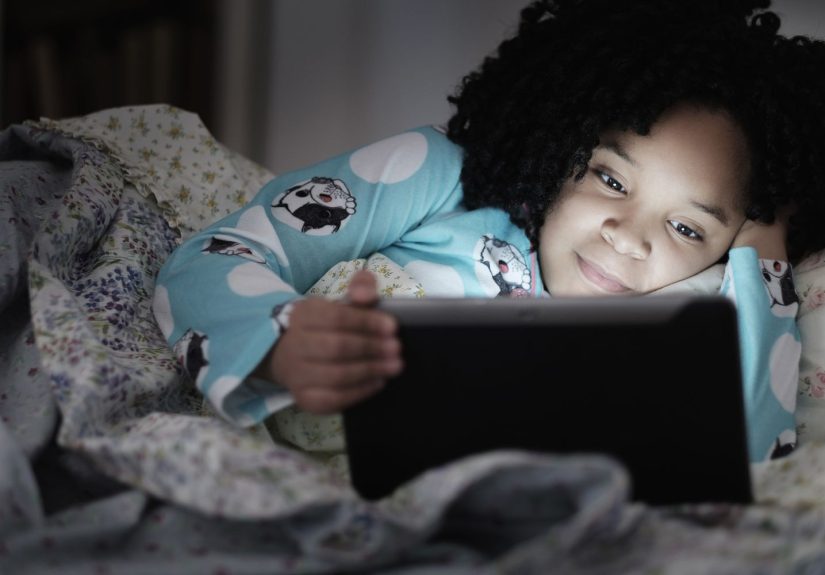
Fire TV can be a magical little rectangle of family entertainment. One minute your child is watching a gentle alphabet song, and the next they have somehow discovered a 47-minute video of someone unboxing dinosaur eggs while shouting like a game-show host. Welcome to parenting in the streaming age.
The good news: you can make YouTube on Fire TV safer, calmer, and more age-appropriate without turning your living room into a digital fortress. The goal is not to ban every video, panic over every algorithm, or hover over your child like a Wi-Fi-powered helicopter. The goal is to build layers of protection: Fire TV parental controls, Amazon Kids profiles, YouTube Kids settings, supervised YouTube accounts, smart screen-time rules, and a little old-fashioned parental common sense.
This guide explains how to give your kids a safer YouTube experience on Fire TV, whether you use the YouTube Kids app, the regular YouTube app with supervision, or a family setup that combines both. Think of it as childproofing the remote control before the remote control childproofs your evening.
Why YouTube Safety Matters on Fire TV
YouTube is enormous. That is its biggest strength and its biggest parenting challenge. It offers educational videos, cartoons, music, crafts, science demonstrations, read-alouds, and wholesome channels that can genuinely help kids learn. It also contains content that may be too mature, too intense, too commercial, too addictive, or simply too weird for younger viewers.
Fire TV adds another layer to the situation because it turns YouTube into a shared household experience. A phone or tablet is personal; a TV is communal. Kids may watch from the couch, in the playroom, or while parents are cooking dinner. That makes setup especially important. If the wrong profile is open, if purchases are unlocked, or if search is wide open, children can wander much farther than intended.
A safer setup does not rely on one magic button. No filter is perfect. Automated systems can miss videos, kids can type surprising search terms, and recommendations can drift from “educational animals” to “why is this cartoon screaming?” faster than most parents expect. The best approach is layered: choose the right app, lock down Fire TV settings, use age-based YouTube controls, limit search, manage recommendations, and keep checking in.
Start with Fire TV Parental Controls
Before adjusting YouTube itself, secure the Fire TV device. Fire TV parental controls help prevent accidental purchases, restrict certain content, and keep kids from opening apps or settings that are not meant for them. This is your first line of defense, like putting a baby gate at the top of the digital stairs.
Turn On a Fire TV PIN
Go to your Fire TV settings and look for parental controls under preferences or account settings. Turn parental controls on and create a PIN that your child cannot guess. Avoid birthdays, “1234,” or the legendary “0000,” which is less a password and more a welcome mat.
A PIN can help block unauthorized app launches, purchases, and restricted content. This matters because even if YouTube is set up carefully, kids may still try to open another streaming app, download something new, or click into content outside your intended boundaries.
Restrict Purchases and App Downloads
Enable purchase restrictions so your child cannot rent a movie, buy an app, or accidentally subscribe to something while trying to watch cartoons. Fire TV makes entertainment easy, which is wonderful until a seven-year-old discovers the “buy now” button and suddenly your account has more superheroes than your wallet expected.
Use App Launch Restrictions
If your Fire TV allows app launch restrictions, use them. This means your child may need a PIN to open apps outside their approved list. You can allow YouTube Kids or a supervised YouTube setup while blocking apps that are not age-appropriate.
Create an Amazon Kids Profile for a Safer TV Zone
Amazon Kids profiles are useful because they create a more controlled environment on Fire TV. Instead of letting children roam through the adult profile, you can build a kid-friendly space with approved apps, age filters, daily time limits, and bedtime rules.
Why a Kids Profile Helps
A kids profile separates your child’s entertainment from the main household profile. That separation matters. Your adult profile may contain action movies, mature shows, shopping access, sports apps, news apps, and streaming services with content that is not intended for children. A kids profile narrows the field.
You can usually manage content by age, approve specific apps, and set limits for when the profile can be used. If YouTube or YouTube Kids is available in the child profile, it should still have its own controls turned on. Fire TV controls manage the device; YouTube controls manage the video experience. Use both.
Set Daily Time Limits and Bedtime Rules
Daily screen-time limits are one of the simplest ways to improve YouTube safety. The longer a child watches, the more likely recommendations will drift, attention will fade, and “just one more video” will become a tiny family negotiation summit.
Try setting different limits for weekdays and weekends. For example, you might allow 30 minutes after homework on school nights and a longer family-approved window on Saturday morning. Bedtime rules are especially helpful because YouTube before sleep can become a rabbit hole with subtitles.
Choose Between YouTube Kids and Supervised YouTube
Parents often ask: should kids use YouTube Kids or the regular YouTube app? The answer depends on age, maturity, and what your family needs.
YouTube Kids: Best for Younger Children
YouTube Kids is designed to offer a more contained environment for children. It includes age-based content settings, parental controls, search controls, blocking tools, and a timer. It is usually the better option for preschoolers and elementary-age kids who do not need access to the broader YouTube universe.
The main content levels are generally organized around age ranges: Preschool, Younger, and Older. Preschool is aimed at very young children, Younger is intended for early elementary ages, and Older gives access to a wider selection that may include more music, gaming, science, and hobby videos.
Supervised YouTube: Better for Older Kids Who Need More
A supervised YouTube experience gives children access to the regular YouTube platform with parent-managed content settings. This can make sense for older kids who have outgrown YouTube Kids but are not ready for unrestricted YouTube. Parents can choose settings that gradually open access based on maturity.
Supervised YouTube is not the same as YouTube Kids. It offers broader content, and depending on the setting, children may encounter more mature themes, comments, music videos, gaming content, news, or creator personalities. It is best used with active parent involvement.
Do Not Trust Random Copycat Apps
If you search for YouTube Kids on Fire TV and see unfamiliar third-party apps with similar names, be careful. Use official apps whenever possible. Avoid sideloading random files from unknown sources, especially on a device used by children. A safer YouTube experience should not begin with installing mystery software from the internet. That is like locking the front door and then handing a raccoon the spare key.
Set Up YouTube Kids for Better Protection
If YouTube Kids is available on your Fire TV device, install it from the official app store and sign in with a parent account when needed. Then create a child profile and choose the correct content setting.
Pick the Right Content Level
Do not automatically choose the oldest content level just because your child says they are “basically a teenager now.” Age settings matter. A five-year-old who enjoys dinosaurs and counting songs does not need the same video universe as a twelve-year-old who wants science experiments and gaming tutorials.
Start with the most restrictive level that still works for your child. If the content feels too limited, adjust slowly. It is easier to open the gate a little later than to explain why a recommended video about “creepy abandoned playground mysteries” appeared during snack time.
Use “Approved Content Only” for Maximum Control
For younger children, the safest option is often “Approved Content Only.” This lets parents handpick videos, channels, or collections. Your child can only watch what you have approved. It takes more effort at the beginning, but it gives you the highest level of control.
A practical approach is to build a small library of trusted channels. Choose a few educational channels, music channels, storytime videos, and gentle entertainment options. Add content gradually rather than approving hundreds of videos at once. Quality beats quantity, especially when the quantity includes a cartoon banana explaining financial markets.
Turn Off Search
Search is useful, but it also gives kids more freedom to explore. Turning off search keeps children closer to approved or recommended content. This is especially helpful for younger kids who may search by voice, misspell words, or click on suggestions without understanding what they mean.
If your child frequently says, “I just searched for something normal,” that is a parenting clue. Normal to a child may mean “sharks eating robots slime challenge.” Search off can make the experience calmer.
Block Videos and Channels Quickly
When you see a video you dislike, block it. If the entire channel feels wrong for your child, block the channel. Blocking is not a failure of the system; it is normal maintenance. Think of it like weeding a garden, except the weeds have thumbnails and suspiciously loud sound effects.
Clear or Pause Watch History
YouTube recommendations are influenced by viewing behavior. If your child clicks one strange video, the app may decide your household is now passionately interested in that category. Clearing or pausing watch history can help reset recommendations when the feed starts drifting.
Make the Regular YouTube App Safer on Fire TV
Some families use the regular YouTube app on Fire TV because YouTube Kids is unavailable, too limited, or not appropriate for an older child. If that is your situation, do not leave YouTube wide open. Use a supervised account when possible and combine it with Fire TV restrictions.
Use a Child’s Supervised Google Account
A supervised account lets a parent manage the child’s YouTube experience through family settings. It is intended for children who are ready for more than YouTube Kids but still need guardrails. Parents can choose content settings, review controls, and manage certain features.
Avoid Using the Parent’s YouTube Account
Do not let your child watch from your personal YouTube account unless you enjoy your recommendations becoming a chaotic soup of cartoons, toy reviews, Minecraft tips, and someone explaining how to make edible glitter slime in a bathtub. More importantly, your account may expose your child to subscriptions, history, recommendations, and content that were never meant for them.
Turn Off Autoplay When Available
Autoplay is convenient for adults and dangerous for bedtime. It keeps videos rolling without a conscious choice. Turning it off encourages children to stop, choose, and ask before moving to the next video. It also makes “one more video” a real decision instead of a conveyor belt.
Watch for Shorts and Fast-Scrolling Habits
Short-form video can be especially sticky. Quick clips, rapid pacing, and endless scrolling can make it hard for kids to stop. If your child uses regular YouTube, pay attention to Shorts and similar formats. Set clear limits and consider whether that type of content fits your child’s age and temperament.
Build a Family YouTube Rulebook
Technology settings help, but family rules do the heavy lifting. Children need to know what is allowed, what is not allowed, and what to do when they see something uncomfortable.
Use Simple Rules Kids Can Remember
Keep rules short and specific. For example:
- YouTube only in the living room.
- No videos without asking after dinner.
- If something feels scary, strange, or confusing, pause and tell an adult.
- No searching for new channels without permission.
- When the timer ends, the TV goes off without a debate tournament.
Rules work best when they are predictable. If the limit changes every day depending on parent energy levels, children will negotiate like tiny attorneys. Consistency saves everyone time.
Co-View When You Can
Watching together is one of the best safety tools. You learn what your child likes, which creators they trust, and how they react to different kinds of content. You also get chances to explain advertising, sponsored content, exaggerated thumbnails, and clickbait.
You do not need to watch every second. Even ten minutes of shared viewing can teach you a lot. Ask questions like, “Why do you like this channel?” or “Does this video feel real or silly?” These conversations build digital judgment, which is much more powerful than a PIN alone.
Teach Kids About Ads and Influencers
Many children do not understand when a video is trying to sell something. They may see toys, snacks, games, apps, or merchandise presented as fun recommendations rather than marketing. Explain that some videos are made to persuade viewers. Use simple language: “This person may be paid to show that toy” or “That thumbnail is trying to make you click.”
Common Fire TV YouTube Safety Mistakes
Mistake 1: Setting Controls Once and Never Checking Again
Apps update. Kids grow. Settings move. Recommendations change. Review your YouTube and Fire TV settings every month or two. This does not need to be dramatic. A five-minute check can prevent weeks of questionable recommendations.
Mistake 2: Giving Kids the Main Remote Without Limits
The Fire TV remote is powerful. Voice search, app switching, purchases, and profile changes can all happen quickly. If your child uses the remote independently, make sure PINs and profile restrictions are active.
Mistake 3: Assuming “Kids” Means “Perfectly Safe”
YouTube Kids is designed for children, but no platform can guarantee that every video will match every family’s standards. Use age settings, approved content, blocked channels, and parent review. The word “kids” is a helpful starting point, not a babysitter.
Mistake 4: Ignoring Background Noise
Sometimes the TV is on while parents are busy. Listen occasionally. If every video sounds frantic, loud, or emotionally intense, it may be time to choose calmer channels. Not all inappropriate content is obviously mature. Some of it is simply overstimulating.
A Practical Safer YouTube Setup Checklist for Fire TV
Use this checklist to quickly improve your child’s YouTube experience:
- Turn on Fire TV parental controls.
- Create a secure Fire TV PIN.
- Require a PIN for purchases and restricted app access.
- Create an Amazon Kids profile if available.
- Add only approved apps to the child profile.
- Set daily screen-time limits and bedtime rules.
- Use YouTube Kids for younger children when available.
- Select the most appropriate YouTube Kids age level.
- Use Approved Content Only for maximum control.
- Turn off search for younger children.
- Block videos or channels that do not fit your family.
- Clear or pause watch history if recommendations go sideways.
- Use supervised YouTube for older kids who need broader access.
- Avoid using the parent’s personal YouTube account.
- Review settings regularly.
Real-Life Experience: What Actually Works in a Busy Home
In real family life, the safest YouTube setup is usually the one parents can maintain. A perfect system that takes two hours every weekend will collapse faster than a blanket fort during a sibling argument. A realistic system, however, can work beautifully.
One helpful experience is to treat YouTube like a snack cabinet. You would not give a child unlimited access to every snack in the house and hope they choose carrots. You would place better options within reach and keep the triple-chocolate emergency cookies on a higher shelf. YouTube works the same way. Put trusted channels in front of your child. Keep open search, unrestricted recommendations, and adult profiles behind a PIN.
Another practical lesson: kids respond better when parents explain the reason behind the rule. Instead of saying, “YouTube is bad,” say, “YouTube has lots of great videos, but it also has videos that are too old for you or made just to keep you watching. My job is to help you choose the good stuff.” That framing avoids making YouTube feel forbidden and mysterious. Forbidden and mysterious, as every parent knows, is basically rocket fuel for curiosity.
Families also tend to do better with named viewing times. For example, “YouTube after homework for 25 minutes” is clearer than “You can watch a little later.” Children understand routines. A timer helps because it moves the ending away from parent-versus-child conflict. The timer is not emotional. The timer does not care about puppy eyes. The timer simply ends.
Co-viewing also changes the atmosphere. When parents sit down occasionally and watch with their kids, YouTube becomes less of a secret world. You may discover that your child loves drawing tutorials, animal rescue clips, marble runs, cooking videos, or science experiments. Once you know that, you can approve more of the good material and block less useful channels. You are not just policing; you are curating.
It also helps to create a “safe favorites” list. Pick several channels or video collections that your child can choose from without asking every time. This reduces nagging and decision fatigue. The child gets independence, and the parent gets peace of mind. Everyone wins, including the remote control, which spends less time lost between couch cushions.
Finally, expect to adjust. A preschooler’s safe setup will not fit a ten-year-old. An older child may need supervised YouTube for school topics, music, hobbies, or tutorials. The trick is to expand access gradually. Add freedom when your child shows responsibility. Pull back when the experience becomes too intense, too addictive, or too hard to stop. Digital safety is not a one-time setup; it is a family habit.
Conclusion: Safer YouTube on Fire TV Is About Layers, Not Luck
Giving your kids a safer YouTube experience on Fire TV is not about finding one perfect setting and calling it done. It is about building a layered system that fits your child’s age, your family’s values, and your daily routine.
Start with Fire TV parental controls. Add an Amazon Kids profile when possible. Use YouTube Kids for younger children, supervised YouTube for older kids who are ready, and strong rules for everyone. Turn off search when needed, block questionable channels, manage history, set timers, and watch together often enough to understand what your child is seeing.
The internet will never be completely tidy. It is too big, too fast, and too full of people making thumbnails with giant arrows. But with the right setup, Fire TV can become a safer place for learning, laughing, relaxing, and enjoying videos as a family. Your child gets better content. You get fewer surprises. And the TV becomes what it should be: a tool for fun, not a portal to chaos.






 Close
Close