
Table of Contents >> Show >> Hide
- What Exactly Is the Hardoy Butterfly Chair?
- The Origin Story: Buenos Aires, 1938, and a Chair That Traveled
- Design Breakdown: Why It Looks Simple (and Isn’t)
- Materials Matter: Leather vs. Canvas vs. “What Even Is This Fabric?”
- How to Choose the Right Hardoy Butterfly Chair for Your Home
- Authentic vs. Reproduction: How to Shop Without Regret
- Care and Maintenance: Keep the Chair Handsome, Not Tragic
- Styling Ideas: Where the Butterfly Chair Looks Best
- Who the Hardoy Butterfly Chair Is (and Isn’t) For
- Conclusion: A Chair That’s Both Famous and Livable
- Real-World Experiences With the Hardoy Butterfly Chair (What Owners Commonly Notice)
If you’ve ever spotted a low-slung chair that looks like a butterfly took up yoga and decided to become furniture, you’ve met the Hardoy Butterfly Chair. Also called the BKF chair (for Bonet–Kurchan–Ferrari Hardoy), it’s one of those rare design icons that’s both museum-famous and “sure, toss it by the fireplace” practical. It’s minimal, sculptural, and somehow manages to feel casual and sophisticated at the same timelike it owns a black turtleneck but still orders nachos.
In this guide, we’ll dig into what makes the Hardoy chair special: its origin story, how it’s built, why it became a mid-century darling in the U.S., how to choose a good one today (authentic, vintage, or modern reproduction), and how to live with it without turning the leather sling into a sad, stretched-out pancake.
What Exactly Is the Hardoy Butterfly Chair?
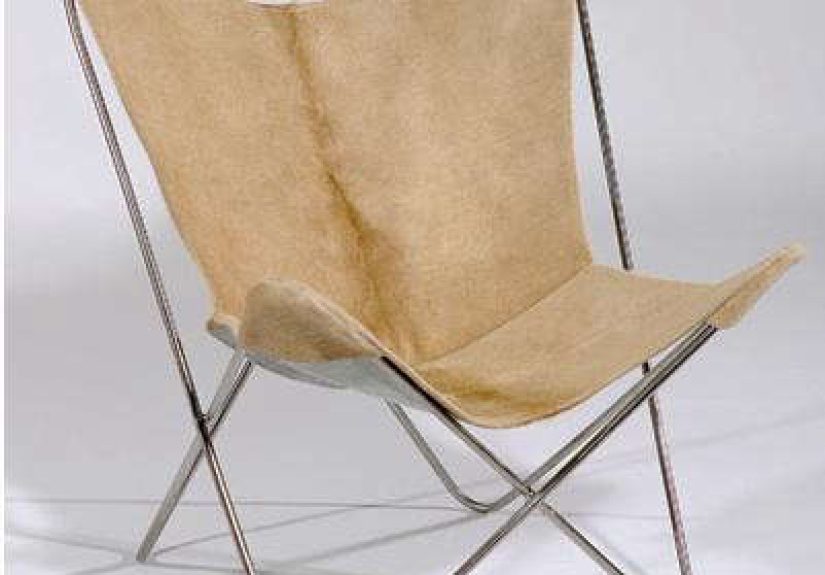
The Hardoy Butterfly Chair is a sling lounge chair made from two main parts:
- A bent metal frame (often steel or wrought iron) that forms an X-like structure.
- A suspended seat “sling” (traditionally leather, sometimes canvas or other textiles) that hangs from the frame’s corners.
When you sit, the sling cradles youmore hammock than dining chair. That’s the entire point. This chair isn’t here to lecture you about posture. It’s here to help you relax, read, scroll, sip, or dramatically stare out a window like you’re in an indie film.
Names You’ll See When Shopping
“Hardoy Butterfly Chair” is common in the U.S., but you’ll also see:
- BKF chair
- Butterfly chair
- Sling chair
- Safari chair (sometimes used loosely)
The Origin Story: Buenos Aires, 1938, and a Chair That Traveled
The chair was designed in Buenos Aires in 1938 by three architectsAntonio Bonet, Juan Kurchan, and Jorge Ferrari Hardoyoften associated with the Grupo Austral circle. The initials of their last names form “BKF.” In everyday conversation (and many catalogs), it’s also called the “Hardoy chair,” because Ferrari Hardoy’s name became strongly linked to the design.
Inspired by a Portable “Campaign” Chair
One reason the chair feels so modern is that its inspiration was practical, not precious: a portable, folding campaign-style chair often referred to as the Tripolina. The BKF took that basic idealightweight seating you can move aroundand reinvented it with a steel frame and a floating sling, creating something industrial-friendly and visually striking.
How It Became a U.S. Design Celebrity
The Butterfly Chair’s American rise reads like a design-movie montage: museum attention, architectural cool-kid approval, and an explosion of replicas. A key turning point was the chair’s arrival in the U.S. design conversation through influential tastemakers and institutions, including major museum recognition and visibility in iconic modernist settings. Once American modernism embraced casual, flexible living, the Butterfly chair fit right inespecially for open-plan rooms and indoor-outdoor lifestyles.
In the early 1940s, the chair was produced in New York by Artek-Pascoe (a detail that shows up in museum documentation). Later, Knoll carried versions in its catalog in the late 1940s through the early 1950s, helping cement its place in U.S. mid-century interiors. After legal fights and an ocean of imitators, the Butterfly chair became one of the most copied silhouettes of the 20th centuryproof that good design is contagious (and occasionally litigated).
Design Breakdown: Why It Looks Simple (and Isn’t)
The Frame: The Chair’s Skeleton
The frame is typically made from steel rod bent into a continuous form that crosses at the front and sides, creating a stable base. What matters here is not only the metal, but the bends: clean curves and correct geometry determine whether the chair feels solid or like a wobbly lawn flamingo.
Tip: A well-made frame feels sturdy even though it looks airy. If it flexes dramatically when you sitor if the welds look like a science-fair volcano projectkeep shopping.
The Sling: A Seat That Works Like a Hammock
The sling (often leather) attaches at four corners and forms the seat and back in one continuous piece. This is why the chair feels “floaty.” Your body weight pulls the sling into a cradle shape, distributing pressure rather than creating hard points like a typical chair.
Typical Dimensions and What They Mean in Real Life
Butterfly chairs vary by maker, but common proportions are roughly:
- Width: about 32 inches
- Depth: about 30 inches
- Back height: around the mid-30-inch range
- Seat height: lowoften around 12–13 inches
Translation: it’s a lounge chair, not a “pop up easily while holding a full laundry basket” chair. If you love low, relaxed seating, you’ll adore it. If you prefer higher seats with firm support, you may want to treat it as an occasional accent chair rather than your daily throne.
Materials Matter: Leather vs. Canvas vs. “What Even Is This Fabric?”
Leather Butterfly Chair: Classic, Warm, and Patina-Friendly
Leather is the iconic choice because it:
- develops patina (the nice kind of aging, not the “oops” kind)
- feels warm and substantial
- pairs beautifully with mid-century, rustic, and modern interiors
Full-grain or top-grain leather tends to wear better than heavily corrected leather. Suede versions feel cozy but can be less forgiving with spills and oils (including the very real oil from your hands, hair, and snack decisions).
Canvas or Fabric Slings: Casual and Often More Budget-Friendly
Canvas versions can feel lighter and more informalgreat for boho spaces, sunrooms, or covered patios. They’re also easier to swap out if you want seasonal changes (because yes, some people absolutely do seasonal chair outfits, and honestly, respect).
Modern Special Editions
Over the decades, various commemorative or premium editions have used different materials and finishes, including felt-like slings and special coatings. These are typically more about design collectability and craftsmanship than everyday spill-proof practicality.
How to Choose the Right Hardoy Butterfly Chair for Your Home
1) Decide: Statement Piece or Daily Lounger?
If it’s a statement chair, you can prioritize looksleather color, frame finish, and silhouette. If it’s a daily lounger, prioritize comfort: a supportive sling, stable frame, and enough width to sit how you actually sit (including the “one leg tucked under, one leg dangling” lifestyle).
2) Match the Material to the Room
- Living room: leather or high-quality textile slings; add a throw for texture.
- Bedroom corner: suede or soft leather can feel extra cozy.
- Sunroom/patio: consider weather exposure; covered areas are safest for leather.
3) Think About Floors (Because Gravity Is Reliable)
Metal feet on hardwood can be a scratch risk. Use floor protectors, a small rug, or both. The chair looks light, but it’s still metal meeting wood. That relationship can get toxic fast.
4) Consider Add-Ons: Throws, Sheepskin, and Ottomans
A Butterfly chair becomes dramatically more “curl up and stay awhile” when you add a sheepskin, chunky knit throw, or a small ottoman. Many owners style it this way not only for looks, but because it adds warmth and reduces the “cool leather shock” in winter.
Authentic vs. Reproduction: How to Shop Without Regret
Because the Butterfly chair has been reproduced endlessly, shopping can feel like a treasure hunt where some of the treasure is… questionable. Here’s how to improve your odds.
What to Look For in a Quality Chair
- Frame thickness and stability: a sturdy steel frame should feel confident, not flimsy.
- Clean welds and consistent bends: symmetry matters for comfort and safety.
- Sling quality: thick leather, reinforced corners, strong stitching.
- Fit: the sling should be taut enough to cradle, not sag like a tired trampoline.
Clues That a “Vintage” Chair Might Actually Be a Replica
- visible hinges or jointed construction in places you wouldn’t expect
- thin metal that flexes easily
- corners that look underbuilt (weak grommets, thin leather, sloppy stitching)
If you’re shopping high-end vintage, ask for provenance, maker marks, and detailed photos of welds, corners, and underside. If you’re shopping a modern reproduction, prioritize reviews and transparent material specs.
Care and Maintenance: Keep the Chair Handsome, Not Tragic
Leather Care Basics
- Dust regularly with a soft cloth.
- Spot clean gently with a slightly damp cloth and mild soap (test first).
- Avoid alcohol-based cleanersthey can strip oils and cause drying/cracking.
- Condition occasionally with a leather conditioner to maintain suppleness.
Canvas/Fabric Care
Follow the maker’s instructions. Some slings can be removed and cleaned; others are better treated with gentle spot cleaning. If the sling is removable, that’s a major lifestyle perklike having a chair with a washable hoodie.
Frame Care (Indoor and Outdoor Reality Check)
Powder-coated or well-finished frames resist wear better, but moisture is still the enemy. If you use the chair outdoors, keep it covered and consider bringing it inside during heavy humidity, rain, or winter. Rust is not a “patina moment.” Rust is a maintenance problem wearing a dramatic cape.
Styling Ideas: Where the Butterfly Chair Looks Best
Mid-Century Modern Living Room
Pair a black frame + tan leather sling with walnut tones, clean-lined sofas, and a simple side table. Add one textured throw to keep it from feeling too showroom-perfect.
Modern Minimalist Corner
Let the chair act like a sculpture: monochrome sling, crisp rug, and one strong art piece nearby. Keep accessories minimal so the silhouette gets the attention it deserves.
Boho / Eclectic Space
Canvas sling, layered textiles, plants, and a casual vibe. Butterfly chairs show up often in bohemian-inspired rooms because they’re relaxed and visually lightperfect for spaces that mix patterns and textures.
Patio or Covered Deck
Use a durable sling material (or treat leather like the diva it is: shaded, protected, and not left out in the rain). Add an outdoor-safe pillow and a small drink table, and you’ve got “vacation energy” without buying plane tickets.
Who the Hardoy Butterfly Chair Is (and Isn’t) For
It’s Great If You…
- love lounge seating and relaxed posture
- want an iconic design that doubles as functional art
- enjoy flexible furniture you can move around easily
It Might Not Be Ideal If You…
- need firm lumbar support for long work sessions
- prefer higher seats for easier standing
- live with mobility limitations that make low seating uncomfortable
Conclusion: A Chair That’s Both Famous and Livable
The Hardoy Butterfly Chair earned its place in design history because it solved a simple problemcomfortable, lightweight loungingusing an elegant, modern form. It’s the kind of chair that can hold its own in a museum collection and still look perfectly at home beside a stack of magazines and a half-finished cup of coffee.
Choose a well-made frame, pick a sling material that matches your lifestyle, and treat it like what it is: a functional icon. Not bad for a chair that’s basically a metal sketch holding up a leather hug.
Real-World Experiences With the Hardoy Butterfly Chair (What Owners Commonly Notice)
Let’s talk about the stuff you don’t always get from a product description: the day-to-day experience of actually living with a Butterfly chair. Across vintage collectors, design lovers, and normal humans who just wanted a cool chair, a few themes show up again and again.
1) It becomes the “magnet seat.” In many homes, the Butterfly chair turns into the first spot people drift towardespecially if it’s styled with a throw or sheepskin. The sling shape invites lounging in a way a rigid accent chair doesn’t. Guests often sit, do a little bounce-test (scientific), and then sink in like they’ve just discovered gravity for the first time.
2) It’s ridiculously good for casual reading and scrolling. Because the chair cradles your hips and shoulders, it tends to feel supportive in a “hammock” sense. People often describe it as perfect for short-to-medium hangouts: reading a chapter, watching a show, listening to a podcast, or nursing a coffee while pretending they’re planning their life. (They are not. They are vibing.)
3) The low seat height is either charming or a deal-breaker. The same feature that makes it loungey can also make standing up… theatrical. If you’re tall, you may love how it stretches you out. If you have knee/hip issues or simply prefer a chair that doesn’t require a small motivational speech to exit, you’ll likely use it as an occasional chair rather than your main seat. Some owners pair it with an ottoman to make getting in and out feel smoother and to keep legs supported.
4) Slings “break in”and that’s a good thing (until it isn’t). Leather slings often start firm and then soften into a personalized cradle. Owners love the way leather develops character over time. But there’s a fine line between “broken in” and “stretched out.” Higher-quality leather and reinforced corner stitching matter because the sling takes real tension. If you buy a budget version, the most common complaint is premature sagging or corner wear.
5) Styling changes the comfort more than you’d expect. A throw or sheepskin isn’t just décorit adds warmth, reduces sticking to leather in summer, and can make the seat feel plusher. Many people rotate textiles seasonally: lighter cotton in warm months, thicker wool or faux fur when it’s chilly. It’s one of the few chairs that genuinely looks better the more casually you dress it up.
6) It’s surprisingly practical for rearranging rooms. Because it’s visually light and easy to move, owners often shift it between living room, bedroom corner, and covered patio depending on the season or mood. The chair “plays well” with different stylesmid-century, modern, boho, rusticso it adapts when the rest of the room changes.
7) Maintenance is simple, but neglect is obvious. A quick wipe-down keeps leather looking good, and occasional conditioning helps prevent dryness. The biggest real-life mistakes people mention: placing leather in direct sun for long periods (hello, fading) and using harsh cleaners that strip oils. For outdoor use, many owners learn the hard way that “covered patio” and “safe forever” are not the same thinghumidity and surprise rain still happen.
Bottom line: the Hardoy Butterfly chair experience is equal parts comfort, style, and a little bit of personality. Treat it well, choose quality materials, and it’ll reward you with that rare combo: an iconic design that you actually want to sit in.






 Close
Close