Table of Contents >> Show >> Hide
- Why Your Heart Rate Changes While You Sleep
- What Is a Normal Sleeping Heart Rate?
- How Poor Sleep Can Push Your Heart Rate in the Wrong Direction
- Sleep Disorders That Can Affect Heart Rate
- What Wearables Can Tell You and What They Cannot
- Signs Your Sleeping Heart Rate May Need Attention
- How to Support a Healthier Sleeping Heart Rate
- Real-World Experiences: What People Often Notice
- Conclusion
Sleep is supposed to be the quiet shift. The lights go down, your brain files paperwork, your muscles finally stop negotiating, and your heart gets a chance to ease off the gas. But if you have ever checked a smartwatch in the morning and wondered why your pulse dipped, bounced, or briefly acted like it heard a fire alarm at 3 a.m., you are not alone.
Your heart rate during sleep is not random. It follows the rhythm of your sleep stages, your nervous system, your stress level, your fitness, and sometimes your health conditions. In a healthy pattern, your heart rate usually drops as you move into non-REM sleep and becomes more variable during REM sleep, when dreaming picks up and the brain gets surprisingly busy. When sleep is short, fragmented, irregular, or disrupted by issues such as sleep apnea, your heart may stay on higher alert than it should.
Understanding how sleep affects your heart rate can help you make sense of your overnight numbers, improve your sleep habits, and know when a weird trend is just normal physiology versus a good reason to call your doctor. Let’s get into it, one heartbeat at a time.
Why Your Heart Rate Changes While You Sleep
Your heart does not punch the same time clock all night. As you cycle through sleep stages, your nervous system shifts gears. That is the real reason overnight heart rate rises and falls instead of staying flat like a ruler.
Non-REM Sleep: The Body’s Low-Power Mode
When you first fall asleep, you move into non-REM sleep. During these stages, especially deeper sleep, the parasympathetic nervous system becomes more dominant. That is the “rest and digest” side of your autonomic nervous system. Blood pressure falls, breathing slows, and heart rate generally drops too.
This is one of the reasons sleep is so important for heart health. It gives your cardiovascular system a real recovery window. In practical terms, many people see their sleeping heart rate run about 20% to 30% lower than their daytime resting heart rate. For a lot of healthy adults, that means overnight numbers can land below their usual daytime baseline without anything being wrong.
Think of deep non-REM sleep as your heart’s favorite quiet neighborhood. Fewer demands. Less drama. No urgent emails.
REM Sleep: More Dreaming, More Variability
REM sleep is a different story. This is the phase most associated with vivid dreaming, and it tends to come with more fluctuation in heart rate and blood pressure. During REM, the sympathetic nervous system becomes more active, so your pulse may rise, become less steady, or briefly look more like your waking pattern.
That does not automatically mean something is wrong. If your wearable shows a few overnight spikes, REM sleep may be the reason. Dreaming is weird, and apparently your body knows it.
What Is a Normal Sleeping Heart Rate?
There is no single magic number that fits every person. A “normal” sleeping heart rate depends on age, fitness, medications, pregnancy, hydration, stress, and whether you are in deep sleep or REM.
For most adults, a normal daytime resting heart rate is generally considered between 60 and 100 beats per minute. During sleep, that rate usually drops. Many healthy adults may see overnight heart rate somewhere around 40 to 60 beats per minute, while others may spend more time in the 50 to 75 range depending on their baseline and overall health.
If you are physically fit, your sleeping heart rate may be lower because your heart pumps blood more efficiently. Athletes and highly active people often have lower resting heart rates in general. On the flip side, stress, alcohol, dehydration, fever, certain medications, and poor sleep can nudge nighttime heart rate upward.
So if your friend sleeps at 48 beats per minute and you sleep at 62, that does not mean one of you is winning sleep. It means bodies are not copy-paste templates.
How Poor Sleep Can Push Your Heart Rate in the Wrong Direction
When sleep quality drops, your heart often notices before your mood catches up. Bad sleep does not just leave you cranky and suspicious of everyone’s morning enthusiasm. It can also change the way your nervous system regulates cardiovascular function.
Short Sleep Keeps the Body in a More Activated State
Adults are generally advised to get seven to nine hours of sleep each night. Regularly getting less than that is linked to higher risk of conditions tied to cardiovascular disease, including high blood pressure, obesity, type 2 diabetes, stroke, and coronary heart disease.
One reason is that inadequate sleep can keep stress pathways more active. When the body does not get enough sleep, it may show more sympathetic activity and less of the calming parasympathetic effect that normally helps slow heart rate overnight. In simple terms, your heart may not get the full nighttime vacation it was promised.
Fragmented Sleep Can Cause Overnight Heart Rate Spikes
Even if you spend enough hours in bed, poor sleep continuity can still be a problem. Frequent awakenings, restless sleep, nightmares, pain, or repeated bathroom trips can interrupt the normal rhythm of recovery. Each arousal can trigger a quick uptick in heart rate and blood pressure.
That is why someone can technically be in bed for eight hours and still wake up feeling like their body spent the night filing taxes under fluorescent lights.
Irregular Sleep Schedules Also Matter
Your circadian rhythm plays a role in heart rate regulation too. Inconsistent bedtimes, late-night scrolling, shift work, and constant social jet lag can throw off the timing of sleep and the cardiovascular benefits that come with it. Sleep health is not just about duration. Timing, regularity, continuity, and daytime function matter as well.
Sleep Disorders That Can Affect Heart Rate
Sometimes a higher sleeping heart rate is not just about too much caffeine or one rough week. It can point to an underlying sleep disorder.
Sleep Apnea
Sleep apnea is one of the biggest red flags in this conversation. In obstructive sleep apnea, breathing repeatedly stops and starts during sleep. Those pauses can lower oxygen levels and trigger stress responses that spike heart rate, raise blood pressure, and disrupt normal sleep architecture.
Over time, untreated sleep apnea has been linked to hypertension, arrhythmias, heart failure, stroke, and other cardiovascular problems. It can also reduce heart rate variability, which is one sign that the autonomic nervous system is not regulating the heart as smoothly as it should.
If you snore loudly, gasp in your sleep, wake with headaches, or feel exhausted despite “sleeping” for many hours, this is worth taking seriously.
Insomnia and Chronic Sleep Disruption
Insomnia does not just affect how long you sleep. It often keeps the body in a more alert state, which can make it harder for heart rate to settle into a lower, steadier nighttime pattern. Chronic stress and anxiety can add another layer, especially if your mind decides bedtime is the perfect time to replay every awkward moment since fourth grade.
Arrhythmias and Heart Rhythm Concerns
Not every unusual overnight pulse pattern means arrhythmia, but persistent palpitations, skipped beats, or irregular rhythm during sleep should not be brushed off. Sleep apnea, underlying heart disease, electrolyte imbalances, and certain medications can all affect rhythm. If nighttime heart rate changes come with dizziness, fainting, chest pain, or shortness of breath, medical evaluation matters.
What Wearables Can Tell You and What They Cannot
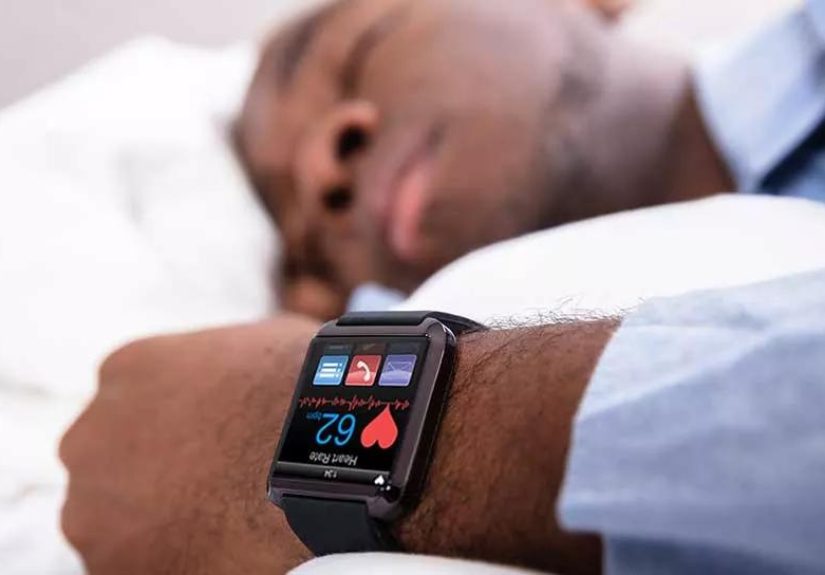
Fitness trackers and smartwatches have made people far more aware of sleeping heart rate, and that can be helpful. Trend data can show whether your overnight heart rate is gradually rising, whether alcohol affects your sleep, or whether training, stress, or illness is changing your recovery.
But wearables are not the same thing as a medical diagnosis. Heart rate variability and other advanced metrics can be useful for trend tracking, yet they are not always calculated the same way across devices and can be tricky to interpret in isolation. One weird number does not equal a crisis. Patterns matter more than single nights.
A good rule is this: use your wearable as a flashlight, not as a cardiologist.
Signs Your Sleeping Heart Rate May Need Attention
Here are situations where it makes sense to talk to a healthcare professional instead of just refreshing your sleep app and hoping for emotional closure:
- Your sleeping heart rate is persistently much higher than your usual baseline.
- You often wake up with a racing heart, chest discomfort, or shortness of breath.
- You notice skipped beats, pounding, fluttering, or irregular rhythms at night.
- Your heart rate drops very low and you also feel dizzy, weak, or faint.
- You snore loudly, gasp, choke, or stop breathing during sleep.
- You wake up unrefreshed even after a full night in bed.
A sleep study may be recommended if a provider suspects sleep apnea or another sleep disorder. These studies can monitor breathing, oxygen levels, brain waves, and heart rhythm overnight, which gives a much clearer picture than consumer tech alone.
How to Support a Healthier Sleeping Heart Rate
The good news is that many of the habits that improve sleep also support healthier cardiovascular function. Not glamorous, maybe. Effective, yes.
1. Aim for Consistent Sleep
Try to keep a regular bedtime and wake time, even on weekends. Your heart likes predictability more than your social calendar does.
2. Prioritize Seven to Nine Hours
Enough sleep is not laziness. It is maintenance. Treat it like charging your phone, except this battery also runs your circulatory system.
3. Cut Late-Night Stimulants and Alcohol
Caffeine late in the day can delay sleep and fragment it. Alcohol may make you drowsy at first, but it often worsens sleep quality and can increase nighttime heart rate later in the night.
4. Exercise Regularly
Regular physical activity can improve cardiovascular fitness and often lowers resting heart rate over time. Just pay attention to timing if intense evening workouts make it harder for you to fall asleep.
5. Manage Stress Before Bed
Breathing exercises, stretching, reading, a warm shower, or quiet music can help downshift the nervous system. Doomscrolling until your pupils glow is not a recognized sleep therapy.
6. Don’t Ignore Snoring and Daytime Fatigue
Loud snoring, choking during sleep, morning headaches, and crushing daytime sleepiness are not personality traits. They may signal sleep apnea and deserve evaluation.
Real-World Experiences: What People Often Notice
The following are composite examples based on common patterns clinicians and sleep experts discuss, designed to show how sleep and heart rate can play out in real life.
The stressed office worker: Someone who normally sleeps well starts waking up at 3 a.m. during a demanding month at work. Their smartwatch shows a higher overnight heart rate than usual, and they wake feeling wired rather than rested. Nothing dramatic happened to the heart itself. The issue was the nervous system staying too activated. Once the workload eased, caffeine was cut back after lunch, and bedtime became more consistent, the overnight heart rate gradually moved closer to baseline again.
The weekend “catch-up” sleeper: Another person sleeps five to six hours on weekdays, then tries to make up for it by sleeping late on weekends. Their wearable shows messy overnight patterns and a morning heart rate that feels unpredictable. This kind of schedule can confuse circadian timing. The body may get some extra rest on the weekend, but it does not fully erase the impact of repeated sleep debt and irregular timing. Often, the better fix is not heroic Sunday sleep. It is a more stable schedule across the whole week.
The athlete with a low nighttime pulse: A runner notices their sleeping heart rate is in the 40s and worries something is wrong. But they feel good, have no dizziness, no fainting, no chest pain, and a doctor has already confirmed good cardiovascular fitness. In this case, a lower sleeping heart rate may simply reflect strong conditioning and efficient cardiac function. This is a great reminder that low numbers are not automatically bad numbers. Context matters.
The person with unrecognized sleep apnea: Someone else sees repeated overnight spikes in heart rate, feels exhausted every morning, and hears from a partner that they snore and sometimes seem to stop breathing. Their numbers are not just random noise. After a sleep evaluation, they are diagnosed with obstructive sleep apnea. Once treatment begins, sleep becomes more continuous, the overnight heart rate looks less erratic, and daytime energy improves. This is one of the clearest examples of how treating sleep can support heart health.
The new parent or shift worker: Fragmented sleep from caring for a baby or working rotating shifts often shows up as a higher overnight heart rate and a lower sense of recovery. The body is constantly being pulled out of deeper sleep, and the heart never fully gets into its steady “maintenance mode.” In these cases, the issue is less about disease and more about sleep architecture getting smashed into tiny pieces. Recovery strategies, naps when possible, and long-term schedule stabilization can help, though admittedly none of that is as easy as saying it out loud.
The anxious tracker-checker: Then there is the person who checks their sleep stats before they even get out of bed, sees one odd spike, and immediately assumes catastrophe. Ironically, the stress of obsessing over sleep can worsen sleep itself. Overnight heart rate is useful information, but it is just one clue. The best interpretation combines trends, symptoms, overall health, and sometimes professional input. Your watch is a data tool, not a crystal ball.
What these experiences have in common is simple: sleep and heart rate are in constant conversation. When sleep is deep, regular, and restorative, the heart usually follows that calmer rhythm. When sleep is fragmented, shortened, or disrupted by apnea, stress, or illness, the heart often shows the strain. Overnight numbers are not there to scare you. They are there to tell a story. The goal is learning how to read it wisely.
Conclusion
Sleep affects your heart rate because sleep changes the balance of your nervous system, the depth of your recovery, and the stress load placed on your body. In healthy sleep, heart rate typically slows during non-REM stages and becomes more variable during REM. In poor or disrupted sleep, that pattern can become noisier, higher, and less restorative.
If your sleeping heart rate is occasionally odd, that may be normal. If it is persistently elevated, highly erratic, paired with symptoms, or tied to snoring and daytime exhaustion, it is worth looking deeper. The heart is not being dramatic. It is giving feedback.
And honestly, that might be the most useful takeaway of all: better sleep is not just about feeling less grumpy before coffee. It is a real part of protecting your heart, one quiet night at a time.