Table of Contents >> Show >> Hide
- What Is Lemon Jelly, Exactly?
- Why This Lemon Jelly Recipe Works
- Ingredients for Lemon Jelly
- Equipment You’ll Want Nearby
- How to Make Lemon Jelly
- How to Tell If Your Lemon Jelly Set Properly
- Common Mistakes to Avoid
- Flavor Variations
- Best Ways to Use Lemon Jelly
- Storage Tips
- Lemon Jelly vs. Lemon Curd vs. Marmalade
- Frequently Asked Questions
- Final Thoughts
- Common Experiences People Have When Making Lemon Jelly
There are two kinds of people in this world: people who love lemon, and people who have not yet met the right lemon recipe. This lemon jelly recipe is for the first group and a conversion tool for the second. It is bright, glossy, sweet-tart, and just fancy enough to make a plain biscuit feel like it got dressed for brunch.
This version is a classic homemade lemon jelly in the preserve sense, not a boxed gelatin dessert pretending to be the star of the table. Think spreadable sunshine made with fresh lemon juice, fragrant zest, sugar, and pectin. The result lands somewhere between marmalade’s citrus swagger and jelly’s smooth elegance. No chewy peel overload, no mystery ingredients, and no need to whisper encouraging words to a saucepanalthough that never hurts.
What Is Lemon Jelly, Exactly?
In American kitchens, lemon jelly usually means a clear or lightly cloudy citrus preserve made from lemon juice, sugar, and a gelling agent such as pectin. Unlike marmalade, which includes more peel and a chunkier texture, lemon jelly aims for a smoother finish. Unlike lemon curd, it does not rely on eggs or butter. And unlike lemon-flavored gelatin desserts, it is designed for toast, scones, thumbprint cookies, cake layers, and the occasional heroic spoonful straight from the jar.
That smooth texture is part of its charm. You get the clean, tart flavor of lemon without a bitter bite from too much peel. It is especially good when you want a citrus spread that feels lively and fresh instead of heavy or sugary.
Why This Lemon Jelly Recipe Works
A good lemon jelly recipe succeeds because it respects the science without turning your kitchen into a chemistry lab. Lemon brings the acid and flavor. Sugar balances the tartness and supports the set. Pectin does the heavy lifting for texture. A quick, full rolling boil ties everything together.
This method also uses a little zest, which is where much of lemon’s perfume lives. That means the jelly tastes more rounded and aromatic, not just sharp and sour. It is the difference between “pleasantly lemony” and “hello, sunshine.”
Ingredients for Lemon Jelly
- 4 fresh lemons
- 1 1/2 cups water
- 4 1/4 cups granulated sugar
- 1/2 of a 6-ounce pouch liquid fruit pectin
That short ingredient list is part of the appeal. Still, every item matters.
Lemons
Use firm, bright lemons with smooth, fragrant skin. Since you need both juice and zest, this is not the moment for sad, shriveled fruit hiding in the bottom drawer of your refrigerator like it owes you money. Fresh lemons give you the cleanest flavor and the best aroma.
Sugar
Sugar is not just there to be sweet. In jelly, it also helps create structure and preserve the finished product. This is why randomly slashing the sugar in a standard recipe often leads to a soft set or a syrupy result. For a lower-sugar version, use a tested low-sugar pectin and follow that specific formula instead of improvising.
Liquid Pectin
This recipe uses liquid fruit pectin, not powdered pectin. That distinction matters. They are not a one-to-one swap, and switching them casually is one of the fastest ways to end up with lemon sauce instead of lemon jelly.
Equipment You’ll Want Nearby
- Microplane or fine zester
- Citrus juicer or reamer
- Heavy-bottomed pot or Dutch oven
- Measuring cups
- Fine-mesh strainer
- Metal spoon for skimming foam
- Hot, sterilized half-pint jars with lids if canning
- Boiling-water canner or deep pot with rack if making shelf-stable jars
A Microplane is especially helpful because it removes the fragrant yellow zest while leaving the bitter white pith behind. That is a tiny detail with a big payoff.
How to Make Lemon Jelly
Step 1: Zest the lemons
Finely zest enough lemon peel to make 1 tablespoon. Zest only the yellow outer layer. The white pith underneath is bitter and will make your jelly taste like a citrus grudge.
Step 2: Juice the lemons
Squeeze the lemons until you have 3/4 cup fresh juice. Combine the juice, zest, and 1 1/2 cups water. Let the mixture stand for about 10 minutes so the zest can infuse the liquid with more lemon flavor.
Step 3: Strain and measure
Strain the lemon mixture through a fine-mesh strainer to remove pulp and zest, then measure out 2 cups of the liquid. This helps keep the texture smooth and consistent.
Step 4: Cook the lemon base
Pour the 2 cups lemon mixture into a heavy pot and add the sugar. Cook over high heat, stirring constantly, until the mixture reaches a full rolling boil that cannot be stirred down. That phrase sounds dramatic, but it matters. A lazy simmer will not get the same result.
Step 5: Add the pectin
Quickly stir in the liquid pectin. Return the mixture to a full rolling boil and boil for 1 minute, stirring constantly. Then remove it from the heat. Skim off any foam with a metal spoon.
That one-minute post-pectin boil is the key moment. Too short, and the set may be weak. Too long, and you can start to break down the pectin you just added. Jelly is not difficult, but it does appreciate punctuality.
Step 6: Jar the jelly
Ladle the hot jelly into hot, sterilized half-pint jars, leaving 1/4-inch headspace. Wipe the rims clean and apply the lids.
Step 7: Process or refrigerate
If you want shelf-stable jars, process them in a boiling-water canner for 5 minutes, starting the timer once the water returns to a full boil. If you are making a refrigerator batch, let the jars cool, then chill them.
How to Tell If Your Lemon Jelly Set Properly
Freshly made jelly always looks a little suspicious right after cooking. It is hot, loose, and gives off “trust the process” energy. That is normal. As it cools, it will thicken.
A properly set lemon jelly should be glossy and spreadable, not rubbery and not runny. It should mound slightly on a spoon and glide onto toast instead of flooding it like a tiny citrus tsunami. If it stays too soft after cooling completely, the most common causes are under-boiling, overcooking the pectin, inaccurate measurement, or changing the sugar ratio.
Common Mistakes to Avoid
Using the wrong pectin
If the recipe calls for liquid pectin, use liquid pectin. Powdered and liquid forms behave differently, and jelly does not reward freestyle chemistry.
Reducing the sugar too much
In standard jelly recipes, sugar supports both texture and preservation. Cut it too far, and you may get a loose set and shorter keeping quality.
Over-zesting the lemons
The yellow outer peel is fragrant. The white pith is bitter. Go too deep, and your “bright citrus preserve” can start tasting like regret.
Overcooking after adding pectin
Once the pectin goes in, the clock matters. A quick, vigorous boil is good. Letting it rumble on forever is not.
Changing canning steps at random
When making shelf-stable preserves, follow tested jar size, headspace, and processing guidance. Canning is not the place for “close enough.”
Flavor Variations
Once you master the basic homemade lemon jelly, you can start playing with flavor. For refrigerator batches, these twists are especially fun:
- Meyer lemon jelly: Slightly sweeter and more floral than standard lemon jelly.
- Lemon-ginger jelly: Add a small amount of fresh ginger for warmth.
- Herb-infused lemon jelly: Steep a little thyme, basil, or mint in the lemon-water mixture, then strain.
- Berry-lemon jelly: Add a small amount of berry puree for color and a softer fruit note.
If you plan to water-bath can the jelly for shelf storage, stick with tested formulas. Flavor experiments are best saved for refrigerator versions unless you are following a recipe specifically developed for those add-ins.
Best Ways to Use Lemon Jelly
Lemon jelly is one of those rare spreads that can bounce from breakfast to dessert without changing outfits.
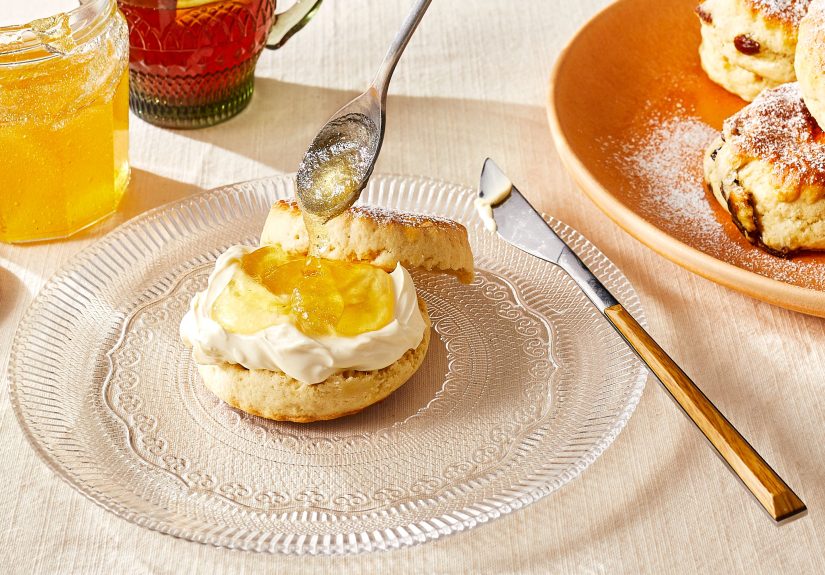
- Spread it on toast, biscuits, English muffins, croissants, or scones
- Use it as a filling for thumbprint cookies
- Brush it over cakes as a glossy glaze
- Swirl it into yogurt or oatmeal
- Pair it with soft cheese on a cracker board
- Spoon it over cheesecake or pound cake
- Warm it slightly and use it as a glaze for chicken or fish
It also makes an unexpectedly good gift. A small jar of lemon jelly feels homemade, thoughtful, and vaguely impressive, even if you made it while wearing pajama pants and pretending you were on a cooking show.
Storage Tips
If the jars are properly processed in a boiling-water canner and sealed correctly, store them in a cool, dark place and aim to use them within 1 year for best quality. Once opened, keep the jar refrigerated and use it within about 1 month.
If you skip the water-bath canning step and make a refrigerator-style batch, store it chilled and use it sooner, generally within about 3 weeks. Labeling jars with the date is one of those boring grown-up habits that suddenly feels brilliant when you find a mystery jar six months later.
Lemon Jelly vs. Lemon Curd vs. Marmalade
These three spreads all live in the citrus universe, but they are not the same thing.
Lemon jelly is smooth, translucent or lightly cloudy, and usually made with juice, sugar, and pectin. Lemon curd is richer and creamier because it uses eggs and butter. Marmalade includes more peel and often has a chunkier, more bitter-sweet personality.
If you want something light and glossy for toast or glazing, go with jelly. If you want a tart dessert filling with richness, choose curd. If you enjoy peel and a more traditional citrus preserve flavor, marmalade is your friend.
Frequently Asked Questions
Can I use bottled lemon juice?
For the best flavor in this recipe, fresh lemon juice wins. It tastes brighter, fresher, and more aromatic. For canning safety, always follow the exact tested recipe you are using.
Can I make lemon jelly without pectin?
Technically, yes. Some lemon preserves rely on natural pectin and longer cooking. But for most home cooks, added pectin makes the recipe faster, easier, and more reliable.
Can I use Meyer lemons?
Yes. Meyer lemons are sweeter and less sharp than regular lemons, so the jelly tastes softer and a little more floral. Just make sure you use the same volume of juice the recipe requires.
Why is my jelly bitter?
The usual culprit is too much pith in the zest or too much peel in the mixture. Zest lightly and use only the yellow outer layer.
Is lemon jelly the same as a gelatin dessert?
No. Gelatin-based lemon jellies do exist in plated desserts and candies, but this recipe is a fruit preserve designed for spreading, spooning, and gifting.
Final Thoughts
A great lemon jelly recipe is proof that simple ingredients can still show off. With just lemons, sugar, water, and pectin, you get a preserve that tastes bright, polished, and versatile enough for breakfast, baking, and dessert. It is easy enough for a motivated beginner but satisfying enough for cooks who enjoy tiny kitchen victories with shiny results.
If you have never made homemade lemon jelly before, start with the classic version. Learn how the boil looks, how the set feels, and how the aroma changes from sharp juice to mellow citrus candy. After that, you can branch out into Meyer lemons, herbs, or refrigerator-only variations. Either way, the reward is the same: a jar full of sunshine that makes ordinary toast feel suspiciously glamorous.
Common Experiences People Have When Making Lemon Jelly
One of the most memorable things about making lemon jelly is how quickly the kitchen changes mood. At first, it feels like a practical little project: wash the lemons, grab the sugar, find the jars, try not to lose the lids. Then the zest hits the bowl, and suddenly the whole room smells bright and clean, like a bakery and a spring day decided to collaborate. Even people who are normally casual about cooking tend to perk up at that stage. Lemon has that effect. It does not quietly enter a room.
Another common experience is mild panic during the boil. New jelly makers often expect a gentle simmer and a calm, elegant transformation. What they get instead is a bubbling pot that looks energetic enough to audition for an action movie. This is where many people wonder whether they have done something terribly wrong. Usually, they have not. A full rolling boil is part of the process. The trick is to keep stirring, keep measuring accurately, and resist the urge to improvise because “it seems close enough.” Jelly hears that kind of talk and becomes syrup out of spite.
There is also the oddly satisfying ritual of skimming foam. It feels unnecessary right up until you do it. Then suddenly you understand. The surface becomes glossy, the color looks prettier, and the whole batch starts to look less homemade in the chaotic sense and more homemade in the enviable, giftable sense. It is a tiny moment, but it makes people feel like they know what they are doing, which is one of the secret pleasures of cooking.
Waiting for the jars to cool is another shared experience. It is a lesson in patience. People check the jars too early. Then they check again ten minutes later, as if the laws of food science might bend under pressure. Eventually, the jelly firms up, and that first tilt of the jar becomes surprisingly dramatic. If it sets well, there is real triumph. If it is a little soft, most people immediately start researching what happened, which is basically the home-cook version of detective work.
Many cooks also discover that lemon jelly becomes more useful than expected. What starts as a toast spread suddenly ends up in thumbprint cookies, on warm biscuits, brushed over a loaf cake, melted into a glaze, or paired with goat cheese on crackers when guests appear. It is one of those recipes that quietly earns permanent-kitchen status. Not flashy, not fussy, just consistently useful and a little charming.
Then there is the emotional part: lemon jelly feels cheerful. Strawberry jam is cozy, grape jelly is familiar, but lemon jelly has personality. It tastes bright. It looks sunny in the jar. It gives off “I have my life together” energy even when you absolutely do not. That may be why so many people love making it as a gift. A jar of lemon jelly feels thoughtful, homemade, and just unusual enough to be memorable. In the end, the experience is not only about preserving fruit. It is about making something vivid, practical, and joyful out of a handful of ordinary ingredients. That is a pretty good deal for four lemons and a saucepan.