Table of Contents >> Show >> Hide
- Why Baked Salmon Is Such a Weeknight Hero
- How to Choose Salmon for Baking
- What You Need for a Great Baked Salmon Recipe
- How to Bake Salmon Step by Step
- How Long to Bake Salmon Without Drying It Out
- The Best Flavor Combinations for Baked Salmon
- Healthy Side Dishes That Make Salmon a Full Meal
- Common Baked Salmon Mistakes to Avoid
- Can You Bake Frozen Salmon?
- How to Store and Reheat Leftover Salmon
- A Simple Go-To Baked Salmon Formula
- Final Thoughts
- Real-Life Kitchen Experiences With Baked Salmon
Some dinners arrive with drama. Baked salmon arrives with a sheet pan, a lemon, and the smug confidence of a meal that knows it can be on the table fast. If you have ever stared into your fridge at 6:17 p.m. wondering whether dinner should be “something responsible” or “a handful of crackers and regret,” salmon is here to save the evening.
Learning how to bake salmon is one of the smartest kitchen skills you can keep in your back pocket. It is quick, flexible, packed with protein, and friendly to healthy meal plans. Better yet, oven baked salmon can go fancy for guests or stay gloriously low-maintenance for a Tuesday night. Dress it up with herbs and citrus, give it a sticky maple glaze, or keep it simple with olive oil, salt, and pepper. It still tastes like you knew exactly what you were doing.
In this guide, you will learn how to choose salmon, season it, bake it at the right temperature, avoid the all-too-common dry fillet tragedy, and turn it into healthy meals in a snap. There is also a practical section at the end with real-life kitchen experiences, because salmon theory is nice, but salmon at dinnertime is better.
Why Baked Salmon Is Such a Weeknight Hero
Baked salmon checks a lot of boxes without acting needy about it. It cooks fast, usually in well under 25 minutes. It is rich and satisfying without feeling heavy. It pairs with almost anything, from roasted vegetables to rice bowls to a simple salad. And because salmon is naturally flavorful, you do not need a long ingredient list to make it taste good.
That is part of the magic. A chicken breast often asks for marinades, brines, pep talks, and a close eye. Salmon just asks that you do not overcook it. Treat it kindly, and it will reward you with tender flakes, a buttery texture, and the kind of meal that feels much fancier than the effort involved.
It is also a strong pick for healthy eating. If you are trying to build meals around quality protein, heart-smart fats, and produce-heavy sides, baked salmon fits right in. It feels wholesome without tasting like a compromise, which is honestly the dream.
How to Choose Salmon for Baking
Fillets vs. a Whole Side
If you are cooking for one to four people, fillets are the easiest option. They cook quickly, portion neatly, and make timing simple. If you are feeding a group, a whole side of salmon is efficient, impressive, and still surprisingly easy to bake.
Skin-On vs. Skinless
Skin-on salmon is usually the safer bet in the oven. The skin acts like a protective layer between the fish and the hot pan, which can help the flesh stay moist. You do not have to eat the skin if that is not your thing, but baking with it can improve the final texture.
Fresh or Frozen
Fresh salmon is great, but frozen salmon is not a kitchen downgrade. It can be excellent, convenient, and often more budget-friendly. Just thaw it safely in the refrigerator if you can. If you forget, do not panic. You can bake salmon from frozen too, though it usually needs more time.
What to Look For
Choose salmon that looks moist and vibrant, not dull or dried out around the edges. If it smells aggressively fishy, back away slowly like it just told a weird joke. Good salmon should smell fresh and clean. Thickness matters too. A center-cut fillet that is fairly even in size will bake more evenly than a piece that goes from paper-thin on one end to brick-thick on the other.
What You Need for a Great Baked Salmon Recipe
The beauty of an easy baked salmon recipe is that the ingredient list can stay short. Here is the core lineup:
- Salmon fillets or a whole side of salmon
- Olive oil or melted butter
- Kosher salt and black pepper
- Lemon juice or lemon slices
- Optional flavor boosters like garlic, dill, parsley, paprika, Dijon mustard, honey, or soy sauce
That is enough to build a reliable dinner. From there, you can go classic, sweet-savory, herby, spicy, or a little Mediterranean if you are feeling breezy and elegant.
How to Bake Salmon Step by Step
1. Preheat the Oven
If you want one easy default, use 400°F. It is the Goldilocks zone for many home cooks: hot enough to cook salmon fairly quickly, but not so intense that it dries out before dinner even gets a chance. That said, there is more than one good temperature. Plenty of recipes use 375°F, 425°F, or even a lower slow-roast approach around 275°F to 300°F.
Here is the practical shortcut: use 400°F for most standard fillets, 425°F when you want a slightly quicker roast and more browning, and 350°F to 375°F if your salmon has a sugary glaze that could darken too fast.
2. Prep the Pan
Line a baking sheet or baking dish with parchment paper or foil for easier cleanup. This step is not glamorous, but future-you will appreciate it when the sink is not auditioning for a disaster movie.
3. Pat the Salmon Dry
Use paper towels to blot excess moisture from the surface. Dry salmon seasons better and roasts more cleanly. Put the salmon skin-side down on the pan if it has skin.
4. Season It
Rub or drizzle with olive oil, then season with salt and pepper. Add lemon slices, minced garlic, fresh herbs, or a glaze if you like. For a no-fail flavor combo, try olive oil, garlic, lemon zest, lemon juice, and dill. It is bright, simple, and tastes like you have your life together.
5. Bake Until Just Done
This is where people get nervous, but it is easier than it looks. Salmon is done when it flakes easily, turns opaque, and reaches the right internal temperature in the thickest part. If you are using a food thermometer, cook fish to 145°F. If you prefer texture a little more tender and silky, many home cooks pull it slightly earlier and let residual heat finish the job, but for food safety, 145°F is the official target.
General baking times for fillets:
- At 350°F: about 20 to 25 minutes
- At 375°F: about 15 to 20 minutes
- At 400°F: about 12 to 18 minutes
- At 425°F: about 10 to 14 minutes
Those numbers depend on thickness. A thick center-cut fillet may need a few more minutes. A skinny tail piece may be done before you finish setting the table. The best rule is simple: watch the fish, not just the clock.
6. Let It Rest Briefly
Give baked salmon a couple of minutes before serving. This helps the juices settle and makes the fish easier to portion. Finish with fresh herbs, cracked pepper, or a squeeze of lemon if you want it brighter.
How Long to Bake Salmon Without Drying It Out
If you remember only one thing from this article, let it be this: salmon goes from perfect to disappointing faster than you think. The line between juicy and dry can be just a couple of minutes wide.
To keep oven baked salmon moist:
- Choose evenly thick pieces when possible
- Do not skip the oil or butter
- Bake skin-side down
- Use foil or parchment for gentler cooking
- Check early rather than late
- Use an instant-read thermometer if you want maximum confidence
Another good trick is baking salmon in foil or parchment. This traps moisture, helps flavors stay close to the fish, and is especially useful if you are cooking a larger piece. It is the culinary equivalent of putting a cozy blanket over dinner.
The Best Flavor Combinations for Baked Salmon
One reason baked salmon stays in heavy weeknight rotation is that it can wear many different flavor outfits without complaint. Here are a few that work beautifully:
Lemon Garlic Herb
Olive oil, garlic, lemon juice, parsley, and dill. Fresh, reliable, and impossible to dislike.
Honey Mustard
Dijon mustard, a little honey, garlic, and black pepper. Sweet, tangy, and excellent for people who claim they are “not huge fish people.”
Maple Soy
Maple syrup, soy sauce, garlic, and a little ginger. This version brings bold flavor and a glossy finish.
Spicy Chili Lime
Olive oil, lime juice, chili powder, paprika, and a pinch of cayenne. Great in tacos, bowls, or with roasted vegetables.
Mediterranean Style
Olive oil, oregano, lemon, cherry tomatoes, capers, and sliced red onion. It looks cheerful and tastes even better.
Healthy Side Dishes That Make Salmon a Full Meal
If the goal is delicious and healthy meals in a snap, the side dishes should pull their weight without adding chaos. Good salmon sides are simple, colorful, and fast:
- Roasted broccoli or asparagus
- Green beans with lemon
- Brown rice or quinoa
- Sweet potatoes
- Cucumber salad
- Arugula or mixed greens with vinaigrette
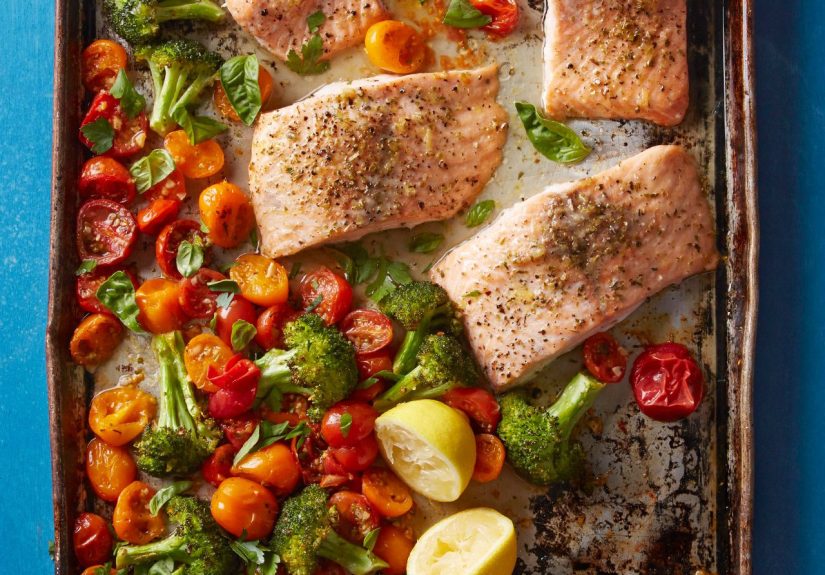
- Sheet-pan vegetables cooked alongside the fish
If you want the laziest smart dinner move, put salmon on one side of a sheet pan and vegetables on the other. Season both, roast, and call it a balanced meal. It is efficient, healthy, and suspiciously close to being organized.
Common Baked Salmon Mistakes to Avoid
Overcooking
This is the big one. Dry salmon is usually not a seasoning issue. It is a timing issue. Start checking earlier than you think you need to.
Using Too Much Sugar in a High-Heat Bake
Sweet glazes are delicious, but if the oven is too hot, the outside can darken before the fish cooks through. Lower the temperature slightly or add the glaze partway through.
Skipping the Drying Step
Wet fish can steam rather than roast. Patting it dry helps improve texture and keeps seasonings where they belong.
Forgetting About Thickness
The question is not just “how long to bake salmon?” It is “how thick is this particular piece?” Thin tail portions cook quickly. Thick center cuts need more time.
Trying to Judge Doneness by Color Alone
Color can be misleading. Use flaking, opacity, and preferably a thermometer for the most reliable result.
Can You Bake Frozen Salmon?
Yes, you can. Frozen salmon is a real weeknight lifesaver. It usually works best if you start it covered so it can thaw and cook gently, then uncover it to finish. Expect it to take longer than thawed fish. You may also want to season once the surface softens a little, so the flavors stick better.
This is especially handy for busy households because frozen fillets let you skip the “Oops, I forgot to thaw dinner” spiral. It happens to everyone. Even the people with labeled pantry jars.
How to Store and Reheat Leftover Salmon
Leftover baked salmon is useful, but it needs gentle treatment. Store it in a shallow, airtight container in the refrigerator and eat it within a few days. Cold salmon can be excellent on salads, in grain bowls, or tucked into wraps. Reheated salmon is fine too, but keep the temperature low so it does not dry out.
Try reheating it in a low oven, loosely covered, just until warmed through. Or skip reheating altogether and flake it over greens with a lemony dressing. That move feels intentional, even if it started as leftovers.
A Simple Go-To Baked Salmon Formula
If you want a baseline method you can memorize, here it is:
- Heat oven to 400°F.
- Line a pan with parchment or foil.
- Pat dry 4 salmon fillets.
- Brush with olive oil.
- Season with salt, pepper, garlic, and lemon.
- Bake 12 to 15 minutes, depending on thickness.
- Check for flaking and temperature.
- Finish with herbs and serve.
That is your baked salmon recipe foundation. Once you know it, you can improvise without fear. Add Dijon one night, maple-soy the next, or scatter cherry tomatoes and herbs around the pan when you want a little restaurant energy at home.
Final Thoughts
Knowing how to bake salmon gives you one of the most useful healthy dinner skills in your kitchen. It is fast enough for hectic evenings, flexible enough for different flavor moods, and satisfying enough to feel like a real meal instead of a nutritional compromise. Whether you are meal prepping, cooking for family, or simply trying to eat better without spending an hour over the stove, oven baked salmon is a smart answer.
Start simple. Use good salmon, a hot oven, a little oil, and a close eye on timing. Once you nail that, the rest is just flavor play. In other words, dinner gets easier from here.
Real-Life Kitchen Experiences With Baked Salmon
The most useful thing about baked salmon is not that it looks pretty on a platter, though it certainly can. It is that it performs well in real kitchens, with real schedules, and very real levels of weekday exhaustion. One of the first experiences many home cooks have with salmon is surprise. You expect it to be fussy. Then you bake it once, realize it came together in less time than it takes to decide on takeout, and suddenly salmon becomes part of the regular dinner rotation.
A common experience is discovering that simple beats complicated. People often start with an ambitious marinade, six spices, fresh herbs, and a side dish plan worthy of a holiday table. Then life intervenes. The version that actually sticks is usually the easy one: olive oil, salt, pepper, lemon, 400°F, and twelve-ish minutes in the oven. It tastes fresh, it feels healthy, and it does not require a personality change to pull off.
Another familiar moment happens when someone overcooks salmon the first time and assumes they are bad at fish. They are not. They just learned the universal salmon lesson the hard way: fish keeps cooking a little after it comes out of the oven. Once people start checking early and paying attention to thickness, confidence rises fast. The second or third try is usually the turning point. That is when the salmon comes out tender and flaky, and suddenly they are texting someone a photo like they just won a tiny domestic award.
Families also tend to appreciate how adaptable baked salmon is. Adults may want herbs, mustard, capers, and lemon. Kids may want a plain fillet with rice and roasted carrots. One pan can do both. That flexibility is a big reason salmon stays practical. It works for picky eaters, higher-protein meal plans, low-fuss entertaining, and meal prep lunches that do not feel sad by noon the next day.
There is also the meal-prep experience, which deserves respect. A batch of baked salmon can become several different meals without tasting repetitive. One night it is served hot with vegetables. The next day it shows up cold over salad with cucumbers and avocado. After that, it gets tucked into a grain bowl with brown rice and a yogurt-dill sauce. It is rare for one protein to move through the week with this much range and this little drama.
People who entertain often discover that a side of baked salmon is secretly a host’s best friend. It looks elegant, frees up stovetop space, and does not demand minute-by-minute attention. You can slide it into the oven, toss together a salad, and still have time to pretend you are the kind of person who always has candles lit for dinner.
In the end, the experience of baking salmon is usually the same: it starts as a “maybe I should try this” meal and quickly becomes a “why didn’t I make this sooner?” meal. It is reliable, healthy, quick, and pleasantly forgiving once you understand the basics. And in a world full of overcomplicated dinner advice, that kind of kitchen win is worth keeping.