Table of Contents >> Show >> Hide
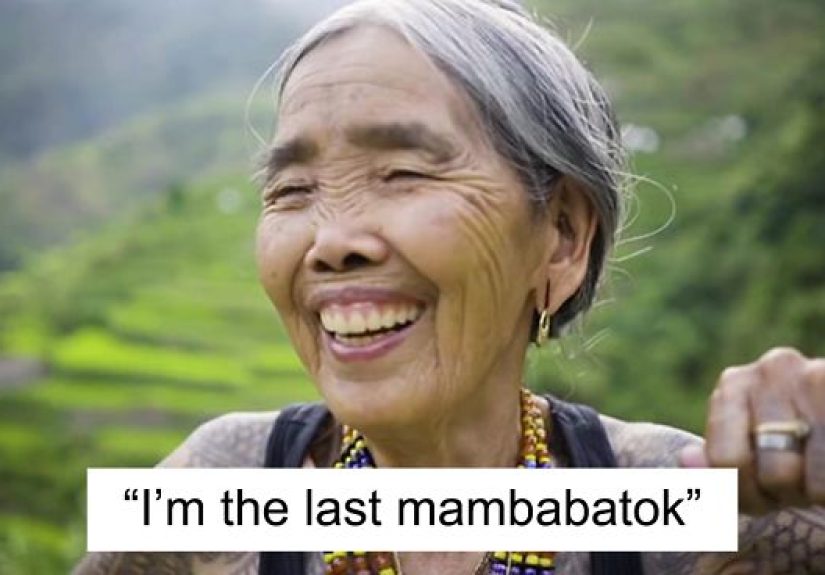
Some stories arrive wearing a flashy headline like a sequined jacket. This one earns it. But once you step past the age and the internet-sized awe, the real story gets richer, older, and far more interesting. In the mountains of Kalinga in the northern Philippines, Apo Whang-Od has become the face of batok, a hand-tapped tattoo tradition that carries memory, identity, beauty, and ancestral pride in every mark. She is often described as the last traditional mambabatok of her generation, but that phrase only tells half the tale. The fuller version is better: she is not simply the final keeper of an old custom, but the bridge between a nearly vanished practice and a new generation determined to keep it alive.
That matters because this is not a story about trend-chasing ink, influencer aesthetics, or the kind of tattoo you get at 2 a.m. and later explain to your mother with a very creative backstory. This is about a living cultural archive. Every tap of thorn to skin belongs to a tradition shaped by ritual, kinship, and survival. And in an age when everything can be copied, filtered, merchandised, and flattened into content, the stubborn endurance of an ancestral tattoo practice feels almost rebellious.
More Than a Viral Legend
Apo Whang-Od’s global fame can make her sound almost mythical, but the reason her story travels so far is simple: it compresses history into one person’s hands. She learned the Kalinga art of tattooing when she was young, under the guidance of her father, and went on to become a rare woman in a role once associated with inherited expertise and strict custom. That alone would make her remarkable. What makes her unforgettable is that she kept working while the world around her changed its clothes, its values, and its definitions of beauty.
For many outsiders, she is the tattoo elder from Buscalan. For her community, she represents continuity. In older Kalinga traditions, tattoos were not casual accessories. They signified courage, status, attractiveness, maturity, and social belonging. Men could earn tattoos linked to warriorhood and protection. Women’s tattoos also carried social and aesthetic meaning. Skin was not just skin. It was biography, reputation, prayer, and public record.
That makes modern fascination with Whang-Od both understandable and a little funny. People cross mountains, sleep in packed homestays, and line up for hours for a few marks that take minutes to finish. Some want heritage. Some want symbolism. Some, let’s be honest, want the coolest conversation starter in their friend group. Yet even when motives vary, the magnetism remains the same: visitors are drawn to the sense that this is not manufactured authenticity. It is the real thing, still breathing.
What Batok Actually Preserves
When people say Whang-Od preserves an “ancient tattoo tradition,” the phrase can sound vague, like something printed on a tourism brochure next to a sunset. But batok preserves several things at once. It preserves technique. It preserves symbol. It preserves worldview. And maybe most importantly, it preserves the idea that the body can carry culture without needing translation.
The traditional method is famously handmade and rhythmic. The tattoo is applied through a hand-tapped process using simple tools and natural materials, including a thorn, a stick, and pigment made from soot or charcoal. The result is not slick, machine-perfect modern tattooing. It is tactile, measured, and intensely human. You can almost hear the method before you fully see it: tap, tap, tap, like history knocking politely and then refusing to leave.
Traditional designs also carry meaning beyond ornament. Some motifs are associated with protection, travel, strength, fertility, or social achievement. Others reflect animals, patterns from the natural world, or cosmological beliefs. Even when visitors today choose simplified designs, the visual language still echoes an older moral and spiritual map.
Why the Tradition Nearly Disappeared
If Whang-Od’s story feels heroic, that is because the tradition did not survive by accident. Indigenous tattooing in the Philippines faced pressure from colonial influence, missionary ideas, modernization, and the imported belief that visibly indigenous bodies needed to be disciplined into respectability. Once tattooed skin became associated with shame, backwardness, or rural life, transmission weakened. Practices that once shaped communal identity started to look, through a colonized lens, like something to hide.
That shift is one of the most revealing parts of the entire story. A tradition does not always disappear because it loses meaning. Sometimes it disappears because outside systems teach people to feel embarrassed by their own inheritance. That is why the revival of batok carries so much emotional charge, especially for younger Filipinos and members of the diaspora. It is not only about reviving a visual art. It is about reversing an old insult.
In that sense, Whang-Od’s work has become larger than tattooing. It has come to symbolize cultural memory surviving the long, awkward pressure of colonial taste. And frankly, colonial taste has ruined enough things already.
From Sacred Marking to Global Pilgrimage
Over the past decade and a half, Whang-Od’s reputation has expanded dramatically. Travelers, photographers, documentary makers, journalists, and tattoo enthusiasts have turned Buscalan into a destination. The growth brought visibility, income, and renewed interest in Kalinga tattoo culture. It also brought crowds, commercialization, and a predictable modern problem: how do you protect a sacred practice once the internet discovers it?
This is where the story gets deliciously complicated. Tourism has helped create economic opportunity in the village and encouraged younger people to learn the craft. It has also turned a deeply meaningful indigenous art into something that can, at times, look dangerously close to a bucket-list souvenir. Both things can be true. Preservation and performance can sit in the same room, glaring at each other across the table.
Whang-Od’s visibility reached another level when she became a global fashion and culture symbol, appearing in coverage that introduced her to audiences far beyond the tattoo world. That recognition mattered because it widened the frame. She was no longer being treated merely as a curiosity from a remote place, but as a cultural figure whose art, endurance, and identity deserved international attention.
She Is Not Just “The Last”
The most important corrective to the popular headline is this: Whang-Od is best understood not as the end of a line, but as the elder who made continuation visible. She has trained younger relatives, especially Grace Palicas and Elyang Wigan, who have become central to the living future of batok. Other younger women in Buscalan have also taken up the craft by observing, practicing, and participating in its renewal.
That changes the emotional tone of the story completely. The tradition is not frozen in amber. It is evolving, which is what living traditions do when they refuse to die politely. Whang-Od may be the last great master of her generation, but the practice itself is not a museum relic. It is moving forward through kinship, adaptation, and demand.
Still, there is a difference between survival and easy survival. The younger tattooists inherit both an art and a burden. They must continue a tradition that now exists under global scrutiny. They are expected to be accessible but authentic, entrepreneurial but respectful, visible but not overexposed. That is a hard tightrope to walk, especially when outsiders often want the romance of ancient culture without the discipline of understanding it.
The Ethics of Admiration
Any serious article on this subject has to wrestle with the ethics. Admiration can easily slide into consumption. Respect can be loudly declared and quietly undercut. A culture bearer can become a brand before anyone notices what has been lost in the translation.
Whang-Od’s fame has helped preserve awareness of Kalinga tattooing, but it has also sparked larger debates about consent, ownership, Indigenous intellectual property, and the line between celebration and exploitation. Those debates are not side notes. They are central to understanding why the story resonates so strongly. People are not only responding to the beauty of the tattoos. They are responding to a larger question: who gets to profit from living heritage, and under what terms?
The best answer begins with humility. Ancient traditions are not raw material for anyone with a camera, a platform, or a business plan. They belong first to the communities that created, carried, and protected them. If the world wants to admire Whang-Od, the world should also learn something from the care required to honor her properly.
Why the Story Hits So Hard
There is a reason people find this story moving even if they have never considered getting tattooed. It is not just about age. It is about endurance without bitterness. It is about one elder carrying an entire visual language through decades that could have erased it. It is about seeing proof that tradition does not always disappear when modernity arrives with its gadgets, branding decks, and exhausting confidence.
For many readers, especially younger ones, Whang-Od’s story offers a different image of relevance. In a culture obsessed with novelty, she represents authority built slowly. In a media environment that rewards reinvention, she embodies continuity. In a beauty economy that often worships the new, she quietly demonstrates that meaning ages better than trend.
That is probably why her story keeps resurfacing. It gives people a rare feeling: the sense that something old is not merely surviving, but still setting the standard.
Experiences Around the Tradition: What People Really Carry Home
One of the most compelling experiences connected to Whang-Od’s story is not the tattoo itself, but the emotional shift that happens before and after it. People often arrive expecting an extreme travel moment, the kind of thing that sounds great in a caption. What they encounter instead is a slower, heavier feeling. The village setting, the waiting, the visible age of the artist, the hand-tapped rhythm, the simplicity of the tools, and the awareness that this practice predates modern tattoo fashion by generations all work together to change the mood. It stops feeling like a novelty and starts feeling like an encounter with continuity.
There is also the experience of discomfort, and that matters. Not just physical discomfort, though hand-tapped tattooing is hardly a spa treatment with a playlist and cucumber water. The deeper discomfort is ethical and emotional. Visitors often find themselves asking whether they are witnessing preservation, participating in it, or turning it into spectacle. That tension can be productive. It forces people to think beyond aesthetics and consider their position in the story.
For members of the Filipino diaspora, the experience can be even more layered. A traditional tattoo may feel like a return route to ancestry, especially for people raised far from the languages, landscapes, and rituals of their elders. The mark can become a way to wear history instead of merely reading about it. That does not make every tattoo automatically profound, of course. Some people still chase symbols the way others collect fridge magnets. But for many, the experience is genuinely intimate. They leave with more than ink. They leave with questions about family, heritage, and what it means to reconnect responsibly.
Even those who never get tattooed often describe the strongest memory as watching the process itself. The tapping creates a kind of concentration in the air. There is no buzzing machine, no sleek studio theater, no illusion that technology is doing the meaningful work. It is one person, one body, one set of inherited gestures. In a world built on speed, that slowness feels radical.
Then comes the afterlife of the experience. The tattoo heals, but the story around it keeps changing. People explain it to friends, defend it online, research the tradition more deeply, or rethink what cultural respect really requires. In that sense, the experience does not end in Buscalan or with a bandage. It continues wherever the wearer goes. The body becomes a conversation starter, yes, but ideally also a conversation starter with a conscience.
That may be the most powerful experience of all: realizing that an ancient tradition can leave a mark even on those who never receive the tattoo. It can change how they think about heritage, authorship, beauty, and time. And that is a much harder thing to fade than ink.
Conclusion
“This 103 Y.O. Is The Last To Preserve Ancient Tattoo Tradition” works as a headline because it promises a marvel. The truth is even better than the click-worthy version. Apo Whang-Od matters not simply because she is old, rare, or famous, but because she has carried a cultural language through a century of disruption and made the world pay attention without diluting its roots. Her legacy lives in the marks she made, the apprentices she taught, and the conversations she forced into the open about preservation, respect, and belonging.
If there is a lesson here, it is not that ancient traditions survive because the world finally notices them. They survive because someone refused to let them go silent. Whang-Od did that. And thanks to the people learning after her, the rhythm of batok is not ending. It is still tapping forward.