Table of Contents >> Show >> Hide
- Start With the Couch’s Cleaning Code
- What You Need to Clean a Couch Properly
- How to Clean a Couch Step by Step
- How to Clean Different Couch Materials
- How to Remove Common Couch Stains
- Can You Steam Clean a Couch?
- How Often Should You Clean a Couch?
- Common Couch-Cleaning Mistakes to Avoid
- When to Call a Professional
- The Bottom Line
- Real-Life Experiences and Lessons From Cleaning Couches the Right Way
Your couch works hard. It hosts movie nights, sneaky afternoon naps, snack crumbs, pet hair tumbleweeds, and at least one mystery stain that appeared like it paid rent. So when it starts looking dull, smudged, or a little too “lived in,” the solution is not to attack it with the first spray bottle under the sink and hope for the best.
The right way to clean a couch is part detective work, part restraint, and part good old-fashioned elbow grease. Different upholstery materials need different care. Some fabrics love a light water-based cleanup. Others act like water is their sworn enemy. Leather has its own rules. Microfiber has opinions. And overwetting a sofa can create more problems than the original spill ever did.
This guide breaks down how to clean a couch safely, thoroughly, and without turning your living room centerpiece into a soggy regret. Whether you are dealing with everyday dust, pet smells, greasy armrests, or a fresh spill that just landed with dramatic timing, here is how to do it right.
Start With the Couch’s Cleaning Code
Before you clean anything, check the tag. This is the part many people skip, then later wonder why the cushion looks like it went through an emotional crisis.
Look under the seat cushions, underneath the sofa, or near the platform. Most upholstered couches include a cleaning code that tells you what method is safe.
What the upholstery codes mean
- W: Use water-based cleaners.
- S: Use solvent-based cleaners only. Avoid water.
- WS or SW: Water-based or solvent-based cleaners may be used.
- X: Vacuum only, or have it professionally cleaned.
If the tag is missing, do not go rogue. Test any product on a hidden area first, such as the back corner or the underside of a cushion. Wait for it to dry completely before deciding whether it is safe to use across the whole couch.
What You Need to Clean a Couch Properly
You do not need a truck full of specialty gear. In most cases, a smart basic kit is enough.
- Vacuum with upholstery and crevice attachments
- Soft-bristle brush
- White microfiber cloths
- Mild dish soap
- Warm water
- Baking soda
- Approved upholstery cleaner or solvent cleaner, depending on the fabric code
- Small bowl or spray bottle
- Fan for faster drying
Use white cloths rather than colored ones. That is not your grandma being dramatic. Dye from colored towels can transfer onto damp upholstery, and then suddenly your beige sofa has a pink personality.
How to Clean a Couch Step by Step
1. Remove cushions and loose debris
Take off all removable cushions and pillows. Check whether any removable covers are machine washable and follow the label exactly if they are. Then clear away obvious debris: coins, popcorn kernels, pet toys, pens, receipts from 2024, the usual.
2. Vacuum thoroughly
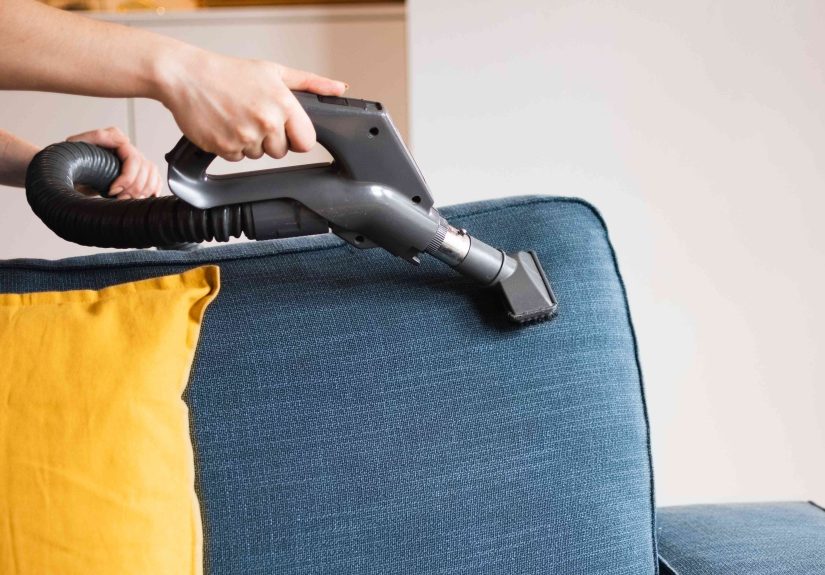
Vacuum every surface of the couch, including under the cushions, along seams, behind the back cushions, and down in the crevices. This step matters more than people think. Dirt and grit act like tiny abrasives and can wear down fibers over time. A couch that is vacuumed regularly usually needs less aggressive deep cleaning later.
If you have pets, go slowly. A brush attachment, lint roller, or even slightly damp rubber gloves can help lift stubborn fur before vacuuming.
3. Deodorize before wet cleaning
If the couch smells a little funky but does not have a visible stain, sprinkle a light layer of baking soda over the upholstery and let it sit for about 15 to 30 minutes. Then vacuum it up. This can help absorb surface odors before you move on to spot cleaning.
4. Treat stains the smart way
For fresh spills, blot immediately. Do not rub. Rubbing pushes the spill deeper into the fibers and spreads the stain into a larger, meaner version of itself.
Use a clean, dry cloth first to absorb as much liquid as possible. After that, choose your stain treatment based on the fabric code and the kind of stain you are facing.
5. Clean from the outside in
When spot cleaning, work from the outer edge of the stain toward the center. This helps prevent rings and keeps the stain from spreading. Use a light hand. The goal is to lift the mess, not punish the fabric.
6. Avoid soaking the fabric
This is one of the biggest couch-cleaning mistakes. Too much moisture can sink into the padding and lead to lingering odors, water marks, mildew, or mold. Your sofa should get damp, not drenched. Think “light mist” and “barely damp cloth,” not “small indoor monsoon.”
7. Let it dry completely
Open windows, turn on fans, and give the couch time to dry fully before putting the cushions back. Sitting on a damp sofa is a terrible idea for both comfort and fabric health. Once dry, give it another quick vacuum or light brush to restore the nap and fluff the fibers.
How to Clean Different Couch Materials
Fabric couches
For most W and WS fabric couches, mix a small amount of mild dish soap with warm water. Dip a microfiber cloth into the solution, wring it out very well, and gently blot or wipe the fabric. Follow with a second cloth lightly dampened with plain water to remove residue, then blot dry.
If you prefer a store-bought upholstery cleaner, choose one designed for your fabric type and always spot-test it first. For heavily used family-room sofas, a portable upholstery cleaner can work well, but use it sparingly and avoid overwetting.
Microfiber couches
Microfiber can be wonderfully durable, but it is not one-size-fits-all. Some microfiber couches are S-coded and need solvent-based cleaners, while others may allow water-based cleaning. Check the tag first.
After cleaning, the fabric may dry stiff or show water marks. A soft brush can help lift and restore the texture once the area is completely dry. Go gently so you do not rough up the fibers.
Leather couches
Leather is a different animal. Start by vacuuming crumbs and dust from seams using a soft brush attachment. Then wipe the surface with a barely damp microfiber cloth. For routine cleaning, less is usually more.
If the leather needs extra help, use a cleaner specifically made for leather. Avoid soaking it, and do not use harsh household cleaners. For oily spots, absorb first rather than scrubbing aggressively. Leather also benefits from occasional conditioning, which helps keep it from drying out or cracking.
Delicate fabrics and X-coded couches
If your couch is coded X, do not use water or solvent products unless the manufacturer specifically says otherwise. Vacuum only, and call a professional for stains or deep cleaning. The same caution applies to especially delicate materials such as silk blends, antique upholstery, or unfinished leather.
How to Remove Common Couch Stains
Food and drink spills
Blot up the spill right away. For water-safe fabrics, use a tiny amount of mild soapy water on a cloth and dab the stain. Rinse the area with another lightly damp cloth and blot dry. Coffee, juice, and soda are much easier to remove when tackled quickly.
Grease or body oils
Greasy armrests and headrests are common because couches are basically magnets for skin oils and hair products. For fabric upholstery, use the appropriate cleaner for the code and blot repeatedly instead of scrubbing. On leather, use a leather-safe cleaner and wipe gently. For fresh oily spots, an absorbent powder like baking soda or cornstarch can help pull up residue before cleaning.
Pet accidents
First, blot up as much liquid as possible. Then use a cleaner appropriate for the upholstery code. If odor remains, an enzyme-based upholstery cleaner may help break down the organic residue. Avoid masking the smell with heavy fragrance before the source is actually cleaned.
Unknown mystery stains
If you have no clue what caused the stain, welcome to couch ownership. Start with the gentlest safe method for the fabric code, test in a hidden spot, and work slowly. Randomly stacking five cleaning products on the same patch is not a strategy. It is a chemistry experiment with poor odds.
Can You Steam Clean a Couch?
Sometimes, yes. Sometimes, absolutely not.
Steam cleaning can be useful for some water-safe upholstery, especially when you want to freshen fabric and lift embedded grime. But it should only be used if the manufacturer’s care instructions allow it. Some fabrics can water-spot, shrink, distort, or weaken when exposed to too much heat and moisture. Steam is also risky around glued details, embellishments, and certain delicate fibers.
If you do steam clean a couch, pre-vacuum first, treat visible stains beforehand, work in small sections, keep the tool moving, and never leave the fabric wet. Good airflow is essential during drying.
How Often Should You Clean a Couch?
A couch does not need a full spa day every weekend, but it does need routine maintenance.
- Weekly: Light lint removal and quick crumb pickup for high-traffic households
- Monthly: Thorough vacuuming, especially if you have pets or kids
- As needed: Immediate spot treatment for spills and stains
- Once or twice a year: Deeper cleaning, depending on use and fabric type
If your couch is in a formal room that rarely sees action, you can clean less often. If it serves as a snack bar, dog bed, work station, and weekend nap headquarters, you will need a more regular schedule.
Common Couch-Cleaning Mistakes to Avoid
- Skipping the care tag
- Using too much water
- Rubbing instead of blotting
- Applying harsh cleaners without spot testing
- Ignoring odors until they become part of the décor
- Using colored rags that may bleed dye
- Putting cushions back before everything is dry
Most couch-cleaning disasters are not caused by laziness. They are caused by impatience. Slow, controlled cleaning usually beats aggressive scrubbing every time.
When to Call a Professional
Sometimes the right move is knowing when not to DIY. Call a pro if:
- The couch is X-coded
- The upholstery is delicate, vintage, silk-blend, or suede
- The stain has set for a long time
- There is widespread soiling, heavy odor, or possible mold
- You tried a safe method and the stain still will not budge
Professional upholstery cleaners have tools and cleaning solutions that can go deeper while still matching the material. That can be worth it for expensive sofas, heirloom furniture, or situations where the couch smells like something went very wrong and stayed that way.
The Bottom Line
If you want to clean a couch the right way, the secret is not fancy products or viral hacks. It is reading the cleaning code, vacuuming thoroughly, treating stains gently, using the least moisture necessary, and respecting the material you are working with. In other words, clean smarter, not harder.
A well-cared-for couch looks better, smells better, and lasts longer. It also saves you from the deeply humbling experience of apologizing to your own sofa after making a stain worse. Start with the tag, go step by step, and your couch can stay fresh without drama.
Real-Life Experiences and Lessons From Cleaning Couches the Right Way
One of the most common couch-cleaning experiences happens after a totally ordinary evening. Someone eats pizza on the sofa, a little grease lands on the arm, and nobody notices until the next morning when the spot has settled in like it has signed a lease. In real homes, this is where people often make their first mistake: they scrub hard, use too much soap, and create a larger discolored patch. The better lesson is simple. Greasy stains need patience, not panic. Blot first, absorb what you can, then use the right cleaner for the upholstery code.
Another classic experience is the “I thought this was washable” moment. Plenty of people assume that if a couch feels sturdy, it can handle a bucket of water and a heavy-handed deep clean. But couches are not gym towels. A fabric sofa can look fine on the surface and still hide too much moisture in the cushion core. That is why some people report that the couch seemed clean at first, then smelled musty a day later. The smell is often a clue that the fabric dried slower than expected. Better airflow, less liquid, and smaller sections usually solve that problem.
Homes with kids and pets bring a completely different set of couch experiences. The issue is not one dramatic stain. It is constant low-grade chaos: sticky fingerprints, pet fur in the seams, snack dust under the cushions, and that one seat everyone uses until the fabric starts looking a shade darker than the rest. In these homes, the most effective strategy is not heroic deep cleaning once a year. It is routine maintenance. A quick monthly vacuum, immediate blotting of spills, and occasional odor treatment with baking soda go a long way. The couch stays manageable because the mess never gets a chance to become legendary.
Leather couches create their own learning curve. Many people love leather because it seems easy to maintain, and in some ways it is. Crumbs do not sink in as deeply, and a soft cloth can handle everyday dust. But a common real-world mistake is treating leather like plastic and soaking it with random spray cleaners. That can leave the surface dull, streaky, or overly dry. People who get the best results with leather usually keep the method boring: vacuum gently, wipe with a barely damp cloth, use a leather-safe cleaner when needed, and condition it from time to time. Not exciting, but very effective.
Then there is the experience of cleaning a thrifted or secondhand couch. This is where caution becomes your best friend. A secondhand sofa may not come with a visible tag, and the fabric history can be a complete mystery. In those cases, experienced cleaners usually start slow: vacuum everything, deodorize lightly, test one hidden area, and resist the temptation to soak the whole piece in hopes of a dramatic transformation. The truth is that couches respond better to steady, careful cleaning than to a makeover montage. The biggest lesson from real households is that couch cleaning works best when it is practical, consistent, and just a little humble. Your sofa does not need miracles. It needs the right method.