
Table of Contents >> Show >> Hide
- Why Sports Bar Wings Taste So Good
- Start With the Right Chicken Wings
- The Crispy Wing Formula: Dry Skin, Salt, Airflow, Heat
- The Best Oven Method for Crispy Chicken Wings
- How to Make Air Fryer Chicken Wings
- How to Grill Chicken Wings Like a Backyard Legend
- Should You Fry Chicken Wings?
- The Right Internal Temperature for Wings
- How to Build Better Wing Sauces
- When to Sauce Chicken Wings
- Best Dips and Sides for Homemade Wings
- Common Chicken Wing Mistakes
- My Best Game-Day Wing Plan
- Extra Experience: What Actually Makes Homemade Wings Better
- Conclusion
Sports bars have one unfair advantage: they smell like fried chicken, hot sauce, cold drinks, and questionable life decisions. But here is the good news: you do not need a commercial fryer, a neon sign, or a wall of televisions to make chicken wings that taste like they should be served in a basket lined with checkered paper. You need a smarter method, a hot cooking surface, dry skin, the right seasoning strategy, and the discipline not to drown your crispy masterpiece in sauce too early.
Learning how to cook chicken wings better than your local sports bar starts with one simple truth: wings are not complicated, but they are picky. They want heat, airflow, salt, patience, and just enough sauce to make them exciting without turning them into poultry soup. Whether you bake them, air fry them, grill them, smoke them, or go full classic with hot oil, the goal is always the same: crisp skin, juicy meat, bold flavor, and sauce that clings instead of slides off like it has somewhere better to be.
This guide walks through the full wing game plan, from shopping and seasoning to oven, air fryer, grill, and sauce techniques. By the end, your kitchen may not have a scoreboard, but your wings will deserve a victory lap.
Why Sports Bar Wings Taste So Good
The best sports bar wings usually have three things going for them: high heat, consistent seasoning, and speed. Restaurants often fry wings in oil hot enough to crisp the skin quickly while keeping the inside tender. Then they toss the cooked wings in a concentrated sauce right before serving. That last-minute toss matters because sauce and crispiness are natural enemies. Let them hang out too long, and the crunch leaves the building.
At home, the challenge is different. Your oven may have hot spots. Your air fryer basket may be smaller than your appetite. Your grill may run hotter on one side than the other. But home cooks have one secret weapon that sports bars do not always use: time. You can dry-brine your wings, rest them uncovered in the refrigerator, customize the seasoning, and serve them the second they hit peak crunch.
Start With the Right Chicken Wings
For the easiest cooking experience, buy party wings, which are already separated into flats and drumettes. Whole wings are fine too, but you will need to cut through the joints and remove the tips. Save those tips for stock if you are feeling thrifty and chef-like. If not, no judgment. We have all had ambitious freezer bags that became frozen mystery museums.
Fresh vs. Frozen Wings
Fresh wings are convenient because they usually contain less surface moisture. Frozen wings can be excellent, but they must be thawed completely and patted very dry. Ice crystals and excess water are the villains of crispy chicken wings. If the wings go into the oven wet, they steam before they crisp, and steamed chicken skin is not the reason anyone came to the party.
How Much to Buy
For appetizers, plan on about 6 to 8 wing pieces per person. For a main course, go closer to 10 to 12 pieces per person, especially if your guests include teenagers, football fans, or anyone who says, “I’ll just have a few,” and then stands suspiciously close to the tray.
The Crispy Wing Formula: Dry Skin, Salt, Airflow, Heat
The secret to crispy chicken wings is not magic. It is moisture control. Chicken skin contains water and fat. To get crisp skin, you need to remove surface moisture and encourage fat to render. That is why the best wing methods usually include patting the wings dry, salting them ahead of time, cooking them on a rack, and using high heat.
Pat Them Dry Like You Mean It
Spread the wings on a tray and press them with paper towels until they feel tacky rather than wet. Do not politely dab them like you are apologizing to the chicken. Be thorough. The drier the surface, the better the browning.
Use a Dry Brine
A dry brine is simply salt applied before cooking. Salt seasons the meat and helps the surface dry out when the wings rest uncovered in the refrigerator. For every pound of wings, use about 1 teaspoon of kosher salt. If your seasoning blend already contains salt, reduce the added salt so the wings do not taste like they were marinated in the ocean.
Add Baking Powder for Extra Crunch
A small amount of aluminum-free baking powder can help the surface brown and crisp. Use about 1 teaspoon per pound of wings. Do not use baking soda as a direct swap unless a recipe specifically calls for it; baking soda is stronger and can leave an unpleasant flavor if overused. Baking powder is the more forgiving teammate here.
Rest the Wings Uncovered
For the best texture, place seasoned wings on a wire rack set over a rimmed baking sheet and refrigerate uncovered for at least 4 hours, or ideally overnight. This step dries the skin and improves browning. If you are short on time, even 30 minutes on the rack while the oven preheats is better than nothing.
The Best Oven Method for Crispy Chicken Wings
Oven-baked wings can absolutely compete with fried wings when handled correctly. The key is using a wire rack and enough heat. The rack lets hot air circulate around the wings, so the bottoms do not sit in their own juices. Translation: less sog, more swagger.
Oven Ingredients
- 3 pounds chicken wings, flats and drumettes
- 1 tablespoon aluminum-free baking powder
- 1 tablespoon kosher salt, adjusted if your seasoning contains salt
- 1 teaspoon black pepper
- 1 teaspoon garlic powder
- 1 teaspoon smoked paprika
- 1/2 teaspoon onion powder
- Optional: 1 teaspoon cornstarch for extra crunch
Oven Instructions
- Pat the wings very dry with paper towels.
- Mix baking powder, salt, pepper, garlic powder, smoked paprika, onion powder, and optional cornstarch.
- Toss the wings until evenly coated.
- Arrange them skin-side up on a wire rack set over a foil-lined baking sheet.
- Refrigerate uncovered for 4 to 24 hours if possible.
- Heat the oven to 425°F or 450°F, depending on how powerful your oven is.
- Bake for 20 minutes, flip, then bake another 20 to 30 minutes until deeply browned and crisp.
- Check that the wings reach at least 165°F internally before serving.
- Toss with sauce right before eating.
If your wings are browning too fast, lower the oven to 400°F for the final stretch. If they are cooked but not crisp enough, give them a short blast under the broiler while watching carefully. Broilers are useful, but they behave like tiny dragons with commitment issues.
How to Make Air Fryer Chicken Wings
The air fryer is basically a tiny convection oven with main-character energy. It moves hot air quickly around the wings, making it ideal for crisping small batches. The downside is capacity. If you overcrowd the basket, you trap steam, and steam is where crispiness goes to file a complaint.
Air Fryer Method
- Pat wings dry and season with salt, pepper, garlic powder, and a light dusting of baking powder.
- Preheat the air fryer to 380°F if your model requires it.
- Arrange wings in a single layer with space between pieces.
- Cook for 12 minutes, flip, and cook another 10 to 12 minutes.
- Increase heat to 400°F for 4 to 6 minutes to crisp the skin.
- Check internal temperature with a thermometer.
- Sauce immediately before serving.
For air fryer wings, smaller batches win. Cook in rounds and keep finished wings warm on a rack in a 200°F oven. Do not stack them in a bowl while waiting, unless your dream is to create a chicken sauna.
How to Grill Chicken Wings Like a Backyard Legend
Grilled chicken wings bring smoky flavor that a deep fryer cannot provide. The best approach is two-zone cooking: one side of the grill has direct heat, while the other side has indirect heat. This setup lets the wings cook through without burning, then crisp over hotter heat at the end.
Gas Grill Setup
Preheat one side of the grill to medium or medium-high and leave the other side cooler. Place the wings over indirect heat first, close the lid, and cook for 20 to 25 minutes, turning occasionally. Once they are nearly done, move them over direct heat for a few minutes per side to crisp and lightly char.
Charcoal Grill Setup
Pile coals on one side of the grill and keep the other side clear. Cook the wings on the cooler side with the lid closed, turning every 8 to 10 minutes. Add a small chunk of wood for smoke if desired. Finish over the hot side just long enough to crisp the skin and set the sauce.
Grill Sauce Warning
Sugary sauces burn quickly. Barbecue sauce, honey garlic sauce, and sweet chili glaze should go on during the final few minutes, not at the beginning. Brush, flip, brush again, and let the sauce tighten into a shiny coating. If it turns black instead of glossy, the grill was too hot or the sauce went on too early.
Should You Fry Chicken Wings?
Classic Buffalo wings are fried for a reason. Hot oil rapidly dehydrates the skin, creating a crisp shell while the meat stays juicy. If you are comfortable frying, use a heavy pot, a thermometer, and enough oil so the temperature stays steady. Frying at around 350°F is a common target because it cooks the wings through while crisping the skin.
Work in small batches. Crowding the pot drops the oil temperature, which leads to greasy wings. After frying, drain the wings on a rack instead of paper towels. Paper towels can trap steam underneath, softening the crust you worked so hard to create.
Frying is delicious, but it requires attention. Never leave hot oil unattended, and keep the pot only partly filled to prevent overflow. If you want great wings without managing oil, the oven and air fryer methods are easier and still deliver serious crunch.
The Right Internal Temperature for Wings
Chicken wings should reach a minimum internal temperature of 165°F for food safety. Use an instant-read thermometer and check the thickest part of the drumette without touching bone. Many wing lovers prefer wings cooked a little higher, around 175°F to 185°F, because the connective tissue softens and the texture becomes more tender. The safety floor is 165°F; the best eating texture often lands a bit above that.
Do not rely only on color. Sauce can hide pale spots, smoke can create a pink ring, and crispy skin can make undercooked meat look finished. A thermometer is cheaper than ruining dinner and far cheaper than making everyone remember your party for the wrong reason.
How to Build Better Wing Sauces
A great wing sauce should be bold, balanced, and thick enough to cling. Thin sauce runs off. Overly sweet sauce burns. Too much butter can make wings feel heavy. The sweet spot is a sauce that coats the wing in a glossy layer without burying the crunch.
Classic Buffalo Sauce
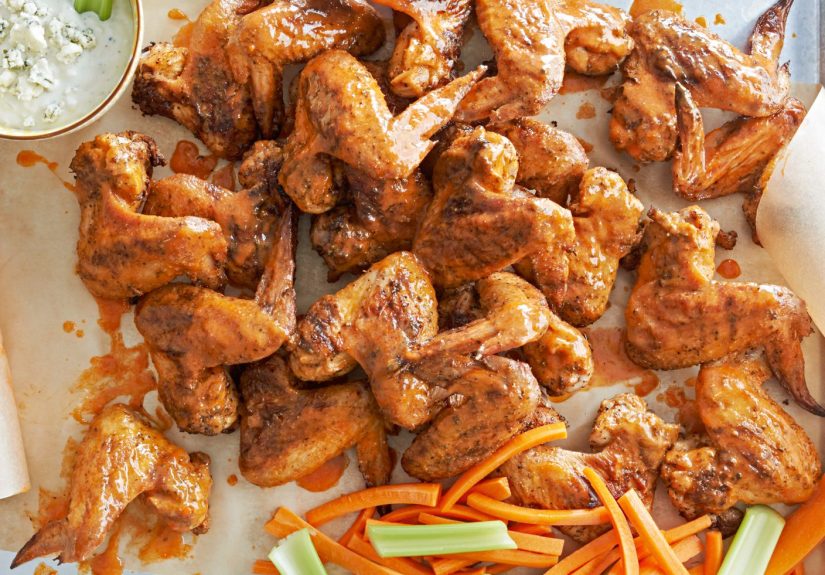
Combine 1/2 cup hot sauce, 4 tablespoons melted butter, 1 teaspoon vinegar, 1/2 teaspoon garlic powder, and a small pinch of sugar. Whisk until smooth. Toss hot wings in the sauce right before serving. For a thicker sauce, simmer it for 2 to 3 minutes before tossing.
Honey Garlic Soy Wings
Simmer 1/3 cup honey, 2 tablespoons soy sauce, 1 tablespoon rice vinegar, 2 minced garlic cloves, and 1 teaspoon grated ginger. Add a small cornstarch slurry if you want a glaze that clings like it pays rent.
Lemon Pepper Butter Wings
Melt 4 tablespoons butter and stir in 1 tablespoon lemon zest, 1 tablespoon lemon juice, 1 teaspoon cracked black pepper, and a pinch of salt. Toss with crispy wings and finish with chopped parsley. These are bright, buttery, and perfect for anyone who wants flavor without a hot sauce fire alarm.
Dry Rub Wings
Dry rub wings stay crisp longer than sauced wings. Mix smoked paprika, garlic powder, onion powder, black pepper, brown sugar, cayenne, and salt. Use less sugar if grilling because sugar can burn. After cooking, dust the wings with a little extra rub for a bold finish.
When to Sauce Chicken Wings
Sauce wings after cooking, not before, unless you are using a specific glaze method on the grill. Hot wings fresh from the oven, fryer, grill, or air fryer have the best chance of holding sauce while staying crisp. Place them in a large bowl, add just enough sauce to coat, and toss quickly.
Here is the sports bar trick: serve extra sauce on the side. That way the wings arrive crisp, and sauce lovers can dunk without forcing everyone else to eat soggy chicken confetti.
Best Dips and Sides for Homemade Wings
Blue cheese dressing is the classic partner for Buffalo wings. Ranch is the popular crowd-pleaser. Celery and carrots provide crunch and make everyone feel like the meal has achieved nutritional balance. For a better homemade spread, add pickles, coleslaw, potato wedges, cornbread, or a simple green salad.
If you are serving wings for a game day party, offer at least two flavors: one spicy and one mild. A tray of Buffalo wings plus lemon pepper or honey garlic wings keeps the peace. Nobody wants the mild-food person staring sadly at a platter of fire-breathing drumettes.
Common Chicken Wing Mistakes
Overcrowding the Pan
Wings need space. If they touch too much, they steam. Use two pans if needed, and rotate them halfway through cooking.
Skipping the Rack
A rack lifts wings above their juices and improves airflow. This is one of the easiest upgrades for crispy baked chicken wings.
Using Too Much Sauce
Sauce should coat, not drown. Start with less, toss, then add more only if needed.
Cooking Straight From Wet Packaging
Packaged wings often carry surface moisture. Dry them thoroughly before seasoning.
Forgetting the Thermometer
Guessing doneness is a gamble. Use a thermometer and cook wings to at least 165°F.
My Best Game-Day Wing Plan
The night before serving, pat the wings dry, season them with salt, baking powder, garlic powder, paprika, and pepper, then leave them uncovered on a rack in the refrigerator. On game day, bake them at high heat until crisp and cooked through. Keep the sauces warm in small pots. Right before serving, divide the wings into bowls and toss each batch with a different sauce.
For a three-flavor spread, make Buffalo, lemon pepper, and honey garlic soy. Label the spicy wings unless you enjoy watching guests perform surprise mouth aerobics. Serve with celery, carrots, ranch, blue cheese, and plenty of napkins. Good wings require napkins. Great wings require a stack that looks like you are preparing for a minor household flood.
Extra Experience: What Actually Makes Homemade Wings Better
After cooking plenty of wings at home, the biggest lesson is that the small boring steps matter more than the dramatic ones. Everyone wants to talk about secret sauces, special rubs, and whether the air fryer is secretly a tiny spaceship. But the real difference comes from drying the wings properly, salting them early, giving them space, and cooking them until the skin is truly crisp.
The first time many home cooks make wings, they season them, place them directly on a sheet pan, and hope enthusiasm will handle the rest. The wings usually taste fine, but the bottoms turn soft because they sit in rendered fat and juices. Moving them onto a wire rack changes everything. Suddenly the heat can circulate, the fat drips away, and the skin has a chance to tighten instead of turning into a slippery jacket.
Another experience worth sharing: sauce timing can make or break the whole tray. If you toss wings in sauce and let them sit for 20 minutes, they lose their crisp edge. They may still taste good, but they will not have that sports-bar snap. The better move is to hold the wings unsauced until the last possible moment. Keep them warm on a rack, warm the sauce separately, then toss and serve immediately. It feels like a tiny bit of restaurant choreography, but it works.
Dry rub wings are also underrated. Saucy wings get most of the attention because they are shiny and dramatic, like the celebrities of the appetizer world. But dry rub wings stay crisp longer and are easier to serve for parties. A smoky, garlicky rub with a little cayenne and brown sugar can taste just as bold as sauce without making everyone’s fingers look like they fought a bottle of hot sauce and lost.
For air fryer wings, the hard-earned lesson is simple: do not overload the basket. It is tempting to cram in “just a few more,” especially when people are waiting. Resist. A crowded air fryer is not frying; it is creating a group steam session. Cook smaller batches, then crisp everything for a final minute or two before serving.
For grilled wings, indirect heat is your friend. Direct flames can burn spice rubs and sugar before the inside is ready. Start on the cooler side of the grill, let the fat render slowly, then finish over hotter heat for char and crunch. That two-step method gives you smoky flavor without turning dinner into evidence.
The final lesson is confidence. Chicken wings are forgiving once you understand what they need. If they are not crisp yet, cook them longer. If the sauce is too thin, simmer it down. If the rub tastes flat, add acidity or salt next time. Great homemade wings are not about copying one sports bar exactly. They are about building your own house style: crispier than takeout, sauced exactly how you like, and served hot enough that people stop talking for a few seconds. That silence is the real review.
Conclusion
Cooking chicken wings better than your local sports bar is not about owning professional equipment. It is about technique. Start with dry wings, season them wisely, use baking powder for extra crispness, cook with airflow, check the internal temperature, and sauce at the last second. Whether you choose the oven, air fryer, grill, or fryer, the best wings come from respecting the basics.
Once you understand the formula, you can make wings for any mood: fiery Buffalo, smoky barbecue, tangy lemon pepper, sticky honey garlic, or crunchy dry rub. Your local sports bar may still have the big screens, but your kitchen has something better: wings made exactly the way you want them, without waiting for a server to find your table during overtime.






 Close
Close