Table of Contents >> Show >> Hide
- Why Stovetop Hamburgers Work So Well
- The Best Beef for Stovetop Burgers
- Quick & Easy Stovetop Hamburger Recipe
- How Long to Cook Hamburgers on the Stove
- Tips for Juicy Hamburgers on the Stove
- Classic Topping Ideas
- Stovetop Burger Variations
- Common Mistakes to Avoid
- What to Serve with Stovetop Hamburgers
- Storage and Reheating
- Real Kitchen Experience: What Actually Happens When You Make Burgers on the Stove
- Final Thoughts
Some nights practically beg for burgers, but the weather has other ideas. Maybe it is raining. Maybe you live in an apartment. Maybe your grill is acting like it is on strike. The good news is that you do not need a backyard or a bag of charcoal to make a seriously delicious hamburger. You just need a stove, a good pan, and a little confidence.
If you have ever wondered how to cook hamburgers on the stove without turning them into dry hockey pucks, you are in the right place. This guide walks you through a quick and easy stovetop hamburger recipe, plus the practical details that make the difference between “fine, I guess” and “why is this so good?” We are talking juicy beef, a flavorful crust, melty cheese, toasted buns, and simple tricks that help you get reliable results every time.
The best part? Stovetop burgers are fast. They are easy to customize. And they create the kind of sizzle that makes people magically appear in the kitchen asking, “So… when are we eating?”
Why Stovetop Hamburgers Work So Well
Grilling gets all the glory, but skillet burgers deserve a standing ovation too. A hot pan creates deep browning on the outside of the patty, which means rich flavor and that craveable burger crust. You also have more control indoors. No flare-ups. No guessing. No sprinting outside because you suddenly remembered the burgers five minutes ago.
Cooking hamburgers on the stove is especially useful when you want:
- A quick weeknight dinner
- Better control over heat and doneness
- A year-round burger method
- Minimal equipment and cleanup
- A reliable way to melt cheese and toast buns at the same time
In other words, this is burger convenience with main-character energy.
The Best Beef for Stovetop Burgers
If you want juicy hamburgers on the stove, start with the right ground beef. The sweet spot for most home cooks is 80/20 ground beef, which means 80 percent lean meat and 20 percent fat. That ratio gives you enough fat for tenderness and flavor without turning your skillet into a grease lake.
Leaner beef can work, but the patties are more likely to dry out. Fattier blends can be delicious, though they may shrink more and splatter like they have personal issues. For a classic burger recipe, 80/20 keeps things balanced.
Should you add things to the meat?
For a classic hamburger, less is usually more. Salt and pepper on the outside often deliver the best texture. When you mix too many ingredients into the meat, especially bread crumbs or eggs, the result can drift from burger territory into meatloaf with a passport.
That said, Worcestershire sauce, garlic powder, or onion powder can be added lightly if you like a little extra flavor. Just do not overmix. Ground beef gets tough when handled too much.
Quick & Easy Stovetop Hamburger Recipe
Ingredients
- 1 pound 80/20 ground beef
- 1 teaspoon kosher salt
- 1/2 teaspoon black pepper
- 1 tablespoon neutral oil, if needed for the pan
- 4 hamburger buns
- 4 slices cheese, optional
- Lettuce, tomato, onion, pickles, ketchup, mustard, and mayo, for serving
- 1 to 2 tablespoons butter for toasting buns, optional
Equipment
- Cast-iron skillet, stainless steel skillet, or another heavy pan
- Spatula
- Meat thermometer, ideally
Instructions
1. Divide and shape the patties
Divide the ground beef into 4 equal portions, about 4 ounces each. Gently shape them into patties about 1/2 to 3/4 inch thick. Press just enough so they hold together. Do not knead the meat like bread dough. Burgers are not applying for a gym membership.
Make each patty slightly wider than the bun because burgers shrink as they cook. If you are making thicker patties, press a shallow dent into the center with your thumb. That helps keep them flatter in the pan instead of puffing up like little beef domes.
2. Preheat the skillet
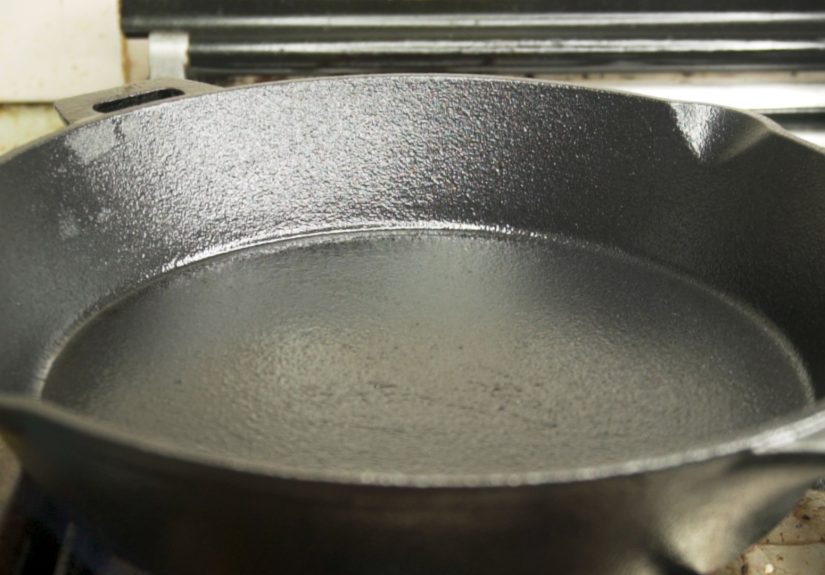
Place your skillet over medium-high heat and let it get hot before the patties go in. This matters. A properly preheated pan helps the meat sear instead of steam. If you are using cast iron or stainless steel, a hot surface is what gives you that deeply browned crust.
If your beef is very lean or your pan tends to stick, add a small amount of oil. If your beef has enough fat and you are using a well-seasoned cast-iron pan, you may not need any.
3. Season right before cooking
Sprinkle the patties generously with salt and pepper on both sides just before they hit the skillet. Salting too early can pull moisture to the surface, and while burgers are forgiving, this simple timing trick helps keep them juicier.
4. Cook the burgers
Place the patties in the hot skillet without crowding the pan. You should hear a solid sizzle. That is the sound of dinner making good decisions.
Cook the burgers for about 3 to 5 minutes on the first side, depending on thickness. Resist the urge to move them around. Let the crust form. Flip once, then cook the second side for another 3 to 5 minutes.
For cheeseburgers, add cheese during the last minute or two of cooking. If you want it extra melty, loosely tent the pan with a lid for about 30 seconds.
5. Check doneness
The safest and most reliable way to check a hamburger is with a meat thermometer inserted into the center of the patty. Ground beef should reach 160°F. Color alone is not a dependable test because burgers can brown before they are fully cooked or stay slightly pink even when they are safe.
6. Rest and build
Transfer the burgers to a plate and let them rest for a couple of minutes. Meanwhile, toast the buns in the same skillet with a little butter if you want golden, lightly crisp edges. Then build your burger with your favorite toppings and serve immediately.
How Long to Cook Hamburgers on the Stove
Cooking time depends on thickness, pan temperature, and whether you are making standard patties or thinner smash-style burgers. As a general rule:
- Thin patties: 2 to 3 minutes per side
- Standard patties: 3 to 5 minutes per side
- Thicker patties: 5 to 6 minutes per side, sometimes a little longer
Rather than treating time as law, treat it as a helpful suggestion. A thermometer is your best friend here. It is not glamorous, but it is dependable, like the friend who always remembers the restaurant reservation.
Tips for Juicy Hamburgers on the Stove
Use cold beef
Cold ground beef is easier to shape and holds together better. Warm meat can get sticky and smear fat through the mixture, which affects texture.
Do not overwork the meat
Gently handling the beef helps keep burgers tender. Overmixing compresses the meat and can lead to dense patties.
Keep the skillet hot
A hot skillet encourages browning and flavor. If the pan is not hot enough, the burgers release moisture and steam instead of searing.
Flip once if possible
Constant flipping interrupts crust formation. Let the first side do its thing, then flip and finish the second side.
Toast the buns
This small step makes a big difference. Toasted buns hold up better against burger juices and sauces, and they add texture. Nobody dreams of a damp, floppy bun.
Season enough
Burgers need proper seasoning. Beef loves salt. A bland burger is one of the saddest foods in modern civilization.
Classic Topping Ideas
One of the best things about a stovetop hamburger recipe is how easy it is to customize. Start classic, then branch out depending on mood, pantry, or emotional need for extra cheese.
Classic burger toppings
- American cheese
- Cheddar
- Lettuce
- Tomato
- Red onion
- Pickles
- Ketchup
- Mustard
- Mayonnaise
Upgraded topping ideas
- Caramelized onions
- Sautéed mushrooms
- Bacon
- Burger sauce
- Jalapeños
- Avocado
- Fried onions
- Barbecue sauce
Stovetop Burger Variations
Smash burgers
Roll the meat into balls, place them in a very hot skillet, and smash them thin with a sturdy spatula. These cook fast and develop crispy edges. They are ideal if you love crust, cheese, and the kind of burger that disappears before you realize you were still chewing.
Skillet cheeseburgers with onions
Cook sliced onions in the pan first, remove them, then cook the burgers in the same skillet. Top the patties with onions and cheese for a diner-style burger that tastes like a small victory.
Butter burgers
A little butter on the toasted bun or brushed lightly on the burger can make the whole thing feel richer and more indulgent. This is not an everyday move for everyone, but it is a delicious one.
Common Mistakes to Avoid
Starting with a cold pan
This reduces browning and encourages sticking or steaming.
Pressing the burgers while they cook
Unless you are intentionally making smash burgers at the beginning, do not press down on patties once they are cooking. That squeezes out juices and leaves you with a drier result.
Using super lean beef
You can, but the margin for error gets smaller. Flavor and juiciness usually suffer.
Skipping the thermometer
Guesswork can lead to undercooked or overcooked burgers. A thermometer removes the drama.
Overloading the burger
Yes, toppings are fun. No, your burger does not need to resemble a structural engineering problem.
What to Serve with Stovetop Hamburgers
Burgers are the headliners, but sides matter too. A few easy options include:
- French fries or oven fries
- Potato wedges
- Coleslaw
- Pickle spears
- Pasta salad
- Simple green salad
- Baked beans
- Corn on the cob
If you want the full diner-at-home experience, add a cold drink and something crunchy on the side. Bonus points if you dramatically announce, “Order up.”
Storage and Reheating
Cooked burgers can be refrigerated in an airtight container for up to 3 to 4 days. Reheat them gently in a skillet over medium-low heat or in the microwave in short bursts. If possible, store the patties separately from lettuce, tomato, and buns so everything keeps its texture.
Uncooked ground beef should be kept cold and cooked promptly. If you are not using it within a day or two, freeze it.
Real Kitchen Experience: What Actually Happens When You Make Burgers on the Stove
Here is the honest truth about cooking hamburgers on the stove: the first time, you may overthink everything. Is the pan hot enough? Are the patties too thick? Is that sizzle good or suspicious? But once you do it a couple of times, it becomes one of those back-pocket meals that saves dinner over and over again.
One of the biggest lessons people learn fast is that stovetop burgers are less fussy than they seem. You do not need a gourmet blend from a specialty butcher. You do not need twelve seasonings and a secret sauce blessed by the burger gods. Most of the time, you need decent ground beef, salt, pepper, a hot skillet, and the ability to leave the patties alone for a few minutes.
A lot of home cooks also discover that burgers made on the stove can be even more satisfying than grilled ones in certain situations. Why? Because the skillet gives you reliable browning. You can see what is happening. You can toast the buns in the same pan. You can melt cheese without the wind interfering like it has a personal grudge. It feels practical, but the results can still be deeply impressive.
There is also a confidence-building element to this recipe. Once you understand how the patties should look and sound in the pan, you stop relying so heavily on exact minute counts. You start recognizing the crust before the flip. You get better at choosing patty thickness. You figure out how much seasoning you like and whether your household leans classic cheeseburger or full topping chaos. The recipe starts as a guide and gradually becomes instinct.
Another real-life perk is flexibility. Maybe one person wants American cheese, another wants cheddar, and someone else wants a burger bowl with no bun. Fine. Stovetop burgers make that easy. You can cook a batch, rest them on a plate, and build each one differently without much extra work. It is one of those rare dinners that feels low effort while still making people happy.
And then there is the smell. That rich, savory burger aroma filling the kitchen is powerful. It tells everyone nearby that something good is happening. Suddenly people who claimed they were “not that hungry” are hovering near the stove asking extremely helpful questions like, “Are those almost done?” That is when you know the recipe is working.
In the end, the best experience of all is realizing that a great homemade burger does not have to be reserved for cookouts, game days, or sunny weekends. It can happen on an ordinary Tuesday night in your kitchen, with a skillet, a spatula, and maybe one slightly overexcited person waiting by the buns. That is the beauty of learning how to cook hamburgers on the stove: it is quick, easy, satisfying, and repeatable. And once you get it right, you will probably start making burgers a lot more often than you originally planned. Consider yourself warned.
Final Thoughts
If you want a burger that is juicy, flavorful, and fast, cooking hamburgers on the stove is one of the easiest ways to get there. A hot skillet, properly shaped patties, simple seasoning, and the right internal temperature do most of the heavy lifting. From there, it is all about building the burger you actually want to eat.
So the next time a burger craving hits and the grill is nowhere in sight, do not panic. Your stovetop has this covered.