Table of Contents >> Show >> Hide
- Table of Contents
- What Is Patty Pan Squash?
- How to Choose the Best Squash
- How to Prep Patty Pan Squash (Fast + Foolproof)
- Best Cooking Methods (With Times & Temps)
- 1) Roasted Patty Pan Squash (the “always works” method)
- 2) Sautéed Patty Pan Squash (fast, but don’t overcrowd the pan)
- 3) Grilled Patty Pan Squash (summer’s easiest flex)
- 4) Air Fryer Patty Pan Squash (crispy edges without deep frying)
- 5) Steamed or Microwaved Patty Pan (fastest, cleanest flavor)
- 6) Stuffed Patty Pan Squash (the “company’s coming” method)
- Seasonings & Flavor Pairings That Actually Work
- Common Problems (and How to Fix Them)
- Storage, Food Safety, and Freezing
- Final Thoughts
- Real-World Cooking Notes: What People Learn After a Few Batches (Extra 500+ Words)
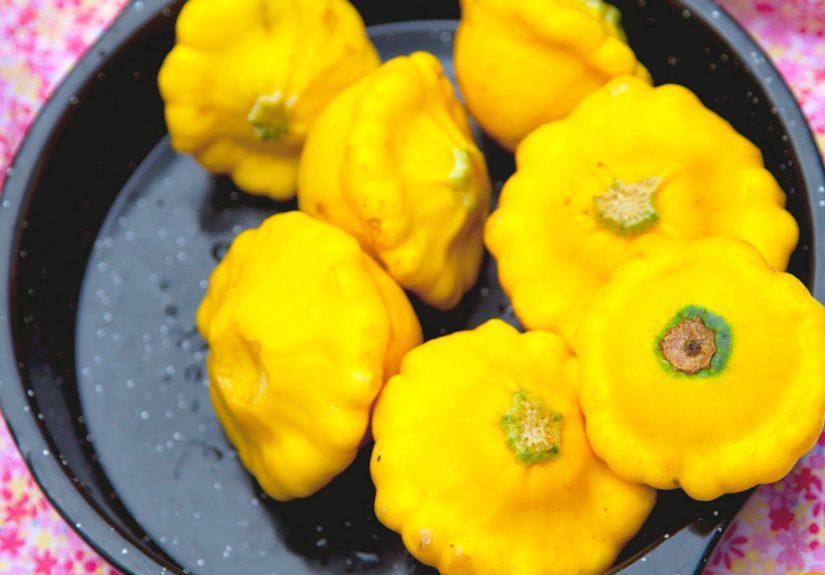
If zucchini is the reliable hatchback of summer produce, patty pan squash is the adorable little vintage scooter: compact, cute, and surprisingly useful. With its scalloped edges and UFO shape, patty pan (also spelled pattypan) squash looks fancy even when you’re doing something wildly unglamorouslike eating dinner over the sink.
The good news: it cooks fast, plays nicely with bold flavors, and can be roasted, sautéed, grilled, air-fried, steamed, stuffed, or even pickled. The only real “rule” is to avoid overcooking it into a soft, watery situation that makes everyone quietly regret their life choices.
What Is Patty Pan Squash?
Patty pan squash is a type of summer squash in the same general family as zucchini and yellow squash. It’s typically mild, slightly sweet, and tenderespecially when harvested small. The skin is edible, the seeds are usually soft when the squash is young, and the shape makes it ideal for stuffing if you buy larger ones.
Quick texture cheat: Think “zucchini vibes,” but with a slightly firmer bite in many varietiesgreat for high-heat cooking when you want browning, not squish.
How to Choose the Best Squash
- Go small for quick cooking: Squash around 2–4 inches across tends to be more tender and less seedy.
- Look for firm skin: Choose squash that feels heavy for its size and has no soft spots.
- Avoid wrinkly or overly large squash: Oversized ones can have tougher skin and bigger seedsbetter for stuffing than quick sautés.
- Color is your choice: Green, yellow, and white patty pans all cook similarly. Pick what looks bestor what’s on sale.
How to Prep Patty Pan Squash (Fast + Foolproof)
Step 1: Wash it like you mean it
Rinse under cool running water and rub the surface with your hands. Skip soap or “produce wash.” Dry with a clean towel.
Step 2: Trim the ends
Slice off the stem end and the opposite nub. That’s usually all you need.
Step 3: Cut based on how you plan to cook
- Roast / air fry: Halves or wedges (so you get caramelized edges).
- Sauté: 1/2-inch thick slices or half-moons (thicker = less soggy).
- Grill: Planks or thick slices (they won’t fall through the grates).
- Stuff: Cut off the top like a tiny hat; scoop the center.
Optional but powerful: salt to reduce wateriness
Summer squash is mostly water. If you’re chasing browning (not steaming), toss slices with a pinch of salt and let them sit 10–15 minutes, then blot dry. This helps the squash brown faster and hold its shape.
Best Cooking Methods (With Times & Temps)
| Method | Best For | Time | Texture Result |
|---|---|---|---|
| Roasting | Big flavor, hands-off | 15–22 min | Caramelized edges, tender inside |
| Sautéing | Fast weeknight side | 6–10 min | Lightly browned, still a little crisp |
| Grilling | Smoky, summery plates | 6–10 min | Char marks, juicy center |
| Air Frying | Maximum crisp factor | 10–14 min | Crisp edges, tender bite |
| Steaming / Microwave | Quickest cooking | 4–8 min | Soft, clean flavor |
| Stuffing + Baking | A main dish that looks fancy | 35–55 min | Fork-tender shells, hearty filling |
1) Roasted Patty Pan Squash (the “always works” method)
Why it’s great: High heat drives off moisture and builds flavor. Translation: no watery sadness.
Garlic-Parmesan Roasted Patty Pan
- 1 to 1 1/2 pounds patty pan squash, halved or cut into wedges
- 1 1/2 tablespoons olive oil
- 1/2 teaspoon kosher salt, plus more to taste
- Black pepper
- 1/2 teaspoon garlic powder (or 2 cloves fresh garlic, added near the end)
- 2–3 tablespoons grated Parmesan
- Lemon zest or a squeeze of lemon (optional, but highly recommended)
- Heat oven to 425°F. (Optional power move: preheat the sheet pan too for better browning.)
- Toss squash with oil, salt, pepper, and garlic powder.
- Spread in a single layer, cut sides down if using halves.
- Roast 15–22 minutes until browned at the edges and tender when pierced.
- Finish with Parmesan for the last 2 minutes, then add lemon.
Make it dinner: Serve over couscous or orzo with chickpeas, cherry tomatoes, and feta.
2) Sautéed Patty Pan Squash (fast, but don’t overcrowd the pan)
The key: Medium-high heat + space. If the pan is crowded, the squash steams instead of browns.
Skillet Patty Pan with Tomatoes & Herbs
- 1 tablespoon olive oil (plus more if needed)
- 1 pound patty pan squash, sliced 1/2-inch thick
- 1 cup cherry tomatoes, halved
- 2 cloves garlic, minced
- Pinch of red pepper flakes
- Salt and pepper
- Fresh basil or parsley
- Heat oil in a large skillet over medium-high heat.
- Add squash in a single layer. Cook 2–3 minutes per side until golden. Work in batches if needed.
- Add garlic and red pepper flakes; stir for 30 seconds.
- Add tomatoes and cook 1–2 minutes just until warmed and glossy.
- Season and finish with herbs.
3) Grilled Patty Pan Squash (summer’s easiest flex)
Best cut: Thick slices or planks (about 1/2-inch) so they don’t collapse or stick.
Simple Grilled Patty Pan + Lemon-Herb Dressing
- Slice squash into thick rounds or planks
- Brush lightly with oil; salt right before grilling
- Grill over direct high heat 3–5 minutes per side until charred and tender
- Dress with lemon juice, olive oil, chopped herbs, and a pinch of salt
Pro tip: Don’t flip too soonwait for good sear marks so it releases cleanly.
4) Air Fryer Patty Pan Squash (crispy edges without deep frying)
Why it’s great: Hot circulating air helps evaporate moisture quicklygreat for squash, which loves to leak water like it’s being interviewed by a detective.
Air Fryer “Ranchy” Patty Pan Coins
- 1 pound patty pan squash, cut into 1/2-inch coins
- 1 tablespoon oil
- 1–2 teaspoons ranch seasoning (or garlic powder + onion powder + dried dill)
- Salt to taste
- Preheat air fryer to 400°F if your model benefits from preheating.
- Toss squash with oil and seasoning.
- Air fry 10–14 minutes, shaking halfway, until browned at the edges.
5) Steamed or Microwaved Patty Pan (fastest, cleanest flavor)
If you want a quick veggie side with minimal mess, steaming is the speed run.
- Microwave: Put sliced squash in a covered microwave-safe dish with a splash of water. Cook about 4 minutes, stirring once, until tender.
- Stovetop steam: Steam slices 5–8 minutes until just tender.
Upgrade it instantly: Finish with butter + lemon + flaky salt, or drizzle with pesto.
6) Stuffed Patty Pan Squash (the “company’s coming” method)
Bigger patty pans are perfect edible bowls. You can go classic comfort (breadcrumbs + sausage) or modern wholesome (quinoa + greens).
Easy Stuffed Patty Pan (flexible filling)
- 4 medium-to-large patty pan squash
- 1 tablespoon oil
- 2 cups cooked filling (examples below)
- 1/2 cup shredded cheese (optional)
- Salt and pepper
- Heat oven to 350°F.
- Trim the top (make a lid). Scoop out the center, leaving a sturdy wall; chop the scooped squash and save it.
- Par-cook the squash shells (steam or simmer) about 10 minutes until barely tender; drain well.
- Mix filling with chopped squash guts (yes, we’re using the guts).
- Stuff, top with cheese if using, and bake 20–35 minutes until hot and tender.
Filling ideas that work:
- Italian-ish: cooked sausage + sautéed onion + spinach + breadcrumbs + Parmesan
- Mediterranean: quinoa + feta + lemon zest + olives + tomatoes
- Taco night: seasoned ground turkey/beans + corn + pepper jack
Seasonings & Flavor Pairings That Actually Work
Patty pan squash is mild, which means it’s basically a blank check for flavor. Here are combinations that taste intentional (even if you’re winging it):
- Bright & herby: lemon, basil, parsley, mint
- Savory comfort: garlic, butter, Parmesan, breadcrumbs
- Smoky & spicy: chili flakes, smoked paprika, cumin, lime
- Cheesy buddies: feta, goat cheese, Parmesan, sharp cheddar
- Summer friends: tomatoes, corn, onions, bell peppers
One-liner to remember: Add acid at the end (lemon or vinegar) to make squash taste like more than “hot water with ambition.”
Common Problems (and How to Fix Them)
“My squash is watery.”
- Slice thicker (about 1/2-inch), salt briefly, blot dry.
- Use higher heat and cook in batches so moisture can evaporate.
- Roast or air fry instead of simmering.
“It turned mushy.”
- Cook less. Summer squash goes from tender to baby food quickly.
- Stop cooking when it’s just fork-tender. Residual heat keeps working.
“It tastes bland.”
- Season earlier with salt.
- Add a punchy finisher: lemon juice, grated cheese, pesto, or vinaigrette.
- Brown it. Color = flavor.
Storage, Food Safety, and Freezing
Food safety basics
- Wash hands, boards, and knivesespecially if raw meat is involved.
- Rinse squash under cool running water; don’t use soap.
- Use a separate cutting board for produce if you’re also prepping raw proteins.
How to store fresh patty pan squash
- Store dry and unwashed in the fridge crisper.
- A loosely closed bag (or perforated bag) helps prevent dehydration while avoiding trapped moisture.
- Plan to use it within a few days for best texture.
Leftovers
Cooked patty pan squash keeps well in an airtight container in the fridge for a few days. Reheat in a skillet or air fryer if you want to bring back some texture (microwaving is fine, but it’s not exactly a crispness festival).
Freezing (best for soups, casseroles, sauces)
- Slice into 1/4-inch rounds.
- Blanch in boiling water about 3 minutes.
- Cool immediately in ice water, drain well, and freeze on a tray before bagging.
Note: Frozen summer squash softens when thawed. It’s excellent in blended soups, pasta sauce, and baked dishesless ideal for crisp sautéed sides.
Final Thoughts
Cooking patty pan squash is mostly about managing moisture and choosing the right method for the texture you want. Roast it if you want browned edges and big flavor. Sauté it fast if you need dinner on the table now. Grill it when you want smoky summer energy. Stuff it when you want applause.
And remember: a finishing squeeze of lemon and a little salt can turn “vegetable side dish” into “I definitely meant to do this.”
Real-World Cooking Notes: What People Learn After a Few Batches (Extra 500+ Words)
When people first cook patty pan squash, the most common “surprise” is how quickly it changes personality. One minute it’s firm and holding its cute little scalloped shape; the next, it’s gone soft and glossy like it’s auditioning to be a pasta sauce. That’s not a tragedyit’s just a reminder that summer squash is tender by nature. The best results usually come from deciding what texture you want before you start cooking. If you want a crisp-tender bite, cook hot and quick. If you want it silky and soft (for a stew, soup, or casserole), slower cooking is your friendjust lean into it and season boldly.
A second lesson people pick up fast: patty pan squash is a sponge for flavor but also for water. Home cooks often notice that the same recipe can turn out differently depending on how crowded the pan is. In a packed skillet, the squash releases moisture and ends up steamingsoft, pale, and a little bland. In a roomy skillet, the moisture has somewhere to go (into the air, where it belongs), and the squash browns and tastes richer. That’s why “cook in batches” feels like annoying advice until you try it and realize it’s the difference between “meh” and “wow.” Many people start doing one batch for browning, then tossing everything together at the end with garlic, herbs, and a splash of lemon.
Another real-world pattern: people underestimate how much a good finishing step matters. Patty pan squash is mild, so finishing touches are where the personality shows up. A squeeze of lemon, a dusting of Parmesan, a spoonful of pesto, or a drizzle of vinaigrette can make it taste like a restaurant side disheven if you cooked it in pajama pants. Some cooks swear by adding acid at the very end because it brightens the flavor without making the squash watery during cooking. Others find that a salty, umami ingredient (Parmesan, feta, soy sauce, miso butter) gives it a “main-character” vibe instead of “supporting vegetable.”
People also learn to match size with method. Small patty pans (the cute little ones) are best for roasting, air frying, or quick sautéing because they’re tender and sweet. Larger ones can still be delicious, but they often need a different plan: scoop and stuff them, or slice thicker and cook longer. For stuffed squash, many cooks discover that par-cooking the shells first is the easiest way to guarantee everything finishes at the same time. Otherwise, you risk either undercooked squash with a hot filling or tender squash with a filling that’s still warming up.
Then there’s the “I grew (or bought) too much squash” phase. That’s when people start experimenting: adding it to pasta, folding it into scrambled eggs, blending it into soups, or turning it into a quick sauté with tomatoes and herbs. A very practical experience-based tip is that leftovers reheat better in a skillet or air fryer than in the microwave if you care about texture. The microwave works, but it tends to push squash deeper into the “soft” category. If the end goal is a hearty dishlike a grain bowl, frittata, lasagna, or currymicrowaved leftovers are totally fine. But if you want it to feel like a fresh side dish again, a quick high-heat reheat helps.
Finally, people learn that patty pan squash is a “seasonal mood” ingredient. It shines with other summer produce: corn, tomatoes, peppers, basil, and fresh herbs. It also pairs well with grill flavors (char, smoke, citrus) and simple dairy (feta, goat cheese, Parmesan). Once someone finds their favorite combolike grilled patty pan with lemon-herb dressing, or roasted wedges with garlic and Parmesanit tends to become a repeat side dish all summer long, because it’s fast, flexible, and somehow always looks more impressive than the effort it took.