Table of Contents >> Show >> Hide
- What you’ll learn
- What are mulberries?
- Mulberries nutrition facts
- Health benefits of mulberries
- 1) Antioxidants and “cell support” (the real version, not the marketing version)
- 2) Immune function and skin health (vitamin C doing vitamin C things)
- 3) Iron support (with a smart pairing tip)
- 4) Digestive health (fiber + fruit = your gut’s boring best friend)
- 5) Heart health markers (what’s plausible)
- 6) Blood sugar: fruit vs. leaf extract (important distinction)
- 7) “Cancer prevention” claims: keep your feet on the ground
- How to eat mulberries (without getting bored)
- Potential risks, allergies, and who should be cautious
- Real-life mulberry experiences: the fun, the messy, and the surprisingly fancy
- Conclusion
Mulberries are the kind of fruit that shows up quietly, acts sweet, and thenBAMturns your fingers purple like you just joined a tiny berry-themed street gang.
If you’ve only seen them dried in “healthy snack” mixes or you’ve never met one outside a tree that stains your driveway, consider this your friendly,
practical, no-hype guide to mulberry nutrition and what science actually suggests they can (and can’t) do for your health.
We’ll talk nutrition facts, antioxidants, digestion, heart and blood sugar angles, and a few real-world tips for buying, storing, and eating mulberries
without turning your kitchen into a crime scene.
What are mulberries?
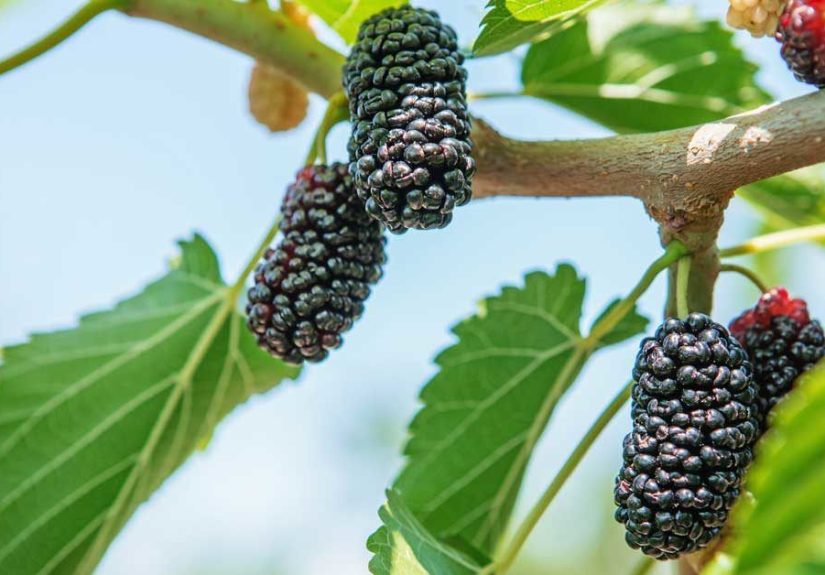
Mulberries are the fruit of mulberry trees (genus Morus). They look like elongated blackberries, but they’re their own thingso don’t let the
similar shape trick you into expecting the same flavor. Depending on the variety and ripeness, mulberries can taste honey-sweet, lightly tart,
or like a berry that spent a semester abroad studying “floral notes.”
The most common types you’ll run into are white mulberries (Morus alba), red mulberries (Morus rubra), and black mulberries (Morus nigra).
Fresh mulberries are delicate and highly perishable, which is why you may see them more often dried, frozen, or turned into jams and syrups.
Mulberries vs. blackberries: not twins, just neighbors
Blackberries grow on brambles, while mulberries grow on trees. That alone changes the “experience”:
mulberries often arrive with a side quest (stems, leaves, and the occasional “is this bug paying rent?”).
Flavor-wise, mulberries are usually sweeter and less sharply tart than many blackberries.
Mulberries nutrition facts
Fresh mulberries are low in calories, mostly water, and provide carbohydrates with some fiberplus standout amounts of vitamin C and iron for a fruit.
The exact numbers vary by variety, ripeness, and serving size, but the general profile is consistent: light, nutrient-dense, and easy to add to meals.
Fresh mulberries: key nutrients (typical 1-cup serving)
A common serving people actually eat is about 1 cup of raw mulberries. Here’s what you can generally expect from that serving:
| Nutrient | Approx. amount (1 cup fresh) | Why it matters |
|---|---|---|
| Calories | ~60 | Low energy density; easy snack add-on |
| Carbohydrates | ~14 g | Main fuel source; includes natural sugars |
| Fiber | ~2–2.5 g | Supports digestion and helps you feel satisfied |
| Protein | ~2 g | Small, but higher than many fruits |
| Vitamin C | ~50 mg | Supports collagen production and antioxidant defenses |
| Iron | ~2.5–2.6 mg | Helps your body carry oxygen in the blood |
| Potassium | ~270 mg | Supports fluid balance and muscle function |
Dried mulberries: the “tiny candy” version
Drying mulberries concentrates everythingflavor, sugar, and calories. That’s not automatically bad. It just changes how you should think about a serving.
A handful of dried mulberries can be a convenient snack or topping, but it’s easier to overshoot calories because dried fruit is basically
“fruit without the water buffering your enthusiasm.”
Practical tip: treat dried mulberries like you would granola or chocolate chipsgreat in small amounts. Sprinkle; don’t shovel.
Why mulberries feel “light” but still satisfying
Fresh mulberries bring a combo of water + fiber. That pairing is a classic appetite-friendly pattern in fruits and vegetables:
you get volume and texture without a huge calorie hit. If you’re trying to swap in more whole foods, mulberries can be an easy win.
Health benefits of mulberries
Let’s set expectations: mulberries are nutritious fruit, not magical medicine. The most dependable benefits come from the basicsfiber, vitamins, minerals,
and plant compoundsplus the fact that eating more fruit generally supports long-term health patterns.
That said, mulberries have a few features that make them especially interesting: they’re rich in polyphenols (including anthocyanins in darker varieties),
they provide meaningful vitamin C, and they’re unusually notable for iron compared with many fruits.
1) Antioxidants and “cell support” (the real version, not the marketing version)
Dark mulberries get their deep purple color from anthocyaninsplant compounds commonly found in richly colored berries.
In the body, diets rich in polyphenol-containing fruits are associated with various health advantages, partly because these compounds help manage oxidative stress.
Translation: antioxidants are part of a bigger dietary pattern. Mulberries don’t “detox” you, but they can contribute helpful plant compounds
in a way that’s delicious and easy to repeat.
2) Immune function and skin health (vitamin C doing vitamin C things)
Vitamin C supports collagen formation (think skin, connective tissue, blood vessels) and acts as an antioxidant.
If your diet is low in vitamin C, adding fruits like mulberries can help close that gapespecially if you’re the type of person who forgets vegetables exist
unless they’re on pizza.
3) Iron support (with a smart pairing tip)
Mulberries contain iron, which your body uses to make hemoglobin (the oxygen-carrying component of red blood cells). Iron needs vary across life stages,
and some groups (like teens, menstruating individuals, and pregnant people) may have higher needs.
Pro tip: vitamin C can improve non-heme iron absorption (the type of iron found in plant foods). Mulberries conveniently bring both iron and vitamin C.
For an even stronger “absorption-friendly” combo, pair mulberries with other vitamin C-rich foods (citrus, kiwi, bell pepper) or avoid washing them down
with a strong cup of tea right at the same time if iron status is a concern.
4) Digestive health (fiber + fruit = your gut’s boring best friend)
Fiber supports regularity, helps feed beneficial gut microbes, and is linked with better cardiometabolic health outcomes in broader research.
Mulberries aren’t the highest-fiber fruit on the planet, but they contribute meaningfullyespecially when you’re building a day that includes multiple
fruits and vegetables instead of relying on “fiber” from a bar that tastes like a pencil.
5) Heart health markers (what’s plausible)
Berries as a category are often studied for cardiometabolic support because of their polyphenols and fiber. Mulberries fit into that story:
some research (including reviews that look across multiple studies) suggests mulberry intake may favorably influence certain risk markers.
The honest takeaway: evidence is promising but not definitive. If you enjoy mulberries, they’re a heart-smart choice in the same way other berries are.
If you don’t enjoy them, you don’t have to force itblueberries, blackberries, strawberries, and cherries can also help you build a similar pattern.
6) Blood sugar: fruit vs. leaf extract (important distinction)
You’ll see a lot of talk online about mulberry and blood sugar. Here’s the key nuance: much of the clinical research focuses on mulberry leaf extract,
not the fruit itself. Leaf extracts may influence carbohydrate digestion in the short term, but results vary by product, dose, and study design.
The fruit, on the other hand, is a whole food containing sugars, water, and fiber. For most people, a reasonable serving of fresh mulberries
can fit into a balanced eating pattern. If you’re managing diabetes or reactive hypoglycemia, the smartest approach is still the classics:
portion awareness, pairing fruit with protein/fat (like yogurt or nuts), and monitoring your individual response.
7) “Cancer prevention” claims: keep your feet on the ground
You may see claims that mulberries “fight cancer.” The more accurate version is:
mulberries contain antioxidants and bioactive compounds studied in lab settings, and diets high in fruits and vegetables are associated with lower risk of some cancers.
That’s a long way from “eat mulberries, cure disease.”
Enjoy mulberries because they’re nutritious and tasty, not because you expect a superhero cape to grow out of your hoodie.
How to eat mulberries (without getting bored)
Mulberries are versatile, but they’re fragilethink “soft berry energy.” If you can, buy them fresh from a local grower or farmers market,
or choose frozen when fresh isn’t practical.
Easy ways to use fresh mulberries
- Breakfast upgrade: Stir into oatmeal, overnight oats, or Greek yogurt with chopped nuts.
- Salad pop: Add to spinach salad with goat cheese, toasted walnuts, and a simple vinaigrette.
- Snack plate: Pair with cheese (brie, cheddar, or feta) and a handful of almonds.
- Quick dessert: Warm mulberries in a pan with a splash of water and cinnamon, then spoon over vanilla yogurt.
- Blend: Toss into smoothies with banana and milk or a dairy-free alternative.
Ideas for dried mulberries
- Trail mix: Combine with pumpkin seeds, peanuts, and a few dark chocolate chips.
- Granola topper: Sprinkle on cereal or yogurt like you would raisins.
- Baking: Use in muffins or quick breads (they add sweetness and chew).
Storage tips (because mulberries don’t like waiting)
Fresh mulberries spoil fast. Keep them cold, dry, and in a shallow container lined with a paper towel.
Rinse gently right before eating (not days in advance). If you have a lot, freeze them:
spread on a tray first so you don’t end up with a single mega-berry iceberg.
Potential risks, allergies, and who should be cautious
Most people can enjoy mulberries like any other fruit, but a few practical cautions matter.
1) Allergies and pollen-related reactions
Some individuals may experience allergic reactions to mulberry fruit or to mulberry tree pollen. If you have known pollen allergies,
especially with oral allergy symptoms to certain fruits, start with a small amount and pay attention to your body.
If you’ve had severe allergic reactions to foods before, treat new fruits with extra caution.
2) Digestive sensitivity (fiber is greatuntil it’s suddenly too much)
If you don’t eat much fiber regularly, a large serving of mulberries (especially dried) might cause bloating or GI discomfort.
Increase fiber gradually and drink enough wateryour digestive system prefers a gentle ramp-up, not surprise boot camp.
3) Blood sugar management
Fresh mulberries can fit into many eating plans, but dried mulberries are more concentrated in sugar.
If you’re managing blood sugar, watch portions and pair fruit with protein or fat (like yogurt, nuts, or cheese).
And remember: research on mulberry leaf extract does not automatically apply to the fruit.
4) The stain factor (not a medical risk, but emotionally significant)
Mulberries stain hands, clothes, countertops, and sometimes your dignity. Eat them over a plate,
and consider wearing a dark shirt unless you’re going for the “modern art apron” aesthetic.
Real-life mulberry experiences: the fun, the messy, and the surprisingly fancy
Mulberries aren’t just a nutrition topicthey’re an experience. If you’ve ever eaten one fresh, you know the vibe:
soft texture, sweet juice, and a color that clings like it’s trying to become part of your identity.
People often describe their first “real” mulberry moment as either (1) discovering a neighborhood tree that rains fruit for two weeks,
or (2) spotting a tiny carton at a farmers market, doing the mental math, and deciding joy is worth the price.
Fresh mulberries feel a little like time travel. They’re not the glossy, uniform berry you see stacked year-round in big supermarkets.
They’re delicate, slightly irregular, and sometimes arrive with a stem attachedas if the tree wants you to remember where they came from.
That fragility is part of the charm. You don’t “store mulberries for later.” You make plans with mulberries. You clear space in the fridge.
You cancel one unnecessary errand. You become the kind of person who says, “We should eat these today.”
The taste experience is also oddly personalized. Some mulberries taste like a gentle mix of blackberry and honey.
Others lean floral, or lightly tart, or simply “sweet berry, no drama.” The darker ones often feel richer,
while lighter mulberries can taste more subtle and candy-like. That variety is why they’re fun in the kitchen:
you can keep it simpleeat them by the handfulor you can play chef with almost no effort.
One of the most common mulberry “wins” is breakfast. Toss them into yogurt and they instantly look like a wellness influencer moved into your bowl.
Add nuts and suddenly it’s not just prettyit’s actually satisfying. Smoothies are another classic:
frozen mulberries blend well and turn everything a deep purple that screams “antioxidants” even if you’re just trying to drink breakfast on the way out the door.
And then there’s the foraging angle, which is where mulberries go from “food” to “summer story.”
People who pick mulberries often share the same plot points: you show up optimistic, you pick faster than you eat, your hands turn purple,
and you realize mulberries don’t politely fall into your containerthey explode softly if you’re rough with them.
It’s oddly calming, though. Like a mini meditation where the reward is fruit instead of inner peace.
If you want a “grown-up dessert” moment, mulberries deliver. Warm them in a small pan with a splash of water,
cinnamon, and a squeeze of citrus. Spoon that over vanilla yogurt or ice cream and you’ve got a dessert that tastes fancy,
even though it took less time than scrolling for something to watch.
Finally, mulberries have a way of making you feel connectedto seasons, to trees, to the idea that food can be both practical and joyful.
Nutrition-wise, they bring vitamin C, iron, fiber, and polyphenols. Experience-wise, they bring color, memories,
and just enough mess to remind you that “real food” sometimes looks like purple fingertipsand that’s kind of the point.