
Table of Contents >> Show >> Hide
- Start With the Right Rack: Baby Back, Spare, or St. Louis?
- Prep Like a Pro (This Is Where Good Ribs Become Great)
- Build Flavor: Rub, Smoke, Sauce (In That Order)
- Choose Your Cooking Method (All Roads Lead to Delicious)
- How to Know When Ribs Are Done (Without Guessing or Panic)
- Make Ribs Look As Good As They Taste
- Troubleshooting: Fix the Most Common Rib Problems
- Conclusion: Your Rib Game, Officially Upgraded
- of Rib Experiences (The Real-World Stuff That Makes You Better)
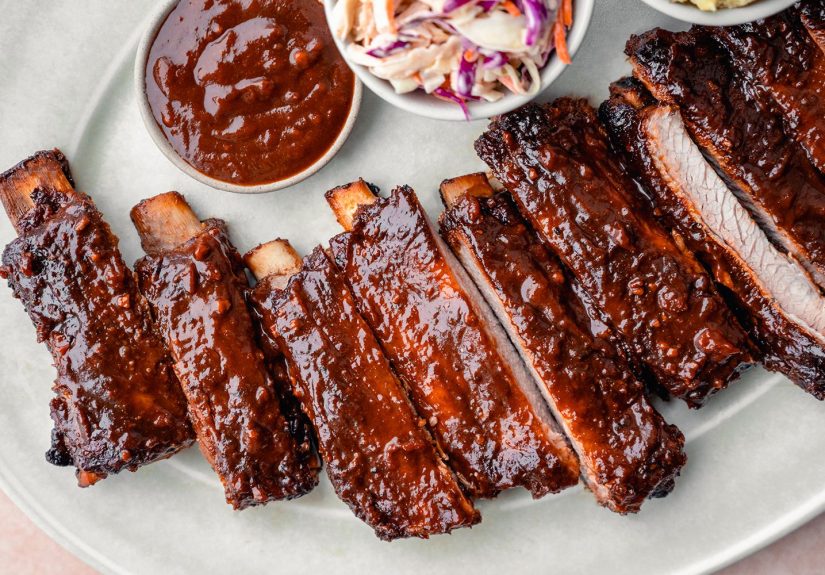
Pork ribs are the rare food that can make grown adults go quiet for a full minuteonly because their mouths are busy. The goal isn’t just “tender.” It’s beautifully tender: glossy glaze, a little bark, clean slices, and that perfect bite where the meat doesn’t fall off the bone in defeatit lets go because you earned it.
This guide walks you through choosing the right ribs, prepping them like you mean it, and cooking them in the oven, on the grill, or on a smoker. You’ll also get doneness tests that work in real life (not just in optimistic recipe land), plus finishing tricks for ribs that look restaurant-level.
Start With the Right Rack: Baby Back, Spare, or St. Louis?
If you’ve ever stood at the meat case squinting like it’s a multiple-choice exam, here’s the cheat sheet:
Baby back ribs
Cut from near the loin, baby backs curve more and usually cook a bit faster. They’re leaner, tender, and a great “first rack” if you’re learning.
Spare ribs
Spares come from the belly side and bring more fat and flavor. They’re bigger, flatter, and love low-and-slow cooking because fat + time = magic.
St. Louis–style ribs
Think of these as spare ribs that got a tidy haircut. They’re trimmed into a more even rectangle, which helps them cook more evenly and look sharp on a platter. (Yes, ribs can look sharp. Let them have this.)
No matter which you choose, look for racks with steady thickness, good meat coverage over the bones, and minimal “shiners” (where bone shows through because there’s barely any meat). Avoid racks swimming in purge (that reddish liquid in the package) if you can.
Prep Like a Pro (This Is Where Good Ribs Become Great)
1) Don’t rinse the ribs
Washing raw meat doesn’t make it saferit just spreads bacteria around your sink like confetti you did not ask for. Instead, pat the ribs dry with paper towels.
2) Remove the membrane (a.k.a. the “mystery plastic” layer)
On the bone side, many racks have a thin membrane (silverskin) that can turn chewy and can block seasoning. To remove it, slide a dull knife under a corner over a bone, lift until you can grab it, then pull it off using a paper towel for grip. If it tears, keep goingthis isn’t delicate surgery; it’s ribs.
3) Trim for better cooking (optional, but helpful)
Snip off dangling flaps that will burn. For spare ribs, you can square the rack into a St. Louis shape for more even cooking. Save trimmings for beans, stew, fried rice, or “chef snacks” that mysteriously disappear.
4) Salt timing: now or later
If you’ve got time, season with salt (or a rub that includes salt) and refrigerate uncovered for 2–12 hours. This “dry brine” boosts flavor and helps the surface dry out for better bark. If you’re cooking right away, don’t worryjust season generously and keep moving.
Build Flavor: Rub, Smoke, Sauce (In That Order)
A no-drama rib rub formula
Great rubs balance salt (flavor), sugar (browning), and spice (personality). Here’s a simple backbone you can customize:
- Sweet: brown sugar (use less if cooking hot), paprika
- Savory: kosher salt, black pepper, garlic powder, onion powder
- Heat: chili powder or cayenne (optional)
For adhesion, many cooks use a thin coat of yellow mustard or neutral oil. It won’t make the ribs taste like a hot dogpromise. It just helps the rub stick and the surface brown evenly.
When to sauce
Most barbecue sauces contain sugar. Sugar + long heat = burnt, bitter sadness. For shiny, sticky ribs, apply sauce late: the last 20–30 minutes on the grill/smoker, or during the final uncovered bake/broil in the oven.
Choose Your Cooking Method (All Roads Lead to Delicious)
The shared secret across oven, grill, and smoker is the same: gentle heat + time to soften connective tissue, then a finishing blast to set the glaze and make everything look irresistible.
Method 1: Oven ribs (the easiest way to get “wow” at home)
Oven ribs can be shockingly goodtender, juicy, and beautifully lacqueredespecially if you finish with high heat for color.
- Heat: Preheat oven to 275°F.
- Season: Pat ribs dry, remove membrane, apply binder (optional), then rub.
- Wrap: Place ribs on a foil-lined sheet pan. Cover tightly with foil (or use parchment + foil).
- Bake low and slow: Baby backs: about 2.5–3.5 hours. Spares/St. Louis: about 3–4.5 hours. Start checking early.
- Finish for looks: Uncover, brush with sauce (or a thin glaze), then raise oven to 375°F for 10–20 minutes or broil 2–5 minutes. Watch closelybroilers are basically dragons with a timer.
- Rest: Let ribs rest 10 minutes before slicing so juices settle down and behave.
Want a “barbecue” vibe without a smoker? Add smoked paprika to the rub, or use a tiny amount of high-quality liquid smoke in your sauce. Keep it subtlethis is seasoning, not cologne.
Method 2: Grill ribs (smoky, classic, and neighbor-magnet)
On a grill, the trick is indirect heatlike using your grill as an outdoor oven with bonus smoke.
- Set up two zones: One side hot, one side off/low (indirect). Target 250–275°F with the lid closed.
- Add smoke (optional): On charcoal, add wood chunks. On gas, use a smoker box or foil pouch of chips.
- Cook indirectly: Place ribs away from direct flame, bone-side down. Close lid and cook 2–3 hours, spritzing occasionally if you like (apple juice + water works).
- Wrap (optional for tenderness): When color looks good, wrap in foil with a small splash of liquid (apple juice, cider, or even a little butter + honey if you want sweeter ribs). Return to indirect heat 45–90 minutes.
- Glaze and set: Unwrap, sauce lightly, and cook 15–30 minutes more to tighten the bark and set the glaze.
If your grill runs hot, reduce sugar in the rub and sauce later. High sugar + high heat = “Why does this taste like a campfire marshmallow… but angry?”
Method 3: Smoker ribs (the full pitmaster experience)
Smoking ribs is part cooking, part vibe, part standing around with a beverage acting like you’re doing something extremely important (you are).
- Preheat smoker: Aim for 225–250°F.
- Smoke unwrapped: Place ribs meat-side up and smoke until the color is deep and the rub looks “set,” often around 2–3 hours.
- Wrap (optional): Wrap in foil or butcher paper with a small splash of liquid for tenderness. Cook 1–2 hours more.
- Finish unwrapped: Unwrap and cook 15–45 minutes to firm the surface. Sauce during the last 20–30 minutes if using.
The famous “3-2-1” method (useful, with one big caution)
You may hear about “3-2-1 ribs”: smoke 3 hours, wrap 2 hours, sauce 1 hour. It can produce very tender ribssometimes too tender, especially for baby backs. If your ribs come out “fall-off-the-bone” when you wanted a clean bite, shorten the wrap stage. Think “3-1-1” or “2-1-1” depending on thickness and heat.
How to Know When Ribs Are Done (Without Guessing or Panic)
Ribs are safe at standard pork temperatures, but “safe” and “tender” aren’t always the same thing. Ribs have collagen that needs time at heat to melt into gelatinthis is what gives you that luscious texture.
Three reliable doneness tests
- Bend test: Lift the rack with tongs near the middle and gently bounce. If the surface cracks and the rack bends easily, you’re close.
- Toothpick test: A toothpick (or skewer) should slide into the meat between bones with little resistancelike going into softened butter, not a desk.
- Visual cues: Meat pulls back from bone ends slightly, and the rack looks flexible rather than stiff.
Should you use a thermometer?
A thermometer is still helpful, especially for consistency. Many barbecue cooks target a higher range (often around 180–195°F, sometimes up past 200°F) because that’s where collagen breaks down more fully. Use temperature as a guide, then confirm with the bend/toothpick tests.
Make Ribs Look As Good As They Taste
Delicious ribs are a win. Delicious ribs that look like a magazine cover? That’s how you become “the rib person” in your friend group. (Congratulations. Your weekends now belong to ribs.)
1) Get that gorgeous glaze
Warm your sauce so it brushes on thin. Apply two light coats instead of one heavy coat, letting each set for a few minutes over heat. This builds shine without sliding off like wet paint.
2) Slice cleanly
Rest the ribs, then flip bone-side up to slicebones become your cutting guides. Use a sharp knife and wipe the blade between cuts. Clean slices = instant “pro” energy.
3) Add contrast on the platter
A little chopped parsley, sliced scallions, or quick-pickled onions make ribs pop visually. Serve with lemon wedges if you like bright acidity. You’re not trying to turn ribs into salad; you’re just adding a little color and zip.
4) Keep bark, don’t steam it away
Foil wrapping boosts tenderness, but it can soften bark. If you wrap, always finish unwrapped for a bit to tighten the surface back up. That’s the difference between “tender” and “tender and gorgeous.”
Troubleshooting: Fix the Most Common Rib Problems
My ribs are tough
They’re undercooked for tenderness. Keep going at low heat and re-check. Ribs often turn from “kinda chewy” to “wow” in the final stretch.
My ribs are dry
Usually too hot, too long, or too lean. Next time, lower the heat, wrap for part of the cook, and don’t skip resting. Also, baby backs dry out faster than spareschoose the cut that matches your patience level.
My sauce burned
Sauce went on too early or heat was too high. Apply sauce near the end and consider thinning it slightly with apple cider vinegar or a splash of water.
The rub tastes bland
Increase salt (or dry brine longer). Salt is the difference between “tastes like ribs” and “tastes like RIBS.”
No smoky flavor
Use wood chunks/chips, cook with the lid closed, and keep airflow steady. In the oven, lean on smoked paprika and a subtle smoky element in the sauce.
Conclusion: Your Rib Game, Officially Upgraded
Cooking pork ribs that look and taste delicious isn’t about secret ingredientsit’s about smart steps: choose the right rack, remove the membrane, season with confidence, cook low and slow, and finish with high heat for color and shine. Use doneness tests you can trust, sauce late, and rest before slicing.
Do it once and you’ll impress your guests. Do it twice and people will start “just happening” to be nearby around dinnertime. Do it three times and congratulations: you’re now the rib hotline.
of Rib Experiences (The Real-World Stuff That Makes You Better)
Here’s a truth most rib guides won’t admit: the most important rib ingredient is confidence earned from one or two imperfect racks. Nearly everyone’s first attempt involves at least one of these moments: peeking too often (“Just checking!”), saucing too early (“It’ll be fine!”), or pulling the ribs when they’re safe but still stubborn. The good news is ribs are forgivingas long as you learn what the rack is telling you.
A common home-cook milestone is the oven-rib victory. You start skepticalno smoke, no fancy setupthen you unwrap the foil and see it: meat pulled back from the bones, juices bubbling, the rub turned into a mahogany crust. The first brush of warm sauce looks thin and unimpressive, but five minutes later it tightens into a glossy coat that screams, “Photograph me.” That’s when you realize looks are a technique, not luck: dry surface, late sauce, and a controlled blast of heat.
Then comes the grill awakening. You set up two zones and promise yourself you won’t hover… and immediately hover. But after the lid stays closed long enough for the smoke to do its job, the rack comes off smelling like summer memories. You learn the difference between cooking and managing heat: nudging vents, moving ribs away from flare-ups, and realizing sugar-heavy rubs can go from “caramelized” to “charred résumé” in minutes. The best lesson is simple: indirect heat is peace. Direct flame is chaos.
Smoker experiences tend to turn people poetic. There’s something about watching thin blue smoke and hearing the gentle sizzle of fat rendering that makes you feel like you’re participating in an ancient, sacred ritualuntil your phone buzzes and it’s a group chat asking, “Are they done yet?” That’s when you learn patience and doneness aren’t a clock; they’re a feel. You pick up the rack for the bend test and the surface cracks just a little, like the ribs are smiling. You poke between bones and the toothpick slides in easily. That’s the “ohhhhh” moment: you can stop guessing now.
And finally, you get the experience that turns you into a rib scientist: cooking the same rub and sauce twice, changing one variable each time. Wrap earlier vs. later. Sauce once vs. twice. 225°F vs. 250°F. You start taking notes. You start making “small improvements.” Suddenly your ribs don’t just taste goodthey taste repeatably good. That’s when ribs stop being a special occasion and become a skill you own.
So if your next rack isn’t perfect, don’t panic. Eat it, learn from it, and cook another. That’s the secret club membership: you get better one delicious attempt at a time.





 Close
Close