Table of Contents >> Show >> Hide
- What Is a Crackle Finish?
- Why People Love the Crackle Look
- Supplies You Will Need
- Best Surfaces for a Crackle Finish
- How to Create a Crackle Finish Step by Step
- How to Control the Size of the Cracks
- Common Mistakes to Avoid
- Design Ideas for Using a Crackle Finish
- Should You Seal a Crackle Finish?
- Final Thoughts
- Real-World Experiences and Lessons From Making a Crackle Finish
- SEO Tags
If you have ever looked at a piece of furniture and thought, “Wow, that looks charmingly old and slightly dramatic, like it has lived through three farmhouses and at least one interesting family feud,” you were probably admiring a crackle finish. This classic decorative painting technique creates tiny or dramatic cracks in a top layer of paint so the color underneath peeks through. The result is textured, vintage-looking, and full of character without requiring you to wait 80 years for time to do the job.
The best part? Learning how to create a crackle finish is surprisingly doable for beginners. You do not need a design degree, a workshop the size of a barn, or magical antique powers. You just need the right surface, a little patience, and the self-control not to keep brushing over the topcoat like you are icing a cake. In this guide, you will learn what a crackle finish is, what supplies to use, how to create it step by step, how to control the size of the cracks, and how to avoid the mistakes that make DIYers say words they should not say in front of a paintbrush.
What Is a Crackle Finish?
A crackle finish is a faux-aging paint technique that creates a weathered, distressed look. It works by placing a crackle medium, glaze, or even a glue-based substitute between two paint layers. As the topcoat dries, it separates and cracks, revealing the base color underneath. Depending on your materials and technique, the finish can look softly aged and refined or bold and rustic.
This effect is especially popular on wood furniture, picture frames, decorative boxes, mirrors, cabinets, and craft projects. It can also be used on walls and larger décor pieces, but furniture and smaller items are usually easier places to start. If you are new to the technique, think of it as the painting equivalent of distressed denim: intentionally imperfect, stylishly worn, and way more attractive when done on purpose.
Why People Love the Crackle Look
There is a reason crackle finishes have stuck around for years. They add instant depth and personality to surfaces that would otherwise look flat or brand-new. A crackled table in cream over robin’s egg blue feels cottagey and vintage. A black-over-gold crackle finish can look moody and dramatic. White over barn red leans rustic farmhouse. In other words, this one technique can move from shabby chic to modern antique depending on your color palette.
It is also a smart trick for upcycling. An outdated thrift-store side table, a tired frame, or a plain wood tray can suddenly look custom and intentional. Instead of hiding age, a crackle finish celebrates it. Or, at least, it convincingly fakes it.
Supplies You Will Need
- Your project piece: wood furniture, frame, box, tray, cabinet door, or décor item
- Drop cloth or protective covering
- Screwdriver for removing hardware
- Cleaning cloth and mild cleaner
- Sandpaper or sanding sponge
- Primer, if needed
- Base coat paint
- Crackle medium or crackle glaze
- Topcoat paint in a contrasting color
- Paintbrushes or foam brushes
- Painter’s tape
- Optional: school glue for a budget-friendly crackle method
- Optional: matte sealer, wax, or polyurethane for protection
Choose colors that contrast enough for the cracks to show. If the difference is too subtle, the finish may whisper when you want it to sing. Cream over pale beige is elegant, but navy over white or charcoal over aged brass gives the effect more visual drama.
Best Surfaces for a Crackle Finish
The easiest surfaces for a crackle finish are wood and painted furniture pieces with a smooth, stable surface. Frames, nightstands, consoles, stools, trays, and cabinet fronts are all good candidates. Craft surfaces such as MDF, sealed canvas panels, or decorative wood signs can also work well.
If you are working on metal, laminate, or plastic, preparation matters more. These slick surfaces often need better cleaning, light sanding, and a bonding primer so the paint sticks properly. If you skip prep, the paint may peel in the wrong way. And that is not called “distressed.” That is called “annoying.”
How to Create a Crackle Finish Step by Step
1. Pick the Right Piece and Color Pairing
Start with a project that has some charm but does not need to survive daily abuse from toddlers, pets, or enthusiastic coffee mugs. Side tables, frames, accent cabinets, and decorative stools are ideal. Then choose your color scheme. The base coat is the color you will see through the cracks. The topcoat is the color that appears to split apart.
Popular combinations include white over black, ivory over sage green, cream over dusty blue, and pale gray over charcoal. If you want the finish to look naturally aged, use muted or earthy tones. If you want it to look artsy and bold, go for higher contrast.
2. Clean, Sand, and Prep the Surface
Before any paint touches the piece, clean it thoroughly. Remove dirt, grease, polish, and mystery stickiness from projects that have clearly lived a life. Take off hardware if possible, and tape any areas you do not want painted.
Next, sand the surface lightly. The goal is not to grind the furniture into the next century. You just want to dull the finish and create enough texture for primer and paint to grip. Wipe away all dust with a clean cloth. If the surface is glossy, stained, or difficult, apply a primer and let it dry fully. Solid prep is the difference between a charming crackle finish and a flaky identity crisis.
3. Apply the Base Coat
Paint the entire piece in your chosen base color. This is the shade that will show through the cracks, so make it count. Apply an even coat and let it dry completely. Some painters use matte or flat paint for a more traditional aged look, but your exact paint choice can vary by project.
If you want extra depth, apply two base coats instead of one. Just make sure the paint is fully dry before moving to the next step. Rushing here is like baking cookies for six minutes and calling it dessert. Technically possible. Emotionally disappointing.
4. Add the Crackle Medium
Now comes the magic layer. Brush on crackle medium evenly over the dried base coat. Follow the manufacturer’s instructions, because drying times and formulas can vary. In general, you want the medium to become tacky but not completely dry before you apply the topcoat.
The thickness of this layer helps control the look. A thinner application tends to create finer cracks. A heavier application often creates larger, more dramatic cracks. Brush direction can also influence the final pattern, so if you want a more linear look, be intentional with your strokes.
If you are using white school glue as a budget alternative, apply it while it is still tacky and work in manageable sections. This glue method can produce lovely results, especially on small projects, but it is less predictable than commercial crackle products. That unpredictability can be either charming or mildly theatrical, depending on your personality.
5. Paint the Topcoat Without Overworking It
This is the step where many good projects go sideways. Apply the topcoat in one steady pass over the tacky crackle medium. Use a clean, dry brush and avoid brushing back over the same area repeatedly. As the topcoat dries, the cracks should begin to appear, sometimes almost immediately.
The top color should contrast with the base color enough to reveal the pattern clearly. Flat or matte finishes often give the most authentic aged look. Work evenly, but do not fuss. Crackle painting rewards confidence more than perfectionism.
6. Let It Cure
After the topcoat is on, step away. Seriously. Let the piece dry and cure according to the paint and medium instructions. Touching it too soon, trying to “fix” the cracks, or deciding to add one more little brushstroke can ruin the texture.
Once the finish is stable, you can decide whether to leave it as is or protect it. If the piece is decorative, you may not need much additional protection. If it will get regular use, add a matte sealer or protective wax. A high-gloss sealer can reduce the old-world charm, so matte or low-sheen finishes usually look better.
How to Control the Size of the Cracks
If you want delicate, hairline cracking, use a thinner coat of crackle medium and a lighter hand with the topcoat. If you want big, dramatic cracks, use a thicker coat of medium and a bolder topcoat application. Practice on a scrap board before starting your real project. That test piece can save you from decorating your favorite side table with accidental chaos.
Humidity, paint thickness, drying time, and the exact formula of your crackle medium can all affect results. That means two projects using similar supplies may still crackle differently. Annoying? Sometimes. Artistically exciting? Also yes.
Common Mistakes to Avoid
Using Colors That Are Too Similar
If the base coat and topcoat are almost the same shade, the cracks will not be obvious. You need enough contrast for the finish to read clearly.
Skipping Surface Prep
Paint needs something to grip. Dust, grease, or glossy finishes can interfere with adhesion and make the result look messy rather than intentionally aged.
Letting the Crackle Medium Dry Too Much
Most crackle techniques depend on applying the topcoat while the medium is still tacky. Wait too long, and the effect may weaken or disappear.
Overbrushing the Topcoat
This is the classic mistake. One or two passes are fine. Ten passes because you are chasing a tiny streak? That is how crackle dreams die.
Not Testing First
Different products behave differently. A scrap board or hidden area lets you test color contrast, crack size, and timing before you commit.
Design Ideas for Using a Crackle Finish
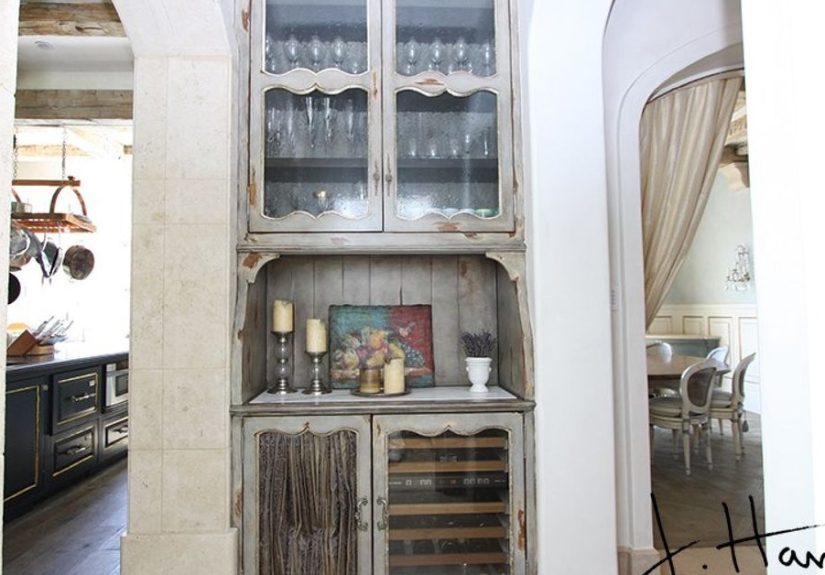
If you want your project to look vintage but not overly themed, try a soft neutral palette on a single accent piece. An old mirror frame in ivory and taupe can add texture without shouting across the room. For farmhouse style, try creamy white over weathered blue or muted green. For French-country charm, look at pale gray, soft blue, and linen shades. For a dramatic entry table or cabinet, black over metallic bronze or gold can create a striking antique vibe.
Crackle also pairs beautifully with other distressing techniques. Light sanding at the edges, a dark wax in the crevices, or a soft glaze can deepen the aged effect. The key is restraint. You want “beautifully worn,” not “survived a pirate ship explosion.”
Should You Seal a Crackle Finish?
It depends on how the piece will be used. Decorative objects such as frames or display boxes may not need much protection. Furniture that will be touched often, however, benefits from a protective top layer. A matte polyurethane, furniture wax, or low-sheen sealer can help preserve the finish without making it look too shiny.
If your goal is an authentically old appearance, avoid glossy sealers unless the design specifically calls for that look. Too much sheen can make the surface feel new again, which is a little awkward when you just worked so hard to make it look delightfully old.
Final Thoughts
Learning how to create a crackle finish is one of those satisfying DIY skills that delivers a lot of personality for a relatively simple process. With a base coat, a crackle medium, a contrasting topcoat, and a bit of patience, you can transform a plain or outdated piece into something that looks layered, storied, and intentionally charming.
The real trick is not just the materials. It is timing, restraint, and testing before you commit. Prep the surface well, choose colors with contrast, apply the crackle layer thoughtfully, and resist the urge to overwork the topcoat. Once you get the hang of it, you may start looking around your home for random objects that “could use a little crackle.” That is normal. Possibly inevitable.
Real-World Experiences and Lessons From Making a Crackle Finish
One of the funniest things about trying a crackle finish for the first time is how quickly confidence can turn into suspicion. At first, everything looks wrong. The piece is sanded, primed, and painted, and then you brush on that weird milky crackle medium and wonder if you have made a terrible life choice. Then the topcoat goes on, and for a few tense moments, it still looks like regular paint. But suddenly the surface begins to shift. Tiny lines open up. A little base color peeks through. The finish starts looking old in the best possible way, and you realize the process really does work if you let it.
Many DIYers learn the same lesson early: crackle is all about timing. If you rush from layer to layer, the finish can smear, lift, or crack in uneven patches that do not look intentional. If you wait too long, the medium may lose the tackiness needed to create a strong crackle pattern. That sweet spot is different depending on the product, the room temperature, and even the humidity. This is why experienced painters almost always recommend doing a test board first. It is not glamorous, but it is one of those grown-up DIY habits that saves money, time, and dramatic sighing.
Another common experience is discovering that color choice matters more than people expect. A perfectly good crackle finish can look underwhelming if the base coat and topcoat are too close in tone. On the other hand, a stronger contrast can make a simple thrifted piece look like a boutique-store find. Many people start cautiously with neutral colors, then get braver on later projects. Once you see how good soft white over dusty blue looks on a little table or picture frame, you begin to understand why painted furniture fans become slightly obsessed.
There is also the matter of overbrushing, which almost every beginner does once. Maybe twice. Fine, sometimes three times. You lay down the topcoat, notice one tiny streak, and think, “I will just smooth that out.” That innocent little decision can flatten the crackle effect or drag the layer underneath. The better approach is to accept a few imperfections and let the chemical reaction do its thing. Crackle finishes are not supposed to look machine-made. Their charm comes from variation.
People who stick with the technique usually become much more comfortable embracing that imperfection. They learn that slightly uneven cracks can look more authentic than a too-perfect finish. They learn that matte topcoats feel older and softer than glossy ones. They learn that edges, corners, and raised details are often where the finish looks most believable. Most of all, they learn that old furniture with good bones does not need to look brand-new to be beautiful. In fact, a crackle finish often works best when it leaves a little mystery behind, like the piece might have stories to tell but is not going to spill everything at once.