Table of Contents >> Show >> Hide
- What Is the Xbox 360 Towel Trick?
- Why the Towel Trick Became Popular
- Before You Try Anything: Understand the Red Lights
- How to Do the Xbox 360 Towel Trick: The Safe 7-Step Version
- Step 1: Turn Off the Xbox 360 Immediately
- Step 2: Let the Console Cool Naturally
- Step 3: Check the Power Supply Light
- Step 4: Clear Vents and Improve Airflow
- Step 5: Disconnect Accessories and Test Again
- Step 6: Back Up Your Saves If the Console Temporarily Works
- Step 7: Choose a Real Repair or Replacement Path
- Why You Should Not Use the Original Towel Trick
- Safer Fixes for Xbox 360 Red Ring Problems
- Common Mistakes to Avoid
- When Is an Xbox 360 Worth Repairing?
- Experience Notes: What It Feels Like to Deal With the Xbox 360 Towel Trick Era
- Conclusion
Important note: The Xbox 360 towel trick is a famous internet “fix” for the Red Ring of Death, but it is not a safe or reliable repair. The old trick involved intentionally overheating the console by blocking ventilation, which can damage the motherboard, worsen solder problems, harm internal parts, and create a fire risk. This article explains what the towel trick is, why people tried it, and the safer 7-step approach you should use instead if your Xbox 360 is flashing red lights.
What Is the Xbox 360 Towel Trick?
The Xbox 360 towel trick is one of the most legendary repair myths in gaming history. If the Red Ring of Death had a haunted campfire story, this would be it. Back in the golden age of wired controllers, plastic guitar peripherals, and shouting at friends through crunchy Xbox Live headsets, some Xbox 360 owners believed they could temporarily revive a dead console by wrapping it in towels and letting it overheat.
The idea was simple but risky: heat the console until internal components expanded enough to reconnect failing solder joints under chips such as the GPU or CPU. In some cases, the system might boot again for a short time. That tiny victory made the trick spread across forums, videos, and living rooms everywhere. Unfortunately, “it turned on once” is not the same as “it is fixed.” That is like calling a car repaired because it rolled downhill successfully.
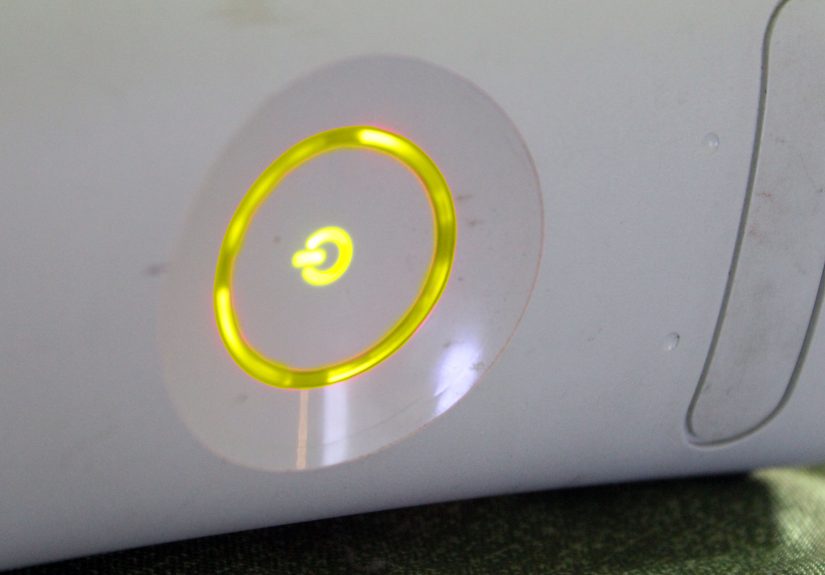
The Xbox 360 Red Ring of Death usually points to a hardware failure, power issue, overheating problem, or connection fault depending on the number of red lights shown. Two red lights generally mean overheating. Three red lights are commonly associated with general hardware failure. Four red lights on older original models often indicate an AV cable or display connection issue. Because different light patterns mean different problems, blindly overheating the console is the repair equivalent of using a toaster as a diagnostic tool.
Why the Towel Trick Became Popular
The Xbox 360 launched in 2005 and became one of the most beloved consoles of its generation. It gave players Halo 3, Gears of War, Mass Effect, BioShock, Skyrim, and enough achievement points to make ordinary chores feel emotionally unrewarding. But early models also became infamous for hardware failures, especially the dreaded Red Ring of Death.
When warranties expired and official repair options were inconvenient, players searched for quick fixes. The towel trick offered hope because it required no tools, no parts, and no technical skill. Just towels, electricity, and optimismthe three ingredients of many bad decisions. Some users reported temporary success, but technicians and repair communities have long warned that forced overheating can make the real problem worse.
Modern repair advice focuses on diagnosis, cooling, cleaning, proper power checks, and professional board-level repair when needed. That may sound less dramatic than wrapping a console like a burrito, but it is also less likely to turn your entertainment center into a cautionary tale.
Before You Try Anything: Understand the Red Lights
Before attempting any Xbox 360 repair, identify what the console is actually telling you. The ring of light on original Xbox 360 models is not just decorative sci-fi jewelry; it is a basic warning system.
One Red Light
One red light often indicates a hardware error and may appear with an on-screen error code such as E74. In this case, start by disconnecting accessories, checking video cables, removing and reseating the hard drive, and restarting the console after a full power cycle.
Two Red Lights
Two red lights usually mean the Xbox 360 is overheating. The correct move is to shut it down, unplug it, clear blocked vents, move it to an open area, and let it cool. Do not trap heat inside the system. Your console is already complaining about heat; adding towels is like giving sunscreen to a snowman.
Three Red Lights
Three red lights are the classic Red Ring of Death. This can involve motherboard stress, solder joint failure, GPU or CPU problems, power delivery issues, or other internal faults. A temporary boot after overheating does not solve the root cause.
Four Red Lights
On many original Xbox 360 consoles, four red lights point to an AV cable or display connection problem. Check the cable, TV input, and connectors before assuming the console is dead. Sometimes the “Red Ring of Doom” is really the “Cable Was Loose of Mild Embarrassment.”
How to Do the Xbox 360 Towel Trick: The Safe 7-Step Version
Because intentionally overheating electronics is unsafe, the responsible version of this guide does not instruct you to wrap a powered-on Xbox 360 in towels. Instead, these seven steps explain how to respond to the same problem the towel trick was meant to solvewithout cooking your console.
Step 1: Turn Off the Xbox 360 Immediately
If your Xbox 360 shows red lights, freezes, shuts down, or displays an overheating warning, power it off. Do not keep restarting it repeatedly. Repeated boot attempts can increase heat stress and may worsen a weak solder joint or failing component.
Press the power button once, wait for the system to shut down, and unplug the power cable from the back of the console. Also unplug the power supply from the wall. Let both the console and the power brick sit undisturbed.
Step 2: Let the Console Cool Naturally
Give the Xbox 360 at least 30 to 60 minutes to cool in an open, dry, room-temperature space. Place it somewhere with airflow on all sides. Do not put it in a cabinet, entertainment center cubby, blanket pile, or the mysterious dusty zone behind the TV where cables go to retire.
Cooling matters because the Xbox 360’s internal chips, heat sinks, and motherboard expand and contract with temperature changes. The more aggressively you heat and cool the console, the more stress you may place on already fragile connections.
Step 3: Check the Power Supply Light
The Xbox 360 power brick has its own indicator light. A green light generally means the console is receiving power while turned on. Orange often means standby. A red or flashing orange light may indicate the power supply itself is overheating or failing.
Unplug the power supply for at least 30 minutes if it shows a red or unusual light. Then plug it directly into a wall outlet rather than a crowded power strip. If the power supply remains red, makes unusual noises, smells hot, or fails to power the console, replacement may be safer than continuing to test it.
Step 4: Clear Vents and Improve Airflow
Dust is the quiet villain of old electronics. It sneaks into vents, coats fans, insulates heat sinks, and waits patiently while your console slowly becomes a tiny space heater. Check all vents on the Xbox 360 and remove visible dust with short bursts of compressed air.
Keep the console horizontal or vertical only if it is stable and well ventilated. Avoid stacking games, routers, controllers, or decorative objects on top of it. A console needs breathing room. It is not a bookshelf, a candle stand, or a shrine to your unfinished game backlog.
Step 5: Disconnect Accessories and Test Again
Once the console has cooled and the vents are clear, reconnect only the essentials: power cable, video cable or HDMI cable, and one controller if needed. Leave the hard drive, memory units, USB devices, and extra accessories disconnected for the first test.
If the console boots, turn it off again and reconnect accessories one at a time. This helps identify whether a hard drive, cable, or peripheral is contributing to the issue. If the red lights return after adding one item, you have a useful clue.
Step 6: Back Up Your Saves If the Console Temporarily Works
If your Xbox 360 powers on after cooling and cleaning, do not celebrate by launching a six-hour gaming marathon. Use that temporary window wisely. Back up saved games and important data to a compatible storage device or cloud saves if your account and console setup support it.
Temporary recovery is common with aging electronics. The system may work for a few minutes, a few days, or one dramatic final session of Call of Duty. Treat any successful boot as an opportunity to preserve data, not proof that the issue has vanished.
Step 7: Choose a Real Repair or Replacement Path
If the Xbox 360 continues showing red lights, consider a proper repair. Common real-world fixes may include replacing dried thermal paste, cleaning internal dust, reseating heat sinks, repairing the power supply, replacing a faulty fan, or performing professional reflow or reball work on solder joints. These tasks require tools, parts, and experience.
If the console has sentimental value, limited-edition hardware, or rare local data, professional repair may be worth exploring. If not, buying a working used Xbox 360 or playing backward-compatible titles on newer Xbox hardware may be more practical. The towel trick is not a repair plan; it is a dramatic pause before the same problem returns wearing sunglasses.
Why You Should Not Use the Original Towel Trick
The original towel trick depends on blocking ventilation while the Xbox 360 is powered on. That is the opposite of what electronics need. Consoles are designed to move heat away from chips and out through vents. Blocking that airflow can raise internal temperatures quickly and unpredictably.
Even if overheating briefly changes the physical shape of solder joints enough for the console to start, the effect is usually temporary. The cracked or weakened connection remains. Worse, excessive heat may damage capacitors, warp the motherboard, degrade thermal paste, stress the GPU, weaken plastic parts, or shorten the life of components that were not failing yet.
There is also the basic safety issue: towels are fabric, fabric can trap heat, and trapped heat near electrical hardware is a bad combination. The Xbox 360 may be a gaming icon, but it does not need a sauna day.
Safer Fixes for Xbox 360 Red Ring Problems
Power Cycle the Console
Unplug the console and power supply, wait at least 10 minutes, then reconnect everything securely. A power cycle will not fix broken solder, but it can clear temporary faults and help you restart troubleshooting from a clean baseline.
Inspect the Cables
Loose AV, HDMI, or power cables can cause confusing symptoms. Check both ends of every cable. If possible, test with another known-working cable. Many “dead console” moments have been solved by pushing a connector in all the way, followed by a quiet moment of humility.
Clean External Dust
Use compressed air in short bursts around vents. Avoid vacuuming directly against the console, and do not use a hair dryer, which may add heat or static risk. If the console has never been cleaned internally and you are comfortable with electronics repair, internal dust removal may help, but opening the console can be tricky and may damage clips or components if done carelessly.
Replace Thermal Paste
Old thermal paste can dry out and reduce heat transfer between chips and heat sinks. Replacing thermal paste is a common maintenance step for aging consoles, but it requires disassembly. Use proper tools, apply paste sparingly, and make sure heat sinks are seated correctly.
Consider Professional Board Repair
For true Red Ring of Death failures involving solder joints under major chips, professional repair may require reflow or reball work using specialized equipment. DIY heat guns, ovens, and towel tricks are unpredictable. A professional repair station can control temperature more accurately and reduce collateral damage.
Common Mistakes to Avoid
Do Not Keep Forcing Restarts
If the console fails repeatedly, constant restarts only add heat cycles. Stop, unplug, and diagnose.
Do Not Block the Fans
Blocked fans and vents are the heart of the towel trick problem. Your Xbox 360 is asking for airflow, not a winter coat.
Do Not Bake the Motherboard in a Kitchen Oven
Some repair myths suggest oven-baking electronics. This is unsafe, imprecise, and may release unpleasant fumes or contaminate food-preparation equipment. Your oven should handle pizza, not GPUs.
Do Not Ignore the Power Brick
A failing power supply can mimic console failure. Always check the power brick light before assuming the motherboard is dead.
When Is an Xbox 360 Worth Repairing?
An Xbox 360 may be worth repairing if it is a special edition, contains important local saves, has nostalgic value, or supports games you still play on original hardware. Collectors may also prefer repairing a specific motherboard revision or console shell.
However, if repair costs exceed the price of a clean working replacement, replacing the unit may make more sense. Used Xbox 360 consoles are still common in many markets. Before buying one, check that it powers on, reads discs, connects to controllers, and does not show overheating warnings after 20 to 30 minutes of use.
Experience Notes: What It Feels Like to Deal With the Xbox 360 Towel Trick Era
Anyone who lived through the Xbox 360’s Red Ring era remembers the emotional roller coaster. One day you were happily playing Halo 3 with friends, and the next day your console blinked three red lights at you like a tiny robot delivering bad news. It was not just a hardware failure; it felt personal. The console had been part of late-night matches, split-screen chaos, downloadable arcade discoveries, and dramatic dashboard updates. Then suddenly, it sat there glowing red like it had joined the dark side.
The towel trick became popular because it gave players something to do when they felt helpless. It was cheap, simple, and weirdly theatrical. You wrapped the machine, waited nervously, and hoped the gaming gods would smile upon your overheating rectangle. For a few people, the console came back long enough to recover a save file or play one last session. That temporary success made the trick feel magical. But the magic was usually short-lived.
The experience also taught many players an important lesson about electronics: a temporary boot is not the same as a repair. If a device only works after being overheated, tapped, twisted, tilted, or begged politely, the real issue is still there. The Xbox 360 towel trick sits in the same category as blowing into cartridges or smacking the side of an old television. Sometimes it appears to work, but it is not a controlled technical solution.
For anyone handling an old Xbox 360 today, the best mindset is preservation rather than desperation. These consoles are now retro gaming hardware. They deserve careful cleaning, proper ventilation, stable power, and gentle troubleshooting. If the console powers on, back up your saves. If it overheats, let it cool. If it keeps failing, decide whether repair is worth the money and effort. Do not sacrifice a collectible console for a risky trick that might only buy ten minutes of dashboard access.
There is also a nostalgic charm in remembering how creative gamers became. Forums were full of wild ideas, from fan mods to penny fixes to homemade cooling setups that looked like science fair projects with emotional baggage. Some advice was helpful. Some advice was chaos wearing a screwdriver belt. The towel trick survived because it sounded easy and dramatic, but time has made the lesson clearer: heat caused many Xbox 360 problems, and more heat was rarely the answer.
If your Xbox 360 still works, treat it kindly. Keep it clean, give it airflow, avoid marathon sessions in hot rooms, and store it somewhere dry. If it fails, troubleshoot calmly. The goal is not to recreate an old internet legend. The goal is to keep your games, saves, and memories alive without turning your console into a heated blanket with HDMI output.
Conclusion
The Xbox 360 towel trick became famous because it promised a fast fix for one of gaming’s most frustrating hardware failures. But the original methodwrapping a powered console in towels to force overheatingis risky, temporary, and not recommended. A smarter approach is to identify the red-light pattern, cool the console naturally, check the power supply, clean vents, disconnect accessories, back up data if the system boots, and choose a real repair or replacement path.
In other words, do not cook your Xbox 360. Diagnose it. Your console may be old enough to have vintage swagger, but it still deserves better than being treated like leftovers.