Table of Contents >> Show >> Hide
- Why Road Salt Leaves Those Ugly White Stains
- Before You Start: Prep Work That Makes Cleaning Easier
- Step-by-Step: How to Remove Salt Stains from Carpets and Mats
- How to Clean Different Surfaces: Mats, Seats, and Hard Trim
- What Not to Do When Removing Salt Stains
- How to Prevent Salt Stains Next Winter
- Real-World Experiences: Lessons from Fighting Salt Stains
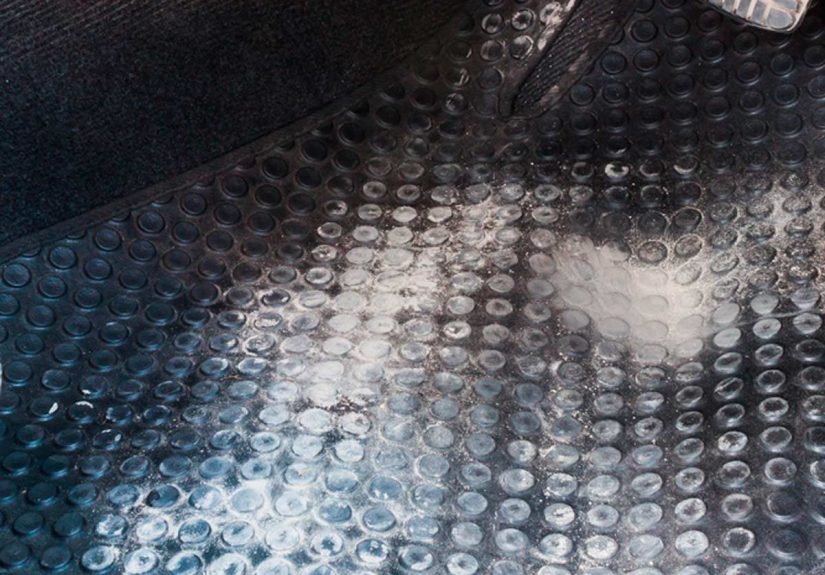
Winter driving comes with a lot of perks (cozy road trips, holiday playlists, questionable gas-station hot chocolate), but it also brings one not-so-cute side effect: those chalky white salt stains all over your car’s interior. One day your floor mats look normal, and the next they resemble a dried-up salt flat. The good news? You don’t need a full professional detail to fix it. With a few household supplies and a little elbow grease, you can get rid of salt stains in your car and keep the interior from looking like it survived the Ice Age.
In this guide, inspired by practical tips from Family Handyman and professional detailing pros, we’ll walk through why road salt stains happen, how to remove them step-by-step, what not to do, and how to prevent the mess next winter. By the end, you’ll have a simple system you can repeat every seasonno fancy gear required, just a good spray bottle and a willingness to kneel on your driveway for a few minutes.
Why Road Salt Leaves Those Ugly White Stains
Road salt is great for safety and terrible for clean carpets. Cities typically use a mix of salts like sodium chloride and calcium chloride to melt ice. As you walk through slushy parking lots, that salty water sticks to your shoes and boots. When it dries inside your car, the moisture evaporates and leaves behind mineral depositsthe white, crusty rings you see on carpet, floor mats, and even the lower edges of your seats. Over time, those deposits stiffen fibers, trap moisture, and can even contribute to odors and mold growth if you never fully dry the area.
Besides being an eyesore, salt can gradually weaken carpet backing and fabric, making stains harder to remove the longer they sit. That’s why pros recommend tackling salt stains at least once a season, and more often if you live somewhere that dumps salt on the roads from November to…basically April.
Before You Start: Prep Work That Makes Cleaning Easier
Gather your basic cleaning kit
You don’t need a full detailer’s van to remove salt stains. Most guidesand many prosrecommend a simple set of supplies you probably already own:
- Vacuum or shop vac (a wet/dry vacuum is ideal)
- Spray bottle
- White distilled vinegar
- Warm water (not boiling hot)
- Stiff-bristle carpet brush or scrub brush
- Microfiber cloths or clean absorbent towels
- Optional: upholstery cleaner or dedicated salt stain remover, rubber gloves, small fan or portable heater for drying
Family Handyman and several car-care brands all lean on a simple vinegar-and-water mix as the hero solution. Vinegar is mildly acidic, which helps dissolve the alkaline salt deposits so they can be lifted out of the fabric rather than just moved around.
Protect the rest of your interior
Before you start spraying anything:
- Remove removable mats and work on them outside the car if possible.
- Slide the seats back so you can reach the entire footwell.
- Move cords, bags, and anything else that could get wet or stained.
- Test your cleaning solution on a small, hidden area to make sure there’s no discoloration.
If your car has delicate trim, electronics, or aftermarket sound deadening exposed under the seats, go light with the moisture. You want “damp and dissolving,” not “oops, I just flooded the floor pan.”
Step-by-Step: How to Remove Salt Stains from Carpets and Mats
Step 1: Vacuum thoroughly
Start by vacuuming all loose dirt and salt crystals. This is importantif you skip it, you’ll just be pushing gritty salt deeper into the fibers when you start scrubbing. Use the crevice tool to get along the edges, under the pedals, and where the carpet meets the door sill.
Step 2: Mix a vinegar-and-water solution
In a spray bottle, mix:
- 50% warm water
- 50% white vinegar
Many detailers recommend this 1:1 ratio, though you can dilute it a bit more (for example, 2 parts water to 1 part vinegar) for sensitive fabrics or light staining. The key is enough acidity to dissolve salt without overwhelming your nose.
If the vinegar smell bothers you, don’t worryonce everything is dry and aired out, it usually fades. You can also crack the doors or leave the windows open in a garage while things dry.
Step 3: Spray and let it soak
Lightly spray the stained areas until the carpet or mat is damp, not dripping. The goal is to wet the salt enough that it dissolves and releases from the fibers. Let it sit for about 3–5 minutes so the solution can work its magic. On heavier stainsthose thick, crusty patchesit’s okay to re-spray once if the area soaks the solution up quickly.
Step 4: Agitate with a brush
Using a stiff-bristle brush, scrub the area in short, overlapping strokes. You’ll often see the white salt lines start to smear and disappear as they dissolve. Work the cleaner into the carpet from multiple directions to reach fibers from all angles.
For severe cases, detailers sometimes use drill-mounted brush attachments with carpet-safe bristles. If you go that route, use a light touch and keep the brush moving so you don’t damage the fabric or fuzz up the fibers.
Step 5: Blot or extract the moisture
Now you need to get that salt-loaded liquid out of the carpet. That’s where a wet/dry vac or extractor comes in handy. Slowly run the vacuum over the wet area, overlapping passes, until you’re not seeing much moisture come up.
No extractor? No problem. Press dry microfiber cloths or towels firmly into the carpet, lift, and repeat with clean sections of towel. Avoid wipingblotting is more effective at pulling liquid up instead of just moving it around.
Step 6: Rinse lightly and dry completely
To reduce vinegar residue and remove any remaining salt, lightly mist the area with plain warm water, then vacuum or blot again. Don’t soak the carpettoo much water can saturate the padding underneath and invite mold.
Finally, let everything dry completely. Open doors, crack windows in a safe place, or aim a small fan at the area. Don’t reinstall removable mats or cover the damp carpet with rubber mats until it’s fully dry; otherwise, you trap moisture and create a funky-smelling science experiment.
How to Clean Different Surfaces: Mats, Seats, and Hard Trim
Carpet and cloth floor mats
For carpeted mats, follow the same basic procedure:
- Remove the mats from the car.
- Shake or brush off loose debris.
- Vacuum thoroughly.
- Spray with vinegar solution, let sit, scrub, then blot or extract.
- Rinse lightly with clean water and let them dry fully before putting them back.
Some detailing guides caution against using high-pressure washers up close on carpeted mats; powerful jets can fray fibers or separate the backing. Gentle is betteryou’re not trying to strip paint off a deck; you’re just evicting salt.
Rubber and all-weather mats
Rubber mats are much easier. Remove them, hose them off, then scrub with a mild cleaner or a diluted vinegar solution to remove the white salt haze. Rinse well and let them dry completely. Avoid glossy dressings on the top surfaceif they get slick, your feet can slip off the pedals at the worst possible time.
Cloth seats and upholstery
If salt made it up onto your cloth seats, treat them like delicate carpet:
- Vacuum first.
- Lightly mist with a diluted vinegar solution.
- Use a soft brush or upholstery brush (stiffer bristles can damage fabric).
- Blot with microfiber cloths, then let dry thoroughly.
Go easy on the liquid. Seat foam holds onto moisture, and if it stays damp inside, you can have lingering musty smells or even mildew. If you’re unsure, make several lighter passes instead of one heavy soaking.
Hard surfaces and plastic trim
Salt streaks on plastic door sills or metal trim are usually easy: a damp microfiber cloth with a little all-purpose interior cleaner will wipe them away. Just be careful not to let strong cleaners drip onto the carpet below; spray your cloth, not the surface, when you’re working close to the floor.
What Not to Do When Removing Salt Stains
Salt stains are annoying, but they’re not an excuse to go full mad scientist. Skip these common mistakes:
- Don’t flood the carpet. Over-saturating the area can soak the underlay and cause long-term mold and odor issues.
- Don’t use bleach or harsh household chemicals. They can discolor the carpet, weaken fibers, or react with other cleaners.
- Don’t skip the drying step. If it still feels cool or damp, it’s not dry yet. Give it more time or airflow.
- Don’t ignore the stains until spring. The longer salt sits, the deeper it can work into fibers and the harder it is to remove.
How to Prevent Salt Stains Next Winter
Invest in the right floor mats
A good set of rubber or all-weather mats is your first line of defense. Look for mats with deep channels or raised edges that trap salty slush so it doesn’t overflow onto the carpet underneath. They’re easier to pull out, rinse, and reinstall than trying to deep-clean factory carpet every month.
Knock off snow and slush before you get in
It’s simple but effective: before getting into the car, stomp your boots together or wipe them on a brush or boot scraper. The less slush you bring in, the less salt you have to deal with later.
Clean and vacuum regularly during winter
AAA and other car-care experts recommend regular interior cleaning in wintervacuuming mats, wiping down surfaces, and washing the exterior and underbody to remove salt. Treating stains while they’re fresh is always easier than attacking a season’s worth of buildup in April.
Make it a habit: pick a recurring day every couple of weeks to do a quick winter tidy. Five to ten minutes of vacuuming and wiping can save you from an hour-long spring cleaning marathon.
Consider a seasonal detail
If you live in a heavy-salt region or your car does high mileage, a professional detail once or twice a year can reset everything. Pros have hot-water extractors, specialized cleaners, and tricks for deep salt removal. Think of it as a “hard reset” for your interior, then use the DIY method above for maintenance.
Real-World Experiences: Lessons from Fighting Salt Stains
The first time most people notice salt stains, it’s usually not a graceful moment. It’s more like: you open the door on the first warm day of spring, glance down, and say, “Wow, my floor mats look like they’ve been dusted with powdered donuts.” If you’ve been there, you’re definitely not alone.
One common experience is underestimating how far salt travels. It doesn’t just stay under the pedals. It creeps up the sides of the footwells, edges of the center console, and even underneath the seats. The first time you pull a seat all the way back and shine a light, you might discover a secret colony of dried salt rings plus a bonus French fry from 2018. That’s why it helps to occasionally do a “deep scan” of your interior instead of only cleaning the obvious spots.
Another lesson many drivers learn the hard way is the danger of “just hot water.” The logic makes sensesalt dissolves in water, so just dump some on and scrub, right? In reality, this often leads to a temporarily cleaner surface but a permanently damp underlayer. The result: smells. Musty, wet-dog, gym-bag smells that never completely go away. That’s when people realize why pros are obsessed with extraction and air drying, not just spraying and scrubbing.
People who’ve successfully beaten salt stains tend to share a few habits:
- They treat salt removal like a quick routine, not an annual crisis. Ten minutes with a spray bottle and a shop vac every few weeks feels a lot less painful than a three-hour deep clean once a year.
- They keep a “winter kit” in the garage. One spray bottle premixed with vinegar solution, a dedicated brush, and a couple of old towels make it easy to clean on a whim when the weather cooperates.
- They don’t wait for perfect conditions. Is it slightly above freezing and not actively snowing? That’s good enough for a quick interior salt attack.
There’s also the emotional side. A clean interior makes winter driving feel less chaotic. When your floor mats are crusted with salt, slush, and gravel, the whole car feels neglected, even if you just changed the oil and rotated the tires. Once you see those mats return to their original color, the car feels newer and more cared foreven if it’s got 150,000 miles and a collection of coffee stains you’re still pretending not to notice.
Some drivers even turn it into a mini ritual: at the first big thaw, they wash the exterior, rinse the underbody, then tackle the salt stains inside. It’s like saying, “Okay winter, you gave it your best shot, but I win.” With a simple processvacuum, vinegar solution, scrub, extract, and dryyou’ll get faster every time you do it. Eventually, cleaning salt stains becomes just another part of staying on top of car care, not a once-a-year surprise.
The main takeaway from all these experiences? Salt stains only look intimidating. With the right approach, you don’t need expensive tools or a professional appointment. You just need a plan, a few basic supplies, and the determination to keep your car from turning into a portable snowbank on wheels.