Table of Contents >> Show >> Hide
- What Are Squash Bugs?
- How to Identify Squash Bugs at Every Stage
- Why Squash Bugs Are So Destructive
- The Best Time to Fight Squash Bugs
- How to Get Rid of Squash Bugs: The Most Effective Methods
- 1. Scout Your Plants Every Few Days
- 2. Remove and Destroy the Eggs
- 3. Handpick Nymphs and Adults
- 4. Use Boards, Cardboard, or Newspaper as Traps
- 5. Clean Up Plant Debris and Hiding Spots
- 6. Use Floating Row Covers Early
- 7. Grow Less Susceptible Varieties
- 8. Keep Plants Healthy but Not Overcrowded
- 9. Encourage Natural Enemies
- 10. Use Insecticidal Soap, Neem, or Other Labeled Products Carefully
- Common Mistakes That Make Squash Bugs Worse
- A Practical Squash Bug Control Plan for Home Gardeners
- Experience-Based Lessons From Real Squash Bug Battles
- Conclusion
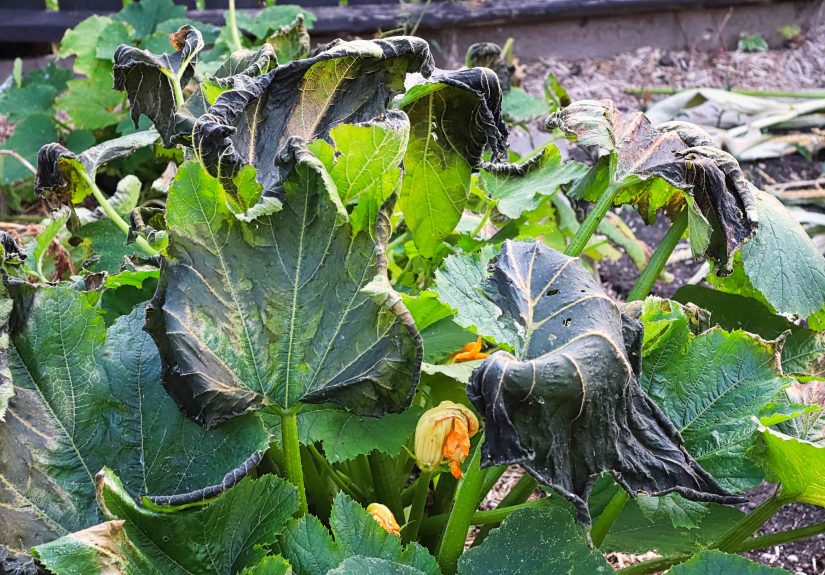
If you grow zucchini, yellow squash, pumpkins, or other cucurbits, there is a decent chance you have already met the squash bug. Not formally, of course. It usually shows up like an uninvited relative: lurking under leaves, draining your plants, and acting offended when you try to remove it. One week your squash patch looks lush and unstoppable. The next, the leaves are speckled, wilted, and suddenly giving end-of-summer drama in the middle of the season.
The good news is that squash bugs are beatable. The bad news is that they are not the kind of pest you can ignore and hope will develop hobbies elsewhere. If you want to protect your harvest, the best strategy is early action, consistent scouting, and a layered approach that combines prevention, hand removal, barriers, and targeted treatment when necessary.
This guide breaks down exactly how to get rid of squash bugs before they ruin your harvest, including how to identify them, when they are most vulnerable, and what methods work best in a home garden without turning your backyard into a chemistry experiment gone rogue.
What Are Squash Bugs?
Squash bugs are sap-sucking insects that attack cucurbit crops, especially squash and pumpkins. Their scientific name is Anasa tristis, which sounds like a villain in a Latin opera, and honestly, that feels fair. These pests feed by piercing plant tissue and sucking out juices, which disrupts the plant’s ability to move water and nutrients. The result is yellow speckling, browning, wilting, scorched-looking leaves, and in severe infestations, plant collapse.
They are especially troublesome on zucchini, yellow summer squash, and pumpkins. Some crops are less attractive or more tolerant, including butternut squash and certain winter squash types. That does not mean those plants are immune. It just means the squash bugs may judge your zucchini first.
How to Identify Squash Bugs at Every Stage
Eggs
Squash bug eggs are small, oval, and usually coppery, bronze, or yellowish-brown. They are often laid in clusters on the undersides of leaves, especially where leaf veins form a V shape. If you spot them early, congratulations: you are catching the problem before it turns into a tiny marching army.
Nymphs
Newly hatched nymphs are small and often pale green to gray with dark legs and heads. Young nymphs tend to cluster together and are much easier to control than adults. This is the stage where your effort pays off fastest, because soft-bodied young bugs are more vulnerable to physical removal and lower-impact treatments.
Adults
Adult squash bugs are flat-backed, grayish-brown to brownish-black insects about 5/8 inch long. They move quickly, hide well, and like to shelter under leaves, fruit, boards, mulch, and plant debris. When crushed, they smell unpleasant, which feels rude considering they started it.
Why Squash Bugs Are So Destructive
Squash bugs damage plants in several ways. First, their feeding causes stippling and yellow spots that later turn brown. Second, heavy feeding interferes with water flow, which leads to wilting even when the soil is moist. Third, they can scar fruit and reduce yields. In some areas, they are also associated with yellow vine decline, a serious disease problem in cucurbit crops.
Young plants are especially vulnerable. A mature vine can sometimes limp along through an infestation, but seedlings and newly established plants may be overwhelmed quickly. That is why timing matters so much. If you wait until the plant looks miserable, the bugs are already ahead on points.
The Best Time to Fight Squash Bugs
The most effective time to control squash bugs is early in the season, when you first notice eggs and young nymphs. Adults are tougher to kill, better at hiding, and more difficult to manage with sprays. In many regions, squash bugs overwinter as adults in protected places such as crop residue, wood piles, mulch, debris, and weedy edges. Once warm weather returns, they emerge, mate, and begin laying eggs.
That means your pest control plan should start before the infestation becomes obvious. The gardener who flips leaves regularly usually wins. The gardener who says, “I’ll check tomorrow,” often ends up talking sternly to a wilted zucchini plant.
How to Get Rid of Squash Bugs: The Most Effective Methods
1. Scout Your Plants Every Few Days
Check the undersides of leaves, stems, the base of the plant, and the soil surface around the crown. Look for egg clusters, nymph groups, and hiding adults. Weekly scouting is the bare minimum during active season, but every few days is better if you have had squash bugs before.
This is the simplest habit that separates a manageable issue from a full-blown infestation. If you catch one egg mass today, you may prevent dozens of feeding nymphs next week.
2. Remove and Destroy the Eggs
Egg removal is one of the most effective nonchemical controls. Crush the eggs, scrape them off with a fingernail or dull knife, or remove the affected leaf section if the infestation is small. Some gardeners use duct tape to lift eggs and small nymphs from leaves. It sounds odd until it works, and then it feels like genius.
3. Handpick Nymphs and Adults
Drop nymphs and adults into a bucket of soapy water. Do this early in the morning when bugs are slower and easier to catch. Adults are fast and good at ducking behind stems, so move deliberately and check under foliage carefully.
If you only have a few plants, handpicking can make a huge difference. It is not glamorous, but neither is watching your harvest collapse while the bugs throw a garden banquet.
4. Use Boards, Cardboard, or Newspaper as Traps
Lay boards, shingles, cardboard, or folded newspaper near plants in the evening. Squash bugs often gather underneath these shelters overnight. In the morning, lift the trap and dispatch the bugs. This method is wonderfully low-tech and weirdly satisfying.
It also works well for gardeners who know the bugs are present but cannot seem to catch them during the day. Think of it as offering them a tiny motel and then checking them out permanently at sunrise.
5. Clean Up Plant Debris and Hiding Spots
Sanitation matters. Remove dead leaves, spent vines, overripe fruit, and garden clutter during the season. At the end of harvest, pull and dispose of cucurbit residue so adult squash bugs have fewer places to overwinter. Keep nearby weeds and brush under control, and do not leave old mulch or plastic lying around if it is providing shelter.
In gardens with chronic squash bug pressure, reducing hiding places can make next season noticeably easier.
6. Use Floating Row Covers Early
Floating row covers are one of the best preventive tools for young squash plants. Put them in place at planting or transplanting, making sure the edges are sealed well so adults cannot sneak underneath. Remove covers when plants begin flowering so pollinators can do their job, unless you are prepared to hand-pollinate and monitor for heat buildup.
Row covers work best before bugs arrive. Putting them on after adults have already laid eggs is a bit like locking the door after the raccoons are in the pantry.
7. Grow Less Susceptible Varieties
If squash bugs are a recurring nightmare in your garden, variety selection can help. Butternut squash, Royal Acorn, Sweet Cheese pumpkin, cushaw, and other Cucurbita moschata types are often less attractive or more tolerant than zucchini and yellow summer squash. You do not have to give up summer squash entirely, but mixing in more tolerant varieties can reduce losses.
8. Keep Plants Healthy but Not Overcrowded
Well-watered, well-fed plants tolerate damage better than stressed ones. Give squash adequate spacing, sunlight, and consistent moisture. Avoid overcrowding, which creates dense hiding places and makes scouting harder. Healthy plants are not bug-proof, but they are more resilient.
9. Encourage Natural Enemies
Predators such as spiders, ground beetles, and certain beneficial insects may help reduce squash bug numbers. Tachinid flies are especially interesting because they parasitize squash bugs. A garden with plant diversity and fewer broad-spectrum insecticide sprays tends to support more natural enemies over time.
Biological control alone usually will not solve a heavy infestation in a home garden, but it can support a broader integrated pest management approach.
10. Use Insecticidal Soap, Neem, or Other Labeled Products Carefully
If handpicking and egg removal are not enough, use products labeled for squash bugs and edible crops, and always follow the label. Insecticidal soaps and neem-based products may help against small nymphs, especially when you achieve thorough coverage on leaf undersides and within the canopy. These products are far less effective on large nymphs and adults.
Some gardeners may need stronger products such as carbaryl, permethrin, bifenthrin, or other registered insecticides, depending on local labels and infestation pressure. If you go that route, target young nymphs, spray early morning or late evening when pollinators are less active, and direct the spray where the bugs actually hide. Spraying the top of a leaf while the bugs are partying underneath is not a strategy. It is performance art.
Common Mistakes That Make Squash Bugs Worse
- Waiting until leaves are badly wilted before taking action
- Ignoring egg masses because they “look small”
- Leaving row covers on too loosely, allowing bugs inside
- Spraying adults only, while missing younger stages
- Leaving old vines, fruit, mulch, and debris in the garden after harvest
- Growing the same susceptible squash in the same messy spot year after year
A Practical Squash Bug Control Plan for Home Gardeners
If you want a simple action plan, use this:
- Start checking plants as soon as they are established.
- Inspect leaf undersides every few days for eggs.
- Crush eggs immediately.
- Handpick nymphs and adults into soapy water.
- Set out board traps at night and check them in the morning.
- Use row covers early, then remove at bloom.
- Keep the patch clean during and after the season.
- Use labeled treatments only when necessary, focusing on young nymphs.
That combination is far more effective than relying on one silver-bullet method. Squash bugs thrive when gardeners are inconsistent. They struggle when the garden is monitored, cleaned up, and managed in layers.
Experience-Based Lessons From Real Squash Bug Battles
Gardeners who deal with squash bugs year after year often say the same thing: the infestation rarely starts with a dramatic plant collapse. It starts with small clues that are easy to dismiss. A few bronze eggs on one leaf. A little yellow stippling. One adult bug that seems annoying but not alarming. Then a hot week passes, the eggs hatch, and suddenly the patch looks like it needs counseling.
One of the most common experiences is discovering that zucchini is basically the appetizer tray. In many home gardens, zucchini and yellow summer squash get hit first and hardest, while butternut nearby looks comparatively calm. That does not mean butternut is invincible, but it often confirms what extension guidance suggests: crop choice matters more than many gardeners realize.
Another pattern gardeners notice is that morning inspections are dramatically more productive than afternoon ones. At sunrise, adults are slower, easier to spot, and more likely to be found under boards, cardboard, or low leaves. By midday, they seem to develop ninja training. This is why so many experienced growers make squash bug patrol part of their early watering routine. Coffee in one hand, soapy bucket in the other, dignity optional.
There is also a very real difference between gardens that get checked regularly and gardens that get checked “when there’s time.” In small backyard plots, five minutes every other day usually beats one heroic, frustrated hour after the plants are already wilting. People who stay ahead of the egg stage tend to report manageable damage. People who miss the first wave of eggs often spend the rest of summer chasing nymphs and wondering why the bugs seem to multiply out of spite.
Many gardeners also learn the hard way that mulched, overgrown, or cluttered squash beds can become luxury housing for pests. Dense vines and sheltered debris create perfect hiding places. Once people thin the chaos, remove old leaves, and stop letting overripe squash lounge around on the ground like forgotten props, scouting gets easier and pressure often drops.
Another useful lesson comes from row covers. Gardeners who install them early and seal the edges well often report excellent protection for young plants. Gardeners who toss them on casually, leave gaps, or wait until bugs are already present usually get disappointing results. Row covers are preventive, not magical. They work best when used before adults reach the plants.
Finally, experienced growers tend to become less obsessed with total bug elimination and more focused on keeping plants productive. That shift matters. A few squash bugs do not always mean disaster. But a neglected infestation absolutely can. The goal is not to create an insect-free fantasy garden. The goal is to harvest healthy squash before the bugs turn your vines into a cautionary tale. With steady scouting, fast egg removal, smart sanitation, and timely intervention, that goal is very realistic.
Conclusion
Squash bugs are one of the most frustrating pests in the vegetable garden, but they are not unbeatable. The secret is to act early, stay consistent, and combine several methods instead of relying on one dramatic fix. Check leaves often, destroy egg masses, trap and handpick bugs, protect young plants with row covers, clean up debris, and use labeled treatments only when needed. Do that, and your squash patch has a much better chance of producing zucchini, pumpkins, and winter squash for your table instead of for the local bug population.