Table of Contents >> Show >> Hide
- What Is Jessenia Pothos?
- Why Jessenia Pothos Is So Popular
- Best Light for Jessenia Pothos
- How to Water Jessenia Pothos Without Drowning It
- The Right Soil and Potting Mix
- When and How to Repot Jessenia Pothos
- Temperature and Humidity Needs
- How to Fertilize Jessenia Pothos
- Pruning and Training for a Fuller Plant
- How to Propagate Jessenia Pothos
- Common Problems and How to Fix Them
- Is Jessenia Pothos Safe for Pets and Kids?
- How to Make Jessenia Pothos Thrive, Not Just Survive
- Final Thoughts
- Real-Life Experiences Growing and Caring for Jessenia Pothos
Some houseplants demand a humidifier, a special fertilizer schedule, a moon-phase consultation, and possibly emotional support. Jessenia pothos is not one of them. This plant is refreshingly chill. It is elegant without being dramatic, colorful without screaming for attention, and forgiving enough that even slightly forgetful plant owners can still look like they know what they are doing.
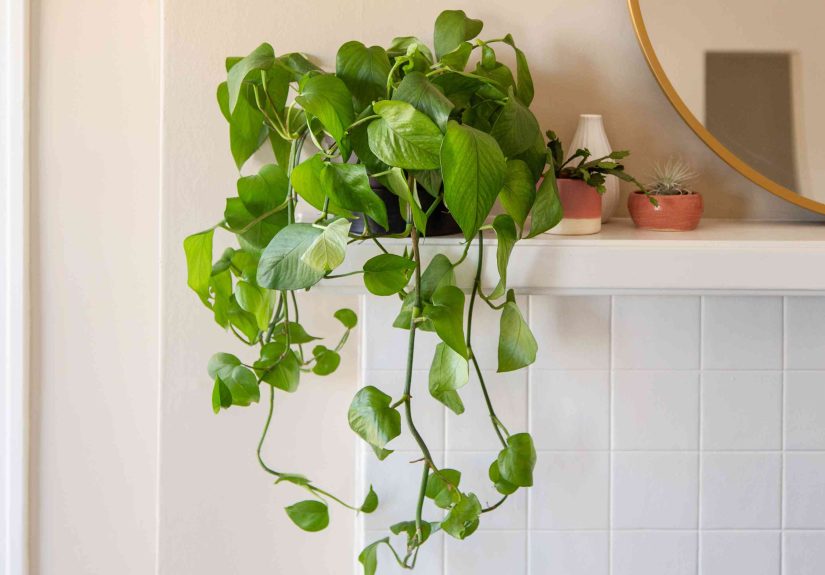
Jessenia pothos is loved for its marbled green leaves brushed with chartreuse variegation. It looks a little more refined than standard golden pothos, a little rarer in stores, and just fussy enough to make you feel like you own something special. The good news is that caring for it is not complicated. The better news is that once you understand a few basic rules about light, water, and soil, this plant can reward you with long trailing vines, healthy foliage, and steady growth for years.
This guide breaks down exactly how to grow and care for Jessenia pothos indoors, from choosing the right location to fixing common issues before your plant starts sending passive-aggressive yellow-leaf signals.
What Is Jessenia Pothos?
Jessenia pothos is a cultivar of Epipremnum aureum, the same species that gives plant lovers classics like golden pothos and marble queen pothos. What makes Jessenia stand out is its coloring. The leaves are usually medium to deep green with softer streaks and patches of light green or chartreuse. The variegation tends to look more painterly than flashy, which gives the plant a subtle, collected look.
Compared with standard green pothos, Jessenia usually grows a bit more slowly because variegated leaves have less chlorophyll. That is normal. Slow growth does not always mean your plant is upset. Sometimes it is simply being stylish at a leisurely pace.
Why Jessenia Pothos Is So Popular
There are plenty of reasons this plant keeps landing on wish lists. First, it is beginner-friendly. Second, it adapts well to normal indoor conditions. Third, it looks fantastic in almost any room. You can grow it in a hanging basket, train it up a moss pole, let it trail off a shelf, or even keep it trimmed and compact on a desk.
It also fits beautifully into the sweet spot many plant owners want: interesting enough to feel rewarding, but not so difficult that every care decision feels like a final exam.
Best Light for Jessenia Pothos
If there is one thing to get right with Jessenia pothos, it is light. This plant grows best in bright, indirect light. That means a spot near a window where it gets plenty of brightness without harsh, direct sun blasting the leaves. Think filtered sunlight, an east-facing window, or a few feet back from a south- or west-facing window with a sheer curtain.
Jessenia pothos can tolerate medium light, but low light is not ideal for long-term beauty. In dim conditions, the variegation may fade and the leaves can revert to greener growth. The plant may also become leggy, with more space between leaves along the vine. If your goal is lush foliage with visible color variation, brighter indirect light is the winning move.
Signs the Light Is Wrong
Too little light: faded variegation, slower growth, long bare stretches between leaves, smaller new leaves.
Too much direct sun: pale patches, crispy edges, or scorched-looking leaves.
A good rule is simple: bright enough to read comfortably during the day, but not so intense that the leaves heat up or bleach out.
How to Water Jessenia Pothos Without Drowning It
Overwatering is the classic pothos mistake. Not because people are careless, but because watering feels like love and many plant owners are aggressively affectionate. Jessenia pothos prefers a more balanced relationship.
Water when the top 2 to 3 inches of soil feel dry. Then water thoroughly until excess moisture drains from the bottom of the pot. Do not let the plant sit in standing water. Soggy soil is the fastest route to root rot, mushy roots, and the kind of regret that begins with the phrase, “I thought I was helping.”
How often this happens depends on the season, the size of the pot, the amount of light, and your home’s temperature. In bright spring and summer conditions, you may water about once a week. In winter, you may water much less often. Always check the soil first instead of following a strict schedule.
Watering Tips That Actually Help
Use a pot with drainage holes. Empty any saucer after watering. If the leaves droop slightly and the soil is dry, your plant is probably thirsty. If leaves are yellowing and the soil is wet, your plant is probably overwatered. One problem asks for water. The other asks for restraint.
The Right Soil and Potting Mix
Jessenia pothos likes a potting mix that holds a little moisture but drains well. In plain English, you want a mix that does not stay dense and swampy. A quality indoor potting mix can work, but it becomes even better when amended with ingredients that improve airflow.
A reliable mix for Jessenia pothos includes:
2 parts indoor potting soil, 1 part perlite, and 1 part orchid bark or chunky amendment.
This combination helps prevent compaction and keeps oxygen moving around the roots. If you tend to overwater, lean a little chunkier. If your home is very dry and warm, a slightly more moisture-retentive mix may work well.
Choose a pot with drainage holes and avoid jumping to a container that is dramatically larger than the current root ball. Too much extra soil can stay wet for too long, which makes root problems more likely.
When and How to Repot Jessenia Pothos
Jessenia pothos usually needs repotting every 1 to 2 years, depending on growth. Signs it is ready include roots circling the top of the soil, roots poking out of the drainage holes, water rushing straight through the pot, or growth slowing down despite good care.
The best time to repot is spring or summer when the plant is actively growing. Move it into a pot that is only 1 to 2 inches wider than the current one. Refresh the soil, loosen the roots gently, and water after repotting. Then let the plant settle in. It may look mildly offended for a week or two, but that does not mean you ruined its life.
Temperature and Humidity Needs
Jessenia pothos prefers warm indoor temperatures and average household humidity, though it appreciates extra moisture in the air. A comfortable range is around 65 to 75 degrees Fahrenheit, and it generally performs well in typical room conditions as long as it is kept away from cold drafts, blasting heater vents, and sudden temperature swings.
Higher humidity can support stronger growth and reduce crispy leaf edges, especially in dry winter homes. Bathrooms, kitchens, or rooms with a humidifier can be great places for this plant. That said, you do not need to turn your living room into a tropical cloud forest. Consistency matters more than perfection.
How to Fertilize Jessenia Pothos
Jessenia pothos is not an especially heavy feeder, but it does appreciate a little nutritional support during the growing season. Feed with a balanced liquid houseplant fertilizer about once a month in spring and summer, or every other month if you prefer a lighter hand.
Skip fertilizer in late fall and winter when growth naturally slows. Too much fertilizer can cause salt buildup and brown leaf tips, so more is not better. This is plant care, not a competitive sport.
Pruning and Training for a Fuller Plant
Pruning is one of the best ways to make Jessenia pothos look fuller and more intentional. If the vines get too long, sparse, or unruly, trim them just above a node. A node is the small bump on the stem where leaves and roots can grow. New growth often branches from that point, which helps the plant become bushier.
You can also train Jessenia pothos to climb. Give it a moss pole, trellis, or stake, and gently secure the vines. Climbing plants often produce larger leaves over time, especially in bright light. If you prefer a trailing look, let it spill from a shelf or hanging planter. Either way, it brings a lot of visual texture to a room.
How to Propagate Jessenia Pothos
Propagation is one of the most satisfying things about growing pothos. It is easy, low-risk, and mildly addictive. Suddenly you are not just caring for a plant. You are making more plants.
Water Propagation Method
Take a healthy stem cutting with at least 1 to 2 nodes and a few leaves. Remove the lowest leaf so the node is exposed. Place the cutting in water with the node submerged and the leaves above the surface. Keep it in bright, indirect light and refresh the water weekly.
Once roots are a couple of inches long, move the cutting into soil. Keep that soil lightly moist at first while the roots adjust. You can propagate several cuttings at once and plant them together for a fuller pot.
Best Time to Propagate
Spring and summer are ideal because the plant is actively growing, but a healthy pothos can often root at other times too if indoor conditions are warm and bright enough.
Common Problems and How to Fix Them
Yellow Leaves
A yellow leaf is not always a crisis. Older leaves naturally age out. But several yellow leaves at once often point to overwatering, poor drainage, or cold stress. Check the soil, inspect the roots if necessary, and adjust your watering habits.
Brown, Crispy Edges
This usually suggests dry soil, inconsistent watering, dry air, or fertilizer buildup. Water more consistently, flush the soil occasionally, and consider boosting humidity if your home is very dry.
Leggy Growth
Long vines with few leaves mean your plant wants more light. Move it closer to a bright window and prune the stretched vines to encourage denser growth.
Loss of Variegation
If new leaves are coming in greener than usual, low light is the likely cause. Move the plant to brighter indirect light to help maintain the signature Jessenia pattern.
Pests
Jessenia pothos can occasionally attract spider mites, mealybugs, thrips, or scale. Check the undersides of leaves and stem joints regularly. If pests show up, isolate the plant, wipe the leaves, and treat with insecticidal soap or neem-based products as needed.
Root Rot
This is the big one. If the soil stays wet, the roots can decay. Symptoms include yellowing leaves, drooping despite wet soil, a sour smell, or black, mushy roots. Trim away damaged roots, repot in fresh airy soil, and reduce watering.
Is Jessenia Pothos Safe for Pets and Kids?
No. Like other pothos varieties, Jessenia pothos is considered toxic if ingested. Keep it out of reach of cats, dogs, and curious small children. If a pet chews the plant, contact a veterinarian promptly. Safety first, aesthetics second.
How to Make Jessenia Pothos Thrive, Not Just Survive
Plenty of pothos plants survive in dark corners with random watering. Jessenia can do that for a while, but surviving and thriving are not the same thing. If you want richer color, fuller vines, and stronger growth, focus on these essentials: bright indirect light, an airy potting mix, deep but infrequent watering, seasonal feeding, and occasional pruning.
It is also worth rotating the plant every few weeks so all sides receive light evenly. Wipe the leaves now and then to remove dust so the plant can photosynthesize more efficiently. Small care habits like these make a visible difference over time.
Final Thoughts
Jessenia pothos is one of those houseplants that rewards attention without punishing imperfection. It is adaptable, beautiful, and surprisingly easy to manage once you understand what it wants. Give it bright indirect light, let the soil dry a bit between waterings, avoid soggy roots, and trim it when it starts getting wild. In return, it gives you a trailing, colorful plant that makes a room feel more alive with very little drama.
And really, that may be the dream: a houseplant that is gorgeous, forgiving, and only mildly judgmental.
Real-Life Experiences Growing and Caring for Jessenia Pothos
One of the most interesting things about Jessenia pothos is how differently it behaves depending on where you place it. In a bright room with soft morning sun, it often starts looking almost luxurious, with clearer variegation and more compact growth. Move that same plant to a darker shelf, and after a while the vines may stretch, the leaves may shrink a little, and the chartreuse pattern may look less defined. Plant owners often assume they need a magic fertilizer when what the plant really wants is a better seat near the window.
Another common experience is underestimating how much the pot matters. A Jessenia pothos in a decorative cachepot without drainage can seem fine for weeks, right up until it suddenly is not. Many growers learn the hard way that a beautiful pot is not enough if excess water has nowhere to go. Once the plant is moved into a nursery pot with drainage and a chunkier mix, it often rebounds with surprising speed. In that sense, Jessenia is forgiving, but it definitely appreciates smart logistics.
Propagation is also where many people really fall in love with this plant. A single trim can turn into several cuttings, and those cuttings often root easily in water on a windowsill. Watching tiny white roots emerge from a node is strangely satisfying. It makes the plant feel interactive, almost like it is collaborating with you. And once those cuttings are potted back into the original container, the plant becomes fuller and more polished, which is one of the easiest ways to upgrade the overall look.
There is also the matter of expectations. Some new owners buy a Jessenia pothos and expect it to grow as fast as a standard golden pothos. Then a few months pass and the growth seems slower. That can be discouraging until you realize that variegated plants often take their time. Jessenia tends to trade speed for style. Once people understand that, they usually relax and start appreciating the incremental changes instead of waiting for overnight transformation.
Experienced indoor gardeners often say Jessenia pothos becomes easier the longer you have it, and that feels true in practice. Once you learn how heavy the pot feels when it needs water, how the leaves look when the plant is happy, and how quickly your specific room dries out the soil, care becomes much more intuitive. You stop following generic schedules and start responding to the plant itself. That is usually when things improve.
Many people also discover that this plant is a strong visual problem solver in home decor. A bare bookshelf looks more intentional with one trailing vine. A bathroom corner feels more alive with a climbing pothos on a small pole. An office becomes softer and less sterile with a pot of variegated leaves nearby. Jessenia has that useful quality of looking expensive without acting high-maintenance, which is honestly a rare and admirable personality trait in both plants and people.
Over time, caring for Jessenia pothos often becomes less about strict plant rules and more about rhythm. Check the soil. Notice the light. Prune when it gets lanky. Rotate the pot. Wipe the leaves. Enjoy the new growth. It is not complicated, but it is rewarding. And that may be the real charm of this plant: it gives you enough feedback to feel engaged, enough resilience to forgive small mistakes, and enough beauty to make the whole process worth repeating.