Table of Contents >> Show >> Hide
- What Is a Pineapple Tomato?
- Research Foundation Used for This Guide (U.S.-Based)
- How to Grow Pineapple Tomato: Step-by-Step
- 1) Choose the Right Site (Sun, Airflow, and Room to Roam)
- 2) Start Seeds Early, but Transplant Smart
- 3) Time Planting by Soil Warmth, Not Impatience
- 4) Build the Soil Like You Mean It
- 5) Water Deeply and Consistently
- 6) Support Early: Stakes, Cages, or Trellis
- 7) Prune for Balance, Not Perfection
- 8) Prevent Problems Before They Start
- Common Pineapple Tomato Problems and Fixes
- Harvesting Pineapple Tomatoes for Best Flavor
- Container and Small-Space Strategy (Yes, It’s Possible)
- Two Practical Care Templates
- Final Thoughts
- 500-Word Experience Notes: What Gardeners Learn After Growing Pineapple Tomato
If tomatoes had a prom court, Pineapple would absolutely wear the crown.
It’s huge, dramatic, streaked in sunset colors, and sweet enough to make regular red slicers
feel a little jealous. But this heirloom beauty doesn’t just need admirationit needs a plan.
In this guide, you’ll learn exactly how to grow and care for Pineapple tomatoes, from seed
to sandwich, with real-world strategy, clear timing, and fewer garden heartbreaks.
This article is built for home gardeners who want big, flavorful harvestsnot vague advice.
You’ll get a practical system for soil prep, watering, feeding, support, pruning, pest prevention,
and harvest timing. You’ll also get a 500-word experience section at the end, packed with lessons
that make your second season better than your first.
What Is a Pineapple Tomato?
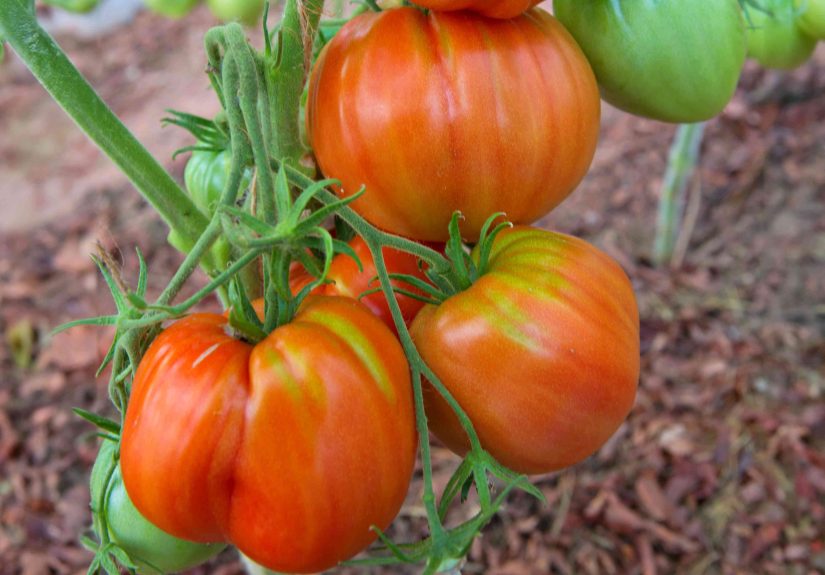
Pineapple tomato is an heirloom, typically grown as an indeterminate beefsteak type.
Translation: it keeps growing and fruiting until frost, and the fruit can get gloriously big.
Expect bi-color fruits with yellow-gold skin and red marbling, plus sweet, fruity, low-acid flavor
and a meaty interior that slices like a dream.
Quick Variety Snapshot
- Plant type: Indeterminate (long season, ongoing harvest)
- Days to maturity: Commonly about 85–95 days from transplant
- Fruit size: Very large slicers; some fruits can approach 1–2+ pounds in ideal conditions
- Best use: Fresh slicing, caprese, sandwiches, salads, colorful platters
- Flavor profile: Sweet, fruity, mild acidity
Research Foundation Used for This Guide (U.S.-Based)
This guide synthesizes practical recommendations from U.S. sources, including:
University of Maryland Extension, Rutgers NJAES, University of Minnesota Extension, Clemson HGIC,
University of Illinois Extension, University of Missouri Extension, Iowa State Extension and Outreach,
Colorado State University Extension, UC ANR IPM, Cornell Vegetables, Park Seed, Tomato Growers Supply,
Rare Seeds, and The Spruce.
How to Grow Pineapple Tomato: Step-by-Step
1) Choose the Right Site (Sun, Airflow, and Room to Roam)
Pineapple tomatoes are not shy. Give them a full-sun location and serious elbow room.
Aim for at least 6–8 hours of direct sun daily (more is better in cooler climates), and avoid
cramped planting that traps humidity around leaves.
- Pick a site with good drainage and open airflow.
- Rotate away from tomatoes/peppers/eggplant/potatoes for at least 3 years when possible.
- If your garden runs damp, raised beds are your friend.
2) Start Seeds Early, but Transplant Smart
Start seeds indoors 6–8 weeks before your last expected frost. Keep seedlings in strong light to avoid
leggy stems. Before transplanting, harden them off gradually for about a week by increasing outdoor exposure.
At transplant time, bury deeply (up to the lower leaf sets) or trench-plant leggy starts.
Tomatoes root along buried stems, which helps build a stronger plant.
3) Time Planting by Soil Warmth, Not Impatience
Pineapple tomato is a warm-season crop. Put plants out after frost risk is gone and soil is warm.
Cold soil stalls growth and invites stress. If your spring is cool, use black mulch or row protection to
nudge temperatures up and get earlier momentum.
4) Build the Soil Like You Mean It
Big fruit demands big nutrition. Pineapple tomatoes perform best in fertile, well-drained loam with
a pH around 6.0–6.5. Work in compost before planting, then follow a balanced feeding program.
- Do a soil test if possible. (It saves money and guesswork.)
- Start with compost plus a starter fertilizer at planting.
- Side-dress once fruit is set, then repeat based on plant load and growth.
- Avoid overdoing nitrogentoo much leaf jungle, not enough tomatoes.
5) Water Deeply and Consistently
If you remember one rule, remember this one: consistency wins. Most gardens need about
1 inch of water per week (sometimes more in heat or sandy soils). Water deeply at the root zone and avoid
frequent shallow sprinkles.
- Water mornings when possible.
- Use drip or targeted watering, not leaf-soaking overhead sprays.
- Mulch to stabilize moisture and reduce soil splash onto leaves.
Moisture swings are a major trigger for blossom-end rot and fruit cracking. Keep soil evenly moist, not soggy.
6) Support Early: Stakes, Cages, or Trellis
Pineapple’s fruit can be heavy, and the vines can be vigorous. Install support at transplanting timewaiting
until midseason turns support into full-contact wrestling.
- Spacing: Typically 24–36 inches between indeterminate plants.
- Stake method: Great for airflow and easier disease scouting.
- Cage method: Lower pruning workload, but use sturdy, tall cages.
- Trellis/weave: Efficient for rows and easier harvest access.
7) Prune for Balance, Not Perfection
Pineapple tomatoes can throw lots of suckers. Moderate pruning improves airflow, can increase fruit size,
and helps ripening. For staked plants, many gardeners maintain 1–3 main stems and remove excess suckers weekly.
Don’t panic-prune. The goal is not a tomato bonsaiit’s healthy canopy plus productive fruiting.
8) Prevent Problems Before They Start
Heirloom tomatoes can be less disease-resistant than modern hybrids, so prevention matters:
- Keep leaves dry and increase airflow.
- Mulch early to reduce soil-borne splash.
- Remove diseased lower leaves quickly.
- Sanitize tools and avoid handling wet plants.
- End-of-season cleanup: remove vines and debris.
Common Pineapple Tomato Problems and Fixes
Blossom-End Rot (Dark, Leathery Bottom on Fruit)
Usually linked to calcium uptake stress from inconsistent moisture (not just “low calcium in soil”).
Keep watering even, mulch well, and avoid root stress from over-cultivation.
Cracking and Splitting
Often caused by rapid water shifts after dry spells. Water steadily and harvest ripe fruit promptly.
Overripe giant fruits are split magnets after rain.
All Leaves, Few Fruits
Common causes: too much nitrogen, heat over ~90°F, or cool spells below ~55°F at flowering.
Adjust fertilizer balance and support pollination with good airflow.
Early Blight / Septoria / Fungal Leaf Issues
Improve spacing, remove infected leaves, avoid overhead watering, and keep foliage off the soil.
In high-pressure climates, preventive fungicide programs (if used) work best early, not late.
Hornworms and Other Chewers
Scout regularly, especially dusk/dawn. Hand-pick when found. Fun trick: under UV/blacklight at night,
hornworms are easier to spot.
Harvesting Pineapple Tomatoes for Best Flavor
Harvest when fruit has developed mature color and yields slightly to gentle pressure. For best taste,
ripen on the vine as long as practical. In heat waves, harvest just before peak softness to avoid cracking
and sunscald.
- Use pruners for clean cuts on heavy fruit.
- Store at room temperature for best flavor.
- Avoid refrigeration unless fruit is overripe and you must slow spoilage.
Container and Small-Space Strategy (Yes, It’s Possible)
Pineapple tomato is not the easiest container variety, but it can work if you go big:
- Use a large container (at least 15–20+ gallons).
- Install strong support from day one.
- Use high-quality potting mix plus compost.
- Water more frequently than in-ground beds, especially in heat.
- Feed regularly because container nutrients deplete fast.
Two Practical Care Templates
Template A: Raised Bed (Most Reliable)
- Transplant after frost into compost-amended bed, 30–36 inches apart.
- Cage or stake immediately.
- Mulch once soil warms.
- Deep water 1–2 times weekly, adjust by weather.
- Side-dress when first fruit sets and again later.
- Weekly prune/check routine for suckers, spots, and pests.
Template B: Patio Barrel (For Limited Space)
- Use a 20-gallon container with drainage and robust support.
- Plant one vine per container.
- Keep watering steady; never let mix bone-dry.
- Feed lightly but regularly through fruiting season.
- Prune for airflow and manageable canopy.
Final Thoughts
Growing Pineapple tomatoes is equal parts science and summer joy. You’re managing moisture, nutrition,
structure, and timingbut the reward is outrageous color and flavor that supermarket tomatoes can’t imitate.
If your first season is “good but chaotic,” congratulations: that’s still a win. Dial in consistency on water,
support, and airflow next season, and your harvest jumps dramatically.
In short: give Pineapple tomato sunlight, stable moisture, strong support, and disciplined pruning.
It will give you giant, sweet slicers that make every BLT feel like a special occasion.
500-Word Experience Notes: What Gardeners Learn After Growing Pineapple Tomato
One of the most common first-season experiences is underestimating vine vigor. Gardeners plant Pineapple
tomatoes like compact slicers, then watch them sprawl across walkways by midsummer. The lesson is simple:
support first, apology later. Growers who install sturdy cages or stakes at transplanting report cleaner fruit,
easier harvests, and less disease pressure than those who “plan to support later.” In practice, “later” usually
means wrestling a 6-foot octopus made of stems and leaves.
Another repeated pattern is watering inconsistency early in fruit set. Many growers baby seedlings, then switch
to occasional deep neglect once the plants look “strong.” Pineapple fruit responds with cracking or blossom-end
rot when the moisture roller coaster gets wild. Experienced gardeners describe the breakthrough as moving to a
rhythm: fewer but deeper waterings, plus mulch. They stop chasing the weather emotionally and start checking soil
moisture intentionally. That one shift often transforms fruit quality more than any fancy product.
Pruning is where experience turns into personal style. Some growers heavily prune for huge showcase fruits;
others keep more foliage for sun protection in hot regions. Both camps can succeed. What experienced growers agree
on is this: remove problem suckers low on the plant, keep airflow open, and don’t let dense foliage stay wet for
long periods. Beginners often prune too little until disease appearsor prune too hard after panic. The middle path
wins: small, regular edits instead of dramatic surgery.
Feeding strategy also evolves with experience. First-year growers often overfeed nitrogen because plants look
“hungry,” then end up with tall green monsters and delayed fruiting. Seasoned gardeners use a steadier program:
compost up front, then measured side-dressing when fruit sets, with adjustments based on actual plant behavior.
They watch for leaf color, flowering pace, and fruit development instead of blindly following a calendar. In
other words, they treat fertilizer like steering, not speed.
Pest pressure teaches vigilance. Growers who scout once a week catch hornworms when they’re tiny and manageable.
Growers who wait for visible damage often discover half a plant defoliated overnight. The biggest mindset shift is
accepting that prevention is less glamorous but more effective than rescue. Quick leaf checks, clean pruning habits,
and sanitation at season’s end reduce next year’s problems dramatically.
Harvest expectations are another learning curve. Because Pineapple tomatoes are large and late compared with many
early varieties, new growers sometimes think the plants are “slow” or “not working.” Veterans know that patience is
part of the contract. Once the first big fruits turn color, production can be surprisingly strong if the plant
remains healthy. The fruit qualitysweet, fragrant, and visually stunningusually convinces growers to plant them
again, even after a few dramatic weather episodes.
The final experience lesson is emotional: Pineapple tomatoes make gardeners better observers. You learn to read
leaves, soil, and weather as a connected system. You get less reactive and more strategic. By season two, most
growers report fewer random interventions, better spacing decisions, cleaner pruning, and steadier watering. The
result is not just more tomatoesit’s better tomatoes. And yes, if your first perfect slice makes you stand in the
kitchen silently chewing with suspicious happiness, that’s normal.