

Table of Contents >> Show >> Hide
- What Is Zebra Grass?
- Where to Plant Zebra Grass
- How to Plant Zebra Grass
- Watering Zebra Grass
- Fertilizing Zebra Grass
- Pruning Zebra Grass
- Dividing Zebra Grass
- Growing Zebra Grass in Containers
- Common Problems With Zebra Grass
- Is Zebra Grass Invasive?
- Best Landscape Uses for Zebra Grass
- Seasonal Care Calendar
- Extra Growing Experiences and Practical Lessons From Caring for Zebra Grass
- Conclusion
Zebra grass is the ornamental grass that looks like it got dressed for a safari and then decided to become the most dramatic plant in the border. Known botanically as Miscanthus sinensis ‘Zebrinus,’ this tall, arching perennial grass is famous for its green blades marked with horizontal yellow bands. In late summer and fall, it may send up soft, feathery plumes that turn the plant from “pretty foliage” into “excuse me, who hired the garden stylist?”
For homeowners who want movement, height, texture, and four-season interest without babysitting a fussy plant, zebra grass can be a strong choice. It works as a privacy screen, specimen plant, back-of-border accent, poolside texture plant, or a graceful backdrop for coneflowers, black-eyed Susans, sedum, and other sun-loving perennials. That said, zebra grass is not a plant you should buy on impulse while holding a coffee and saying, “That looks cute.” It can grow large, it needs room, and in some regions of the United States, Miscanthus sinensis is considered invasive or potentially problematic.
This guide explains how to grow zebra grass successfully, how to plant it, when to water and prune it, how to divide it, and how to keep it looking polished instead of like a windblown haystack with ambition.
What Is Zebra Grass?
Zebra grass is a warm-season ornamental grass in the Poaceae family. It is a cultivar of Chinese silvergrass, a species native to parts of East Asia. The plant grows in dense clumps with long, arching blades that show distinctive yellow-gold bands across the foliage. Unlike vertical variegation, these horizontal stripes create the “zebra” effect that gives the plant its common name.
Mature zebra grass commonly reaches about 5 to 8 feet tall, with a spread of roughly 4 to 6 feet. In the right conditions, the flower plumes can rise even higher than the foliage. The plant usually begins growing actively once temperatures warm in spring, fills out through summer, blooms in late summer to fall, and then turns tan or golden as cold weather arrives.
Quick Zebra Grass Care Overview
- Botanical name: Miscanthus sinensis ‘Zebrinus’
- Common names: Zebra grass, zebra maiden grass, eulalia grass
- Plant type: Deciduous perennial ornamental grass
- USDA hardiness zones: Usually zones 5 to 9
- Light: Full sun is best; light part shade is tolerated
- Soil: Average, well-drained soil; adapts to clay, loam, or sandy soil
- Water: Regular water while establishing; drought tolerant once mature
- Maintenance level: Low to moderate
- Main task: Cut back once a year in late winter or early spring
Where to Plant Zebra Grass
The best place to plant zebra grass is a sunny location with enough space for the plant to mature naturally. This is not a tiny edging plant. It is not a polite little tuft that stays exactly where you imagined it in your Pinterest board. Zebra grass becomes a large, fountain-shaped clump, so give it breathing room from walkways, driveways, patios, and smaller perennials.
Use zebra grass where its height is an asset. It looks excellent at the back of a mixed border, near a fence, in a large island bed, or as a soft screen between outdoor spaces. It can also be planted as a single specimen in a lawn or gravel garden, where the arching foliage becomes the main event.
Best Light Conditions
Zebra grass grows best in full sun, meaning at least six hours of direct sunlight per day. The more sun it receives, the stronger the growth, the better the striping, and the more upright the clump tends to be. In too much shade, the plant may become floppy, produce fewer plumes, and generally look like it stayed up too late watching garden videos.
Light part shade is acceptable in hot climates, especially if the plant receives strong morning sun. However, deep shade is not recommended. Zebra grass is grown for bold foliage and structure, and shade steals some of that drama.
Best Soil for Zebra Grass
Zebra grass is adaptable and can grow in many soil types, including clay, loam, and sandy soil. The key is drainage. Moist but well-drained soil is ideal. Constantly soggy soil can lead to root problems, especially during winter when the plant is dormant and not using much water.
If your soil is heavy clay, mix in compost before planting to improve structure. If your soil is sandy, compost can also help by increasing moisture retention. The goal is not to create a luxury spa for the roots. The goal is simply to avoid extremes: bone-dry soil for young plants and swampy soil for mature ones.
How to Plant Zebra Grass
Spring is generally the best time to plant zebra grass, especially in colder regions. Planting in spring gives the roots a full growing season to establish before winter. In mild climates, early fall planting can also work, but avoid planting too late in the season when roots will not have enough time to settle.
Step-by-Step Planting Guide
- Choose the site. Select a sunny area with enough space for a mature clump.
- Prepare the soil. Loosen the soil and mix in compost if drainage or fertility needs improvement.
- Dig the hole. Make the planting hole about twice as wide as the nursery pot and just as deep.
- Remove the plant carefully. Slide the zebra grass out of the container and loosen circling roots gently.
- Set the crown correctly. Place the plant so the crown sits at the same level it was growing in the pot.
- Backfill and firm the soil. Fill around the roots, pressing lightly to remove air pockets.
- Water deeply. Give the plant a thorough soak after planting.
- Mulch lightly. Add a 2-inch layer of mulch around the plant, keeping mulch away from the crown.
Spacing matters. For a full-size zebra grass, allow about 4 to 6 feet between plants, depending on the effect you want. If you are creating a screen, space plants closer together but not so close that air circulation disappears. A crowded planting may look lush at first, but in a few years it can become a wrestling match of roots and blades.
Watering Zebra Grass
Newly planted zebra grass needs regular watering during its first growing season. Water deeply once or twice a week, depending on rainfall, soil type, and heat. Deep watering encourages roots to grow downward, which helps the plant become more drought tolerant later.
Once established, zebra grass is fairly drought tolerant. Mature plants usually need supplemental watering only during long dry spells or extreme summer heat. If the leaves roll, brown at the tips, or lose their graceful arch, the plant may be thirsty. Do not panic and flood it daily; instead, water deeply and then allow the soil to dry slightly before watering again.
Watering Tip
Water at the base of the plant rather than spraying the foliage. This keeps the leaves drier and reduces the chance of fungal problems. It also sends water where the plant actually needs it: the root zone. Leaves do not drink through a sprinkler like they are enjoying a spa mist.
Fertilizing Zebra Grass
Zebra grass usually does not need much fertilizer. In fact, too much nitrogen can encourage weak, floppy growth. If your soil is reasonably healthy, a light layer of compost in spring is often enough. For poor soil, you can apply a balanced slow-release fertilizer in spring, following the product label carefully.
The best approach is conservative feeding. Zebra grass is grown for strong structure, and overfeeding can turn it into a leafy giant that leans dramatically after rain. Think of fertilizer as seasoning, not the main course.
Pruning Zebra Grass
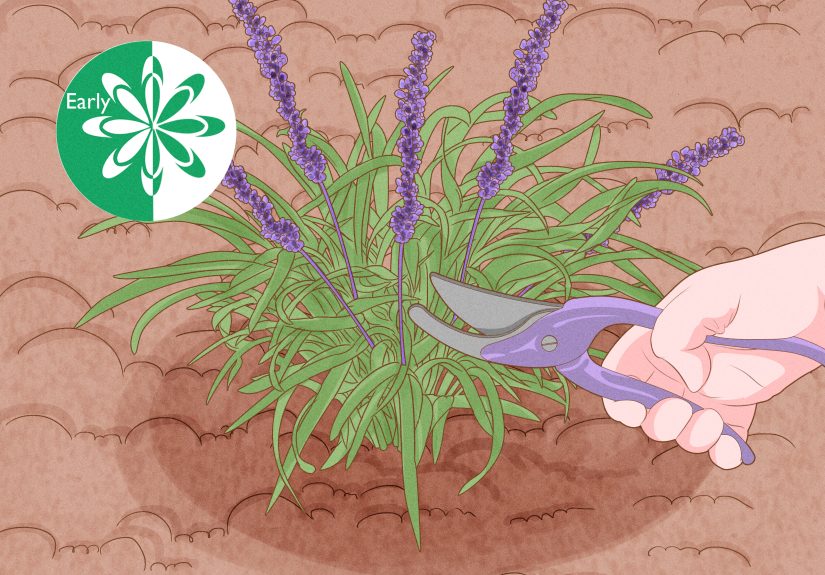
Pruning is the one big annual maintenance task. Zebra grass should be cut back in late winter or early spring before new growth begins. Many gardeners leave the dry foliage standing through winter because it adds texture, catches frost beautifully, and provides shelter for wildlife. Then, before fresh green shoots push up, the old stems are removed.
How to Cut Back Zebra Grass
- Wear gloves, long sleeves, and eye protection because the leaf edges can be sharp.
- Gather the old foliage into a bundle with twine, rope, or a bungee cord.
- Cut the clump down to about 6 to 10 inches above the ground.
- Remove the bundled debris and compost it only if seed heads are not a concern in your area.
- Check the crown for new shoots and avoid cutting into fresh growth.
For large clumps, hedge shears, pruning saws, or powered trimmers can make the job easier. The bundled method is especially helpful because ornamental grass clippings can scatter everywhere. Without bundling, cleanup may feel like trying to collect spaghetti in a wind tunnel.
Dividing Zebra Grass
Zebra grass can grow for years in the same spot, but older clumps may eventually become too large, thin in the center, or produce less vigorous growth. Division refreshes the plant and gives you new sections to replant elsewhere.
The best time to divide zebra grass is early spring, just as new growth begins. Warm-season grasses respond best to spring division because they have the rest of the growing season to recover.
How to Divide Zebra Grass
- Cut back the old foliage first so you can see the crown clearly.
- Dig around the clump with a sharp spade, going deep enough to lift the root mass.
- Lift the clump carefully. Large zebra grass clumps can be heavy, so do not be a hero if you need help.
- Use a sharp spade, pruning saw, or garden knife to divide the clump into sections.
- Keep the younger, vigorous outer sections and discard any dead center material.
- Replant divisions immediately and water deeply.
Dividing every three to four years is a good general rhythm for many ornamental grasses, but zebra grass does not need division unless it becomes crowded, unattractive, or oversized for its location.
Growing Zebra Grass in Containers
Zebra grass can be grown in large containers, especially smaller cultivars such as ‘Little Zebra.’ Container growing is useful when you want the look of miscanthus but need more control. However, full-size zebra grass requires a big pot and consistent care.
Choose a sturdy container with drainage holes. Use a high-quality potting mix, not garden soil, which can compact in pots. Water more often than you would for in-ground plants because containers dry out faster. In cold climates, protect the pot during winter or move it to a sheltered location, since roots in containers are more exposed to freezing temperatures.
Common Problems With Zebra Grass
Floppy Growth
Flopping is often caused by too much shade, excessive fertilizer, overly rich soil, or crowding. Move the plant to a sunnier location if needed, reduce fertilizer, and divide old clumps when they become too dense.
Brown Leaf Tips
Some browning is normal late in the season, but early brown tips may indicate drought stress, transplant shock, or inconsistent watering. Deep watering usually helps, especially during hot weather.
No Plumes
If zebra grass does not bloom, it may need more sun, more time to mature, or a longer warm season. Young plants often focus on root and foliage growth before producing strong plumes.
Pests and Diseases
Zebra grass is generally low-maintenance, but it can occasionally experience rust, fungal leaf issues, root problems in wet soil, or pest pressure such as mealybugs. Good air circulation, full sun, proper spacing, and watering at the base of the plant help prevent many issues.
Is Zebra Grass Invasive?
This is the part where zebra grass stops being just pretty and asks us to read the fine print. Miscanthus sinensis, the species behind zebra grass, is considered invasive or problematic in several parts of the United States, especially in portions of the Mid-Atlantic, Southeast, and other regions where it can spread into disturbed sites, roadsides, fields, and natural areas.
Before planting zebra grass, check your local Extension office or invasive plant list. Rules and recommendations vary by state and region. In areas where Chinese silvergrass is discouraged, choose native ornamental grasses instead. Excellent alternatives may include switchgrass, little bluestem, Indian grass, prairie dropseed, or other regionally appropriate native grasses.
If zebra grass is acceptable in your area, reduce spread by removing seed heads before they mature, avoiding disposal of seed-bearing material in natural areas, and dividing or managing clumps before they become too large. Some newer miscanthus cultivars are bred for reduced fertility, but “less fertile” is not always the same as “zero risk,” so local guidance still matters.
Best Landscape Uses for Zebra Grass
Zebra grass is most effective when used as a structural plant. Its upright fountain form gives gardens a sense of rhythm and movement. It sways in the wind, glows in low evening light, and provides winter texture after flowers have finished their seasonal performance.
Use Zebra Grass As a Privacy Screen
Plant zebra grass in a row to soften a fence, screen a utility area, or create separation between outdoor rooms. It will not provide year-round evergreen privacy, but from summer through winter it can create a beautiful living curtain.
Use It as a Focal Point
A single zebra grass clump can anchor a garden bed. Place it where the striped foliage can be seen clearly, especially with sunlight behind it. Morning or late-afternoon light makes the bands glow.
Pair It With Perennials
Zebra grass pairs beautifully with purple coneflower, Russian sage, sedum, black-eyed Susan, bee balm, catmint, asters, and goldenrod. The grass adds height and texture while flowering perennials bring color and pollinator value.
Seasonal Care Calendar
Spring
Cut back old foliage before new growth gets tall. Plant new zebra grass, divide mature clumps, and add compost if desired. Water new plants consistently.
Summer
Enjoy the striped foliage. Water during extended dry spells, especially for first-year plants. Avoid heavy fertilizer. Watch for flopping or signs of stress.
Fall
Enjoy the plumes and changing foliage color. In regions where self-seeding is a concern, remove seed heads before they mature. Avoid major division in cold climates.
Winter
Leave the dry foliage standing for winter interest unless you live in a wildfire-prone area or local guidance recommends earlier cleanup. Plan to cut back in late winter or early spring.
Extra Growing Experiences and Practical Lessons From Caring for Zebra Grass
One of the biggest lessons with zebra grass is that the plant looks small and innocent in a nursery pot. A one-gallon plant can sit there looking like a harmless little fountain, and your brain may say, “Sure, let’s put three of these beside the walkway.” Then two years later, visitors are turning sideways to pass through your garden path like they are boarding a very leafy airplane. Always plan for mature size, not nursery size.
Another real-world experience: zebra grass looks best when it has contrast. If you plant it beside other tall, narrow grasses, the stripes may get lost. But place it behind dark-leaved shrubs, beside purple flowers, or near broad-textured plants like hydrangeas or sedum, and suddenly the foliage becomes much more noticeable. Zebra grass is not shy, but it appreciates good lighting and a supporting cast.
Watering during the first year is also more important than many people expect. Because mature zebra grass is drought tolerant, gardeners sometimes assume a new plant can survive on neglect immediately. It usually cannot. The first season is about root building. Give it deep, regular water, especially during hot spells, and the plant will reward you later by becoming much more self-sufficient.
Pruning is another area where experience helps. Do not wait until new shoots are already tall before cutting back. Once the fresh green blades start pushing up through the old tan stems, pruning becomes awkward. You will either leave ugly stubs or accidentally trim the new growth. The easiest routine is to watch the base of the clump in late winter. When you see the first signs of new growth, grab gloves and cut the old foliage back promptly.
For cleanup, bundling the foliage before cutting is a game changer. Tie the clump tightly with rope or a bungee cord, then cut below the tie. Instead of chasing hundreds of dry blades across the yard, you lift one big bundle and feel like a gardening genius. It is a small trick, but it saves time and makes the job much less messy.
Dividing zebra grass teaches humility. A mature clump can be dense, heavy, and stubborn. The outer sections are usually the best divisions, while the middle may be woody or tired. Use sharp tools, pick a cool cloudy day, and water the divisions well after replanting. If the plant sulks for a short time afterward, do not panic. Division is basically plant surgery, and even tough grasses need a recovery period.
Finally, the most responsible experience is learning when not to plant zebra grass. In some regions, native grasses are a better choice. Switchgrass, little bluestem, and prairie dropseed can provide beauty, movement, wildlife value, and fewer ecological concerns. A great garden is not only attractive; it also fits its place. Zebra grass can be wonderful where appropriate, but smart gardeners check local recommendations before planting.
Conclusion
Zebra grass is a bold, beautiful ornamental grass that brings height, texture, movement, and seasonal drama to sunny landscapes. With its striped foliage and graceful plumes, it can make a garden feel designed even when the rest of the yard is still negotiating with weeds. Give it full sun, well-drained soil, enough room to mature, regular water during the first season, and an annual cutback in late winter or early spring.
The main caution is regional responsibility. Because Miscanthus sinensis can be invasive in some areas, gardeners should check local guidance before planting and consider native alternatives where recommended. If zebra grass is suitable for your region, it can be a low-maintenance, high-impact plant that earns its space year after year.
Note: This article is synthesized from real horticultural guidance from U.S. Extension services, botanical garden plant databases, USDA plant resources, invasive plant references, and reputable gardening publications. Source links are intentionally not embedded in the article body for cleaner web publishing.






 Close
Close