Table of Contents >> Show >> Hide
- Why Knowing Your Budgie’s Sex Actually Matters
- The Fastest Way to Sex a Budgie: Check the Cere
- When Cere Color Gets Complicated
- Other Clues That Can HelpBut Should Not Be Your Only Evidence
- When a DNA Test Is the Best Option
- Common Mistakes Budgie Owners Make
- A Quick Budgie Sex Checklist
- Final Thoughts
- Experience-Based Tips: What Owners Usually Learn After Living With Budgies
- SEO Tags
If you have ever stared at your budgie and thought, “Are you a little gentleman, a tiny lady, or simply a feathery chaos goblin?” welcome to the club. Figuring out a budgie’s sex is one of the first mysteries most owners try to solve. The good news is that budgies are one of the easier pet birds to sex visually. The less-good news is that they are also very talented at making you feel wildly confident right before proving you wrong.
In most cases, the fastest and easiest way to identify your budgie’s sex is by looking at the cere, the fleshy area above the beak where the nostrils sit. For mature birds, cere color is often the giveaway. But age, hormones, and color mutations can muddy the waters, turning a simple answer into a small detective story with feathers.
This guide explains how to sex a budgie correctly, when the cere method works best, when it does not, and what other clues can help. You will also learn the common mistakes owners make, when a DNA test is worth it, and what real-life budgie experience teaches faster than any pet-store guess. Let’s crack the case without turning your bird into a science project.
Why Knowing Your Budgie’s Sex Actually Matters
Some people just want to choose the right name. Others want to know whether “Captain Pickles” is likely to lay an egg one day and cause a household identity crisis. Either way, learning your budgie’s sex is more useful than it sounds.
First, it helps with health monitoring. Female budgies can face issues related to egg laying, reproductive hormones, and calcium demands. If you know you have a hen, you can pay closer attention to nesty behavior, egg-binding risks, and changes in the cere. Male budgies can have their own hormonal quirks too, but females often come with a few more reproductive plot twists.
Second, sex can influence behavior expectations. Not perfectly, because every budgie has a personality all its own, but some broad tendencies exist. Many owners notice males are more likely to chatter, mimic, and show off like they are auditioning for a one-bird talent show. Females are often described as more assertive, more territorial, and less interested in nonstop small talk. Think “quiet manager of the household” versus “tiny karaoke machine.”
Third, it matters if you keep more than one budgie. Knowing the sex of each bird helps you avoid accidental breeding, reduce territory problems, and plan cage pairings more wisely. Two birds that seem like sweet best friends can suddenly become a very committed couple once hormones enter the chat.
The Fastest Way to Sex a Budgie: Check the Cere
The cere is the main clue most owners use. It sits directly above the beak and surrounds the nostrils. In adult budgies, this area usually changes color in ways that help identify sex. The trick is learning what is normal, what is immature, and what is misleading.
Adult Male Budgie Cere Color
In a typical adult male budgie, the cere is usually bright blue or blue-violet. It often looks smooth and even in texture. If your mature budgie has a rich, clear blue cere, that is the classic male sign.
Many owners first notice it when their young bird matures and the cere deepens from a pinkish or purplish tone into a stronger blue. Once that color settles in, the answer becomes much easier. In plain English: if your adult bird looks like he is wearing a tiny blue mustache, male is a strong bet.
Adult Female Budgie Cere Color
Adult female budgies usually have a cere that ranges from white to tan to brown. When hormones rise, especially during breeding condition, the cere can become darker brown, thicker, or a little crusty. That rougher texture is one of the classic signs of a mature female in breeding mode.
Outside breeding condition, a female’s cere may look pale, chalky, whitish, beige, or light brown. This is where new owners sometimes get confused. They expect every female to have a dramatic dark-brown cere all the time, but that is not how it works. Some hens look subtle until hormones kick in and the cere changes more obviously.
Juvenile Budgies Are Trickier
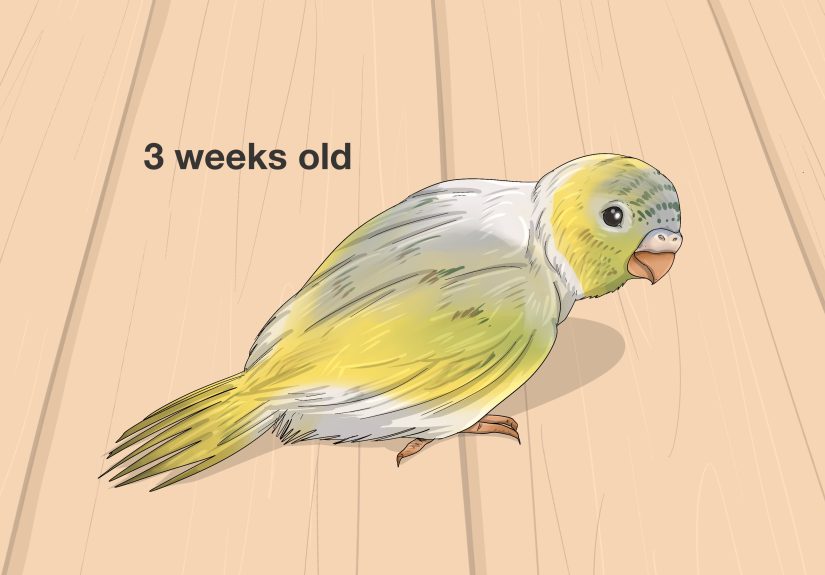
Young budgies are where the guessing game begins. Before full maturity, cere color is much less reliable. Baby and juvenile males often have a pink, purple, or lavender cere. Juvenile females may show a pale blue-white, whitish, or very light tan cere, often with lighter rings around the nostrils.
The problem is that young birds do not read the rulebook. Their colors are softer, their hormones are not fully settled, and the cere can change gradually over months. That means a bird sold as “definitely male” at a young age might later reveal herself to be female. This is why a lot of pet-store certainty should be taken with a small mountain of millet-flavored skepticism.
As a general rule, visual sexing gets more reliable once a budgie reaches sexual maturity, often somewhere between about 6 and 12 months. Some birds show the answer earlier, some later, and some keep everyone confused because of mutation-related exceptions.
When Cere Color Gets Complicated
Now for the part that humbles even confident bird owners: cere color is not foolproof. It works very well for many normal-colored adult budgies, but it is not perfect in every case.
Color Mutations Can Break the “Blue Equals Boy” Rule
Certain budgie color mutations can make cere color far less reliable. Some pastel, recessive pied, albino, lutino, or solid-color birds may not follow the classic male-blue, female-brown pattern. A male may keep a pinkish or lavender cere instead of developing a bold blue one. A female may also look less textbook than expected.
That means you should not rely on a single chart from the internet and declare victory. If your bird has an unusual coloration, especially very light or mutation-heavy plumage, treat cere color as a clue, not a verdict.
Hormones Change the Look
Female budgies in breeding condition often develop a darker, thicker, rougher brown cere. That change can be dramatic enough to make owners think something is wrong when it is really hormonal. On the flip side, hormonal shifts and aging can also alter the cere in ways that make a previously obvious bird less obvious.
In other words, the cere is useful, but it is not a tattoo. It is living tissue, and living tissue changes.
Health Issues Can Affect the Cere
The cere is not just a sex clue; it can also reflect health. Discharge, swelling, irritation, abnormal crusting, or dramatic changes in color can point to illness or respiratory problems. Female budgies can also develop brown cere hypertrophy, an overgrowth associated with chronic reproductive hormone activity.
So if your bird’s cere suddenly looks strange and your question becomes less “boy or girl?” and more “why does this look weird?” an avian vet is the smarter stop than another late-night forum rabbit hole.
Other Clues That Can HelpBut Should Not Be Your Only Evidence
Owners often look for body shape, behavior, head size, or foot color to determine sex. Some of these clues can help a little. Some are mostly bird-themed folklore. Here is the honest breakdown.
Behavior
Behavior can support your guess, but it should not be your only method. Many males are more vocal, more likely to mimic words, and more inclined to sing, chatter, and showboat. Females are often described as more territorial, more forceful around food, toys, or favorite perches, and more likely to tell everyone else exactly where they can sit.
But behavior overlaps a lot. Some females talk. Some males are quiet. Some birds wake up each day and choose complete unpredictability. Use behavior as supporting evidence, not courtroom proof.
Head Shape and Body Size
Some owners swear males have a broader head or a more polished look, while females appear stockier. This can be true in certain birds, but it is subtle and unreliable. Feather fluff, posture, condition, age, and genetics can all change how a bird looks. Your budgie can go from “sleek athlete” to “round marshmallow” in one afternoon nap.
Leg or Foot Color
Ignore this one. It is one of the most repeated myths in bird-owner circles, and it is not a dependable way to identify sex. If someone tells you they can sex a budgie by its feet alone, they may also have opinions about moon phases and lucky perches.
When a DNA Test Is the Best Option
If your budgie is young, unusually colored, or still confusing after months of observation, a DNA sexing test is the most dependable answer. This is especially useful if:
- you need a confident answer for breeding management,
- your bird has a color mutation that muddies cere color,
- you are seeing mixed visual signals, or
- medical planning would benefit from knowing the sex for sure.
These tests typically use a feather or blood sample and are far more reliable than guessing by appearance alone. They are not just for breeders or bird nerds with spreadsheets. For some owners, they are the fastest path to peace of mind.
Common Mistakes Budgie Owners Make
1. Sexing the Bird Too Early
This is the biggest mistake by far. A baby budgie can look convincing and still change later. If your bird is still young, hold your conclusion lightly.
2. Ignoring Mutation Exceptions
Many guides online are written for standard-colored budgies and do not explain exceptions clearly. If your bird is albino, lutino, pied, pastel, or otherwise unusual in color, do not assume the classic chart applies cleanly.
3. Trusting Behavior More Than Anatomy
A chatty bird is not automatically male, and a bossy bird is not automatically female. Budgies are individuals, and some of them enjoy ruining stereotypes for sport.
4. Overlooking Health Changes
If the cere looks irritated, swollen, or suddenly abnormal, the issue may be medical rather than sexual. Do not force every cere mystery into a sexing question.
A Quick Budgie Sex Checklist
- Bright blue adult cere: usually male
- White, tan, or brown adult cere: usually female
- Brown, thick, crusty cere: often female in breeding condition
- Pink or purple juvenile cere: often male, but age matters
- Pale whitish or blue-white juvenile cere, often around the nostrils: often female
- Very young bird or mutation color: visual sexing may be unreliable
- Still unsure: use a DNA test
Final Thoughts
If you want the short answer, here it is: check the cere first. In mature, normally colored budgies, it is usually the quickest and easiest way to identify sex. Blue generally points to male. White, tan, or brown generally points to female. If the bird is young or carries a color mutation, that easy answer becomes less easy and a little more “please hold while the mystery continues.”
The smartest approach is to combine age, cere color, texture, and common sense. If all the clues line up, you can be reasonably confident. If the clues fight with each other, do not force certainty where there is none. That is where DNA sexing earns its gold star.
And remember: whether your budgie is male or female, it will still chirp at the wrong time, judge your snack choices, and demand attention with the confidence of a bird ten thousand times its size. Sex matters for care, health, and planning. But in everyday life, your budgie is still primarily a tiny feathered comedian with opinions.
Experience-Based Tips: What Owners Usually Learn After Living With Budgies
There is a funny gap between reading about budgie sex identification and actually living with a budgie. On paper, the process sounds simple: look at the cere, compare the color, and move on with your day. In real life, you will probably examine your bird in morning light, afternoon light, kitchen light, phone flashlight, and one deeply questionable lamp that makes every color look like oatmeal. Budgie owners quickly learn that confidence comes in waves.
One common experience is buying a young budgie from a pet store labeled “male” or “female,” then discovering several months later that the label was basically an educated shrug. This does not always mean the store was careless. Young birds are honestly harder to sex. A juvenile male may have a soft purple-pink cere that later turns blue. A young female may look pale and subtle until maturity makes the difference more obvious. Many owners only feel truly confident after living with the bird for a while and watching those gradual changes unfold.
Another practical lesson is that lighting matters more than people expect. A cere that looks pale lavender in one room may appear blue in another. A whitish female cere can pick up shadows and look bluish on camera. That is why photos alone can be misleading, especially if the image is filtered, blurry, or taken from an angle that changes the color. Owners who get the most accurate read usually compare the cere in natural daylight and look at it over time instead of making a snap decision from one photo.
Longtime budgie keepers also learn not to panic when a female’s cere changes during hormonal periods. A hen that develops a darker, rougher brown cere can look dramatically different than she did a few months earlier. New owners sometimes assume something is very wrong, but often it is simply a sign that hormones are in full swing. That said, experienced owners also learn the opposite lesson: do not dismiss every cere change as “just hormones.” If the area looks swollen, irritated, or unhealthy, a vet visit is smarter than guesswork.
Behavior teaches useful lessons too, but not always the ones people expect. Yes, many owners report males are more likely to chatter, practice sounds, and act like they are hosting a radio show. Yes, females are often a little more bossy about territory and personal space. But real households are full of exceptions. Plenty of hens are playful sweethearts, and plenty of males can be stubborn little drama beans. Experience teaches you to use behavior as a clue, not a verdict.
Perhaps the biggest real-world takeaway is that knowing your budgie’s sex is helpful, but patience is even more helpful. Owners who rush to certainty usually end up revising their answer later. Owners who observe calmly, learn the normal cere patterns, and stay open to exceptions tend to get it right. And when they are still unsure, they skip the endless guessing and go straight to DNA testing. That may not be as exciting as playing bird detective, but it is wonderfully effective.
In the end, most experienced budgie owners say the same thing: sex identification is useful, but your bird’s personality becomes the bigger story. Once you have lived with a budgie for a while, you stop thinking only in terms of male or female and start thinking in more accurate categories, like “professional singer,” “toy destroyer,” “seed critic,” or “tiny supervisor of everything.”
SEO Tags
Note: Prepared in clean web-publishing HTML with unnecessary citation placeholders removed.