Table of Contents >> Show >> Hide
- What Is a Painted Vinyl Basement Floor, Exactly?
- Why Homeowners Like the Idea
- When Painting Vinyl in a Basement Makes Sense
- When You Should Not Paint a Vinyl Basement Floor
- How to Prep a Painted Vinyl Basement Floor the Right Way
- Best Product Approach for a Basement Vinyl Floor
- Design Ideas That Work Especially Well
- Application Tips for a Professional-Looking Result
- How Durable Is a Painted Vinyl Basement Floor?
- Maintenance Tips After the Floor Is Painted
- Common Mistakes to Avoid
- Final Thoughts
- Real-World Experiences With a Painted Vinyl Basement Floor
A painted vinyl basement floor sits in a very specific corner of home improvement: the “I want this space to look better, but I do not want to tear out the entire basement on a Saturday” corner. It is practical, budget-friendly, and surprisingly stylish when done well. It can also become a peeling, scuffed, slightly tragic science experiment when done badly. Basement projects have a flair for drama like that.
If you already have vinyl flooring in a basement and you are tempted to paint it, the good news is that it can work. The less cheerful news is that success depends far more on prep, moisture control, and product choice than on your ability to pick a pretty shade of greige. A painted vinyl basement floor is not just a design project. It is a prep project wearing a design hat.
This guide breaks down when painting basement vinyl makes sense, when it does not, how to prep the floor, what style ideas work best, and how to keep the finished floor looking fresh instead of looking like it lost a wrestling match with a rolling office chair.
What Is a Painted Vinyl Basement Floor, Exactly?
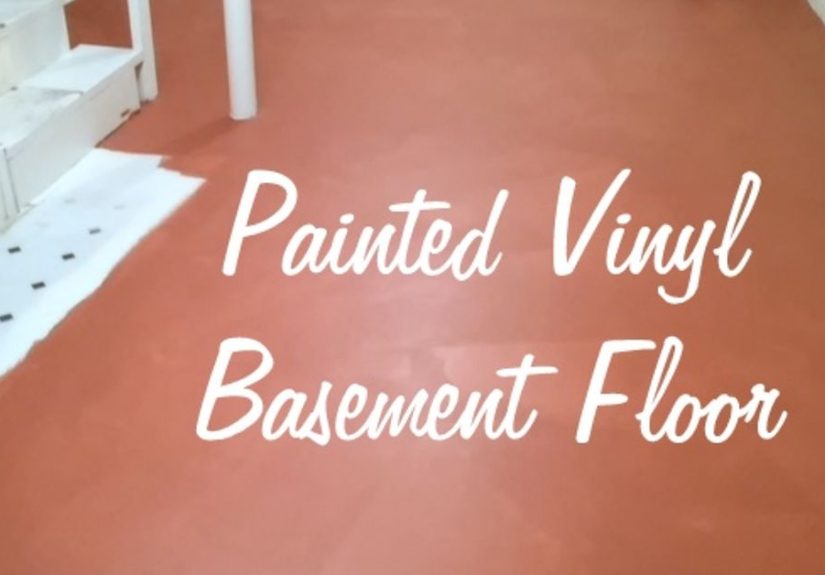
A painted vinyl basement floor is an existing vinyl surface, usually sheet vinyl or vinyl tile, that is refreshed with a specialty coating system designed for floors. Homeowners choose this route for one simple reason: it is often cheaper and less disruptive than replacing the floor entirely. If the existing vinyl is firmly attached, relatively smooth, and not hiding major moisture problems, painting can be a reasonable cosmetic upgrade.
That last part matters. Basement floors live a harder life than upstairs floors. They deal with humidity, seasonal dampness, cooler temperatures, and the occasional mystery smell that appears after a rainy week and then vanishes like it pays no rent. Because of that, a painted vinyl basement floor has to be treated like a performance surface, not just a color update.
Why Homeowners Like the Idea
There is a lot to love about the concept. Painting existing vinyl avoids the mess of demolition, gives you more color and pattern freedom, and can make a dark basement feel brighter and cleaner. It is especially attractive in laundry rooms, home gyms, utility zones, playrooms, craft spaces, and finished basements that need a facelift without a full renovation budget.
It also opens the door to creative design. A painted floor can mimic checkerboard tile, create a faux rug effect, define zones in an open basement, or simply make an outdated yellowed vinyl floor stop looking like it remembers dial-up internet. For homeowners trying to make a basement feel less like a storage bunker and more like a usable extension of the house, that visual change can be huge.
When Painting Vinyl in a Basement Makes Sense
The Floor Is Well Bonded
If the vinyl is still firmly attached with no widespread lifting, bubbling, or curling at the seams, painting may be worth considering. A stable surface gives the coating a fighting chance. If the floor is already moving around, the paint will not magically become a therapist and solve those issues.
The Basement Is Dry Enough
Moisture is the main villain in almost every basement-floor story. If your basement has active leaks, repeated condensation, damp walls, musty odors, or visible mold, those problems need to be fixed before any coating goes down. Paint does not solve moisture. It just gives moisture a new and exciting way to ruin your weekend.
The Surface Is Relatively Smooth
Heavily embossed, cushioned, or damaged vinyl is harder to paint well. Texture telegraphs through coatings. So do patched seams, divots, and old wear patterns. Slight texture can add character. Deep texture can make the floor look like it was painted over a waffle iron.
You Are Using the Right Product System
This is not the time to use leftover wall paint from the guest bedroom. A painted vinyl basement floor needs a floor-specific coating system that is either explicitly approved for vinyl or part of a specialty refinishing kit. The product instructions matter more than internet confidence. Whenever a manufacturer says “yes,” life gets easier. When a manufacturer says “no,” believe them the first time.
When You Should Not Paint a Vinyl Basement Floor
There are cases where painting is simply the wrong move. Skip it if the basement has chronic water intrusion, if the vinyl is loose or soft underfoot, if mold is present, or if the floor has multiple failing patches and repairs. Skip it too if the basement slab is causing frequent dampness from below, because even a beautiful coating will struggle when the substrate never fully dries.
Painting is also a poor solution if you want a floor that can handle heavy rolling loads, constant pet claw traffic, or regular furniture rearranging without showing wear. A painted floor can be durable, but it is still a coating, not a miracle. In some basements, replacing the vinyl or covering it with a more forgiving floating floor will deliver better long-term results.
How to Prep a Painted Vinyl Basement Floor the Right Way
Step 1: Fix Moisture First
Start by dealing with the basement itself. Run a dehumidifier if needed, address leaks, improve drainage outside, and make sure the space stays consistently dry. If the basement recently had water intrusion, let everything dry thoroughly before you even think about primer. A dry-looking floor is not always a dry floor, and basements are notorious for pretending everything is fine until the coating starts peeling.
Step 2: Remove Dirt, Residue, and Anything Slick
Vinyl floors often carry invisible baggage: dust, oily residue, cleaner buildup, old polish, wax, laundry product splashes, and mystery grime from years of basement life. Clean thoroughly and rinse well. The goal is a surface that is genuinely clean, not “looks fine from five feet away.” Those are two very different things in floor-paint land.
Step 3: Repair Damage
Fill chips, smooth seams, and patch low spots if your product system allows it. If the existing vinyl has pronounced texture or embossing, some floors need a skim coat or embossing leveler to reduce that pattern before painting. This is one of the least glamorous parts of the project, which is exactly why it determines whether the finished floor looks polished or oddly lumpy.
Step 4: Scuff or Prime as Directed
Many specialty coatings require either a bonding primer, a deglossing prep step, or a light scuff-sand. Follow the product instructions exactly. Not “mostly.” Exactly. Adhesion problems usually begin when someone decides the label is more of a personality suggestion than an instruction manual.
Step 5: Test a Small Area
Before coating the entire basement, do a test patch in a low-visibility area. Watch how it bonds, how it cures, and how it looks after a few days. A small test can save you from coating 400 square feet with a finish that scratches if you look at it too sternly.
Best Product Approach for a Basement Vinyl Floor
The safest route is a specialty interior floor coating or refinishing system approved for vinyl or resilient flooring. Some modern kits are made specifically to coat existing floors without demolition, and those are usually the strongest candidates for this kind of project. Traditional concrete floor paints, porch-and-patio paints, and one-part epoxy-style coatings may work beautifully on concrete but are not automatically suitable for vinyl.
In other words, do not shop by color alone. Shop by substrate compatibility. The sentence you want to see on the label is some variation of “suitable for vinyl” or “for use on interior floors including vinyl.” If the instructions are vague, treat that vagueness like a red flag wearing a neon jacket.
Design Ideas That Work Especially Well
Soft Greige or Warm Beige
If your basement lacks natural light, warm neutrals are your friend. They brighten the room without making it feel cold or clinical. A painted vinyl basement floor in a soft greige can make exposed ceilings, laundry cabinetry, and white trim look more intentional.
Charcoal and White Contrast
For a home gym, media room, or modern basement office, charcoal floors paired with crisp trim and lighter walls create strong contrast. It looks clean, tailored, and just a little dramatic in a good way.
Checkerboard Pattern
Classic checkerboard is an excellent choice for utility rooms, basement bars, and play spaces. It gives the basement personality without requiring expensive tile. This is the design equivalent of showing up overdressed in the best way.
Stencil or Faux Tile Effects
If the vinyl surface is smooth and the room is low to moderate traffic, stenciling can create a custom look. The trick is restraint. One smart geometric pattern looks designer. Twelve competing motifs look like the floor lost a bet.
Application Tips for a Professional-Looking Result
Use thin, even coats. Respect drying times between coats. Maintain good ventilation. Keep humidity under control during curing. Avoid rushing furniture back into the room. Basements reward patience and punish shortcuts with theatrical enthusiasm.
Work in logical sections, and keep a wet edge where possible. Use tools recommended by the coating manufacturer, because roller nap, pad type, and brush quality affect texture and coverage. The best paint in the world cannot save a floor from a bargain-bin roller that sheds like a golden retriever in July.
How Durable Is a Painted Vinyl Basement Floor?
Durability depends on four things: the condition of the original vinyl, the dryness of the basement, the compatibility of the product, and the discipline of the prep. Get those right, and the floor can hold up well for everyday basement use. Get them wrong, and the finish may scratch, peel, or wear unevenly much sooner than expected.
Lower-traffic finished basements generally get the best results. Storage-heavy areas, workshop corners, and rooms with frequent chair rolling or dragging furniture will show wear faster. That does not mean painting is pointless. It means expectations should be realistic. A painted floor is a practical finish, not an indestructible superhero cape.
Maintenance Tips After the Floor Is Painted
Once the coating has fully cured, maintain it gently. Sweep or vacuum regularly to reduce grit. Use non-harsh floor cleaners recommended for coated surfaces. Wipe up standing water quickly. Add felt pads under furniture and avoid dragging heavy items. If you use rugs, choose ones that do not trap excess moisture against the floor.
Also, continue managing basement humidity. This is not a “one and done” category. The same basement conditions that can cause mustiness can also shorten the life of a painted finish. A good dehumidifier may not be glamorous, but neither is repainting a floor because the room felt like a cave spa for three months.
Common Mistakes to Avoid
Painting Over a Damp Basement
This is the biggest mistake and the most expensive one. If the room is damp, fix that first.
Ignoring Loose Vinyl
Paint follows the condition of the floor beneath it. Loose vinyl means future failure.
Using the Wrong Paint
Standard interior paint is not made for vinyl floor traffic. Specialty floor coatings exist for a reason.
Rushing Cure Time
The floor may feel dry long before it is ready for furniture, rugs, or full traffic. Cure time is where many otherwise good projects go sideways.
Choosing Style Over Function
Highly intricate patterns can look amazing, but only if the floor underneath is smooth and stable. Sometimes the smartest design move is also the simplest one.
Final Thoughts
A painted vinyl basement floor can absolutely be worth it when the basement is dry, the vinyl is stable, and the product system is chosen with care. It is one of those projects where the prep work does most of the heavy lifting and the paint gets all the credit. Typical home improvement politics, honestly.
If you want a basement that feels cleaner, brighter, and more finished without a full flooring replacement, painting the existing vinyl may be the upgrade that makes sense. Just remember the golden rule: in basements, moisture always gets a vote. Plan for that first, and the design part becomes much more fun.
Real-World Experiences With a Painted Vinyl Basement Floor
Homeowners who are happiest with a painted vinyl basement floor usually say the same thing: the room felt better almost immediately. Not just prettier, but more intentional. A basement with old vinyl often carries a visual heaviness. The floor can look yellowed, dated, or simply tired. Once coated in a fresh color, especially a light neutral or a crisp patterned finish, the whole room tends to read as cleaner and brighter. Even unfinished ceilings and basic utility shelving somehow look more deliberate when the floor stops stealing the spotlight for all the wrong reasons.
One common experience is surprise at how much prep matters. Many people go into the project thinking the paint is the transformation, only to realize the real transformation happened during cleaning, patching, and moisture control. After fixing minor seam issues, scrubbing away old residue, and running a dehumidifier consistently, they often notice the basement feels healthier and less musty before the first coat even goes on. The paint becomes the visual payoff, but the prep creates the livability.
Another frequent takeaway is that expectations change once the space is in daily use. In a basement laundry room or hobby space, a painted vinyl floor can perform very well and still look stylish. In a kid-heavy playroom with constant toy traffic, the floor may pick up scuffs faster than expected, especially in turning points and near furniture legs. That does not automatically make the project a failure. In fact, many homeowners still consider it a win because touch-ups are easier and cheaper than replacing the whole floor.
People also tend to remember the emotional side of the project. Basements often become catch-all zones for unfinished plans, storage overflow, and furniture that lost the election upstairs. Painting the vinyl floor can be the moment the basement changes identity. Suddenly it becomes a movie room, home office, craft room, teen hangout, or workout area that feels connected to the rest of the house instead of forgotten by it.
There is also a learning curve. Homeowners often say they would choose fewer complicated details the second time around. A checkerboard or border can look fantastic, but only if there is patience for taping, measuring, and curing. Simpler designs usually age better and cause less stress. The most satisfied people are often the ones who matched their design ambition to the reality of basement conditions. That is the quiet secret of the best painted vinyl basement floors: they are not just pretty. They are practical enough to survive real life.