
Table of Contents >> Show >> Hide
- What a Cut-In Electrical Box Actually Is
- Why Madison Straps Are Popular in Finished-Wall Work
- Before the Box Goes In: The Planning Work That Separates Clean Results From Regret
- How Pros Usually Approach a Cut-In Box With Madison Straps
- Common Problems That Turn a “Simple Box Install” Into a Mini Soap Opera
- When a Licensed Electrician Is the Better Call
- What a Good Finished Result Looks Like
- Real-World Experiences With Cut-In Boxes and Madison Straps
- Conclusion
If you have ever looked at a finished wall and thought, “How hard could it be to add one little box?” welcome to one of home improvement’s most humbling plot twists. A cut-in electrical box sounds tiny, tidy, and almost charming. Then reality barges in wearing work boots: hidden wiring, crowded wall cavities, box-fill rules, brittle plaster, code requirements, and those mysterious little metal helpers often called Madison straps.
Here is the good news: once you understand what a cut-in box is, what Madison straps actually do, and why pros obsess over support, wall thickness, conductor length, and device protection, the whole subject stops feeling like black magic. This guide walks through the big-picture process, the common traps, and the smart decisions that matter most. It is written for readers who want real information, not fluffy DIY fairy dust.
What a Cut-In Electrical Box Actually Is
In everyday contractor language, a cut-in box is usually an old-work or remodeling box installed after the drywall or plaster is already in place. Unlike a new-work box that gets fastened before the wall finish goes up, a cut-in box is designed for an existing finished wall. In other words, this is the box you reach for when the wall is already done, painted, and behaving like it has never heard of your renovation plans.
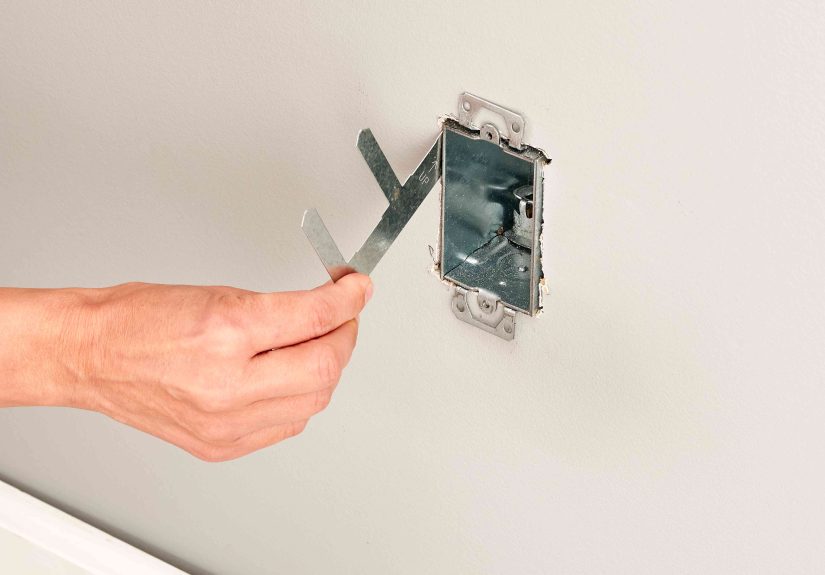
That is where support becomes the whole game. Many old-work plastic boxes use built-in wings or ears that clamp against drywall. But steel boxes often need a different strategy. That is where Madison straps enter the chat. These metal support clips are used to help secure certain steel boxes in finished walls. Depending on the product, they may be sized for different box depths and different wall thicknesses. Translation: the hardware matters, and “close enough” is not a professional standard.
Why Madison Straps Are Popular in Finished-Wall Work
Madison straps have a loyal following for one simple reason: they are useful when a finished wall needs a steel box and there is no convenient framing member in exactly the right place. They are especially common in retrofit situations where plastic old-work boxes are not the best match or where the installer wants the durability and grounding characteristics of steel.
They also shine in awkward real-world walls. Think older homes, shallow cavities, patches of crumbly plaster, or situations where a standard swing-ear plastic box just is not the best mechanical fit. Pros like them because they are compact, fast in the right hands, and often more practical than opening a giant section of wall just to add backing. That said, Madison straps are not magic wands. They do not fix a bad opening, an overloaded box, damaged conductors, or a code issue hiding in the wall like a gremlin.
Before the Box Goes In: The Planning Work That Separates Clean Results From Regret
1. Wall Construction Changes Everything
Drywall is one thing. Plaster and lath is another beast entirely. Thin modern drywall can behave nicely with certain support clips, while thicker assemblies, tile, skim coats, wood paneling, or layered finishes can change how well a box sits flush and how well the support actually grabs. Some old-work support products are rated for specific wall thicknesses, so the wall is not just background scenery. It is part of the engineering.
If the finished surface is fragile, crumbling, bowed, or oversized from a previous repair, even good hardware can struggle. This is why experienced installers treat the wall opening like surgery, not demolition derby. A cutout that is too large creates loose mounting, ugly trim gaps, and a faceplate that never quite sits right. That tiny gap will stare at you forever, usually from exactly sofa height.
2. Box Size Is Not a Cosmetic Choice
One of the biggest mistakes in retrofit electrical work is choosing a box by vibe instead of by volume. Electrical boxes are not empty little caves where wires can be stuffed until the cover plate gives up. Box fill matters. Conductors, devices, fittings, clamps, and grounding conductors all affect how much usable space the box must provide.
This is where many “quick outlet upgrades” turn into “why won’t this receptacle sit flat?” moments. If the box is too small for the number of conductors and the device being installed, you get a cramped mess that is harder to wire, harder to service, and more likely to fail inspection. A proper retrofit starts by matching the box to the wiring reality inside the wall, not just the size of the hole in the drywall.
3. Wire Length and Wire Condition Matter More Than People Expect
Existing wiring in older walls is often less cooperative than the internet makes it look. Conductors may be short, stiff, nicked, painted over, or missing modern grounding arrangements. In many cases, there must be enough free conductor length in the box for safe splicing and device termination. If the wires are too short or in poor condition, what seemed like a basic box swap can become a repair project.
This is also the moment when old cloth wiring, aluminum branch-circuit wiring, damaged insulation, or mystery splices can show up and ruin everyone’s weekend. A support clip cannot solve those issues. That is when a confident pause is smarter than a brave mistake.
4. The Device May Change the Whole Plan
Not every receptacle or switch asks the same thing from the box. Standard devices are one thing. GFCI and AFCI devices are another. They are often bulkier, and the locations where they are required can vary depending on the room, the circuit, and local enforcement. Bathrooms, kitchens, garages, basements, outdoor areas, and other locations near water often raise the safety bar fast.
That means a retrofit is never just about “getting the box in the wall.” It is also about whether the final device belongs there, whether the circuit needs special protection, and whether the box has enough room for the actual hardware chosen. The glamorous part of electrical planning, of course, is discovering that the expensive fancy device is physically larger than your original plan by exactly one headache.
How Pros Usually Approach a Cut-In Box With Madison Straps
Professionals typically think through this kind of retrofit in a very boring, methodical order, which is precisely why they get better results. First comes safety and circuit verification. Then comes wall assessment, box selection, device selection, and code-fit review. After that, they evaluate cable entry, grounding path, conductor length, box fill, and support method. Only then does the final mounting happen.
Notice what is missing from that sequence: rushing. The clean-looking finished result is usually the byproduct of a slow, disciplined setup. When a steel cut-in box is paired with Madison straps, the goal is simple: the box should sit securely, stay flush with the finished wall, protect the conductors, and leave enough room for safe device termination and future servicing. If any one of those pieces is weak, the installation may look acceptable for five minutes and feel annoying for five years.
Common Problems That Turn a “Simple Box Install” Into a Mini Soap Opera
Oversized Openings
This is the classic retrofit mistake. The hole ends up too large, the front flange loses support, the box shifts, and the wall plate can no longer hide the evidence. People then enter the denial phase, followed by the “maybe caulk will save me” phase. It rarely does.
Wrong Support for the Wall Thickness
Old-work supports are not all interchangeable. Some are intended for shallower conditions, while others are made for thicker finished walls. Using the wrong support can leave the box loose, twisted, or poorly aligned.
Crowded Boxes
Even when the box technically fits the opening, it may not fit the wiring. Crowded boxes make conductors harder to route, stress terminations, and complicate maintenance later. This is one of those problems that hides behind a pretty faceplate until somebody has to open the box again.
Old Wiring Surprises
Retrofit work loves surprises. Wires may be brittle. Grounds may be absent or improvised. Cable sheathing may be damaged. Existing splices may be questionable. Sometimes the smartest professional move is not to keep pushing forward. It is to stop, expand the repair scope, and fix the underlying issue first.
Skipping Permits or Inspection Logic
Electrical rules are local as well as national in practice. Depending on where the property is located, the work may require a permit, inspection, or a licensed electrical contractor. Even when a homeowner is legally allowed to do certain work, insurance and resale questions can become very awkward if the finished result is not code-compliant or properly documented.
When a Licensed Electrician Is the Better Call
There is no shame in calling a pro. In fact, it is often the most grown-up move in the room. A licensed electrician is the better choice when the wall contains old or unfamiliar wiring, when grounding is questionable, when the circuit needs GFCI or AFCI review, when box fill is tight, when the wall finish is brittle or historic, or when the project involves more than a straightforward device replacement.
It is also wise to bring in a professional when the repair is tied to kitchens, bathrooms, garages, exterior walls, damp locations, or any area where the protection requirements are higher and the consequences of guessing are worse. Electricity has a terrible sense of humor. It always notices the one thing you decided to “probably” do right.
What a Good Finished Result Looks Like
A good cut-in box installation is not flashy. It is flush. It is secure. The device sits straight. The wall plate lies flat. The box is sized correctly for the conductors and device. The wiring is not crammed in like a suitcase on the last day of vacation. The support hardware is appropriate for the wall thickness. And the finished device has the protection and code fit the location requires.
In other words, success here looks boring. Beautifully, professionally boring. And in electrical work, boring is often exactly what you want.
Real-World Experiences With Cut-In Boxes and Madison Straps
People who work around older homes tend to develop a special respect for finished-wall box retrofits because the walls rarely read the instruction manual. One common experience is discovering that a wall cavity looks generous from the outside but feels tiny once the device, the conductors, the grounding path, and the faceplate all need to coexist in peace. Plenty of homeowners begin the project thinking the challenge is making the hole. Pros know the real challenge is everything that happens after the hole exists.
Another frequent experience is learning that older plaster walls are dramatic. They crack when you want them calm, crumble when you want them crisp, and hold on to dust like it is a family heirloom. In these settings, Madison straps can make sense because they offer a way to secure a steel box in a finished wall without turning the project into a full drywall repair festival. But the catch is that the wall opening has to be neat and the support choice has to match the actual wall condition. A clever clip cannot rescue a sloppy opening cut too wide on a Friday afternoon.
There is also the classic “I thought the existing wires would be fine” experience. Then the old box comes out, and suddenly the conductors are shorter than expected, the insulation looks tired, the grounding is less than ideal, or an old splice raises an eyebrow. That is the moment experienced people stop treating the project like a cosmetic upgrade and start treating it like electrical work. It sounds obvious, but that mindset shift saves a lot of bad decisions.
Many real-world retrofits also become lessons in box fill humility. A box that looked roomy in the store can feel hilariously small once a bulky modern receptacle is added. This happens often with protective devices like GFCI receptacles, which can eat up more room than people expect. The result is a familiar wrestling match: folding conductors carefully, trying not to stress the terminations, and realizing that “just one more wire” is how tidy plans become crowded headaches.
Professionals also talk a lot about flush alignment because it affects the finished look more than people realize. If the box sits too deep, too proud, or slightly twisted, the faceplate tells on you immediately. There is no cover plate in the world that can make a crooked device look intentional. That is why experienced installers keep checking support, wall plane, and device fit instead of assuming the first position is good enough.
And then there is the emotional side of the project, which nobody puts on the product packaging. A finished-wall box retrofit often begins with confidence, moves into confusion, visits mild irritation, and thenif done correctlyends with the deeply satisfying sight of a straight, solid device sitting where it belongs. That final result feels small, but it represents a lot: correct planning, correct hardware, respect for code, and the wisdom to stop when the wall reveals something bigger than expected.
The best experience reports all have the same underlying lesson. Successful cut-in box work is less about speed and more about judgment. The winning move is not forcing the wall to accept your first idea. It is choosing the right box, the right support, the right device, and the right scope for the actual conditions in front of you. Sometimes that means a clean retrofit with Madison straps. Sometimes it means changing the box style. And sometimes it means calling a licensed electrician before the project becomes an expensive lesson wrapped in drywall dust.
Conclusion
Installing a cut-in electrical box with Madison straps may sound like a tiny upgrade, but it lives at the intersection of support, box fill, wall conditions, conductor length, grounding, and code compliance. That is why good results come from planning, not improvising. When the wall is straightforward and the design is appropriate, this style of old-work support can be a smart solution. When the wall is fragile, the box is crowded, or the circuit protection needs are unclear, the safest choice is often to slow down and bring in a licensed electrician.
In home improvement, plenty of projects reward enthusiasm. Electrical work rewards accuracy. Madison straps can help hold a box, but judgment is what holds the whole project together.





 Close
Close