Table of Contents >> Show >> Hide
- Why Maggots Die So Fast When They’re Stored Wrong
- The Quick Answer
- How to Keep Maggots Alive for Fishing: 11 Steps
- Start with fresh bait
- Use the right container
- Keep them cool, not frozen
- Add dry bedding
- Keep moisture under control
- Do not overcrowd the bait
- Protect them from sun and heat during the trip
- Keep a fishing portion separate from your backup supply
- Remove dead bait and pupae regularly
- Refresh the bedding when needed
- Know when to stop trying to save them
- Common Mistakes That Kill Fishing Maggots
- Best Uses for Live Maggots on the Water
- How Long Can Maggots Last?
- Experience and Real-World Lessons from Keeping Maggots Alive
- Final Thoughts
If you have ever opened a bait container and discovered a sad little science experiment instead of lively fishing bait, welcome to the club. Maggots are excellent fish catchers, but they are also tiny drama queens. Too hot? They pupate. Too wet? They go downhill fast. Too much sun? Congratulations, you have created a very small, very gross sauna.
The good news is that keeping maggots alive for fishing is not complicated. You do not need a laboratory, a degree in entomology, or a pep talk for your bait. You just need the right container, the right temperature, the right bedding, and the self-control to stop leaving them in your truck “for just a minute.” Follow the 11 steps below, and your bait should stay lively, useful, and far less likely to turn into winged betrayal before your next trip.
Why Maggots Die So Fast When They’re Stored Wrong
Before the steps, let’s get one thing straight: maggots are alive, but they are not trying to be heroes. Warmth speeds up their development. Moisture buildup makes conditions messy and unhealthy. Direct sun cooks them like tiny overcommitted appetizers. Freezing is no prize either, because bait that gets too cold can become inactive, damaged, or dead.
In fishing shops, maggots are often sold as spikes, which are fly larvae used for panfish, perch, crappie, bluegill, trout, and other species that enjoy a bite-sized snack. If you store them properly, they can last far longer than most beginners expect. If you store them badly, they can become a lesson in consequences by tomorrow morning.
The Quick Answer
To keep maggots alive for fishing, store them in a cool place, usually a refrigerator or mini fridge, inside a clean bait container with dry bedding such as sawdust, bran, or pine shavings. Keep them out of direct sunlight, avoid excess moisture, do not let them freeze, and check them regularly so you can remove dead bait and refresh the bedding when needed.
How to Keep Maggots Alive for Fishing: 11 Steps
-
Start with fresh bait
You can only store maggots well if they were healthy to begin with. Buy from a reputable bait shop, a busy outdoor retailer, or a seller known for live bait. Fresh maggots should look firm, clean, and active, not mushy, dark, leaking, or half-committed to becoming flies. If the bait already smells foul when you open it, that is not “extra fish attractant.” That is a warning label in disguise.
Fresh bait lasts longer, hooks better, and gives you more time to manage it properly. Old bait is basically asking you to lose an argument with nature.
-
Use the right container
Do not toss maggots into whatever random plastic cup survived last week’s leftovers. Use a bait box, a small plastic tub, or the original container if it is clean and secure. The container should keep the larvae contained, prevent crushing, and make it easy to refrigerate them.
Choose something compact rather than oversized. A huge container with a tiny amount of bait makes it harder to manage temperature and bedding. A small, dedicated bait tub is much better than repurposing your aunt’s nice glassware and pretending that was a normal choice.
-
Keep them cool, not frozen
This is the big one. Cool storage slows development and helps keep maggots in bait form instead of letting them race toward the next stage of life. A refrigerator or mini fridge is usually the safest option. Many anglers like using a garage fridge so the family does not have to share shelf space with a tub labeled “live larvae.” Frankly, that is a relationship-saving strategy.
Do not put maggots in the freezer, and do not park them next to an area of the fridge that freezes solid. The goal is cool and stable, not arctic vengeance. If you notice the bait stiffening too much or dying off after a cold snap in storage, move the container to a slightly less cold spot.
-
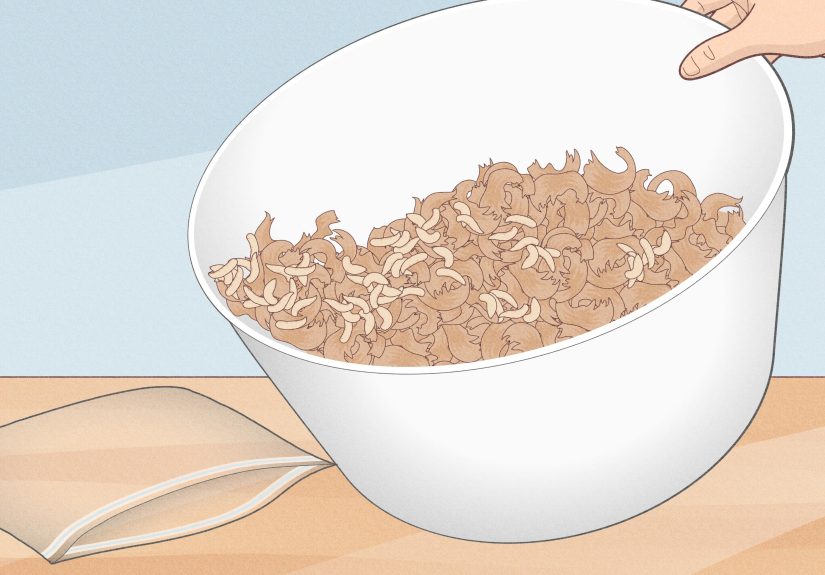
Add dry bedding
Good bedding helps absorb moisture, separates the larvae, and keeps the container cleaner. Sawdust, bran, and pine shavings are common choices. Many sellers ship spikes in shavings for exactly this reason. A small layer is enough. You are not building them a luxury condo; you are giving them a dry place to stay put and stay usable.
Dry bedding also helps you handle the bait more easily on the water. Instead of scooping up a slimy clump of regret, you can pick out individual maggots cleanly and thread them onto a hook without looking like you just lost a fight with pudding.
-
Keep moisture under control
Moisture is one of the fastest ways to ruin live bait. Condensation, wet bedding, or water getting into the container can shorten the bait’s life and create an ugly mess. If the bedding feels damp, replace it. If the lid has condensation, wipe it dry. If you spilled a sports drink into the bait cooler, first of all, impressive. Second, fix it immediately.
Dry does not mean desert-level neglect. It means no pooling liquid, no swampy bedding, and no sweaty container. The cleaner and drier the bedding stays, the longer your maggots are likely to remain lively.
-
Do not overcrowd the bait
A little breathing room matters. When too many maggots are jammed into one small space, the container warms up faster, the bedding breaks down faster, and you end up with more waste and more stress on the bait. Split large quantities into smaller containers if needed.
This is especially important if you bought bait in bulk for several trips. Keep your backup stock chilled at home and carry only what you expect to use that day. That way, the rest of your bait stays in better condition instead of spending the afternoon riding around in your tackle bag like it is on a doomed field trip.
-
Protect them from sun and heat during the trip
Even perfectly stored maggots can go downhill fast if you leave them on a boat deck, dock bench, tailgate, or dashboard in the sun. Heat is the enemy. Keep the bait in the shade, in a small cooler, or tucked into a protected pocket or insulated compartment depending on the weather.
Summer anglers should be especially careful. A container that feels merely warm in your hand can be far too hot for bait. If you are fishing in direct sun, bring a small cooler or insulated bait holder and only open it when needed. Maggots are tiny, but they absolutely notice when you turn their home into a microwave audition.
-
Keep a fishing portion separate from your backup supply
This simple habit makes a huge difference. Bring a small working amount to the bank or boat, and leave the rest stored in the best conditions possible. Every time you open the main container, handle the bait with warm fingers, or leave it out while you re-tie, you shorten its life a little more.
A two-container system works well: one for your trip supply and one for your reserve. If the day gets hot or messy, you have not ruined everything at once. This is one of those boring, practical habits that saves money, saves bait, and makes you look suspiciously organized.
-
Remove dead bait and pupae regularly
Check the container every day or two if you are storing bait for more than a short trip. Remove any dead larvae, off-color mushy bait, or any bait that has clearly moved on to the pupa stage. Once pupation starts, that bait is heading out of the “great fishing maggot” phase and into the “tiny future fly with other ambitions” phase.
Cleaning out bad bait keeps the rest healthier and cleaner. Think of it like cleaning the refrigerator, except smaller, wrigglier, and somehow even less likely to spark joy.
-
Refresh the bedding when needed
If the bedding gets dirty, damp, or clumpy, replace it. Do not wait until the container looks like a biology class plot twist. Fresh, dry bedding helps the bait last longer and makes the container easier to manage. A quick refresh takes only a minute, and it can buy you days of better bait life.
This is also a good time to sort the bait gently. Separate the strongest, most active maggots for your next trip and discard the obviously weak ones. Better bait on the hook means better presentation in the water, especially when fishing for species that can be maddeningly picky, like perch, crappie, and bluegill.
-
Know when to stop trying to save them
Sometimes bait is simply done. If the maggots are mushy, smell awful, or have mostly pupated, it is time to replace them. Trying to squeeze one more weekend out of bad bait often ends with fewer bites, more frustration, and a suspicious smell in your fridge that nobody in the house will forgive.
Good bait is part of good fishing. Cheap bait that no longer works is not a bargain. It is a false economy with tiny legs. Buy fresh and start over when the batch is past its prime.
Common Mistakes That Kill Fishing Maggots
- Leaving them in a hot car, boat compartment, or sunny tackle tray.
- Letting bedding get wet from condensation, rain, or spilled drinks.
- Storing too many in one container.
- Keeping them so cold they freeze.
- Ignoring the container for a week and acting surprised when evolution happened.
- Taking the whole supply on every trip instead of using a small working portion.
Best Uses for Live Maggots on the Water
Once your bait is lively and healthy, put it to work. Maggots are especially effective for panfish, crappie, perch, bluegill, and trout. They shine on tiny hooks, light-wire bait holders, and small jigs. One or two maggots can be enough for finicky fish, especially in cold water or when fish are feeding on insect-sized forage.
They are also a great choice when fish ignore bulkier bait. A small jig tipped with one or two maggots can look natural, move subtly, and stay in the strike zone without overwhelming cautious fish. In other words, maggots are the minimalist power lunch of the fishing world.
How Long Can Maggots Last?
There is no universal timer, because storage quality, freshness, container size, bedding, and temperature all matter. In solid conditions, many anglers get days or even a few weeks of good use out of a batch. Some commercial sellers say refrigerated spikes can last around a month, while similar larvae kept too warm may advance quickly and become unusable much sooner.
The practical takeaway is simple: check them often. Healthy bait tells on itself. If it is active, firm, clean, and not breaking down, you are still in business. If it looks like a cautionary tale, you are not.
Experience and Real-World Lessons from Keeping Maggots Alive
Anglers who use maggots regularly tend to learn the same lesson the hard way: bait care matters almost as much as bait choice. The first time someone buys a tub of spikes and leaves them in the truck overnight after a warm afternoon, they usually do not make that mistake twice. What looked like “I’ll deal with it later” turns into a smelly, damp, disappointing container by morning. From then on, most people become almost comically protective of their bait, which is how you know wisdom has arrived.
One of the most common experiences is discovering that small adjustments make a huge difference. Moving bait from a large sloppy container to a small clean box with fresh shavings can extend its life noticeably. So can storing the bait in a mini fridge instead of the family refrigerator door, where temperature swings happen every time somebody grabs milk, soda, or leftover pizza. That constant opening and closing may not seem dramatic, but bait notices.
Another real-world pattern is that different seasons require different habits. In winter, the challenge is preventing bait from freezing while you fish. In summer, the challenge is preventing overheating. Many anglers eventually settle on a simple system: the main bait supply stays cool and protected, while a tiny amount rides with them in a pocket, bait puck, or small tub for immediate use. That way the backup supply is not exposed every few minutes. It is not flashy, but it works.
There is also the experience of learning that “clean enough” is not actually clean enough. When bedding gets dirty, many people try to stretch it one more trip. Then the bait goes soft, the container sweats, and the smell becomes a full-blown family discussion. Changing bedding early is easier than rescuing a bad batch later. Experienced anglers know this. New anglers usually learn it right after wondering why their bait looks like it lost the will to wriggle.
Plenty of anglers also notice that lively maggots simply fish better. They thread more easily, stay on the hook more naturally, and give a better overall presentation. When crappie, perch, or bluegill are picky, that matters. A lively maggot on a tiny jig can turn a slow afternoon into a steady pick of fish. Dead, mushy bait, on the other hand, often just makes you feel like you are donating hooks to the lake.
Probably the biggest practical lesson is this: maggots are low-maintenance, but they are not no-maintenance. If you treat them like living bait instead of weird tackle, they reward you. Keep them cool, dry, clean, and protected from extremes, and they can stay useful far longer than most beginners think. Ignore them, and they become a very educational reminder that biology never takes the day off.
Final Thoughts
If you want to keep maggots alive for fishing, the formula is refreshingly simple: buy fresh bait, store it cool, use dry bedding, avoid moisture, protect it from sun, and check it often. That is really the whole game. The magic is not magical. It is just good bait care.
Once you build the habit, it becomes second nature. You will stop losing bait to heat, stop opening containers with dread, and stop wondering why your “live” bait looks emotionally unavailable. Treat your maggots well, and they will return the favor where it counts most: on the hook, in front of fish, while you look much smarter than you did on your first bait disaster.