
Table of Contents >> Show >> Hide
- Why the Cozy Board Game Café Trend Works So Well at Home
- Step 1: Create a Game-Friendly Layout
- Step 2: Set the Mood with Cozy Lighting and Café Atmosphere
- Step 3: Build a Board Game Menu for Every Type of Guest
- Step 4: Design a Snack and Drink Station That Protects the Games
- Step 5: Organize Your Games and Add Memorable Café Touches
- Extra Tips for a Cozy Living Room Board Game Café
- Conclusion: Your Living Room Can Become Everyone’s Favorite Board Game Café
- Personal Experience: What Makes a Living Room Board Game Café Actually Work
There is a special kind of magic in a board game café. The warm lighting. The snack plates. The low buzz of friendly competition. The heroic person trying to explain the rules while everyone else is already touching the game pieces. It is cozy, social, affordable, and just chaotic enough to make memories.
The good news? You do not need to rent a storefront, buy twenty-seven wooden tables, or install a chalkboard wall big enough to announce “Tonight’s Featured Game: Emotional Damage.” You can turn your living room into a cozy board game café with a few smart design choices, a thoughtful game menu, and a snack setup that does not end with hummus on the Monopoly money.
This guide will walk you through five simple steps to create a warm, functional, and fun game-night space at home. Whether you are hosting family, friends, neighbors, coworkers, or that one ultra-competitive cousin who treats Uno like an Olympic sport, these board game café ideas will help you design a living room that feels inviting, organized, and ready for play.
Why the Cozy Board Game Café Trend Works So Well at Home
A cozy board game café is not just about playing games. It is about creating an experience. People are craving screen-light breaks, budget-friendly entertainment, and relaxed ways to connect. A living room board game night checks all three boxes without requiring reservations, parking fees, or a café latte that costs more than a small houseplant.
The best home game spaces combine comfort and function. Guests need a place to sit, enough table space to play, lighting bright enough to read tiny rulebooks, and snacks close enough to enjoy but far enough away to protect the cards from salsa-related tragedy.
Think of your living room as a mini café with zones: a game table zone, a snack station, a drink corner, a cozy lounge area, and a small “game library.” Once the room has flow, comfort, and atmosphere, it stops feeling like a regular living room and starts feeling like your own private tabletop hangout.
Step 1: Create a Game-Friendly Layout
The first rule of turning your living room into a cozy board game café is simple: the room must support actual gameplay. A gorgeous space is nice, but if players have to hold cards in one hand, balance snacks on their knees, and roll dice on a couch cushion, your café has become a circus with throw pillows.
Choose the Right Main Playing Surface
Your coffee table may work for quick card games, but many board games need more space. If your living room table is small, add a folding table, nesting tables, or a lightweight dining table that can be brought in for game night. The best table is sturdy, flat, and wide enough for the board, player mats, tokens, cards, snacks, and the occasional dramatic elbow placement.
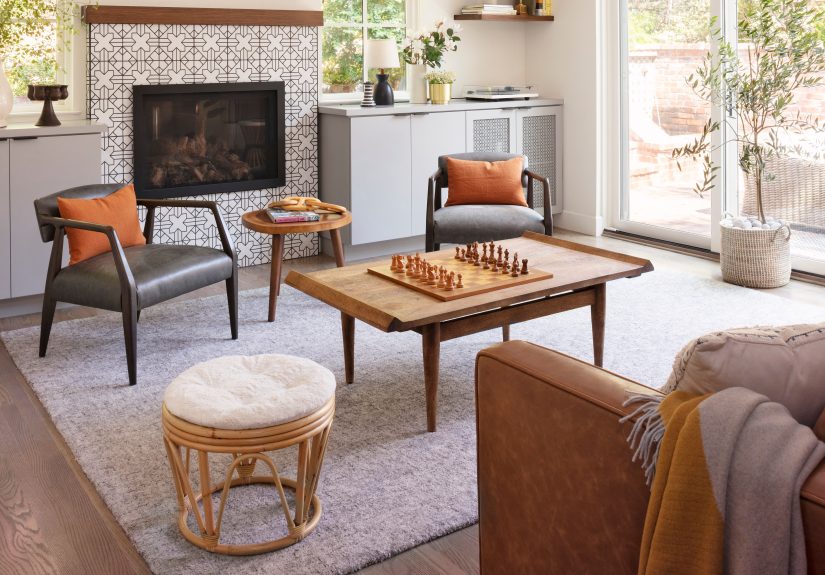
For a casual café feel, place the main table in the center of the room and arrange seating around it. If you have a sectional, pull in ottomans, poufs, stools, or dining chairs so everyone has a clear view of the game. Avoid seating that is too deep or too low for long sessions. A sofa may be cozy, but after two hours of leaning forward, your guests may start making sound effects every time they stand up.
Keep Walkways Open
Good game-night layout depends on flow. Guests should be able to move from the seating area to the snack station or bathroom without performing parkour over backpacks and side tables. Keep at least one clear walkway through the room. If furniture blocks movement, shift it temporarily before guests arrive.
A simple layout formula is: table in the center, seating around the table, snacks off to the side, drinks on a separate surface, and extra games stored within reach. This creates the feeling of a café without making the room feel crowded.
Add Flexible Seating
Board game nights often grow. You invite four people, then someone asks to bring a friend, then another friend brings their sibling, and suddenly your living room is one chair away from becoming a town hall meeting.
Prepare with flexible seating. Floor cushions, poufs, stackable stools, folding chairs, and storage ottomans are all useful. Add throw blankets nearby so guests can get comfortable during longer games. Comfort is especially important for strategy games, party games, and any game where one player says, “This will be quick,” then opens a rulebook the size of a restaurant menu.
Step 2: Set the Mood with Cozy Lighting and Café Atmosphere
Lighting is the secret ingredient that makes a living room feel like a board game café. Too bright, and the room feels like a waiting room. Too dark, and everyone is squinting at cards like they are decoding ancient treasure maps. The goal is warm, layered lighting that feels relaxed but still makes the game easy to see.
Use Layered Lighting
Start with ambient lighting, such as table lamps, floor lamps, string lights, or wall sconces. Then add task lighting near the game table so players can read cards, rulebooks, and score sheets. If your overhead light is harsh, leave it off or use a dimmer. Warm bulbs help create a softer, more welcoming atmosphere than cool, blue-toned light.
A great setup might include one floor lamp near the main table, a small table lamp near the snack station, and battery candles or string lights on a shelf. This gives the room depth and prevents the dreaded “single ceiling light interrogation chamber” effect.
Lean into Café Details
To create a real board game café vibe, add small details that signal “event” rather than “ordinary Tuesday.” Write a game menu on a small chalkboard or printable sign. Put snacks in bowls instead of leaving bags on the table. Use coasters, napkins, and small trays. Create a mini drink station with coffee, tea, hot cocoa, sparkling water, lemonade, or flavored seltzer.
You can also add gentle background music. Keep it low enough for conversation and rule explanations. Instrumental jazz, cozy acoustic playlists, lo-fi beats, or soft café music work well. Avoid anything too dramatic unless you want someone trading sheep for wood to feel like they are in a movie trailer.
Make the Room Feel Warm and Personal
Texture makes a space feel cozy. Add throw blankets, pillows, a soft rug, woven baskets, and natural materials like wood, rattan, or linen. If you want scent, choose something subtle, such as vanilla, cedar, coffee, or cinnamon. Strong fragrances can be distracting, especially when snacks are involved.
The best cozy living room game setup feels comfortable, not staged. It should invite people to settle in, laugh loudly, and ask, “Wait, whose turn is it?” at least twelve times.
Step 3: Build a Board Game Menu for Every Type of Guest
A board game café needs a good game menu. That does not mean you need a massive collection. In fact, a smaller, well-chosen selection often works better than a shelf full of games that require a documentary-length explanation.
Offer Three Game Categories
For a smooth game night, prepare games in three categories: quick starters, social party games, and deeper strategy games.
Quick starters are easy games that take 10 to 20 minutes. They help guests warm up, especially if not everyone knows each other. Card games, word games, tile games, and simple bluffing games are great options.
Social party games are ideal for larger groups. These games create laughter, conversation, and light competition. They usually have simple rules and quick turns, which keeps the energy moving.
Deeper strategy games are better for smaller groups or guests who already enjoy tabletop gaming. These may take 60 to 120 minutes and require more focus. Save them for guests who actually want that experience, not for your aunt who came for brownies and suddenly finds herself managing a medieval farming economy.
Match Games to the Group
The right game depends on who is coming. Families may enjoy cooperative games, classic board games, drawing games, or team-based challenges. Adults may enjoy strategy games, trivia, deduction games, or nostalgic favorites. Mixed groups usually do best with simple rules, short rounds, and games that allow conversation.
Before guests arrive, choose two or three strong options. Set them out like a café menu with a short description of each game. For example:
- Fast & Funny: A quick party game for loud laughter and minimal thinking.
- Team Challenge: A cooperative game where everyone wins or loses together.
- Brain Burner: A longer strategy game for guests ready to make serious decisions about cardboard resources.
Teach the Rules Like a Human Being
The rule explanation can make or break the night. Do not read the rulebook out loud unless your goal is to gently lull everyone into a board-game-themed nap. Instead, learn the game ahead of time and explain it in plain language.
Start with the objective: “The goal is to collect the most points by building routes.” Then explain what players do on a turn. Finally, play a sample round. Most people learn faster by doing than by listening to a full lecture on token management.
If a game has many rules, keep a printed cheat sheet nearby. This is especially useful for new players and prevents the host from becoming a walking customer service desk.
Step 4: Design a Snack and Drink Station That Protects the Games
Snacks are essential to the cozy board game café experience. Unfortunately, snacks are also how cards become greasy, boards become sticky, and dice mysteriously smell like barbecue chips. The solution is not to ban snacks. The solution is to organize them wisely.
Keep Food Near the Game, Not on the Game
Create a snack station on a side table, console table, bar cart, kitchen island, or small folding table. This keeps food accessible while protecting the game surface. Use small plates, napkins, and bowls so guests can grab what they need without crowding the main table.
Choose low-mess foods: pretzels, popcorn, crackers, cheese cubes, grapes, apple slices, trail mix, mini sandwiches, cookies, veggie cups, and bite-sized pastries. Avoid saucy wings, powdered snacks, overloaded dips, and anything that leaves fingerprints visible from space.
Separate Drinks from Game Pieces
Drinks deserve their own zone. Use coasters and encourage lidded cups or bottles when possible. If you are serving hot drinks, place them on a stable side table rather than the main board game table. A single spilled latte can turn a peaceful game night into a rescue mission involving paper towels, panic, and someone whispering, “Not the expansion cards.”
A simple café-style drink menu can include coffee, tea, cocoa, lemonade, iced tea, sparkling water, fruit-infused water, or seasonal mocktails. Give drinks fun names if you want extra charm. “The Dice Roller Mocha” sounds much more exciting than “coffee from the machine.”
Ask About Dietary Needs
A thoughtful host checks for food preferences and dietary restrictions before game night. Offer at least one vegetarian option, one gluten-free-friendly snack, and one simple fruit or veggie choice. You do not need to run a full restaurant. You just need enough variety so guests feel considered.
Small labels can help. Use folded cards or kraft paper tags to mark snacks. This adds café style and prevents guests from having to ask, “Is this spicy?” right after they have already taken a heroic bite.
Step 5: Organize Your Games and Add Memorable Café Touches
The difference between a regular game night and a cozy board game café night often comes down to presentation. When games, snacks, lighting, and seating feel intentional, guests relax faster and enjoy the experience more.
Create a Mini Game Library
Display your games in a way that feels inviting. A bookshelf, cube organizer, ladder shelf, cabinet, or rolling cart can work. Store frequently played games at eye level and heavier boxes lower down. If space is tight, use labeled bins, zippered pouches, portfolio cases, or vertical storage to make games easier to find.
Vertical storage is especially helpful because players can pull out one game without causing a cardboard avalanche. For games with worn boxes, use elastic bands, pouches, or containers to keep pieces together. Label everything. Future you will be grateful when you are not hunting for one tiny red cube five minutes before guests arrive.
Add a “Game Café Menu”
A game menu is a simple touch that makes the night feel special. Create a small printed menu with game titles, player counts, play times, and difficulty levels. Use playful categories like “Quick Laughs,” “Cozy Strategy,” “Family Favorites,” and “Friendship Testers.”
Here is a simple example:
- Quick Laughs: 10–20 minutes, easy rules, best for warmups.
- Café Classics: 30–45 minutes, familiar mechanics, great for mixed groups.
- Big Table Energy: 60+ minutes, strategic, best with focused players.
- Team Mode: Cooperative games where everyone works together.
Plan Breaks and Keep the Mood Light
Even the best game night needs breaks. Schedule short pauses between games so guests can refill drinks, grab snacks, stretch, or quietly recover from being betrayed in a social deduction game.
Keep the mood friendly by choosing games that fit your guests’ comfort levels. If someone is new to board games, do not start with the most complex game you own. If guests are competitive, choose team games or cooperative games to balance the energy. Add silly prizes like stickers, chocolate coins, or the honor of choosing the next game.
The goal is connection, not domination. Unless it is Scrabble. Then all bets are off, and someone will absolutely challenge the word “za.”
Extra Tips for a Cozy Living Room Board Game Café
Use a Theme Without Overdoing It
A theme can make your game night more memorable. Try a cozy winter café, retro arcade night, mystery evening, family pajama game night, or fantasy tavern setup. Keep the theme simple: a playlist, a snack, a sign, and maybe a few decorations. You do not need to transform your home into a movie set unless that brings you joy and you have a suspiciously large costume closet.
Protect Your Games
Use card sleeves for favorite games, especially if they are played often. Keep wet wipes nearby for sticky hands, and place small trays or bowls on the table for tokens. Use coasters for drinks and consider a washable tablecloth or playmat to protect the surface.
Make Cleanup Easy
Set out a small trash bin or bag near the snack station. Keep storage bags, rubber bands, and labels nearby for quick game reset. After each game, ask players to help return pieces before starting the next one. This prevents the end-of-night cleanup from turning into an archaeological dig.
Conclusion: Your Living Room Can Become Everyone’s Favorite Board Game Café
You do not need a huge home, expensive furniture, or a professional café setup to create a cozy board game café in your living room. You need a smart layout, warm lighting, comfortable seating, a curated game menu, and snacks that do not attack the cards.
The real secret is intention. When guests walk in and see a welcoming table, soft lights, organized games, and a snack station waiting for them, they immediately understand that this is more than “just hanging out.” It is an experience. It is cozy, playful, budget-friendly, and refreshingly human.
Start small. Choose three games, set up one snack table, add warm lighting, and invite a few people who enjoy laughing. Your first living room board game café night does not need to be perfect. In fact, the best moments usually come from the imperfect parts: the wrong rule that becomes a house rule, the dramatic comeback, the snack everyone loves, and the friend who discovers they are weirdly passionate about tile placement.
With these five simple steps, your living room can become the coziest little board game café in townno reservation required.
Personal Experience: What Makes a Living Room Board Game Café Actually Work
The first time I helped turn a living room into a board game café setup, the plan seemed simple: move the coffee table, put out snacks, choose a few games, and let the fun happen. Naturally, we underestimated everything. The coffee table was too small, the chips were too close to the cards, and one guest spent ten minutes trying to understand the rules while another guest quietly built a snack tower out of crackers. It was not perfect, but it was hilariousand it taught us what really matters.
The biggest lesson was that comfort beats perfection. Guests did not care that the chairs did not match. They cared that they had a place to sit, a drink nearby, and enough light to read their cards. A mix of dining chairs, floor cushions, and an ottoman worked better than expected because people naturally chose the seat that fit their play style. The serious players sat at the table. The casual players curled up near the couch. The snack-focused players positioned themselves dangerously close to the pretzels.
Another experience-based lesson: choose the first game carefully. A quick, funny starter game works like an icebreaker. It gets people talking and laughing before the more strategic games come out. Starting with a complicated game can create pressure, especially for guests who are not regular board gamers. A short game says, “Relax, we are here to have fun.” A three-hour rule-heavy game says, “Please prepare for your final exam.”
The snack station also changed everything. At first, snacks were scattered across the game table. That looked abundant, but it made the table crowded and risky. Moving food to a side table instantly made the setup feel more like a real café. Guests could stand, refill plates, chat, and return to the game without crumbs becoming part of the scoring system. Drinks on a separate tray with coasters helped even more. No one wants to be remembered as the person who drowned a board game in iced tea.
Lighting made the biggest visual difference. We turned off the overhead light and used two lamps, a strand of warm lights, and a small candle on a shelf. Suddenly the room felt calmer, warmer, and more intentional. It did not look expensive; it looked cared for. That is the real café feeling: not fancy, but welcoming.
Over time, the best game nights developed little traditions. Someone wrote the game menu on a small board. Someone else brought a signature snack. Winners got ridiculous titles like “Supreme Dice Wizard” or “Minister of Questionable Strategy.” These details cost almost nothing, but they gave the night personality.
The best advice from experience is this: do not over-host. Set up the room, explain the first game, then join the fun. A cozy board game café at home should not turn the host into a stressed employee of their own living room. Keep the food simple, the rules clear, and the mood flexible. If the group wants to switch games, switch. If everyone is having fun with one simple party game, stay there. The goal is not to impress people with your flawless event planning. The goal is to make them feel comfortable enough to laugh loudly, play badly, snack happily, and ask when the next game night is happening.
Note: This article was created as original web-ready content based on real home entertaining, interior design, organization, and board game hosting best practices.





 Close
Close