Table of Contents >> Show >> Hide
- Why Wood Floors Become Slippery
- Start With a Simple Slip Test
- How to Make a Wood Floor Less Slippery: Step-by-Step
- Best Cleaning Routine for Less Slippery Wood Floors
- Products That Can Help Make Wood Floors Less Slippery
- What Not to Use on Slippery Wood Floors
- How to Make Wood Stairs Less Slippery
- How to Make Wood Floors Safer for Pets, Kids, and Older Adults
- When to Refinish or Recoat a Slippery Wood Floor
- Quick Fixes vs. Long-Term Fixes
- Real-World Experiences: What Actually Works in Everyday Homes
- Conclusion
- SEO Tags
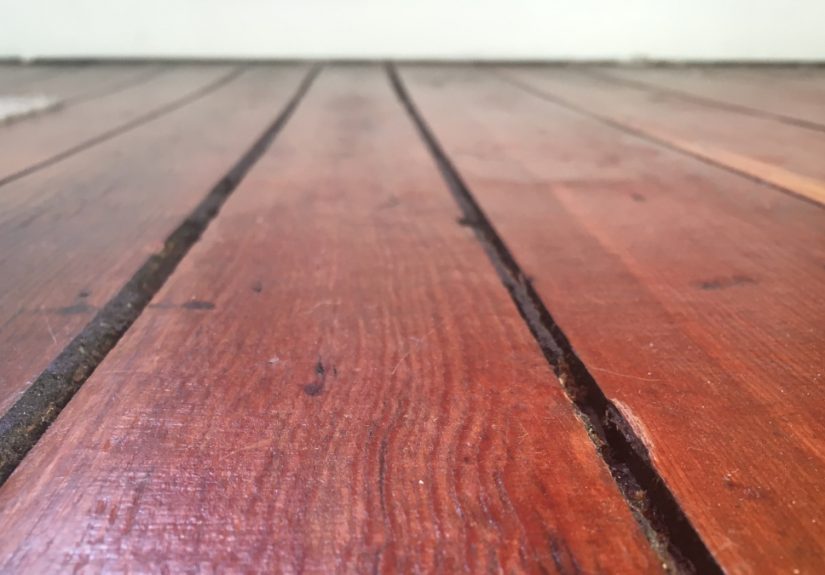
A shiny wood floor can make a home look polished, warm, and expensive. It can also turn your hallway into a tiny indoor skating rink if the surface gets too slick. If your socks have started negotiating with gravity every time you cross the living room, your floor is not “luxurious.” It is asking for help.
The good news is that you usually do not need to rip out your hardwood, panic-buy carpet, or walk around the house like a cautious penguin. Most slippery wood floor problems come from a few common causes: cleaner residue, wax or polish buildup, dust, moisture, smooth finishes, loose rugs, or the wrong footwear. With the right cleaning method, safer entry mats, non-slip rug pads, andwhen neededan anti-slip finish, you can make a wood floor less slippery without ruining its beauty.
This guide breaks down practical, floor-safe fixes for hardwood, engineered wood, sealed wood, waxed floors, stairs, kitchens, pet zones, and high-traffic areas. Let’s bring back the grip without turning your oak floor into a basketball court.
Why Wood Floors Become Slippery
Before fixing the problem, find the cause. A slippery wood floor is rarely random. Wood flooring usually becomes slick because something is sitting on top of the finish, the finish itself is too smooth, or the floor is being used in a way that invites slips.
1. Cleaner Residue
Many all-purpose cleaners, oil soaps, waxy sprays, and “shine boosters” leave a thin film behind. At first, the floor looks glossy. Then it starts feeling greasy, sticky, or oddly slick. That residue can also attract dust, which creates an extra layer of slipperiness. If your floor feels worse after cleaning, the cleaner is probably the villain wearing a lemon-scented disguise.
2. Too Much Polish or Wax
Polish and wax are not the same as everyday hardwood floor cleaner. Used too often, they can build up and create a glassy surface. Some modern polyurethane-finished floors should not be waxed at all unless the manufacturer specifically recommends it. Wax on the wrong finish can create a slippery mess and make future recoating harder.
3. Dust, Pet Hair, and Fine Grit
A dusty floor can act like tiny ball bearings under your feet. Pet hair, pollen, sawdust, sand, and everyday grit reduce contact between your shoe or sock and the floor. This is especially noticeable on stairs, near doors, and around kitchens where crumbs apparently hold secret meetings at night.
4. Moisture and Spills
Water, cooking oil, melted ice, rain, snow, and pet bowl splashes can make wood floors dangerously slick. Wood is also sensitive to excess moisture, so wet mopping or steam cleaning can damage the finish and the boards over time. The goal is controlled cleaning, not turning the dining room into a shallow pond.
5. Smooth or Worn Finish
High-gloss finishes reflect light beautifully, but they can feel smoother underfoot than satin or matte finishes. Older floors may also lose texture as the finish wears down unevenly. In some cases, the best long-term fix is a professional screen-and-recoat with a satin, matte, or slip-resistant floor finish.
Start With a Simple Slip Test
Before buying products, test the floor in a few spots. Walk across it in clean rubber-soled shoes, bare feet, and socks. Then compare a high-traffic area with a low-traffic area, such as under a rug or behind a sofa. If the busy walkway is much slicker, you may be dealing with residue or wear. If the whole floor is slick, the cleaning product, polish, or finish may be the issue.
| What You Notice | Likely Cause | Best First Fix |
|---|---|---|
| Floor feels greasy after mopping | Cleaner or oil soap residue | Clean with a hardwood-safe residue remover or pH-neutral wood cleaner |
| Floor is slick near doors | Dirt, rain, dust, or outdoor grit | Add walk-off mats inside and outside entrances |
| Area rugs slide around | No rug pad or wrong backing | Use a non-slip rug pad safe for wood floors |
| Stairs feel dangerous | Smooth finish, socks, dust, or worn treads | Clean thoroughly, add secured stair treads, or recoat with slip-resistant finish |
| Floor is glossy and slick everywhere | Polish buildup or high-gloss finish | Remove buildup or consider professional recoating |
How to Make a Wood Floor Less Slippery: Step-by-Step
Step 1: Dry Clean the Floor First
Start with a dry microfiber dust mop or a vacuum set for bare floors. Avoid vacuum beater bars, stiff brush rolls, or gritty wheels that can scratch the finish. This first pass removes the loose dirt and dust that make floors slick and scratchy.
Pay extra attention to corners, entryways, under dining chairs, around pet beds, and near the kitchen. These are the zones where grit gathers like it pays rent.
Step 2: Remove Slippery Residue Safely
If the floor feels oily, sticky, or slick after cleaning, stop using the current product. Switch to a cleaner made specifically for your type of wood floor. For most sealed hardwood floors, a pH-neutral hardwood floor cleaner and a microfiber spray mop are safer than a bucket of water.
Lightly mist the mop pad, not the floor. The pad should be damp, never dripping. Work in small sections and dry the surface with a clean microfiber cloth if it feels wet. If residue is heavy, you may need a hardwood floor residue remover approved by the floor or finish manufacturer. Always test in a hidden spot first, such as inside a closet.
Step 3: Avoid Steam Mops and Wet Mops
Steam sounds clean and heroic, but it is usually bad news for wood floors. Heat and moisture can seep into seams, dull the finish, and contribute to swelling, cupping, or long-term damage. Traditional wet mops are also risky because they leave too much water behind.
If you want a safer routine, use this method: dry dust, lightly spray with hardwood-safe cleaner, wipe with microfiber, and let the floor dry fully before walking on it. It is less dramatic than steam, but your floor will not need therapy afterward.
Step 4: Use Walk-Off Mats at Entrances
Entry mats are one of the easiest ways to make wood floors less slippery. Place a sturdy mat outside each exterior door and a wood-safe mat inside. The outside mat scrapes off grit; the inside mat catches moisture and fine dust.
Choose mats with backings labeled safe for hardwood floors. Avoid rubber or latex backings that may discolor certain finishes unless the manufacturer says they are compatible. Shake, vacuum, or wash mats regularly. A dirty mat eventually becomes a dirt delivery system with decorative edges.
Step 5: Secure Area Rugs With Wood-Safe Rug Pads
Area rugs can add traction, warmth, and style, but loose rugs are a classic trip hazard. A sliding rug on a slick wood floor is basically a prank your house plays on your ankles.
Use a non-slip rug pad designed for hardwood floors. Felt-and-natural-rubber pads are common choices because they add grip and cushioning. Avoid cheap adhesive pads that can transfer residue, stain the finish, or stick too aggressively. The rug pad should be slightly smaller than the rug so it stays hidden and does not curl at the edges.
Step 6: Add Grip Where Slips Happen Most
You do not need to cover every inch of wood. Target the danger zones:
- Entryways where shoes bring in rain or dust
- Kitchen sink areas where water splashes
- Hallways with fast foot traffic
- Stair treads and landings
- Pet feeding stations
- Bathroom-adjacent wood floors
- Play areas for kids
For kitchens and pet areas, use washable mats with a wood-safe non-slip pad underneath. For stairs, consider secured stair runners, individual stair treads, or a professional anti-slip coating. Make sure anything installed on stairs is firmly attached. A loose stair tread is worse than no tread at all.
Best Cleaning Routine for Less Slippery Wood Floors
A consistent cleaning routine keeps traction steady. You do not have to clean obsessively; you just need to clean correctly.
Daily or Every Few Days
Dry dust high-traffic areas with a microfiber mop. This removes dust, hair, crumbs, and grit before they become a slip layer. Homes with pets, kids, or lots of outdoor traffic may need more frequent dusting.
Weekly
Vacuum with a bare-floor setting and clean with a hardwood-safe spray cleaner if needed. Use minimal liquid. Replace or wash mop pads often because a dirty mop pad simply relocates grime with confidence.
Monthly
Check entry mats, rug pads, stair treads, and kitchen mats. Look for curling corners, worn backing, discoloration, or trapped dirt. Wash or replace anything that no longer grips properly.
Seasonally
Inspect the floor finish. If the floor looks dull, patchy, scratched, or slick no matter how well you clean it, it may be time for professional maintenance. A screen-and-recoat can refresh the protective layer without a full sanding job when the wood itself is still in good shape.
Products That Can Help Make Wood Floors Less Slippery
pH-Neutral Hardwood Floor Cleaner
This should be your everyday cleaning hero. Choose a product labeled for sealed hardwood or your specific finish type. Avoid cleaners that promise extreme shine unless you understand whether they are cleaners, polishes, or restorers.
Microfiber Mop
Microfiber traps dust and uses less water than string mops. A flat spray mop gives you better moisture control and helps prevent puddles.
Non-Slip Rug Pads
Use rug pads under runners, area rugs, and mats. Look for options marked safe for hardwood floors. Pads should grip without adhesives that can damage the finish.
Anti-Slip Wood Floor Finish
If cleaning and mats do not solve the issue, consider a professional-grade anti-slip finish. Some waterborne hardwood floor finishes are designed with slip resistance in mind and are often used in stairs, commercial spaces, nurseries, kitchens, and other high-risk zones. This is a bigger project, but it can be the best long-term fix for floors that are naturally too slick.
Stair Treads or Runners
Stairs deserve special treatment because a small slip can turn into a big problem. Use properly secured stair runners or treads with compatible padding. Keep edges flat and tight.
What Not to Use on Slippery Wood Floors
Some DIY fixes sound clever until they damage the finish or make the floor even slicker. Avoid these common mistakes:
- Cooking oil: It does not “condition” sealed hardwood. It creates a slip hazard.
- Furniture polish: Many formulas leave a slick silicone or waxy film.
- Too much vinegar: Acidic cleaners can dull or damage some finishes over time.
- Steam cleaners: Moisture and heat can harm wood flooring.
- Wet string mops: Too much water can damage wood and leave residue behind.
- Random adhesive tape: Some tapes leave gummy residue or pull finish when removed.
- Abrasive powders or steel wool: These can scratch and dull the surface.
- Wax on polyurethane floors: It may create buildup and complicate future refinishing.
How to Make Wood Stairs Less Slippery
Wood stairs need extra care because gravity is already involved, and gravity has never been known for its kindness. Start by cleaning the treads with a hardwood-safe cleaner to remove dust and residue. Make sure stairs are dry before use.
Next, improve traction. You can use a properly installed stair runner, individual non-slip stair treads, or a slip-resistant finish. Clear anti-slip strips may work in some homes, but choose products designed for finished wood and test first. If your stairs are glossy, worn, or recently polished, ask a flooring professional about recoating them with a satin or anti-slip finish.
Lighting also matters. A perfectly clean staircase can still be unsafe if people cannot clearly see the tread edges. Add brighter bulbs, motion lighting, or contrast strips if the stair profile is hard to see.
How to Make Wood Floors Safer for Pets, Kids, and Older Adults
Pets often struggle on slick wood floors, especially senior dogs. Add runners in hallways, secure rugs near favorite routes, and place a mat near food and water bowls. Trim pet nails regularly because long nails reduce traction and can scratch the finish.
For kids, focus on play areas, hallways, and sock choices. Socks with grippy bottoms are safer than smooth cotton socks. For older adults, reduce both slips and trips: secure rugs, remove clutter, tape down cords, improve lighting, and wipe spills immediately. A beautiful floor is not worth a surprise gymnastics routine.
When to Refinish or Recoat a Slippery Wood Floor
Sometimes cleaning is not enough. If the finish is worn smooth, contaminated with old polish, or too glossy for your household, recoating may be the right answer.
A professional can lightly abrade the existing finish and apply a new topcoat if the floor is structurally sound. This is called screening and recoating. It is less invasive than sanding down to bare wood. If the floor has deep scratches, stains, water damage, or layers of incompatible wax, a full refinish may be necessary.
For better traction, ask about satin or matte finishes and slip-resistant products. High-gloss floors can look dramatic, but satin finishes often hide scratches better and may feel less slick. If you have stairs, pets, or older adults at home, traction should matter as much as shine.
Quick Fixes vs. Long-Term Fixes
Quick fixes are perfect when you need immediate safety. Long-term fixes are better when the floor itself is the problem.
Quick Fixes
- Dry dust the floor thoroughly.
- Stop using oily or waxy cleaners.
- Wipe spills immediately.
- Add walk-off mats at doors.
- Use non-slip rug pads.
- Wear rubber-soled indoor shoes or grippy socks.
Long-Term Fixes
- Remove old polish or wax buildup.
- Switch to a consistent hardwood-safe cleaning routine.
- Install secured stair runners or treads.
- Recoat with satin, matte, or anti-slip finish.
- Refinish floors if the coating is damaged or contaminated.
Real-World Experiences: What Actually Works in Everyday Homes
In real homes, slippery wood floors often show up after one of three events: a new cleaning product, a fresh polish, or a seasonal change. A homeowner might mop with an oil-based cleaner because the label promises shine, then notice the dog sliding into the sofa like a furry bowling ball. Another person might apply too much polish before guests arrive, only to discover that the hallway now requires careful foot placement and emotional support.
The first lesson from these situations is simple: more shine does not always mean more clean. A floor can look beautiful and still be unsafe. When people switch back to a hardwood-specific cleaner and microfiber mop, the floor often improves within a few cleanings. In heavier residue cases, a proper residue remover may be needed. The key is patience. Scrubbing aggressively can damage the finish, while gentle repeated cleaning can lift buildup without turning the surface cloudy.
Entryways are another common trouble spot. Families often notice slipping near the front door during rainy months or winter weather. The fix is rarely complicated: one mat outside, one mat inside, and a habit of removing wet shoes. This small setup can dramatically reduce moisture and grit. It also saves the floor from scratches, which is a nice bonus unless you enjoy giving your hardwood a distressed look by accident.
Stairs are where people become most serious about traction. A slick living room is annoying; slick stairs are genuinely risky. Many homeowners start with cleaning, then add a secure runner or individual treads. The important word is secure. Thin rugs placed loosely on stairs are not a safety solution. They are just chaos with fabric. A properly installed runner, however, can add grip, reduce noise, protect the wood, and make stairs easier for pets and older adults.
Pet owners often learn that wood floor traction is not only a human problem. Older dogs may hesitate, splay their legs, or avoid certain rooms. In those cases, strategic runners create “traction lanes” through the house. A runner from the bedroom to the back door, a mat by the food bowl, and a rug in the favorite turning corner can make a huge difference. Nail trimming also helps because long nails prevent paw pads from gripping the floor properly.
Another useful experience: do not solve the entire house at once. Start with the most dangerous ten feet. That might be the kitchen sink area, the hallway from the garage, or the stairs. Clean it correctly, add grip where needed, and observe the difference. If the floor is still slick after residue removal and mat upgrades, then it is time to consider the finish itself.
For older glossy floors, homeowners often get the best results from a professional screen-and-recoat using a satin or slip-resistant finish. It costs more than a bottle of cleaner, of course, but it addresses the surface rather than just managing the symptoms. Think of it like replacing bald tires instead of driving slower forever. Both help, but only one solves the real problem.
Conclusion
Making a wood floor less slippery starts with understanding what is causing the slick surface. In many cases, the solution is surprisingly simple: remove residue, stop using oily or waxy products, dry dust regularly, use a damp microfiber mop with a hardwood-safe cleaner, and add non-slip mats or rug pads in high-risk areas.
For stairs, pets, kids, and older adults, take traction seriously. Secure rugs, improve lighting, wipe spills quickly, and consider stair runners or anti-slip finishes where needed. If your floor remains slippery after careful cleaning, the finish may need professional attention. A satin, matte, or slip-resistant recoat can preserve the beauty of the wood while making everyday movement safer.
Your wood floor should shine, yesbut it should not audition for an ice-skating rink. With the right maintenance and a few smart safety upgrades, you can enjoy a floor that looks good, feels good, and lets everyone cross the room with dignity intact.
Note: Always follow your flooring manufacturer’s care instructions before using any cleaner, polish, rug pad, residue remover, or anti-slip coating. When in doubt, test in a hidden area or consult a hardwood flooring professional.