Table of Contents >> Show >> Hide
- The Smoothie Blueprint: A Formula You Can Repeat Forever
- Choose Fresh Ingredients Like a Pro (Even If You’re Not One)
- Prep and Food Safety: Wash Smart, Store Smarter
- Pick a Liquid Base That Matches Your Goal
- Protein and Healthy Fat: The “Stay Full” Upgrade
- Texture Toolkit: Fix Any Smoothie in Under 60 Seconds
- Blending Technique: Yes, the Order Matters
- Six Smoothie Builds Using Fresh Ingredients You Already Love
- 1) The Classic Strawberry-Banana (Creamy and Crowd-Pleasing)
- 2) Tropical Green (The “I Promise It Doesn’t Taste Like Spinach” One)
- 3) Peach-Blueberry Oat Breakfast (Filling Without Feeling Heavy)
- 4) PB&J Smoothie (Nostalgic, Protein-Friendly)
- 5) Coffee-Date “Dessert” Smoothie (Without the Dessert Crash)
- 6) Beet-Berry Glow (Colorful, Tangy, Surprisingly Addictive)
- Make-Ahead Smoothie Strategy: Fresh Ingredients, Faster Mornings
- Troubleshooting: The Most Common Smoothie Problems (and Fixes)
- Experience-Based Smoothie Lessons (The Fun Part You Only Learn by Doing)
- Conclusion: Make It Yours, Not Perfect
A smoothie is basically a tiny, drinkable pep talk. It says: “Yes, you absolutely can eat spinach at 9 a.m.”
and then it hides the spinach behind strawberries like a culinary magician. The best part? You don’t need a
complicated recipe to make great smoothies. You need a simple blueprint, a handful of fresh ingredients you
actually like, and a blender that’s ready to earn its keep.
This guide will show you how to build smoothies from your favorite fresh ingredients (not the random stuff you
bought for “health” and then avoided like a gym membership). We’ll cover a dependable formula, flavor tricks,
texture fixes, and real-world examplesso you can freestyle smoothies that taste good, feel satisfying, and don’t
accidentally turn into sugary slush.
The Smoothie Blueprint: A Formula You Can Repeat Forever
Think of smoothie-making like assembling a great outfit: you want a solid base, a few supporting pieces, and one
“wow” detail. Most nutrition educators and recipe developers land on the same idea: balance fruit with fiber,
protein, and healthy fats so your smoothie tastes good and keeps you full.
The core building blocks
- Liquid (for blendability)
- Fruit + veggies (for flavor, fiber, and nutrients)
- Protein (for staying power)
- Healthy fat (for creaminess and satisfaction)
- Flavor boosters (for “wow” without extra sugar)
Easy ratios (use these as training wheels)
For a 16–20 oz smoothie (about one large serving), start here and adjust based on your ingredients and texture
preference:
- 3/4 to 1 cup liquid (milk, unsweetened plant milk, kefir, water, or cold brew)
- 1 to 1 1/2 cups fruit + veggies (fresh, frozen, or a mix)
- 1 protein add-in (see options below)
- 1 fat/creaminess add-in (optional but recommended)
- Ice or frozen fruit (for thickness and chill)
If you remember nothing else, remember this: fruit makes it taste like a smoothie, protein makes it feel
like a meal, and fat makes it creamy enough to be enjoyable. Skip two of those and you’ll be hungry
again before your inbox finishes loading.
Choose Fresh Ingredients Like a Pro (Even If You’re Not One)
Fruit: your sweetness and your “texture engine”
Fresh fruit brings flavor and natural sweetness. Some fruits also act like the glue that holds a smoothie together.
Banana, mango, and ripe peach are the usual suspects. Consider them your smoothie’s “bodybuilders”they make
everything thicker and smoother.
- Thick + creamy fruits: banana, mango, peach, pear
- Bright + tart fruits: pineapple, orange, grapefruit, kiwi
- Berry power: strawberries, blueberries, raspberries, blackberries (great flavor; can be seedy)
- Melon + cucumber vibes: watermelon, cantaloupe (lighter, more watery)
Pro tip: if your fruit is fresh but not cold, your smoothie may taste great but feel… room-temperature-ish. A quick
fix is freezing part of the fruit (like banana slices) or adding a handful of frozen berries.
Veggies: how to add nutrition without tasting like a salad
Vegetables can make smoothies more filling and less sugar-forwardespecially leafy greens. Start small, then build
confidence. Most people can add a handful of spinach to a berry smoothie and still taste mostly berries. Kale is
also great, but it’s the friend who “tells it like it is.” It can be a little strong until you learn how to balance it.
- Beginner-friendly greens: baby spinach, romaine
- Bold greens: kale, arugula (use less; pair with pineapple or mango)
- Neutral add-ins: steamed/cooled cauliflower, zucchini (adds body; mild flavor)
- Fresh and crisp: cucumber, celery (light, hydrating; best with citrus)
- Earthy but worth it: cooked beets (sweet, colorful, and surprisingly smoothie-friendly)
Flavor boosters: the tiny additions that make people ask for the “recipe”
This is where smoothies go from “healthy” to “I would pay $9 for this and complain about it anyway.”
- Acid: lemon/lime juice (wakes up berries and greens)
- Warm spices: cinnamon, ginger, nutmeg, turmeric (start with a pinch)
- Extracts: vanilla or almond extract (a few drops go a long way)
- Fresh herbs: mint or basil (especially with pineapple, strawberry, or watermelon)
- Salt: a tiny pinch can make fruit taste fruitier (yes, really)
Prep and Food Safety: Wash Smart, Store Smarter
If you’re using fresh produce, basic washing and storage habits matter. Rinse produce under running water (no soap
needed), scrub firmer items like apples if you’re keeping the peel, and cut away bruised spots before blending.
For delicate berries, rinse right before use so they don’t get soggy in the fridge.
Want your future self to love you? Freeze smoothie-friendly produce:
- Bananas: peel, slice, freeze flat on a tray, then bag
- Berries: freeze as-is (fresh or store-bought frozen work great)
- Mango/pineapple: cube and freeze for instant tropical thickness
- Greens: freeze spinach or kale in portions if you can’t use it fast enough
Note on frozen produce: frozen fruit is commonly washed before freezing, but always follow the package directions.
Frozen vegetables are often meant to be cookedso if you’re adding frozen veg to a smoothie, choose products intended
for raw use (like frozen cauliflower made for blending) or use cooked and cooled vegetables.
Pick a Liquid Base That Matches Your Goal
Your liquid decides whether your smoothie is a refreshing sip, a creamy breakfast, or a spoon-thick “bowl” situation.
It also quietly controls sugar. Fruit juice can push a smoothie from “energizing” to “dessert in athleisure,” so use
it sparingly if you’re watching added sugars.
Best all-purpose liquids
- Dairy milk: creamy, adds protein (especially if you use higher-protein options)
- Unsweetened plant milk: almond, soy, oat (check labels; choose unsweetened)
- Kefir: tangy, drinkable yogurt texture
- Water: light and clean; great with high-flavor fruit (pineapple, berries)
- Cold brew coffee: pairs beautifully with banana, cocoa, dates, and nut butter
Protein and Healthy Fat: The “Stay Full” Upgrade
If your smoothie is going to replace a meal (or keep you satisfied until lunch), add protein and a bit of healthy fat.
Otherwise, it can digest fastespecially if it’s mostly fruit.
Protein options
- Greek yogurt: thick, tangy, reliable
- Plain yogurt or kefir: lighter texture, still satisfying
- Silken tofu: neutral, creamy, plant-based
- Protein powder: choose one without lots of added sugar (vanilla works with most fruits)
- Seeds: hemp hearts, chia, or ground flax (also add fiber)
Healthy fat and creaminess options
- Nut butter: peanut, almond, cashew (1–2 tablespoons is plenty)
- Avocado: creamy with a mild flavor (a quarter to half is usually enough)
- Chia or flax: adds body and “pudding-like” thickness if you let it sit
- Whole-food toppings: a few walnuts or a spoon of tahini can be surprisingly good
Quick sugar reality check: “no added sugar” is the phrase you want on yogurt and milk alternatives. Added sugars
show up fast in flavored yogurt, sweetened plant milks, and “juice blends.” If you care about keeping smoothies
balanced, those labels matter.
Texture Toolkit: Fix Any Smoothie in Under 60 Seconds
Too thick?
- Add liquid in small splashes (1–2 tablespoons at a time).
- Blend again on high for 10–20 seconds.
- If your blender is struggling, stop and stir, or use a tamper if your blender supports it.
Too thin or watery?
- Add frozen fruit instead of ice (more flavor, less dilution).
- Add 1/2 banana, a spoon of oats, or 1 tablespoon chia.
- Use yogurt or avocado for thicker, creamier body.
Gritty or bitter?
- Blend longer (especially with greens or seeds).
- Balance bitter greens with pineapple, mango, or a squeeze of citrus.
- Use ground flax instead of whole flax for smoother texture.
Blending Technique: Yes, the Order Matters
If your blender had feelings, it would like you to stop dumping frozen chunks on top of dry powders and expecting
miracles. A smart order helps blades move freely and creates a smoother blend.
- Start with liquids (they create the blending vortex).
- Add powders and small add-ins (oats, protein powder, spices).
- Add leafy greens (they blend better when they hit liquid first).
- Add fresh fruit and soft items (banana, yogurt, avocado).
- Finish with frozen ingredients or ice (for chill and thickness).
Blend low to start, then increase to high until smooth. If you want a smoothie with fewer little “green confetti”
bits, blend greens + liquid first for a few seconds, then add the rest.
Six Smoothie Builds Using Fresh Ingredients You Already Love
Each recipe below is designed to be flexible. Swap the fruit, change the liquid, adjust thickness, and make it yours.
That’s the whole point.
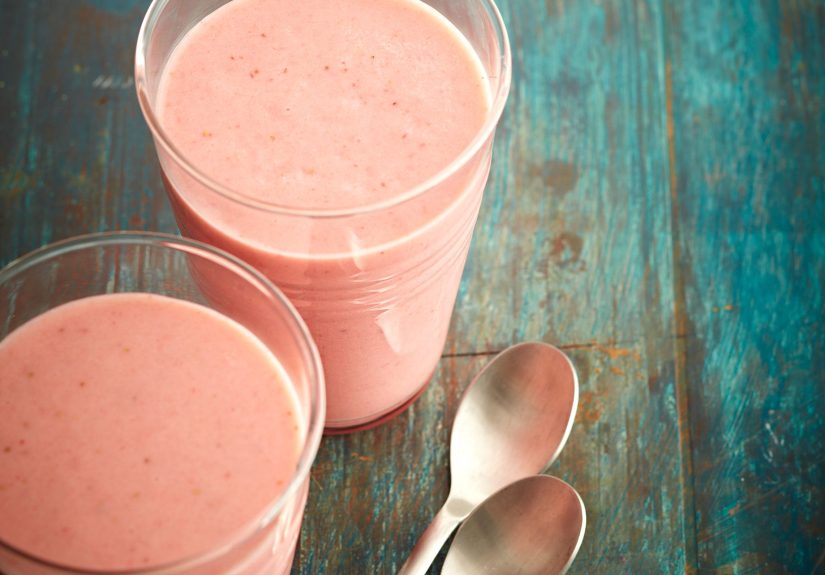
1) The Classic Strawberry-Banana (Creamy and Crowd-Pleasing)
- 1 banana (fresh or frozen)
- 1 cup strawberries (fresh or frozen)
- 3/4 cup milk (dairy or unsweetened plant milk)
- 1/2 cup plain Greek yogurt
- Optional: 1/2 teaspoon vanilla extract
Blend until smooth. If it tastes “flat,” add a squeeze of lemon or a pinch of salt. Yes, salt. Trust the process.
2) Tropical Green (The “I Promise It Doesn’t Taste Like Spinach” One)
- 1 cup baby spinach
- 1 cup pineapple chunks
- 1/2 mango (or 1/2 cup frozen mango)
- 3/4 cup water or unsweetened coconut/almond milk
- 1 tablespoon chia seeds
- Optional: squeeze of lime, a few mint leaves
3) Peach-Blueberry Oat Breakfast (Filling Without Feeling Heavy)
- 1 peach (pitted and sliced) or 1 cup frozen peaches
- 1/2 cup blueberries
- 3/4 cup milk or kefir
- 1/4 cup rolled oats
- 1/2 teaspoon cinnamon
Oats thicken as they sit. If you like a spoonable texture, let it rest 3–5 minutes, then give it one quick re-blend.
4) PB&J Smoothie (Nostalgic, Protein-Friendly)
- 1 frozen banana
- 1 cup strawberries or mixed berries
- 1 cup milk (or unsweetened soy milk for extra protein)
- 1 tablespoon peanut butter
- Optional: 1 tablespoon ground flax
If you want it less sweet, add a handful of spinach. PB&J can handle it. PB&J has been through worse.
5) Coffee-Date “Dessert” Smoothie (Without the Dessert Crash)
- 3/4 cup cold brew coffee
- 1 frozen banana
- 2 Medjool dates (pitted)
- 1/2 cup Greek yogurt
- 1 teaspoon cocoa powder
Dates blend best when they’re soft. If yours are a little dry, soak them in warm water for 5 minutes first.
6) Beet-Berry Glow (Colorful, Tangy, Surprisingly Addictive)
- 1/2 cup cooked and cooled beet (or packaged cooked beet)
- 1 cup mixed berries
- 3/4 cup kefir or yogurt + water
- 1/2 teaspoon grated ginger (or a pinch of ground ginger)
- Optional: squeeze of orange
Make-Ahead Smoothie Strategy: Fresh Ingredients, Faster Mornings
If mornings are chaos (and they usually are), prep smoothie “freezer packs.” Add fruit, greens, and any dry add-ins
(like oats or seeds) to a bag or container and freeze. When you’re ready, dump the pack into the blender, add liquid
and yogurt, and blend.
Freezer pack ideas
- Berry + spinach: berries, banana slices, spinach, chia
- Tropical: mango, pineapple, spinach, grated ginger
- Peach pie: peaches, banana, oats, cinnamon
Avoid adding yogurt or liquids to freezer packs unless you’re freezing a full smoothie pop (which is fun, but a
different project). Liquids freeze into blocks that can turn blending into a contact sport.
Troubleshooting: The Most Common Smoothie Problems (and Fixes)
Problem: “It tastes kind of… dull.”
Add acid (lemon/lime), a pinch of salt, or a small piece of ginger. Flavor often needs contrast, not more sugar.
Problem: “It’s foamy.”
High-speed blending can whip air into thin smoothies. Use a slightly thicker base (banana, yogurt), blend a little
less, and let it sit for a minutefoam settles.
Problem: “It’s too sweet.”
Add greens, plain yogurt, a few cucumber slices, or more ice/frozen cauliflower. Also check your ingredients:
sweetened yogurt or juice can sneak in a lot of sugar.
Problem: “It’s too bitter.”
Use less kale, remove thick stems, add pineapple or mango, and brighten with citrus. Bitterness often needs
sweetness plus acid to feel balanced.
Experience-Based Smoothie Lessons (The Fun Part You Only Learn by Doing)
If you’ve ever made a smoothie that looked like a dreamy café drink and tasted like lawn clippings, welcome to the
club. Smoothie-making has a learning curve, but it’s the kind where you still get to drink the homework. Here are
the most common “smoothie experiences” people run intoand the small tweaks that turn them into wins.
1) The “Ice Betrayal” Moment. You’re trying to make it cold, so you add a heroic amount of ice.
Then you take a sip and realize you’ve invented fruit-flavored water. This is a classic rookie move, and it’s not
your faultice feels like the logical solution. The fix is simple: use frozen fruit as your cold source
whenever possible. Frozen bananas, berries, mango, and pineapple give you chill and flavor. Ice is best as
a supporting actor, not the lead.
2) The “Why Is It So Thin?” Puzzle. A smoothie can go watery fast when you use high-water produce
(watermelon, cucumber, orange) plus a thin liquid like water. People often try to fix this by adding more fruit,
which helpsbut can also push sweetness too high. A better experience-based solution is to add a thickener that
doesn’t spike sweetness: a scoop of Greek yogurt, a few slices of frozen banana, a spoonful of oats, or even a small
chunk of avocado. The texture changes immediately, and suddenly it feels like an intentional drink instead of a
confused juice.
3) The “Green Specks Everywhere” Reality. Many first-time green smoothie makers expect silky
perfection and get… confetti. The most reliable trick is a two-step blend: blend your liquid and greens first for
10–15 seconds, then add the fruit, yogurt, and frozen items. This small change often turns “bits of spinach” into
“how did you get it so smooth?” without needing a professional blender the size of a carry-on suitcase.
4) The “Healthy” Label Shock. At some point, most people discover that flavored yogurt, juice, and
sweetened plant milks can quietly turn a smoothie into a sugar bomb. The experience is usually the same: you check a
label once, blink twice, and suddenly understand why your smoothie tasted like a melted milkshake. The easiest habit
shift is choosing “unsweetened” for your base liquids and using plain yogurt, then letting fresh fruit handle the
sweetness. If you still want a dessert vibe, vanilla extract, cinnamon, cocoa, and dates create that “treat” feeling
without relying on added sugar.
5) The “Chia Seeds Got Weird” Surprise. Chia is greatuntil you let it sit and it turns your drink
into a gentle gel. Some people love that pudding-like texture; others feel like they accidentally blended a science
experiment. The lesson: if you want chia for fiber, use 1–2 teaspoons to start, blend well, and drink sooner. If you
want thick and spoonable, use a tablespoon and let it rest for a few minutes on purpose. Texture is only “weird”
when it’s unplanned.
6) The “This Tastes Better Than My Meal” Win. The most satisfying smoothie moment is when you
finally nail balance: a little fruit, a little veg, protein, and a creamy elementso it tastes good and actually
keeps you full. That’s when smoothies stop being a “health project” and become a practical routine. You start
buying fruit because you’re excited to use it. You freeze bananas without feeling like you’re doing chores. You
realize the best smoothie is the one you can repeat on a busy dayand still enjoy.
Conclusion: Make It Yours, Not Perfect
The best smoothie isn’t the one with the longest ingredient list or the trendiest powder. It’s the one built from
fresh ingredients you genuinely likeusing a simple formula you can repeat. Start with a solid base, balance fruit
with protein and healthy fats, and use flavor boosters to make it exciting without relying on added sugar.
Experiment, take notes (even mental ones), and don’t be afraid of small tweaks. One extra splash of liquid, one
squeeze of lemon, or one frozen banana can be the difference between “fine” and “make it again tomorrow.”
Research basis (U.S. sources synthesized): FDA, USDA, American Heart Association, Mayo Clinic Health System, Cleveland Clinic, Academy of Nutrition and Dietetics (EatRight.org), Harvard Health Publishing, Rutgers Cooperative Extension (NJAES), Vitamix, American Diabetes Association, EatingWell, Serious Eats, Simply Recipes, Allrecipes, Better Homes & Gardens.